Picidae
Green-barred woodpecker
Colaptes melanochloros
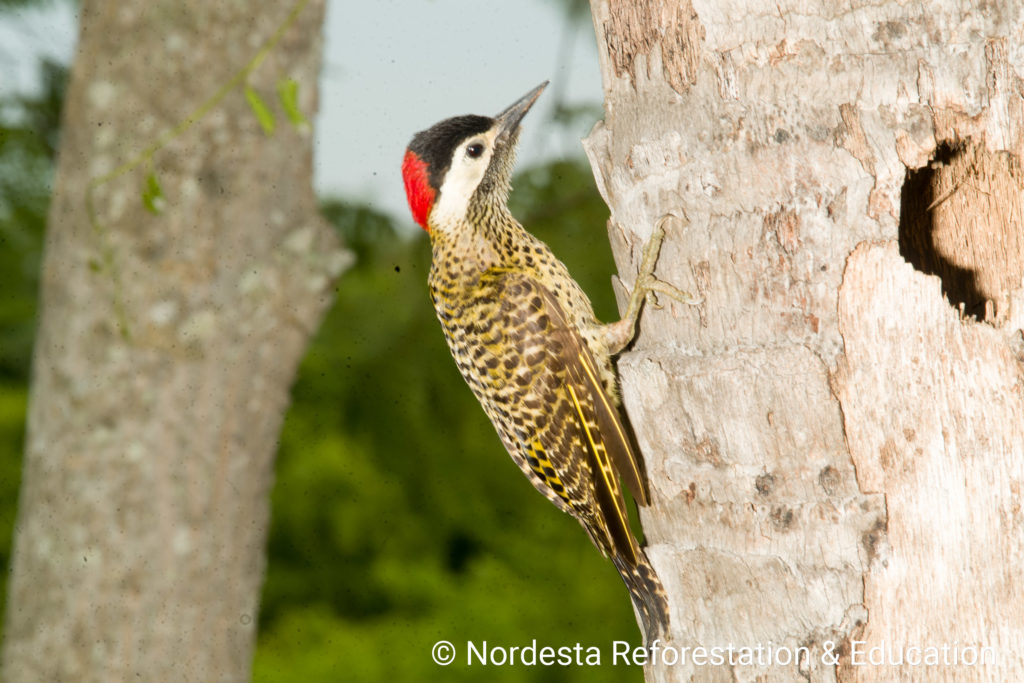
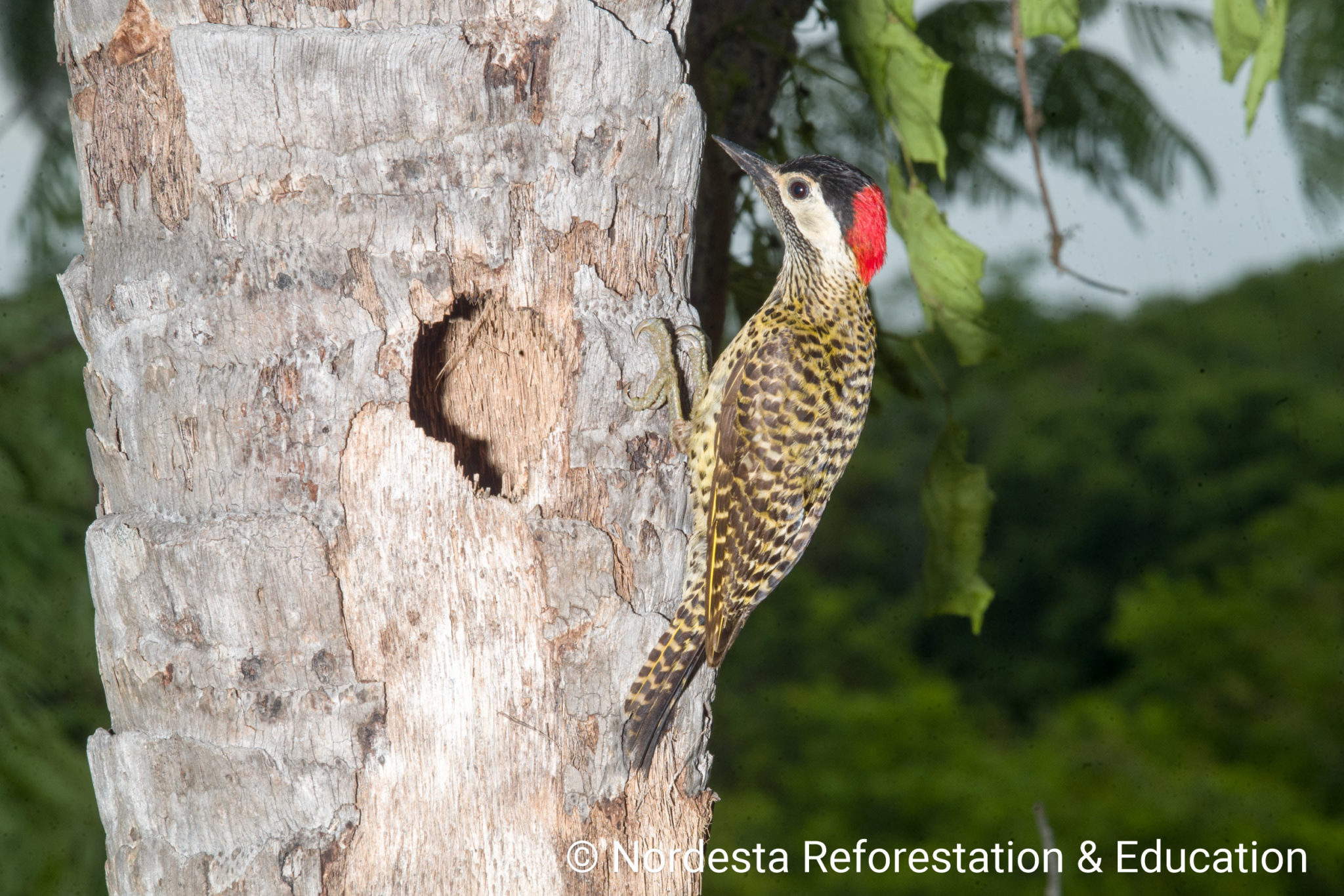
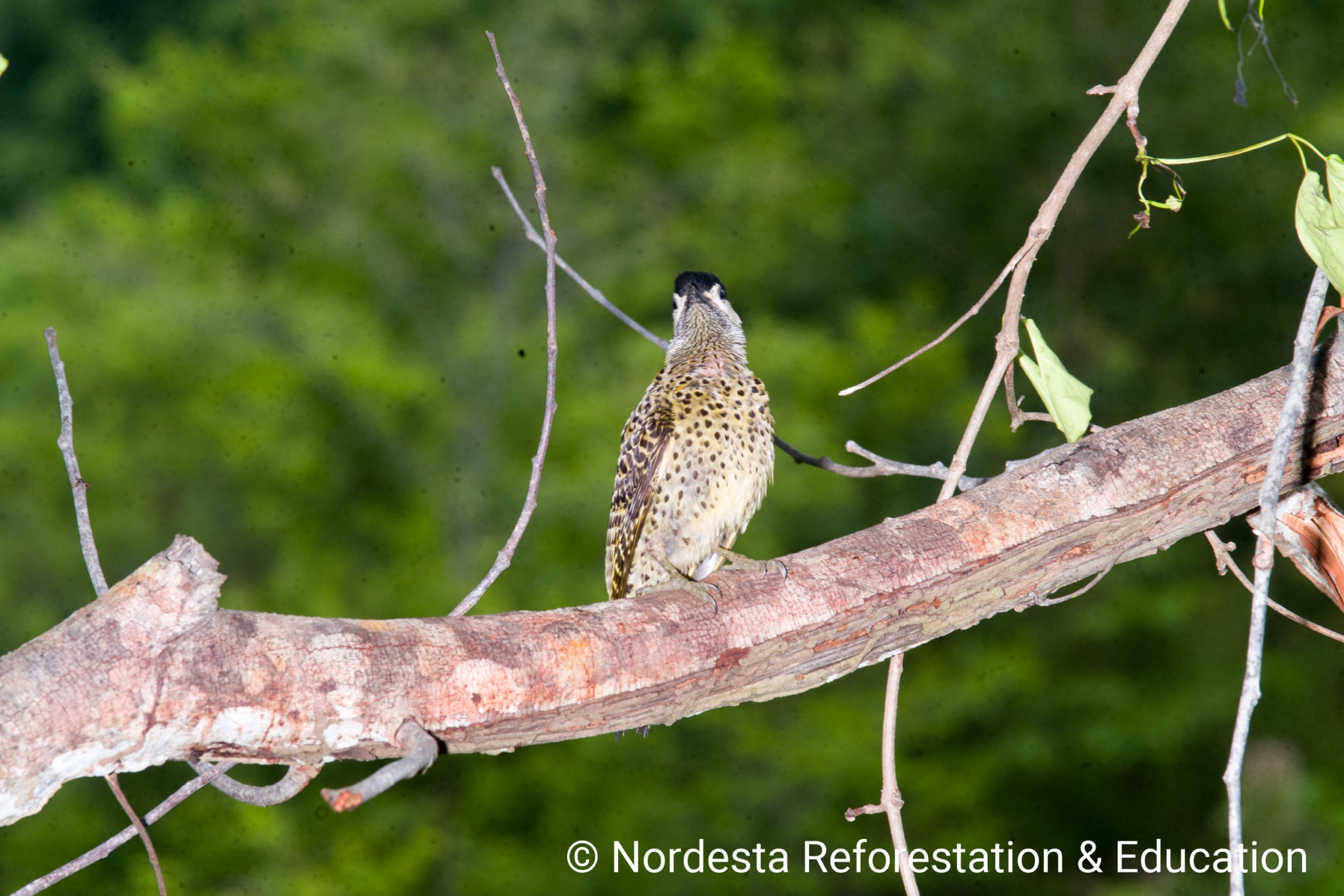
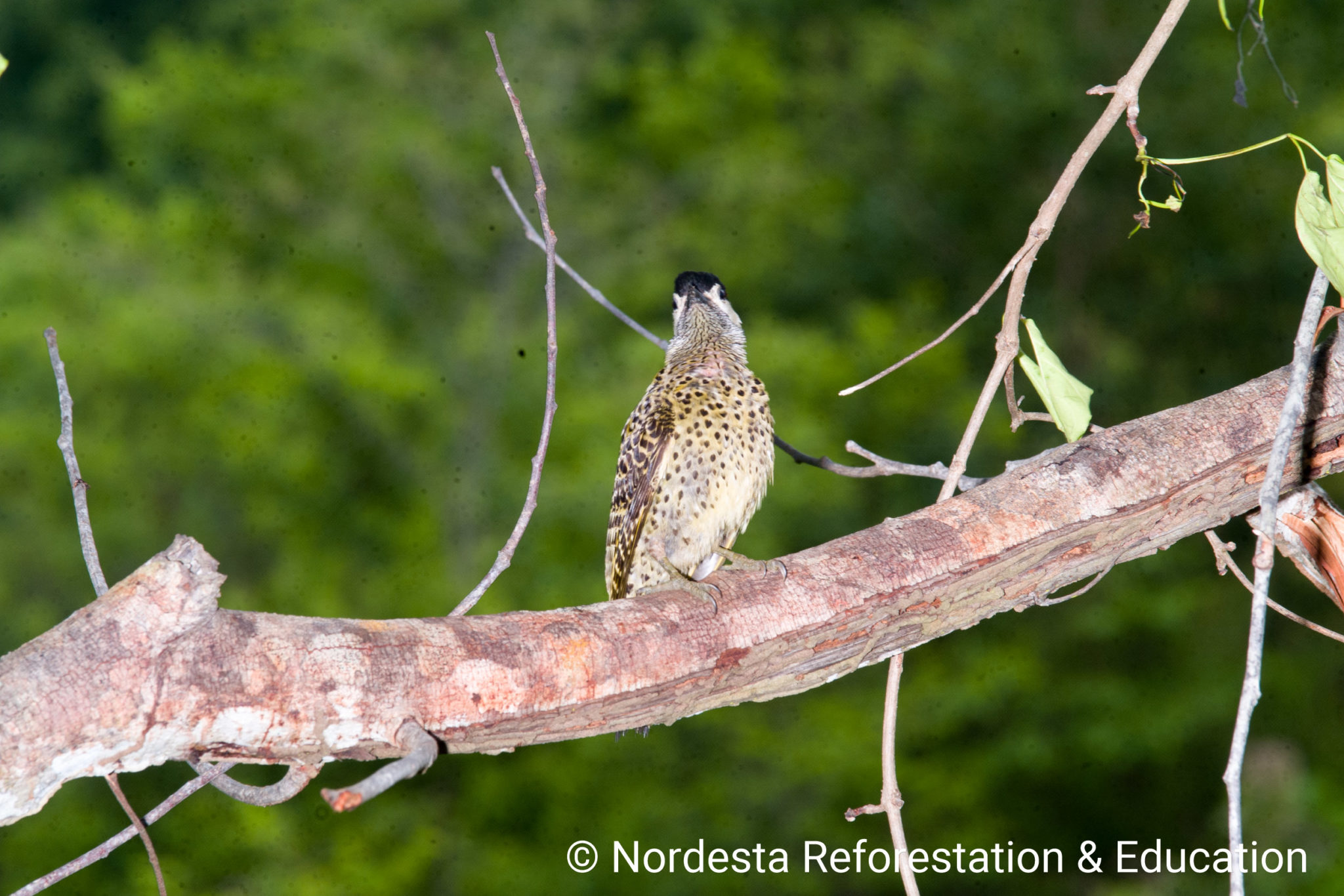
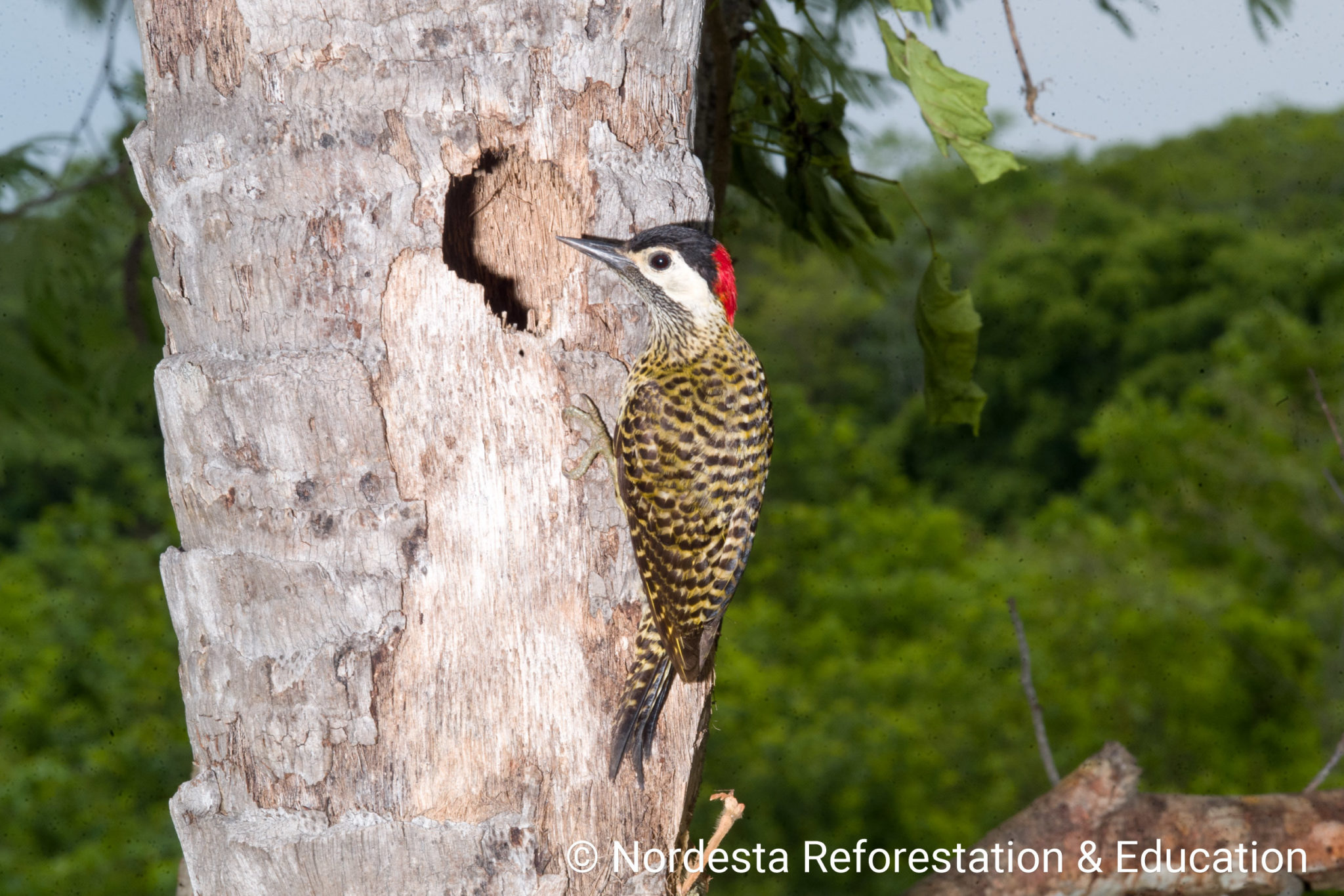
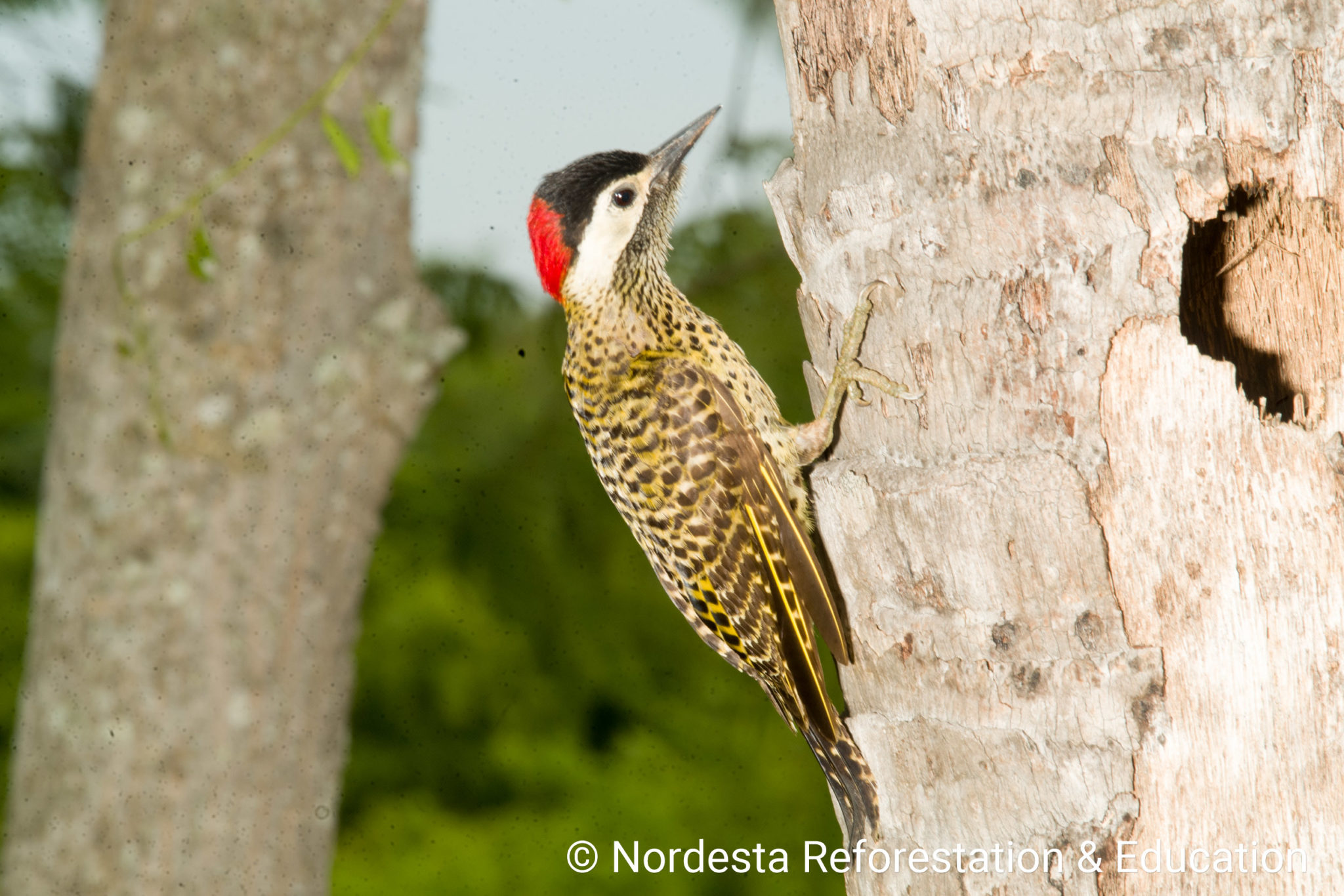
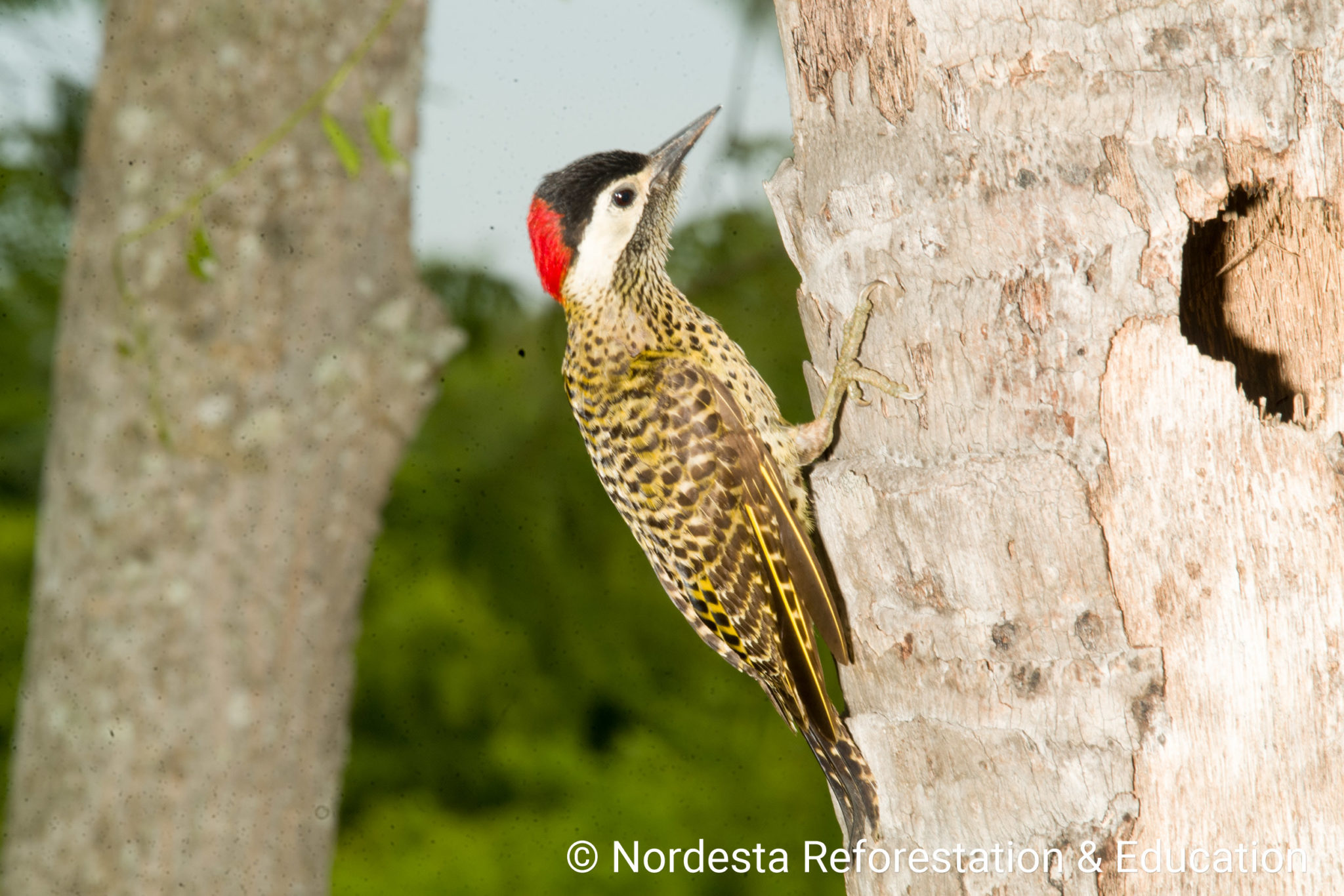
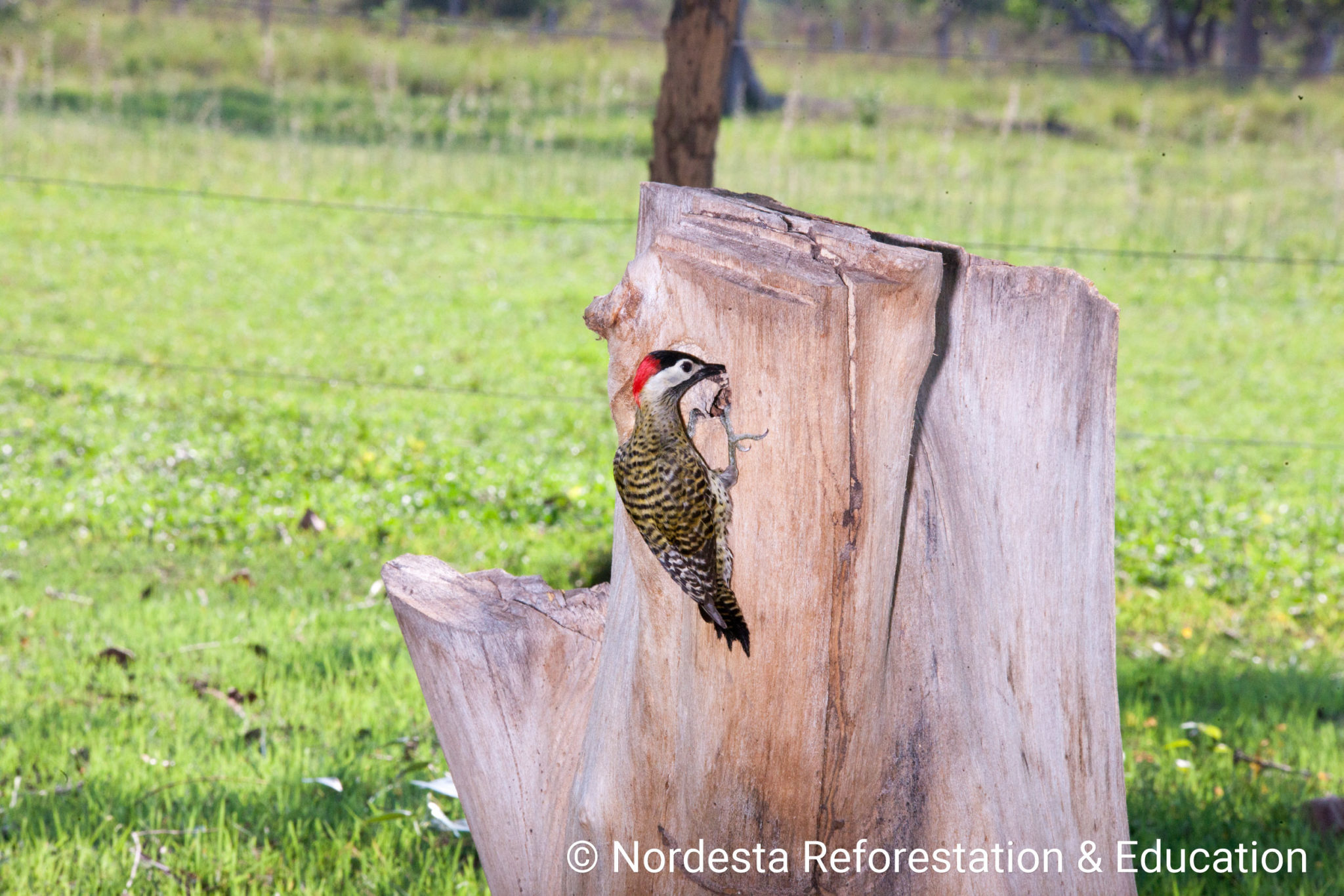
The Green-barred Woodpecker, Colaptes melanochloros is a bird found across various regions in Brazil and other parts of South America. It is known for its distinctive markings and strong vocalisations.
General behavior
These woodpeckers can be seen alone, in pairs, or in small family groups. They sometimes join mixed-species flocks and are often observed near other woodpecker species. They communicate using loud, repetitive calls that can be heard over long distances. Foraging takes place on tree trunks, branches, and even on the ground, where they search for insects and larvae. They may also eat fruits and have been observed dispersing seeds of various plant families.
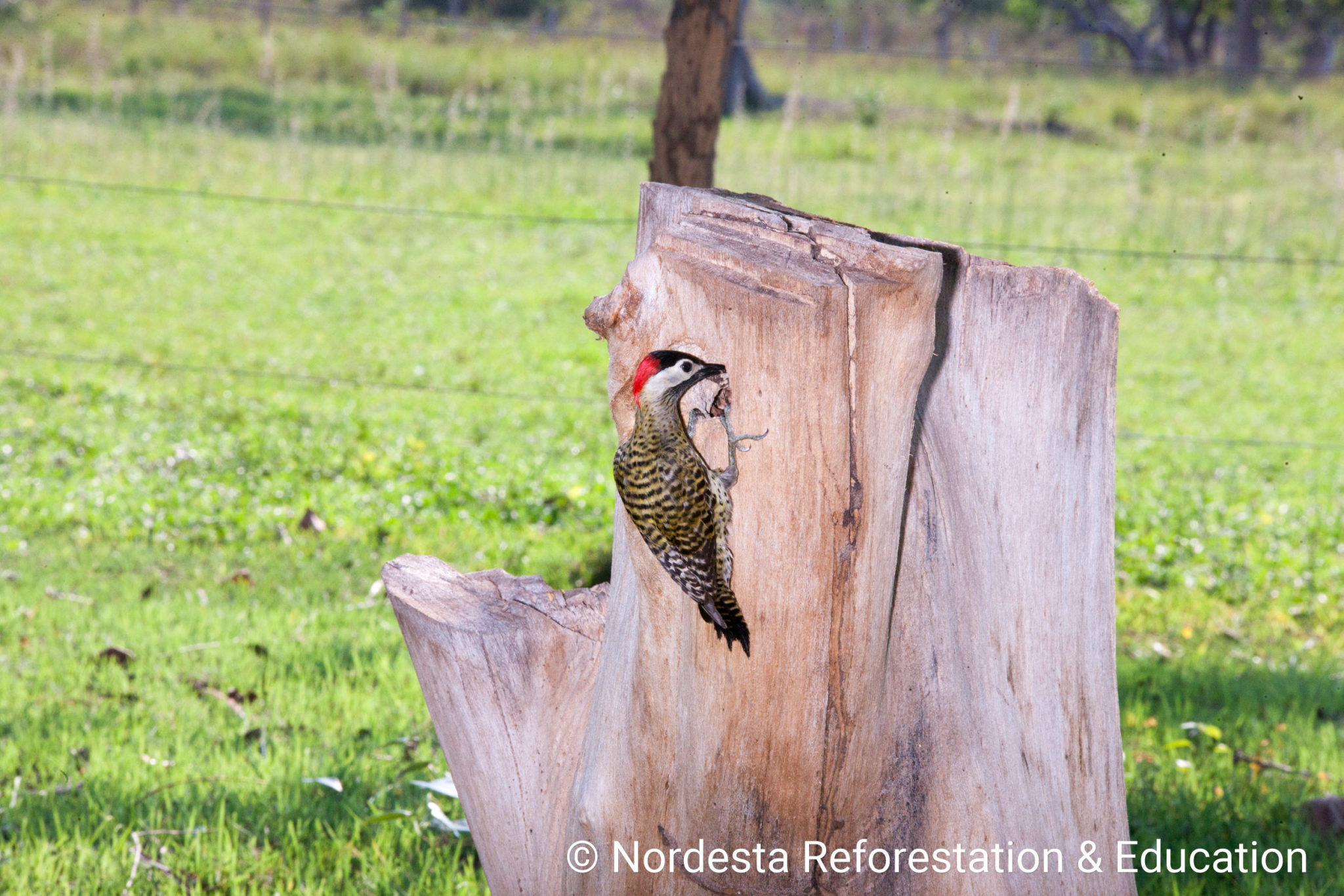
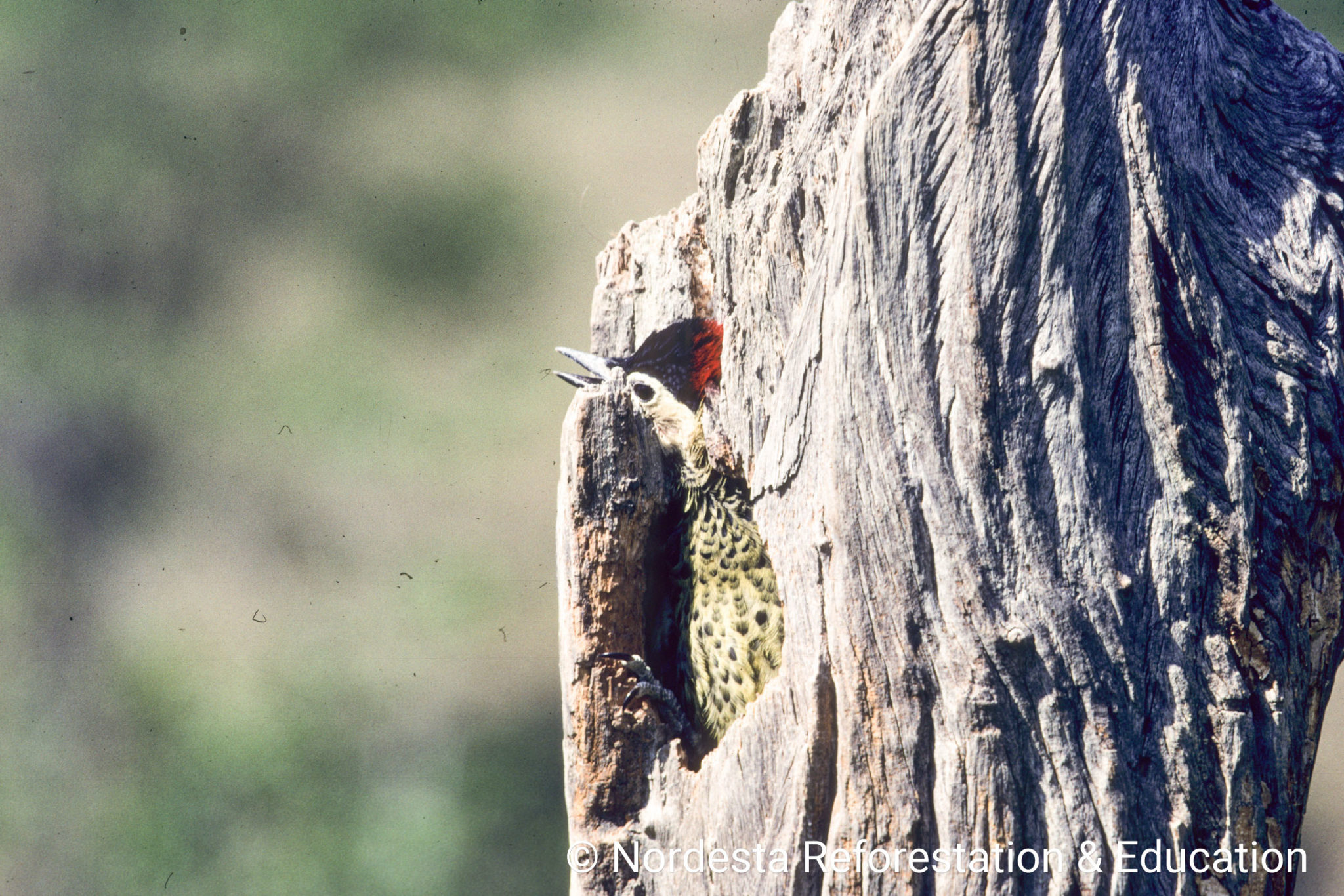
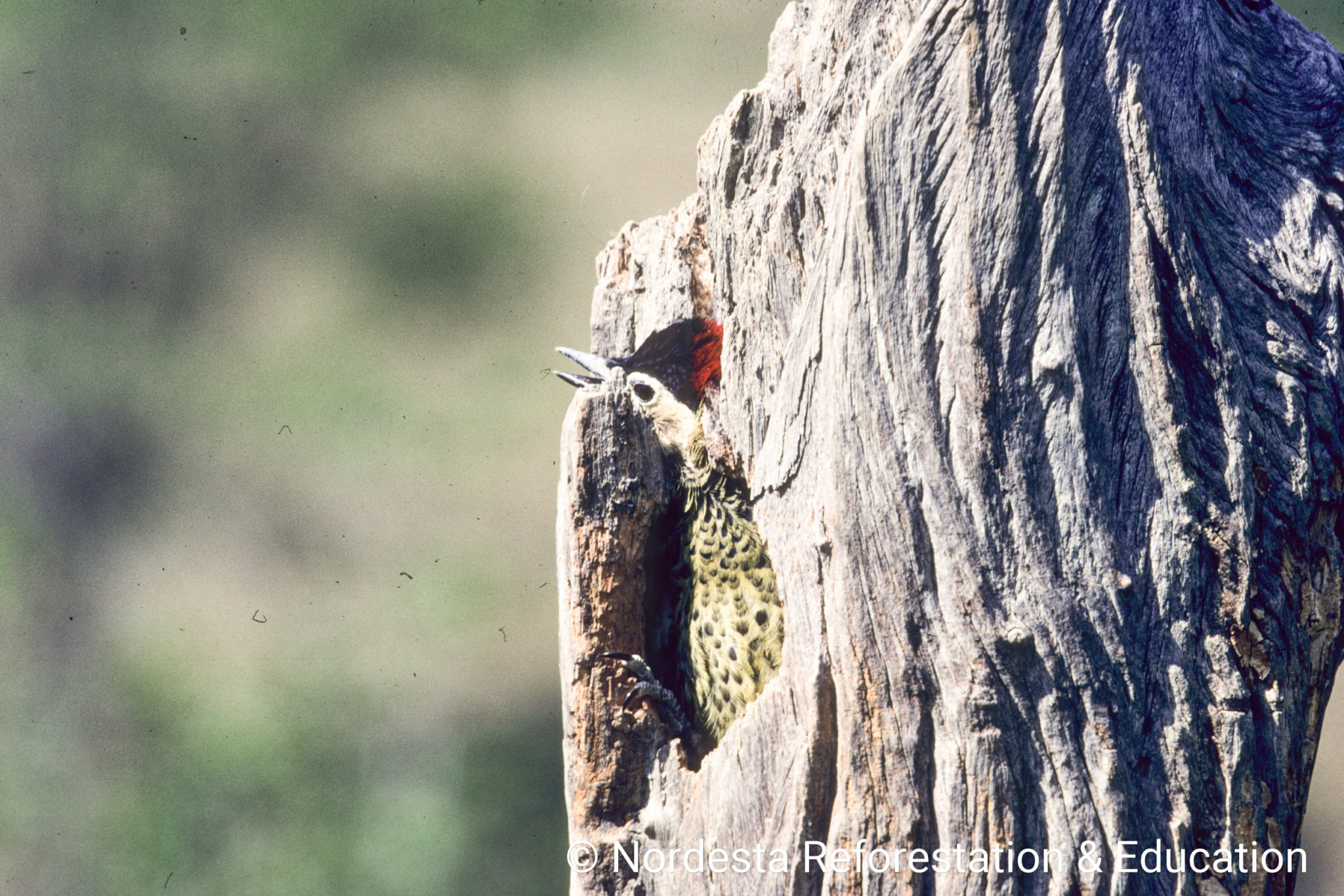
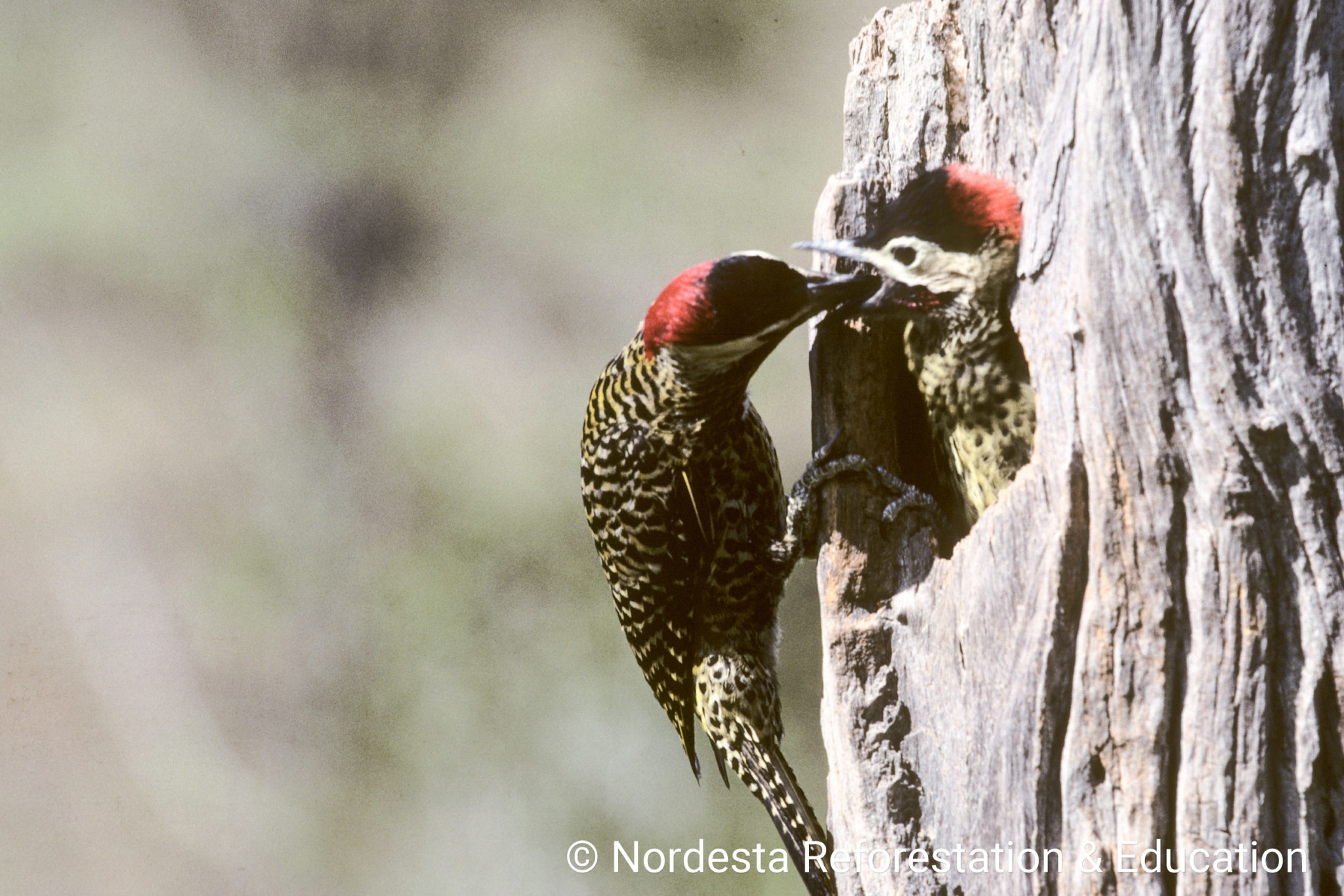
During the nesting period, adults feed their chicks frequently and remain vocal throughout. In one case, we saw a young bird clumsily walking along a trunk while calling out to its parents shortly after fledging.
Habitat
This species thrives in a range of environments, including the edges of secondary forests, gallery forests, open woodlands in the Cerrado and Caatinga, palm groves, urban parks, and coastal coconut groves.
Nest observation sites
We observed nests in Camaçari, Bahia (3 nests), Arcos, Minas Gerais (2 nests) and Alto Parnaíba, Maranhão (1 nest)
Breeding season
In Brazil, the breeding season occurs from September to November. In Argentina, it may extend into January.
The nest
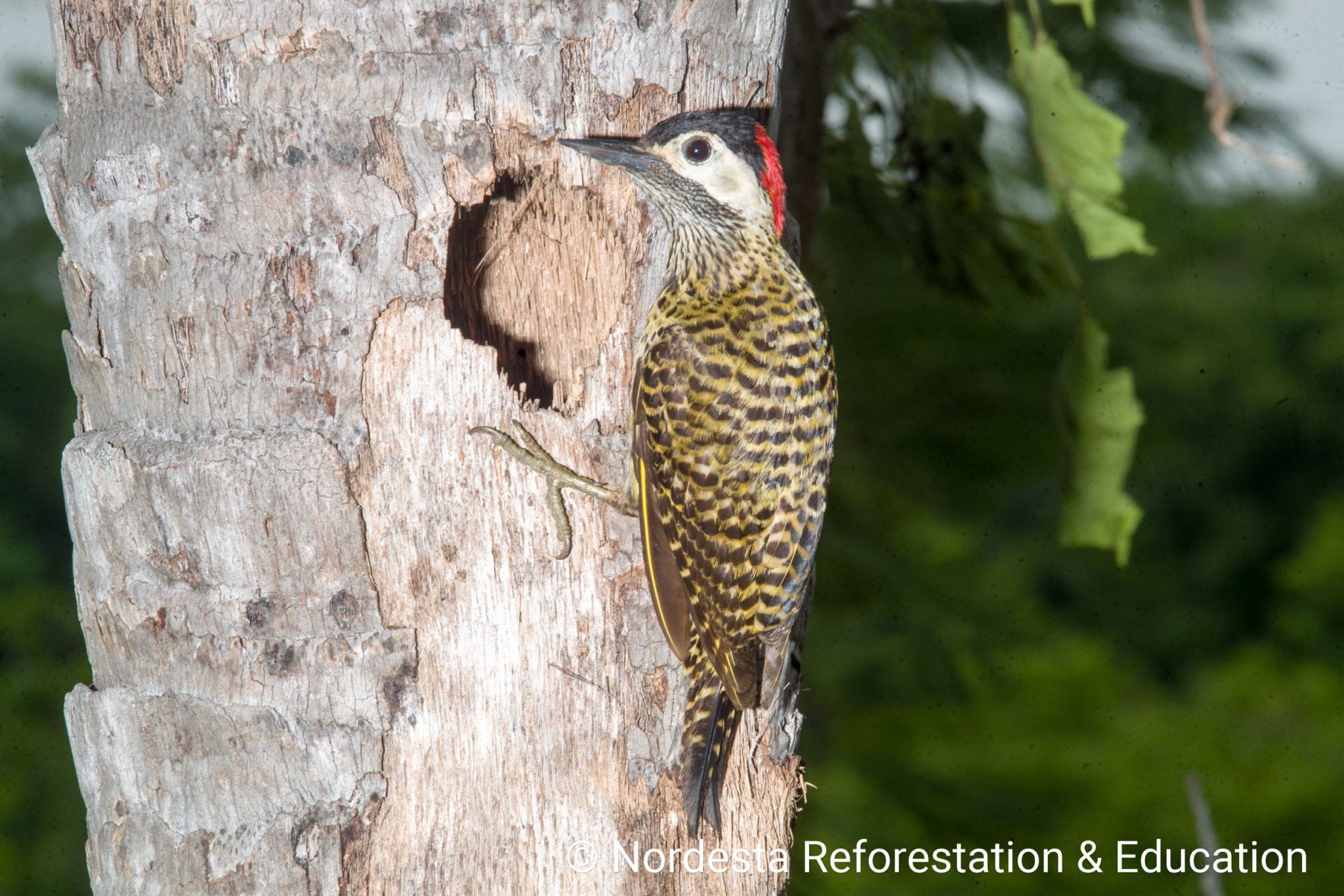
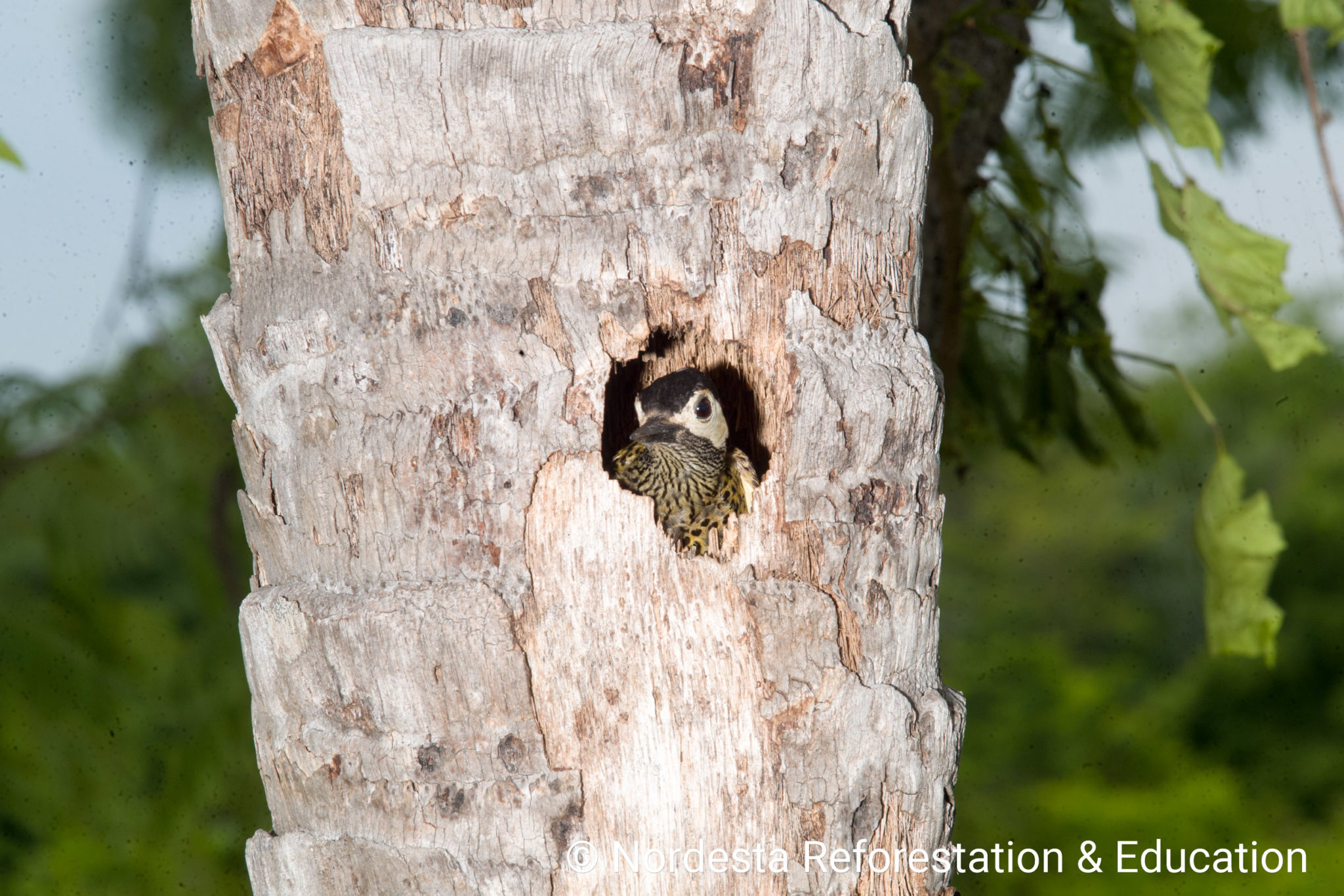
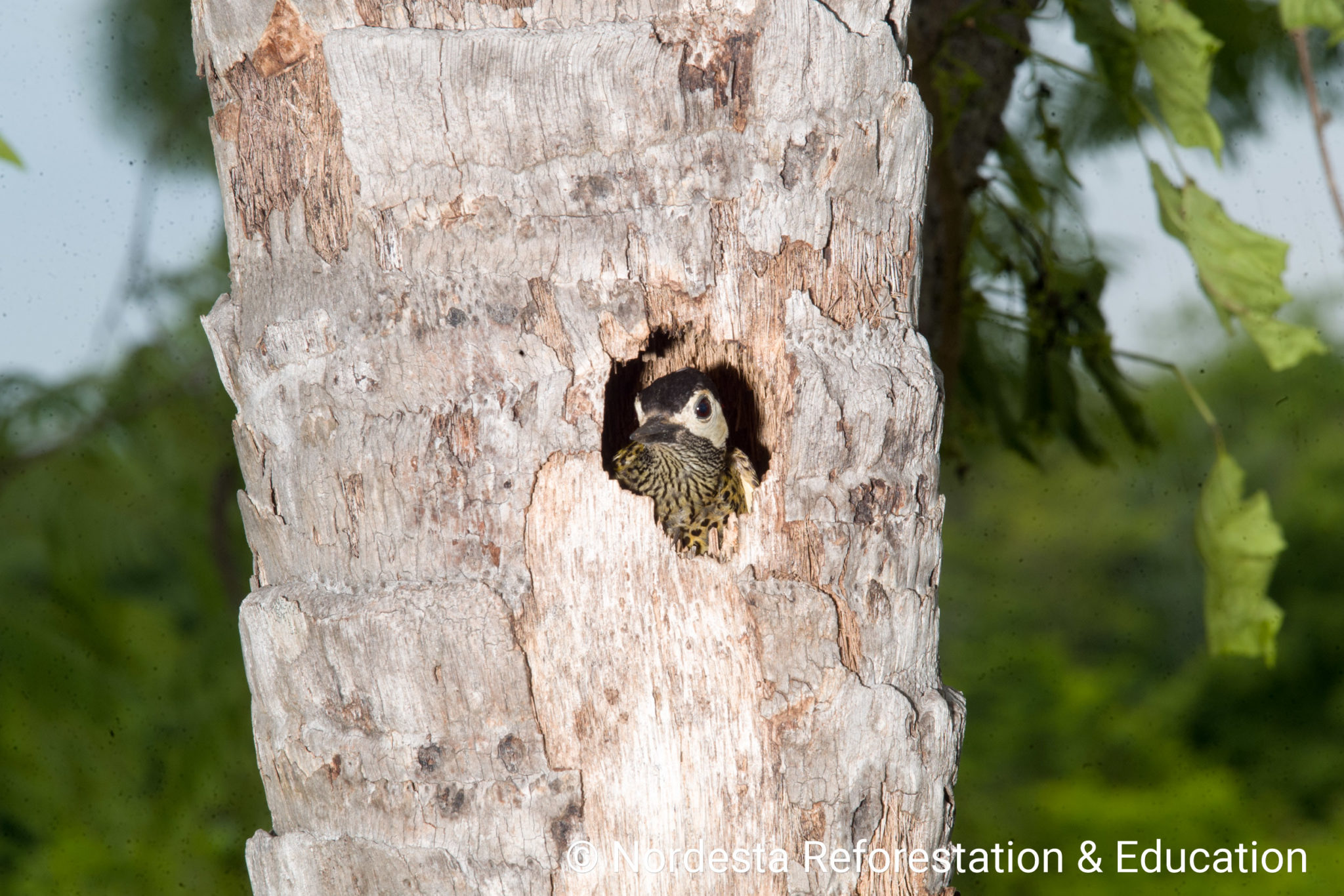
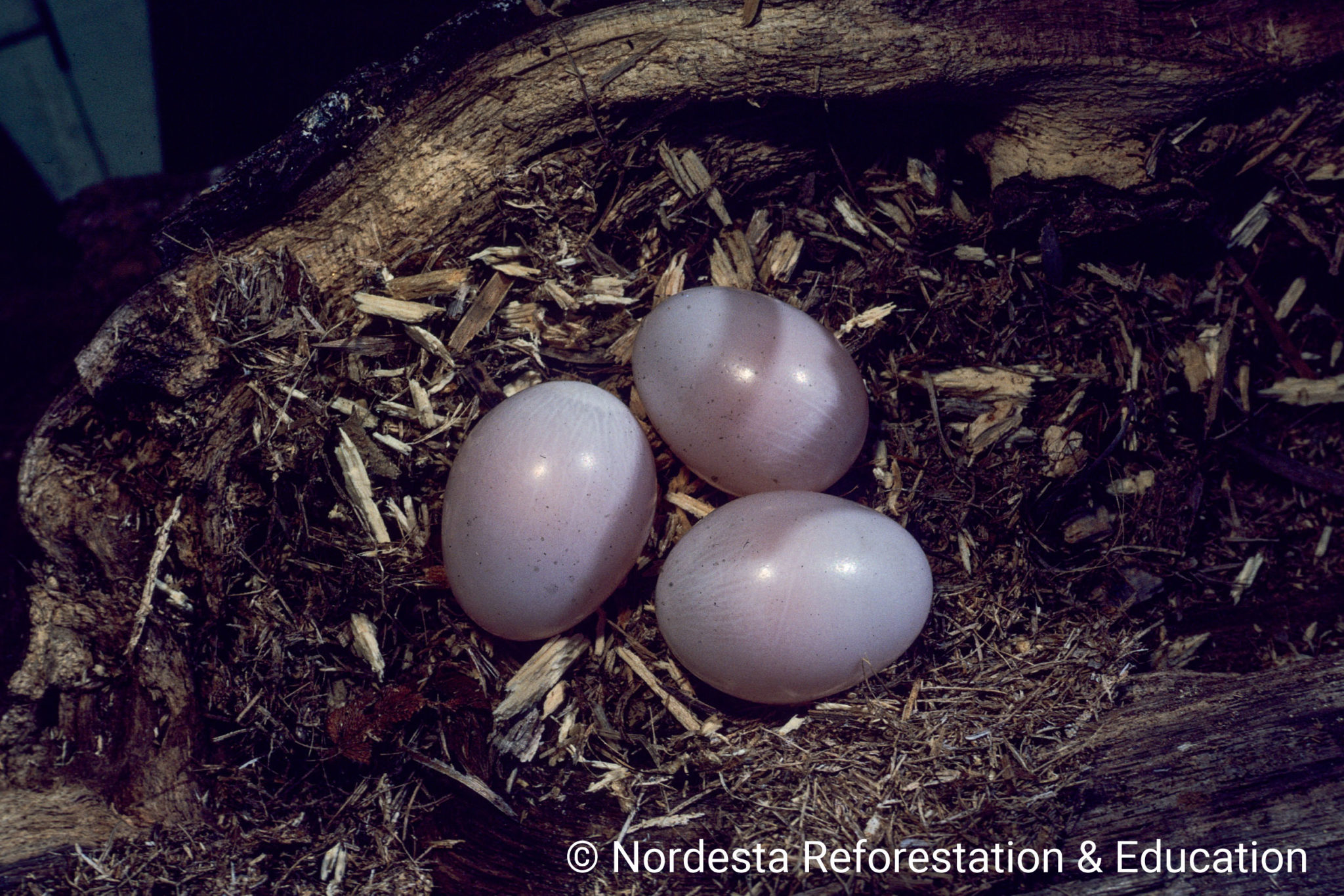
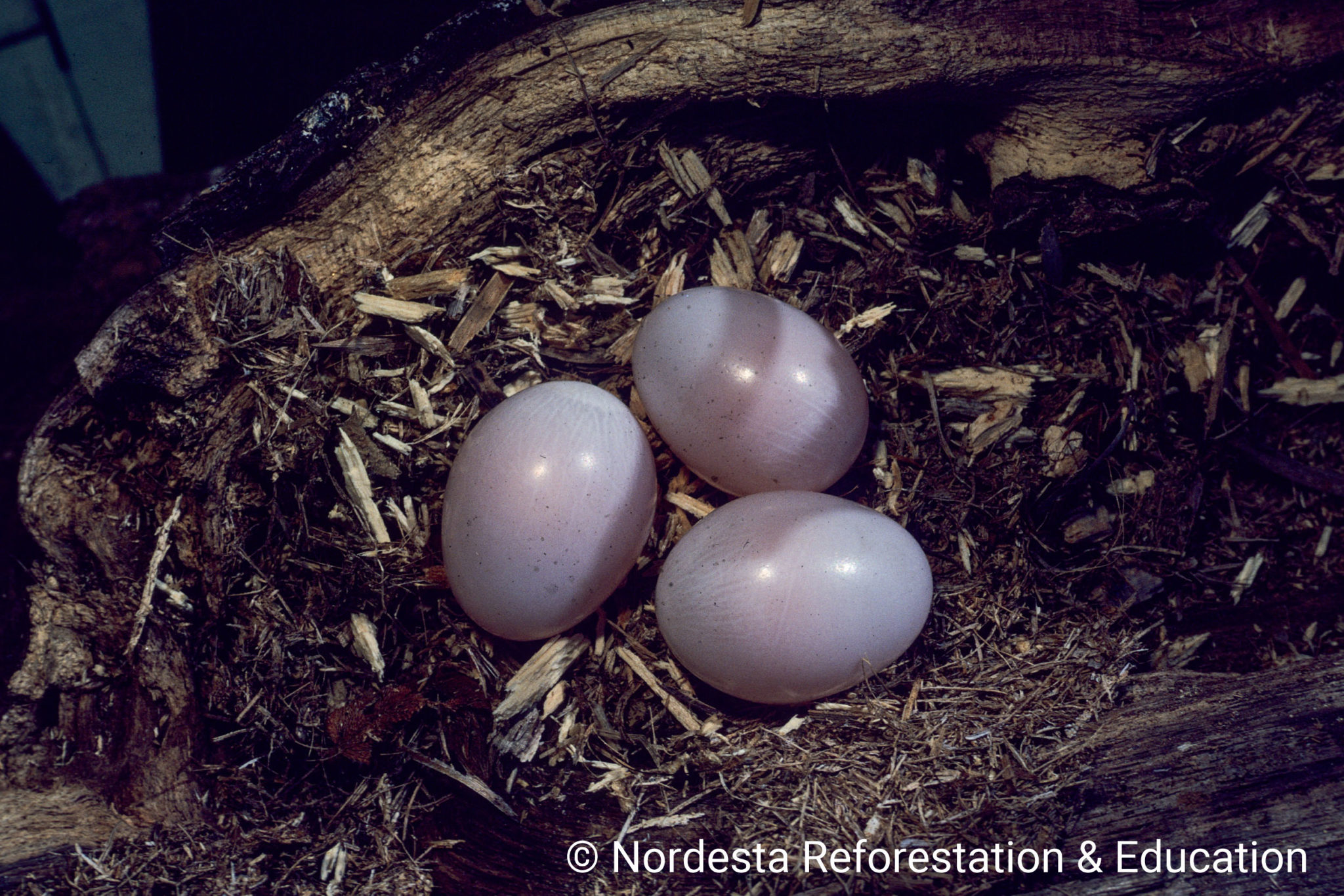
Nests are carved into tree trunks at heights ranging from 1.5 to 8 meters in Brazil and 0.7 to 4.3 meters in Argentina. Both parents participate in nest building, incubation, and feeding. Nest openings range from 7 to 9.5 cm in diameter, and the depth can reach up to 70 cm.