Cuculidae
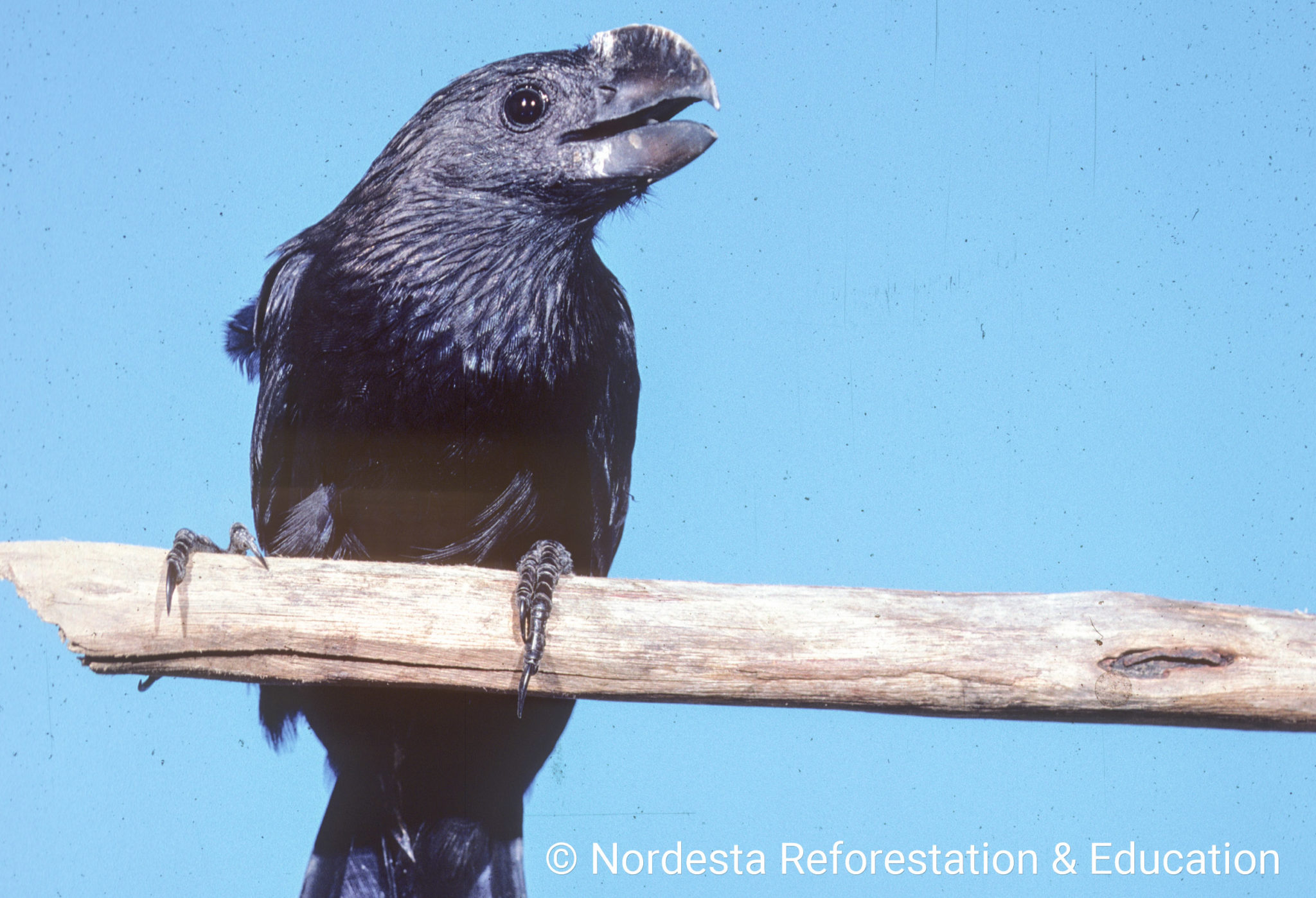
Smooth-billed ani
Crotophaga ani
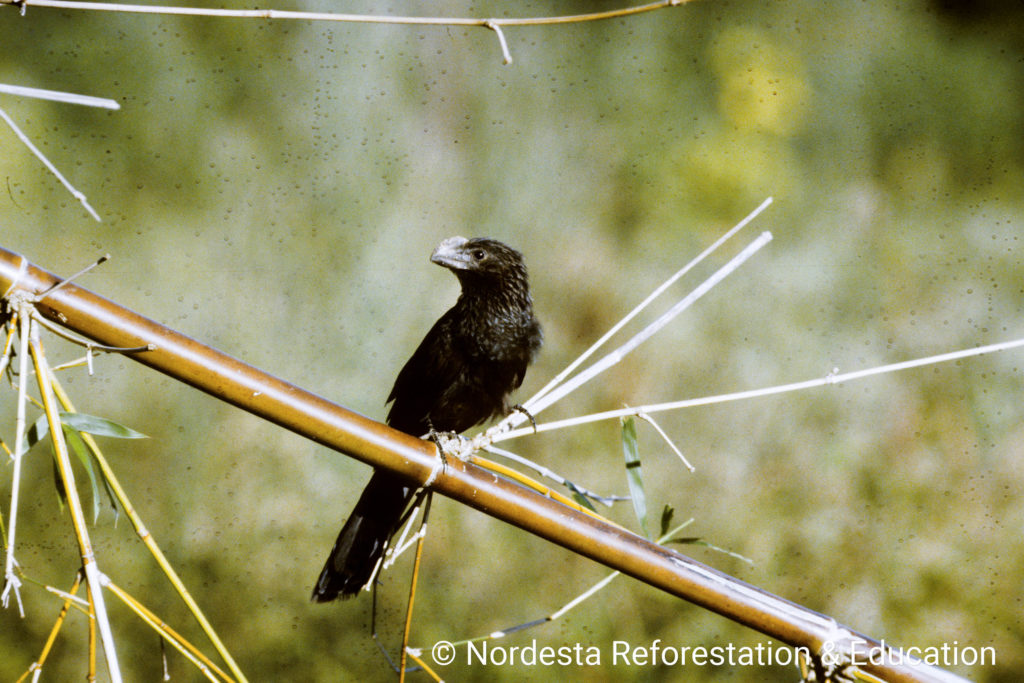
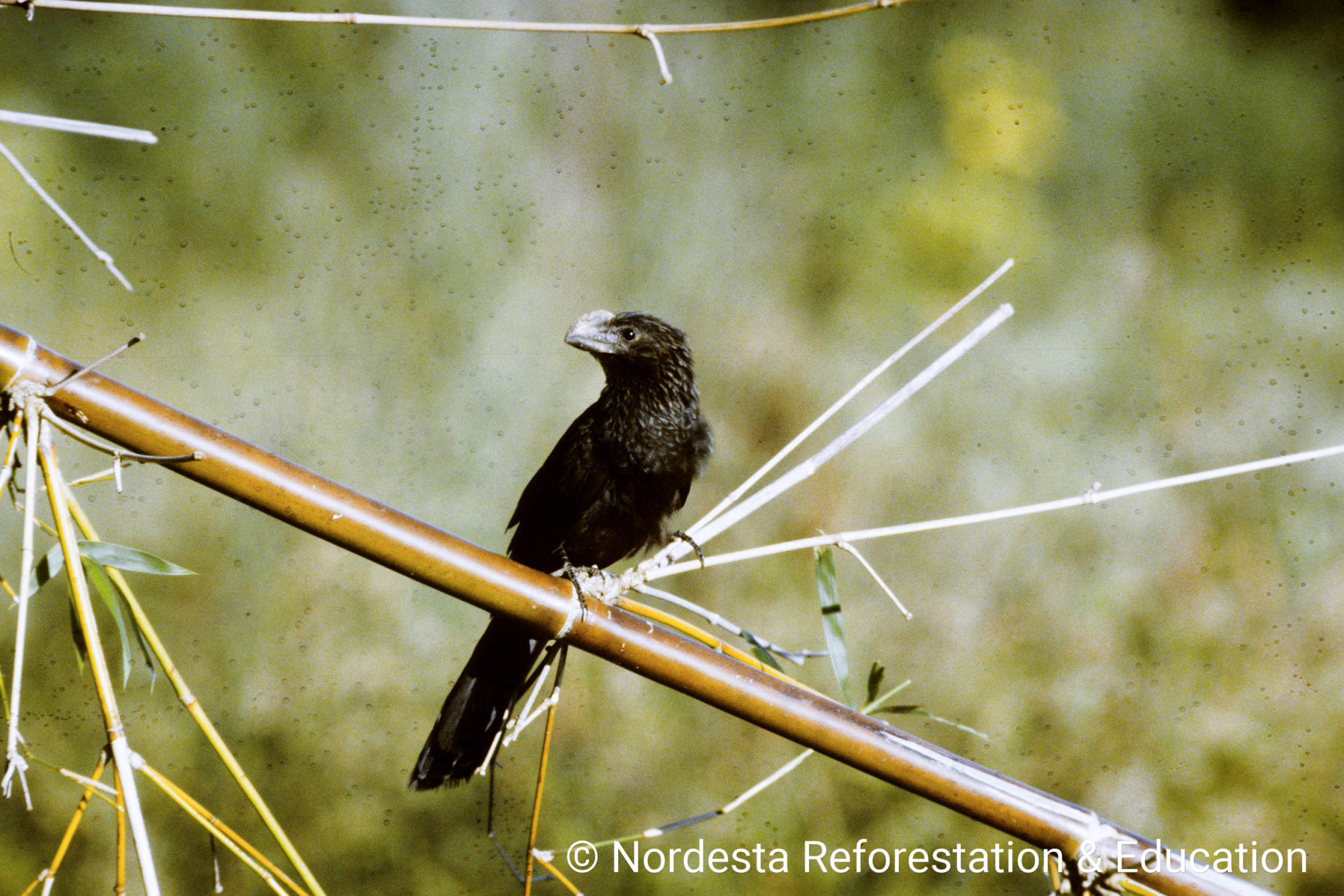
The Smooth-billed Ani, Crotophaga ani, is a common bird found across a wide range, from the southeastern United States and Mexico down to northern Argentina, including all regions of Brazil. This species thrives in open and semi-open landscapes and has adapted well to human-altered environments.
General behavior
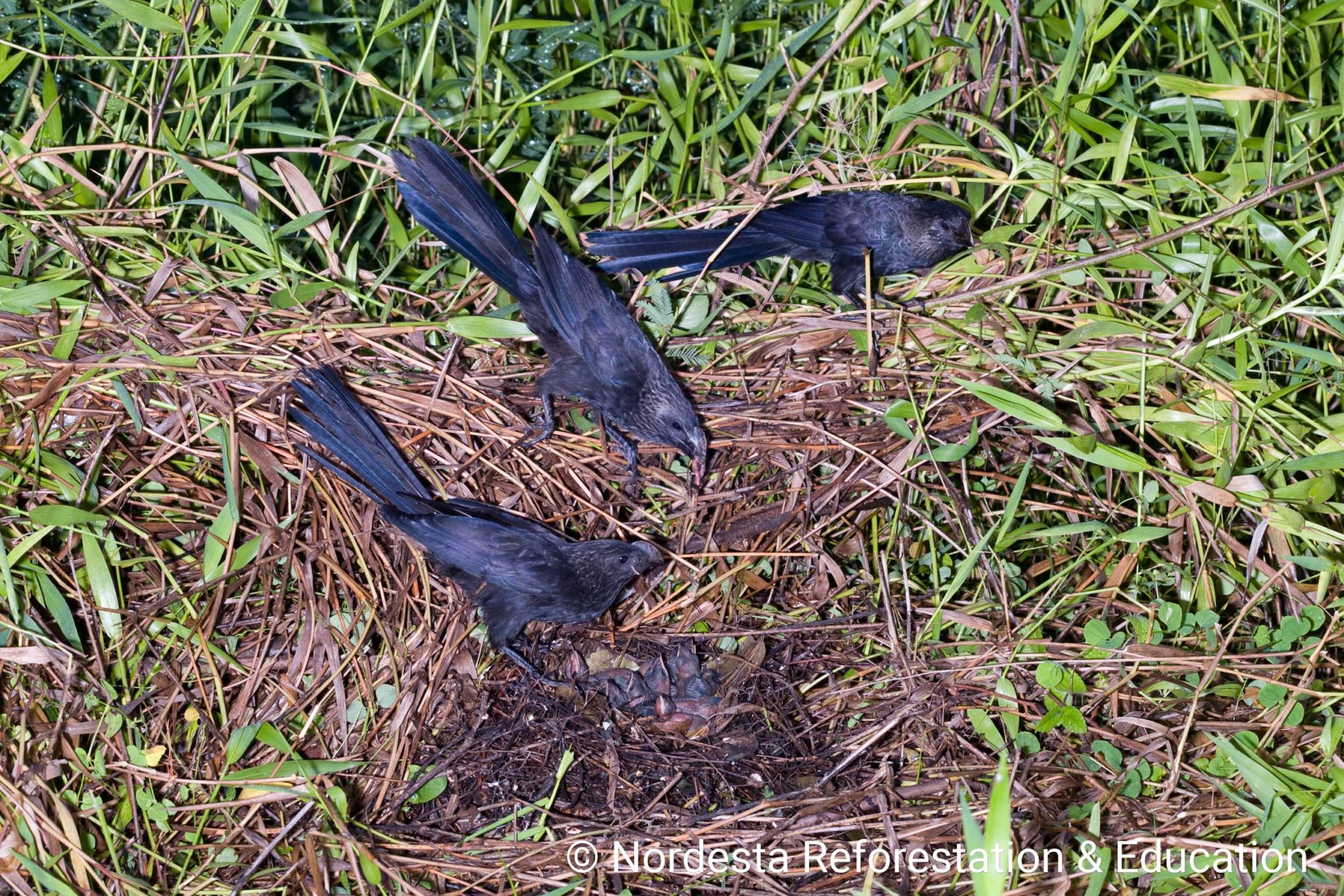
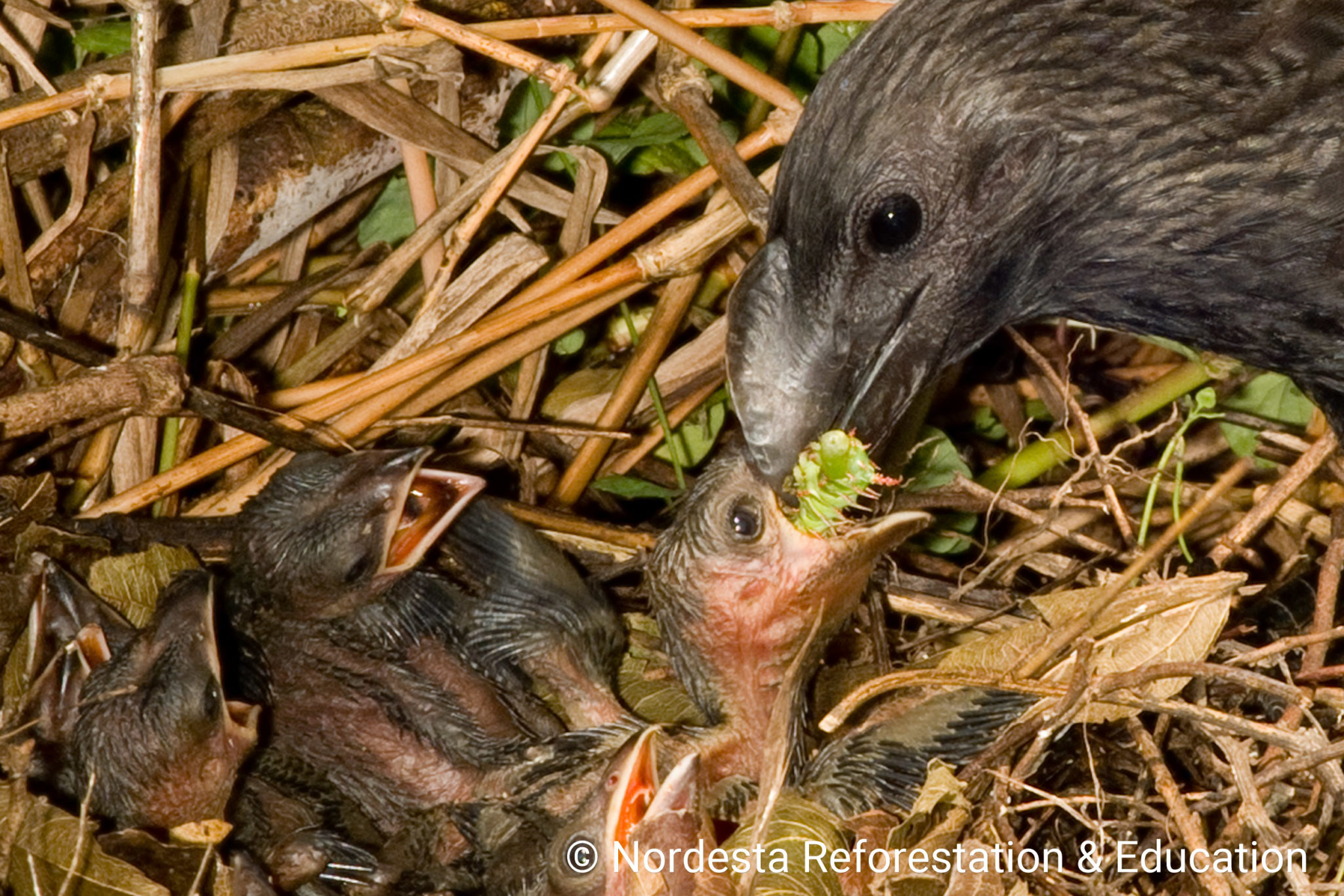
Smooth-billed Anis are very social birds that live in groups of about 3 to 10 individuals. They are noisy, often calling to each other in flight or when disturbed. These birds feed primarily on insects and amphibians but also eat fruits during the dry season. They are often seen foraging around cattle, using the movement of the herd to flush out prey. In some cases, they have been observed preying on the eggs or chicks of other bird species. At night, the group roosts together in dense foliage, huddled for warmth. They also groom each other and remain in the same group throughout the year, often nesting communally.
Habitat
Crotophaga ani inhabits various landscapes including secondary forests, open fields, pastures, wetlands, and even urban areas. In Brazil, they are found in every state and are especially common in open areas with scattered trees, marshes, and forest edges.
Nest observation sites
We observed nests in several regions of Brazil: Quebrangulo, Alagoas (45 nests), Arcos, Minas Gerais (7 nests), Altamira and Monte Gordo, Bahia (2 nests each), and Poconé, Mato Grosso (1 nest).
Breeding season
In Alagoas and northern Bahia, the species breed from March to September, during the rainy season. In Minas Gerais and Mato Grosso, it breeds from September to November, at the start of the rainy season. In other regions like Florida, Central America, and Cuba, breeding occurs during the rainy season. In Puerto Rico and Suriname, breeding may occur year-round.
The nest
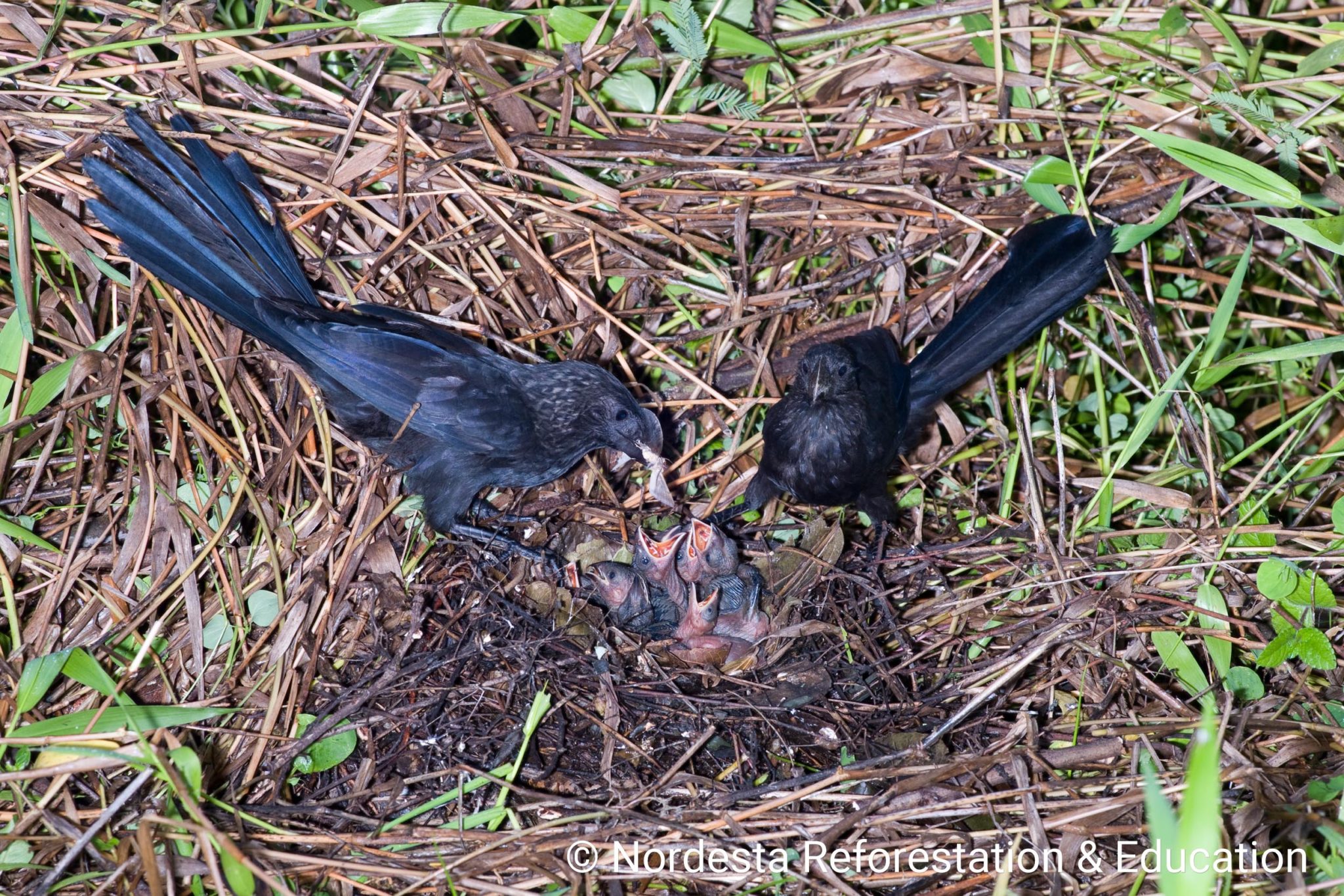
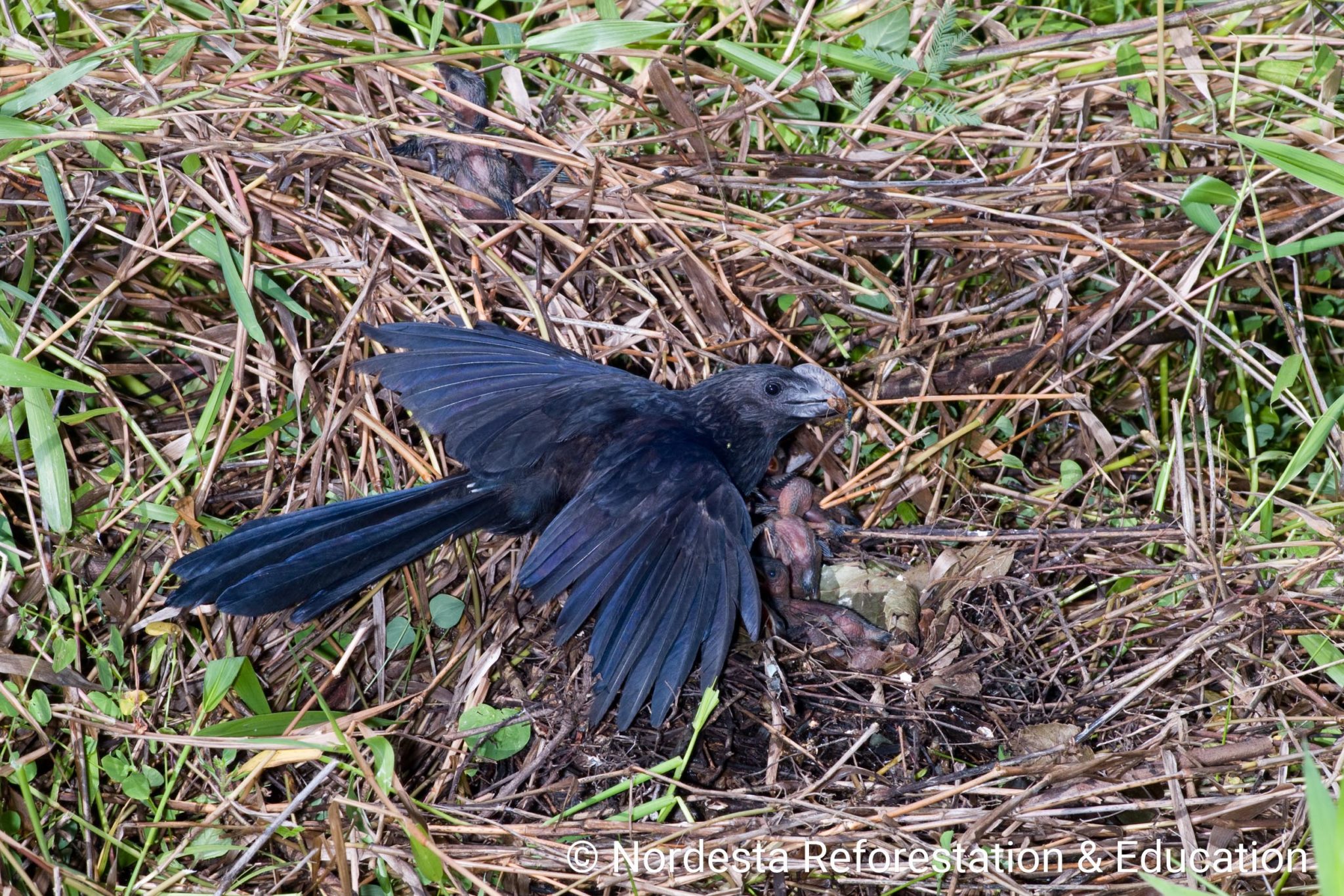
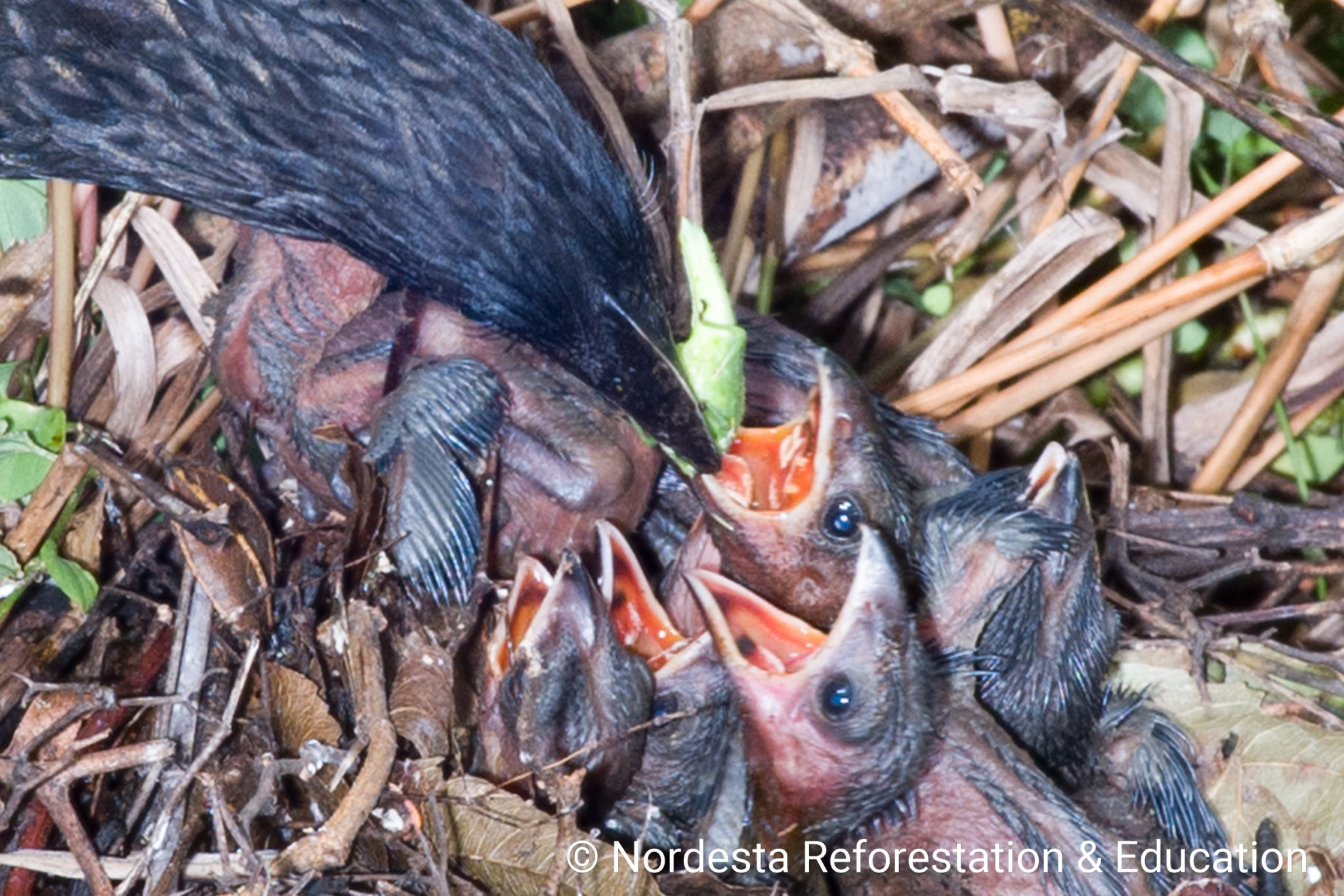
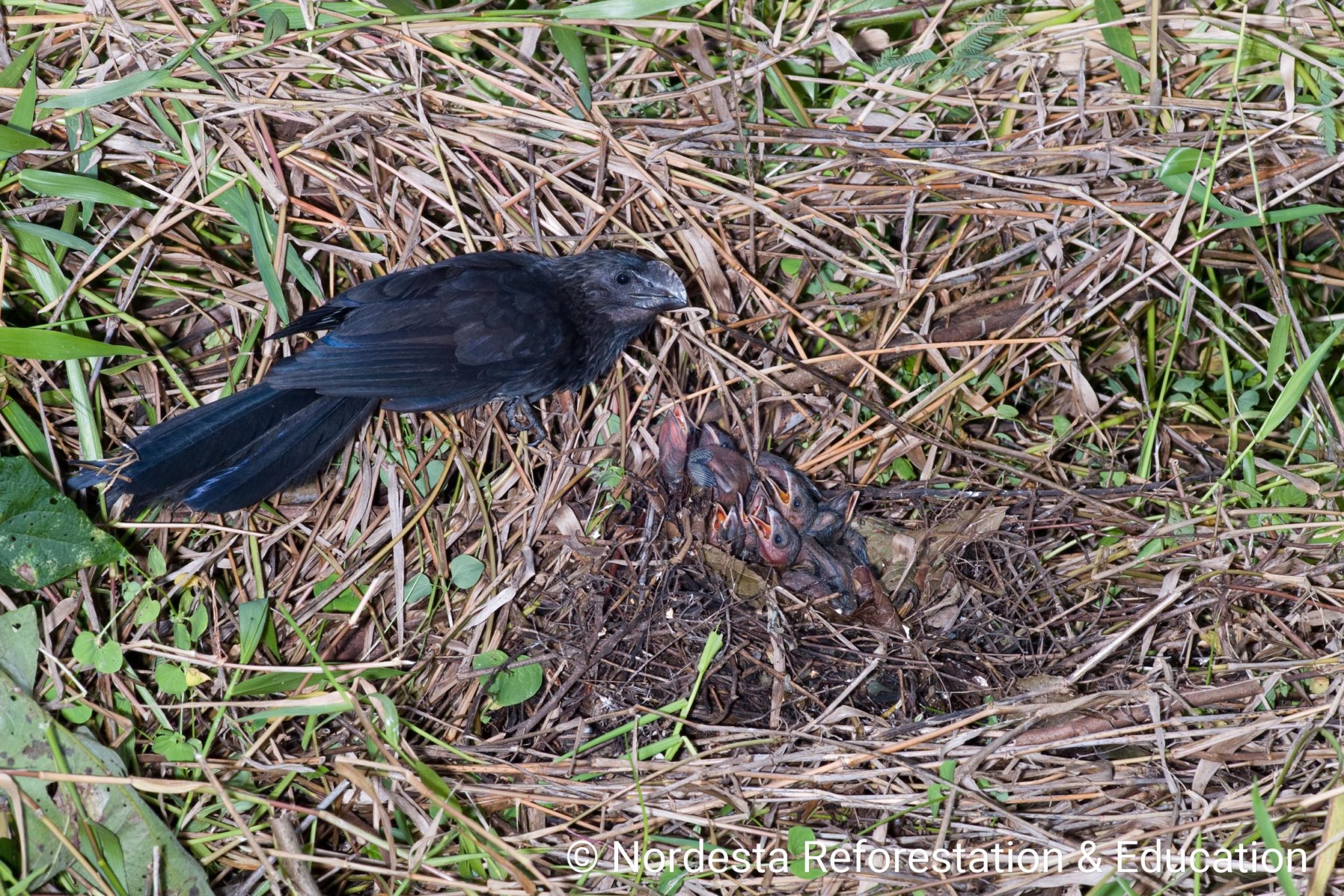
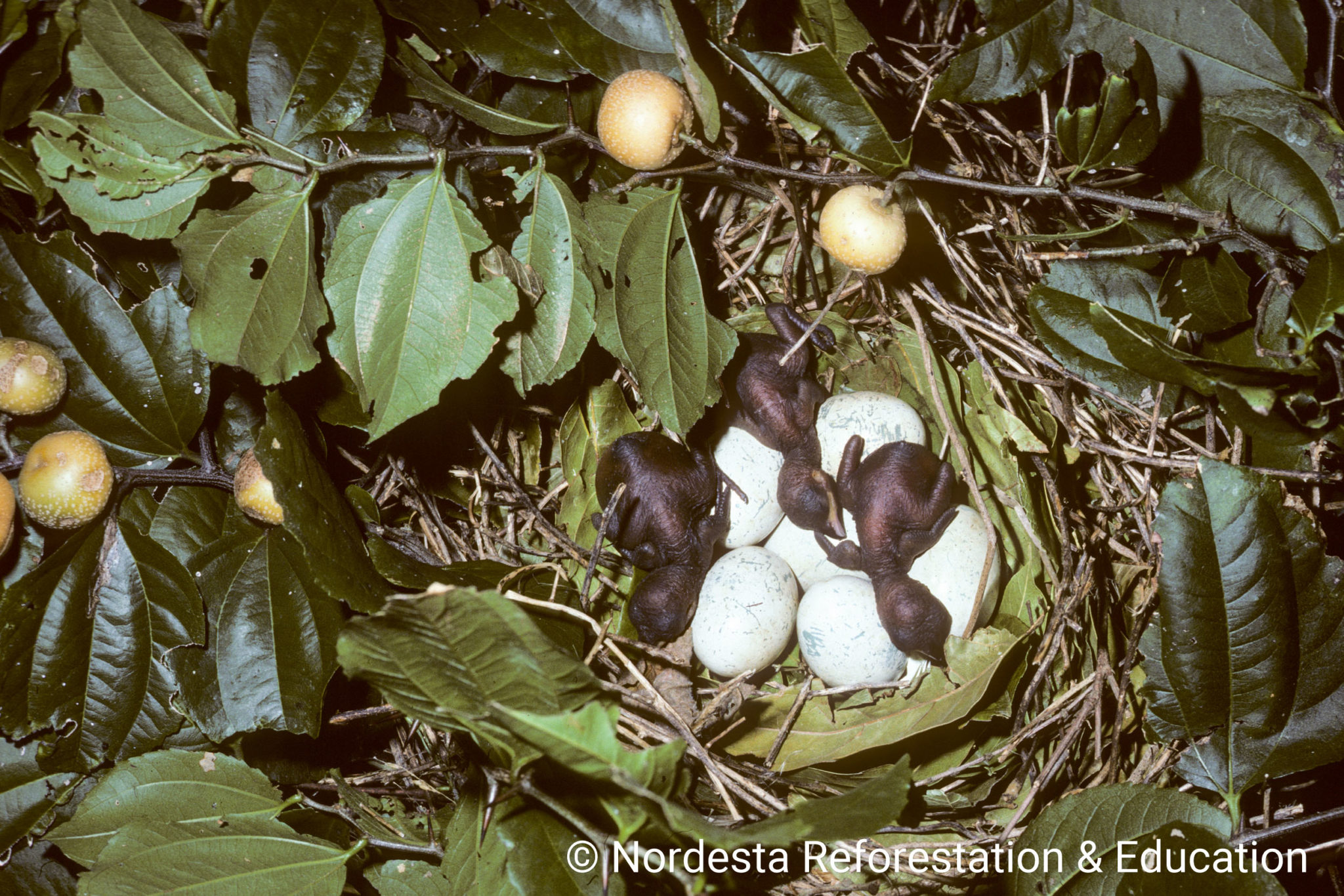
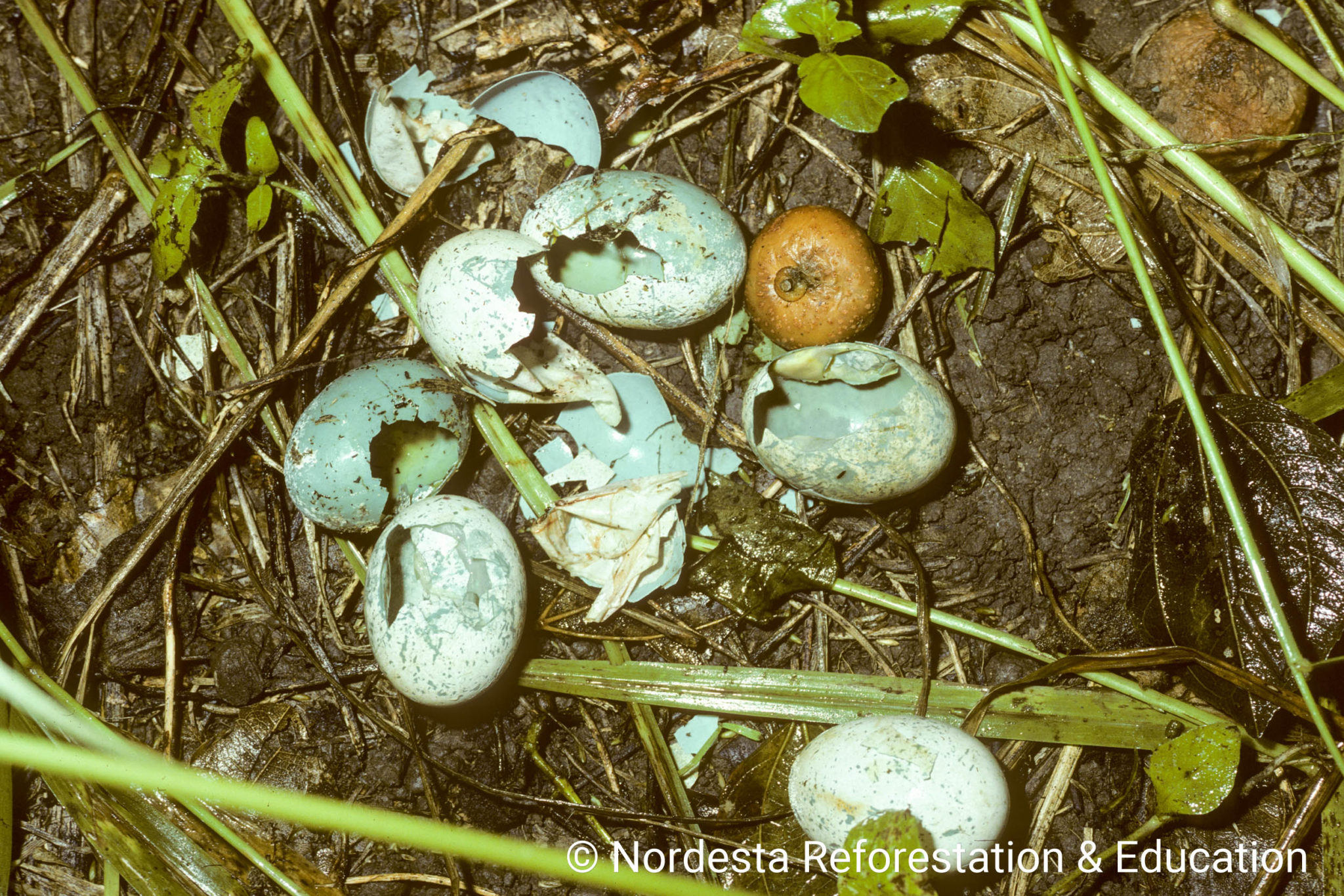
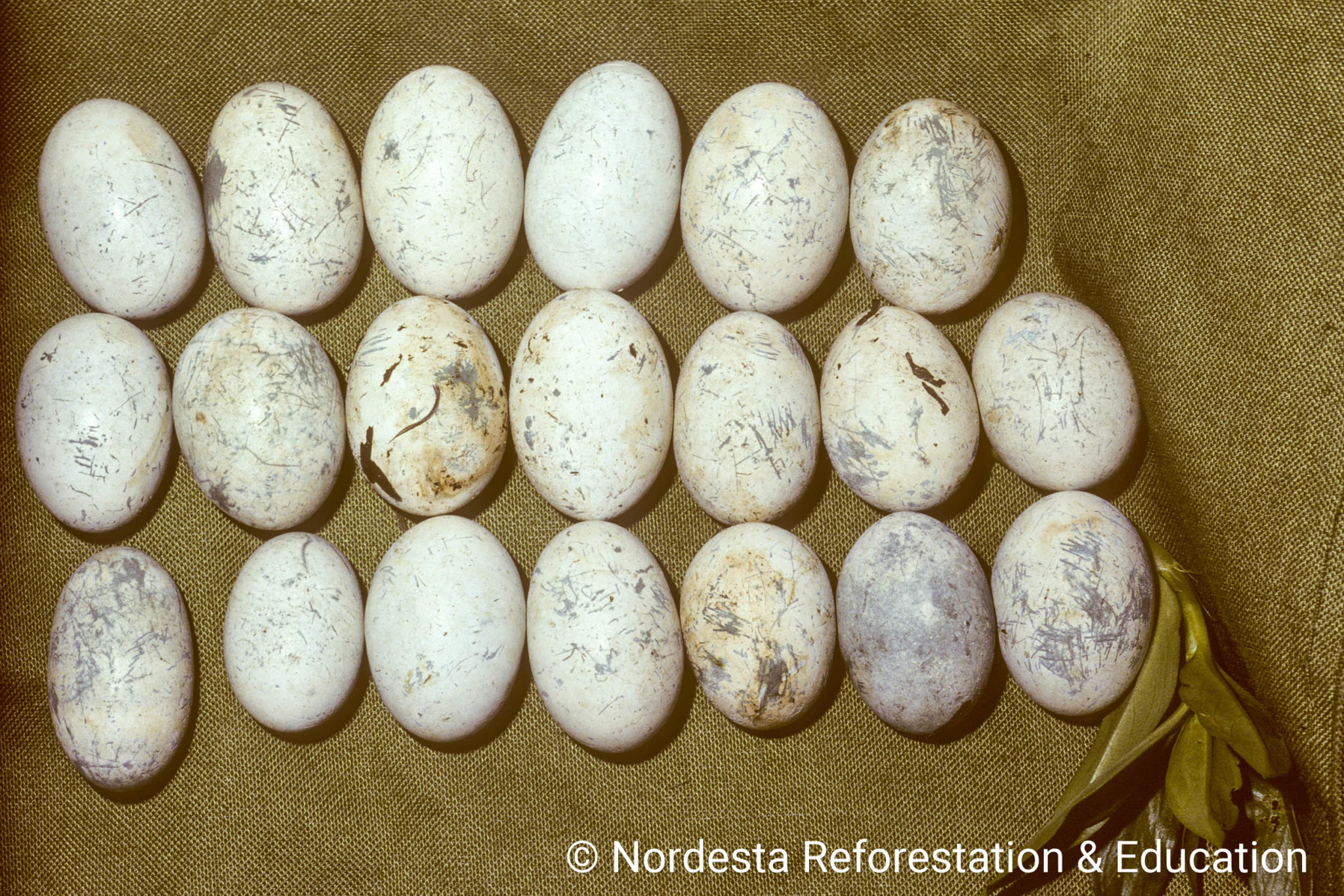
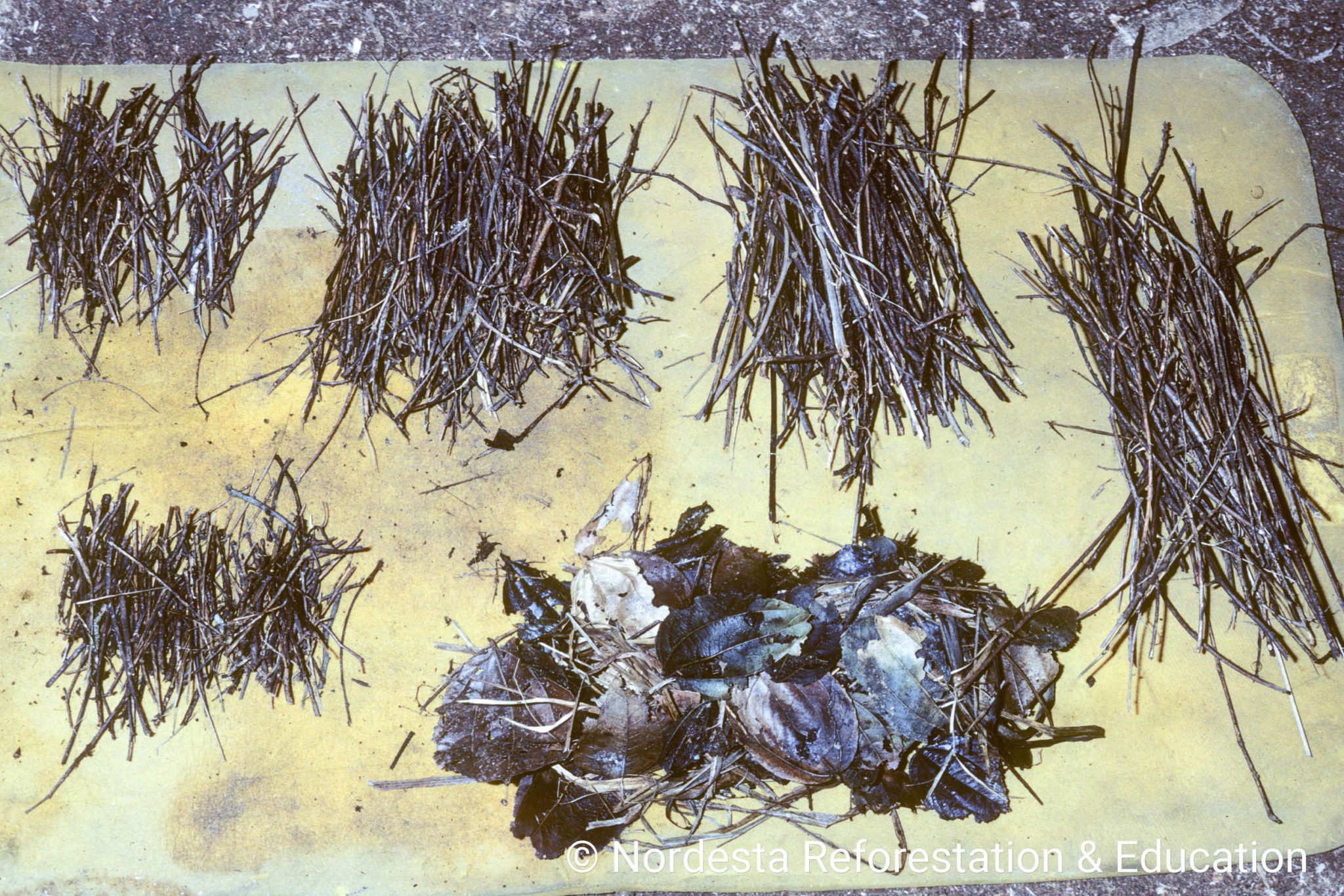
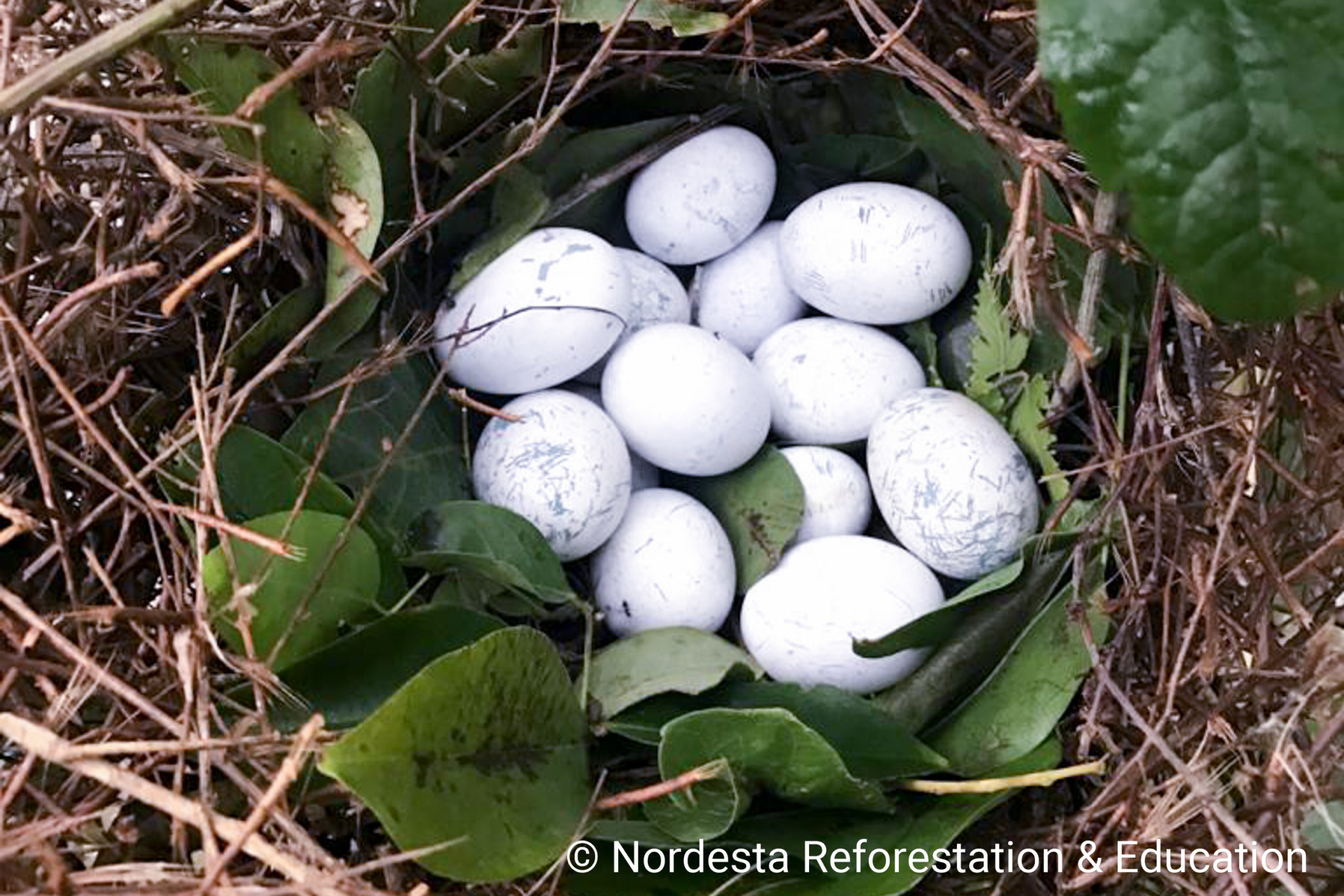
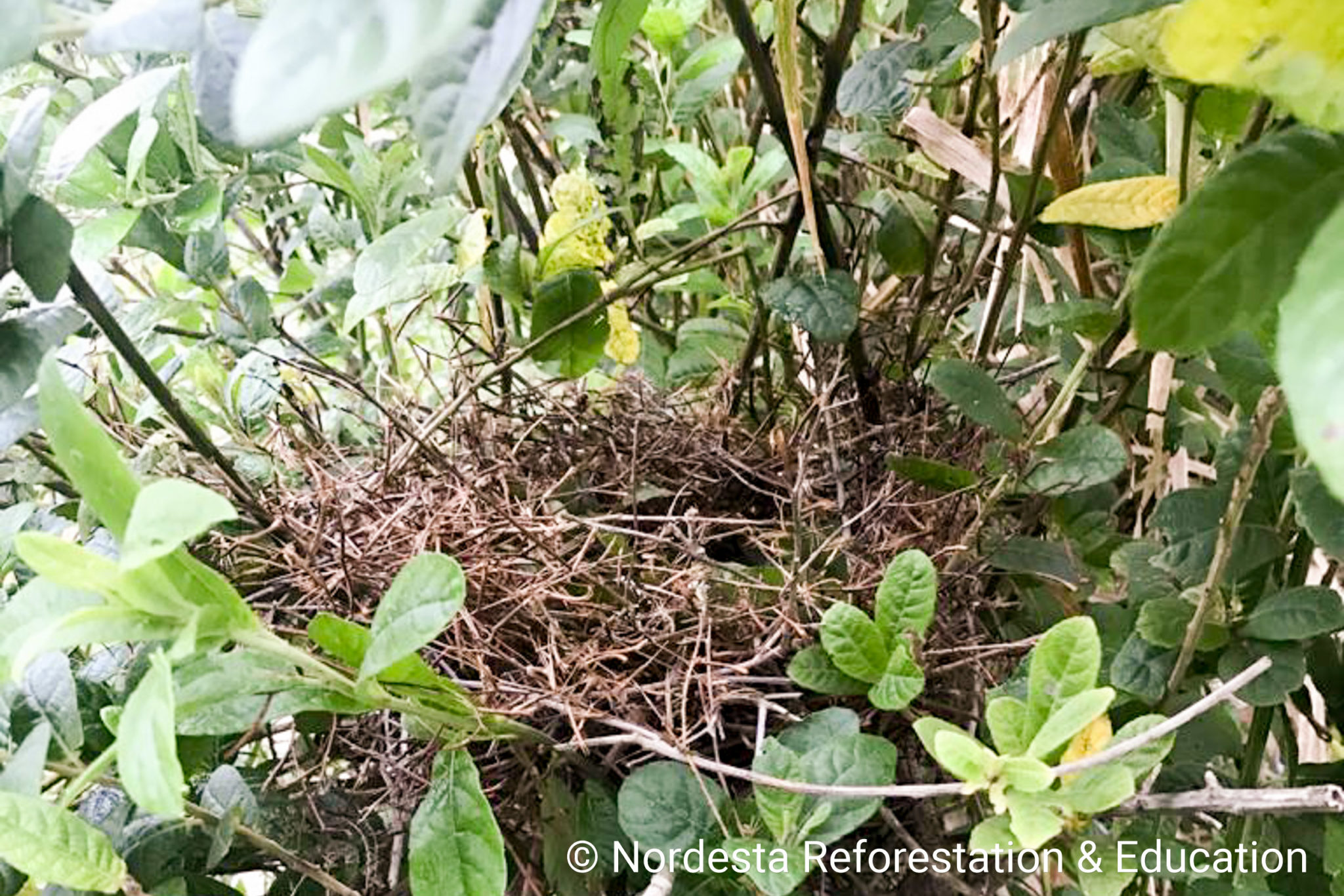
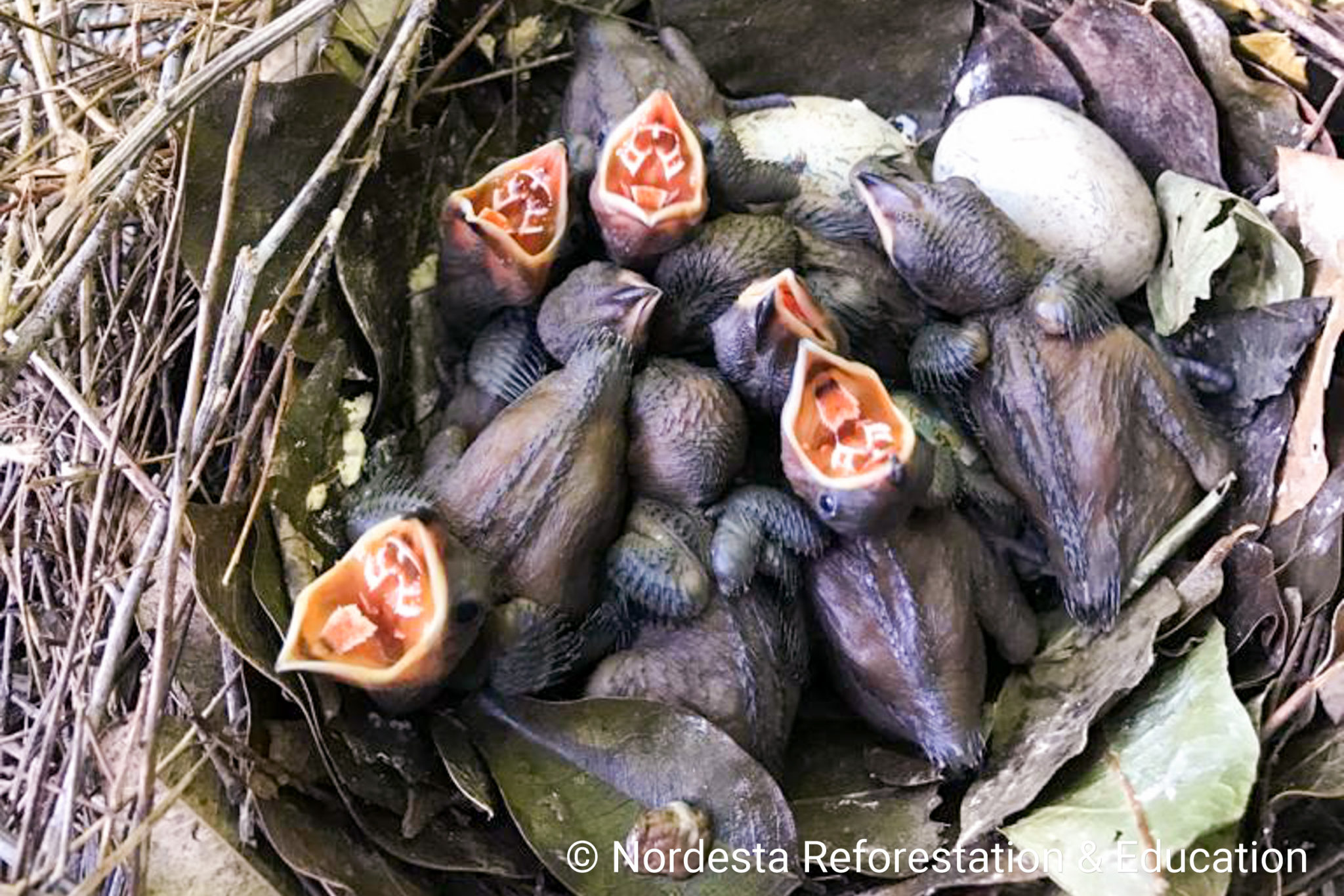
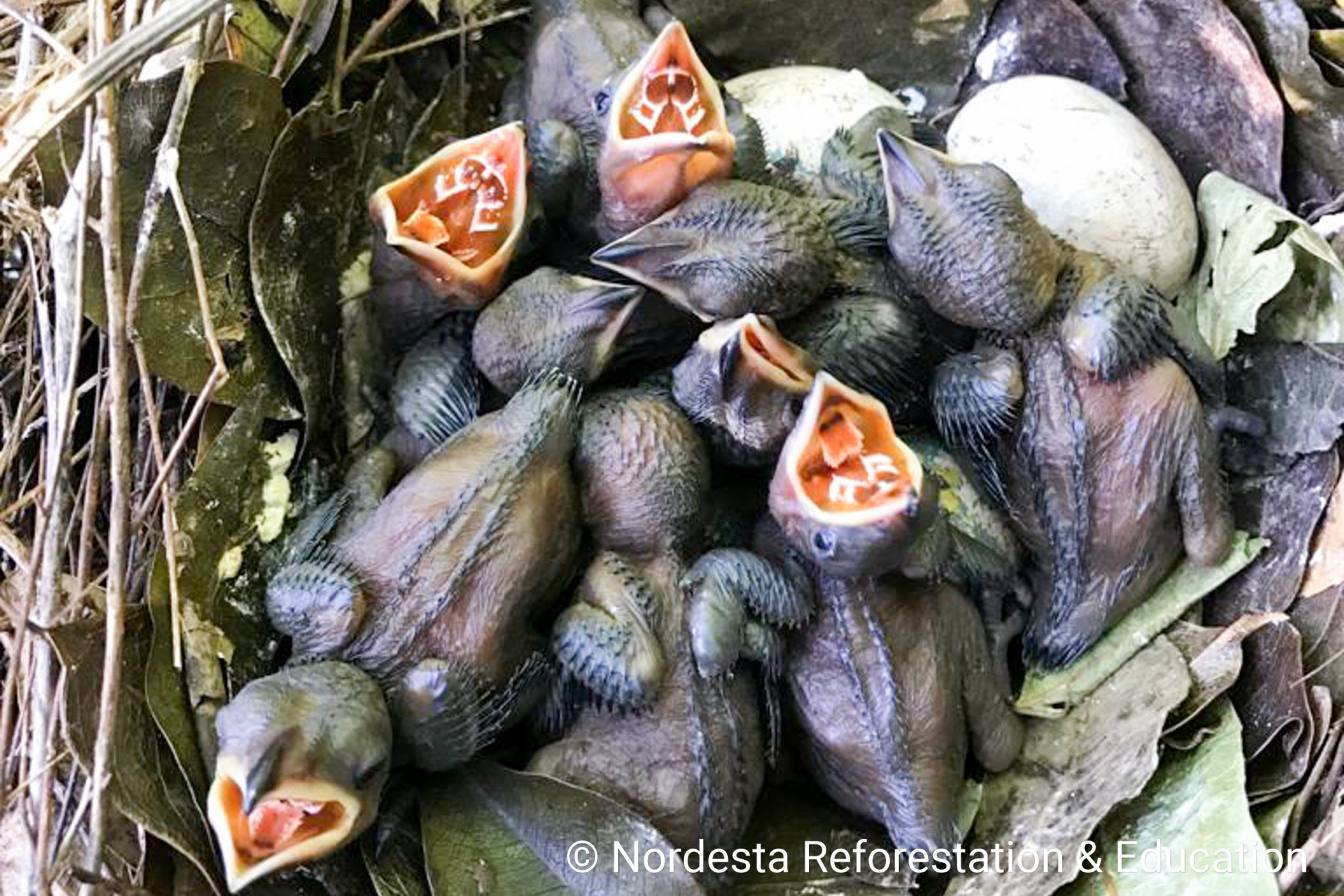
The nest is built cooperatively by breeding members of the group and is usually found in shrubs or low trees between 0.5 and 3 meters above the ground. It’s shaped like a deep, wide cup, made of smooth twigs on the outside and lined with fresh green leaves inside, which the birds regularly replace. Nests often contain a large number of eggs from multiple females.
For more information, refer to the publication: Studer, A., & Crozariol, M. A. 2023, pages 528—536, or contact the author at anita.birdaves@gmail.com
Reference:
Studer, A., & Crozariol, M. A. (2023). New breeding information on Brazilian birds. 2: Columbidae and Cuculidae. Bulletin of the British Ornithologists’ Club, 143(4), 485-553. https://doi.org/10.25226/bboc.v143i4.2023.a6.