Tyrannidae
Fuscous flycatcher
Cnemotriccus fuscatus
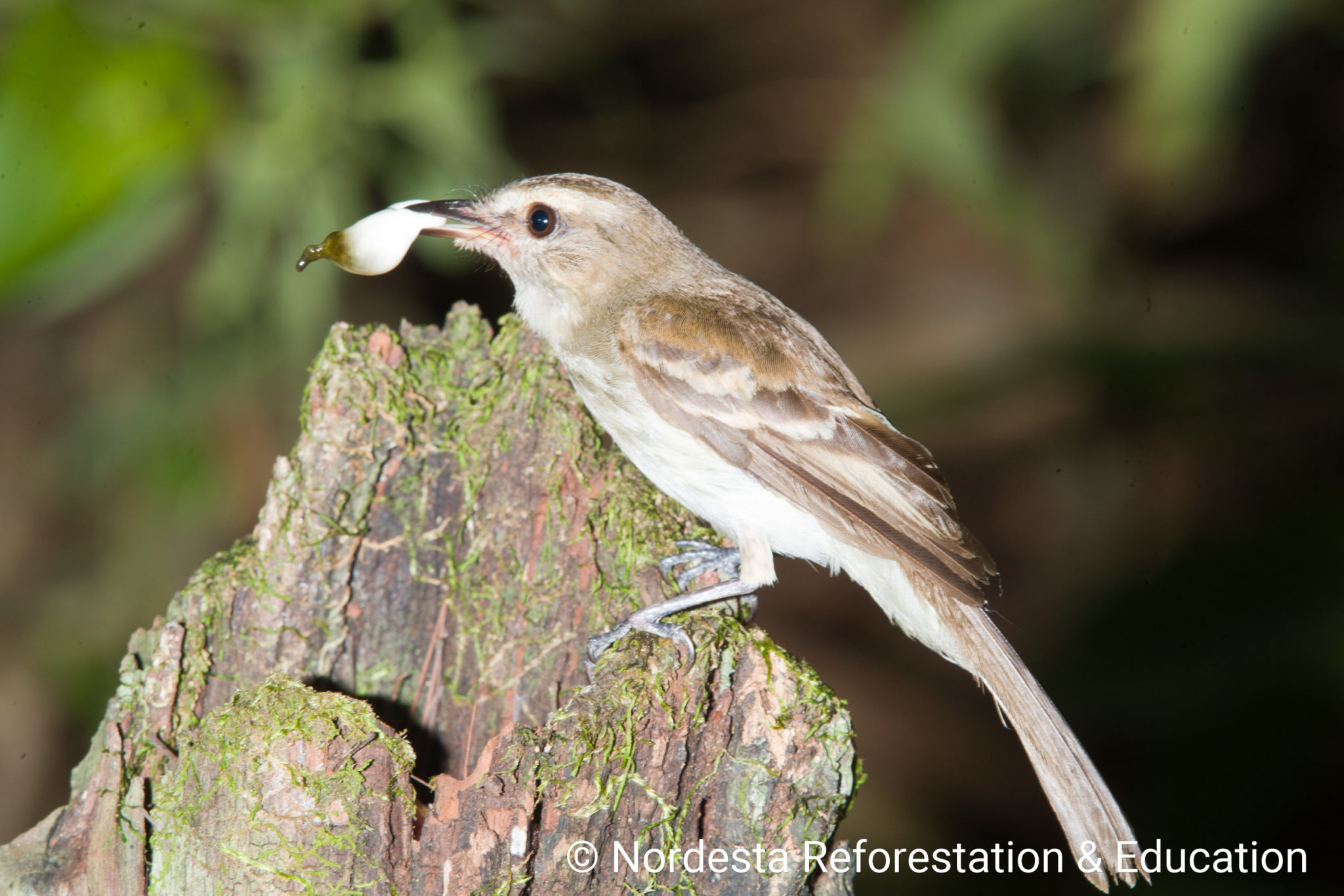
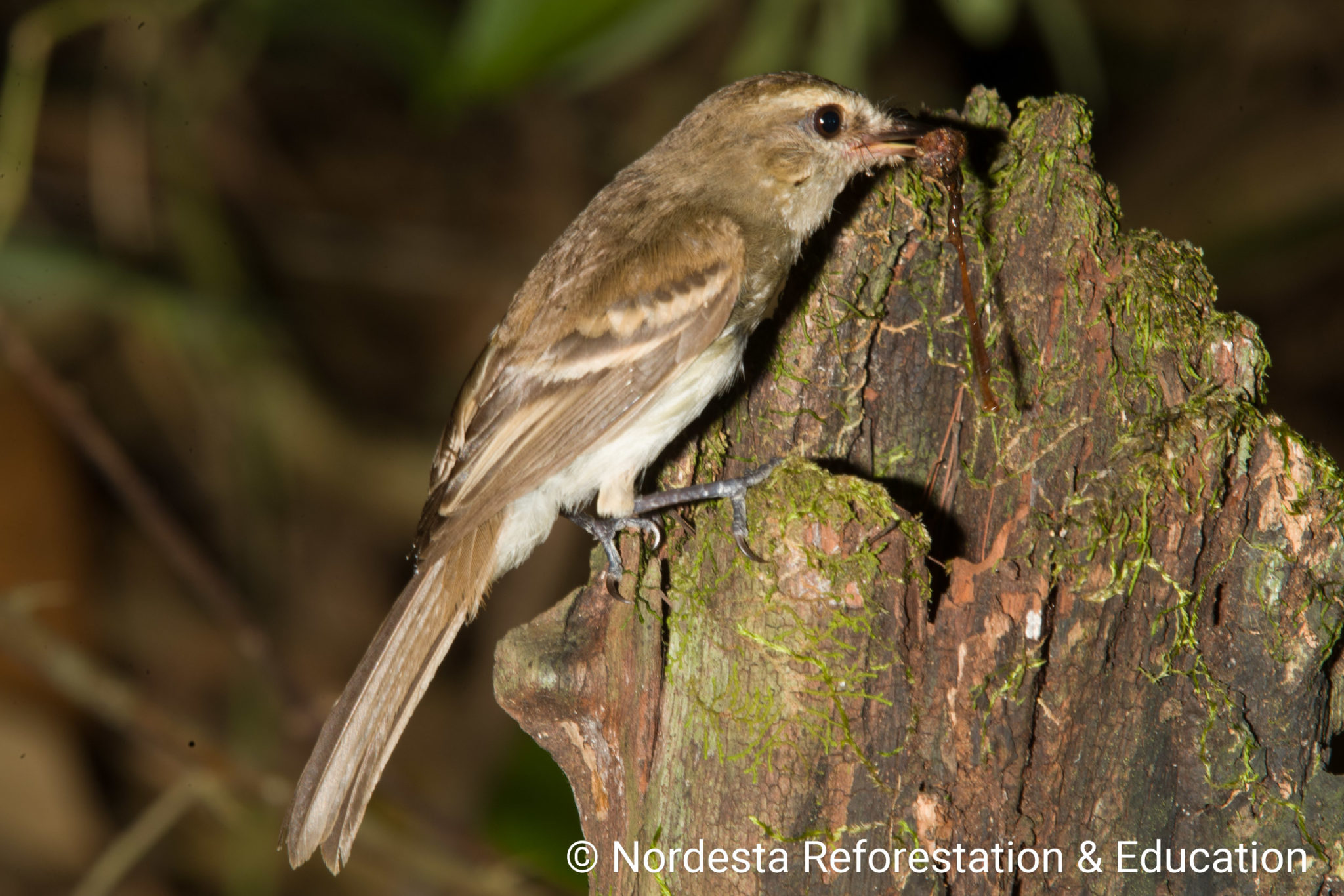
Cnemotriccus fuscatus is a small bird species known for its secretive behaviour and strong attachment to its nesting area. Both members of a pair share nesting duties, from building the nest to feeding the chicks.
General behavior
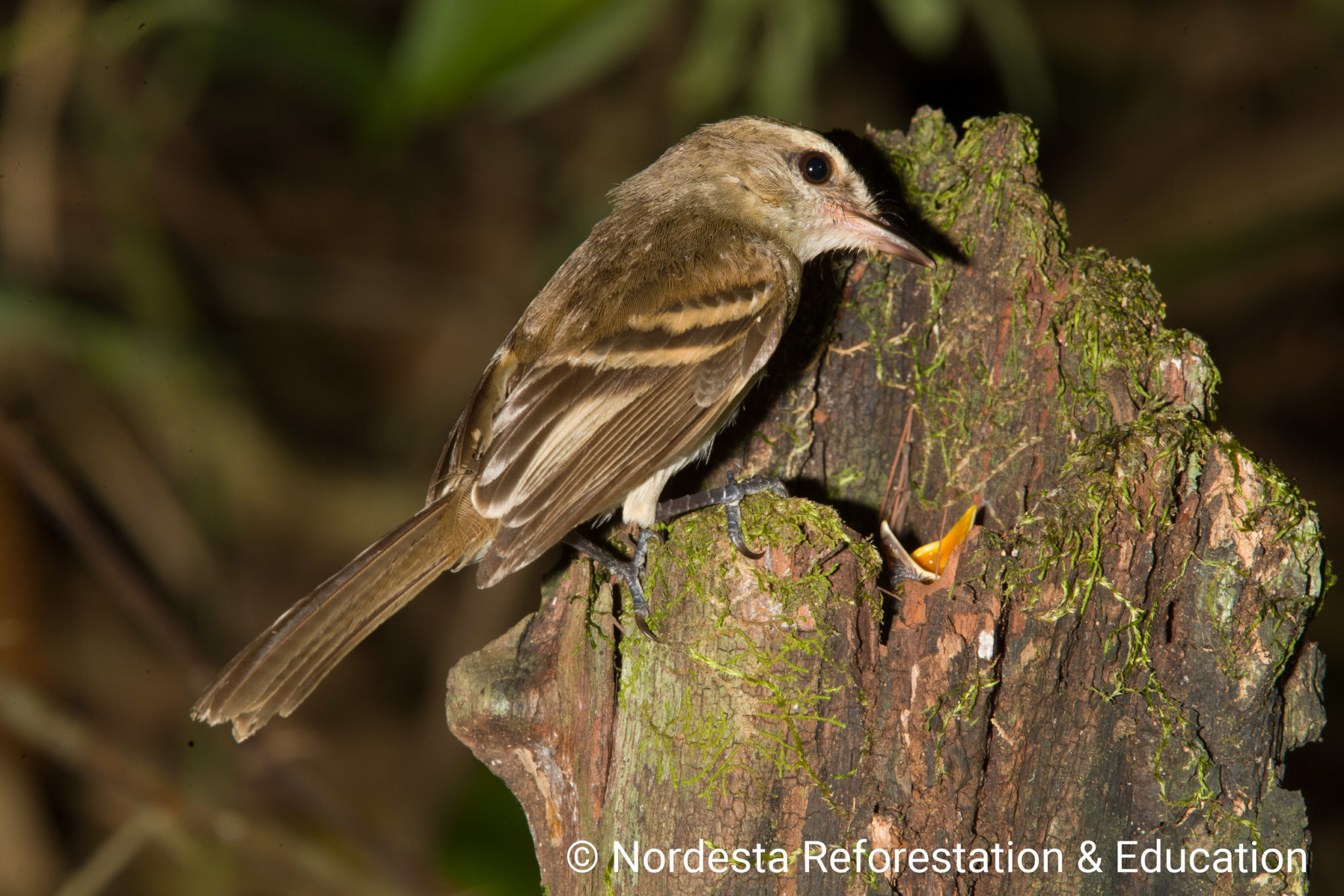
This bird is mainly insectivorous, searching for food on the ground and among low branches. It also occasionally feeds on small fruits. Its vocalisations are brief and repeated throughout the day. The species is wary—when sensing danger near its nest, it flies away and returns only when the area is clear. Studies show that its diet includes various small insects like ants, beetles, spiders, and termites, with some variation depending on the habitat. Both parents feed the chicks, often arriving together and sharing the food. They also help keep the nest clean by removing waste.
Habitat
Cnemotriccus fuscatus inhabits forests and secondary vegetation areas (capoeiras), where it can nest in discreet, hidden locations.
Nest observation sites
We found nests in Arcos, Minas Gerais (19 nests) Poconé, Mato Grosso (2 nests) and Quebrangulo, Alagoas (1 nest).
Breeding season
Breeding was observed from October to November in all three locations.
The nest
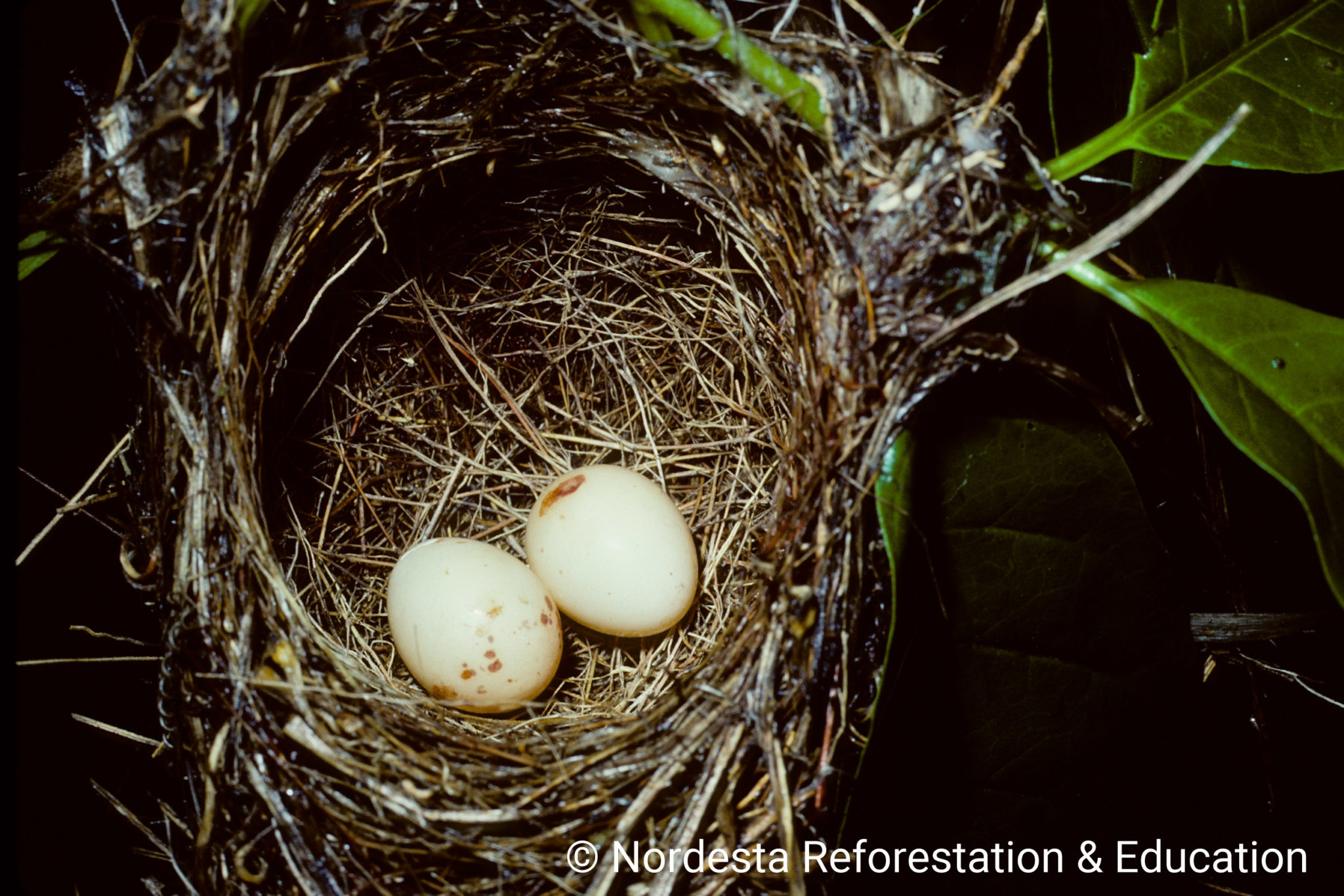
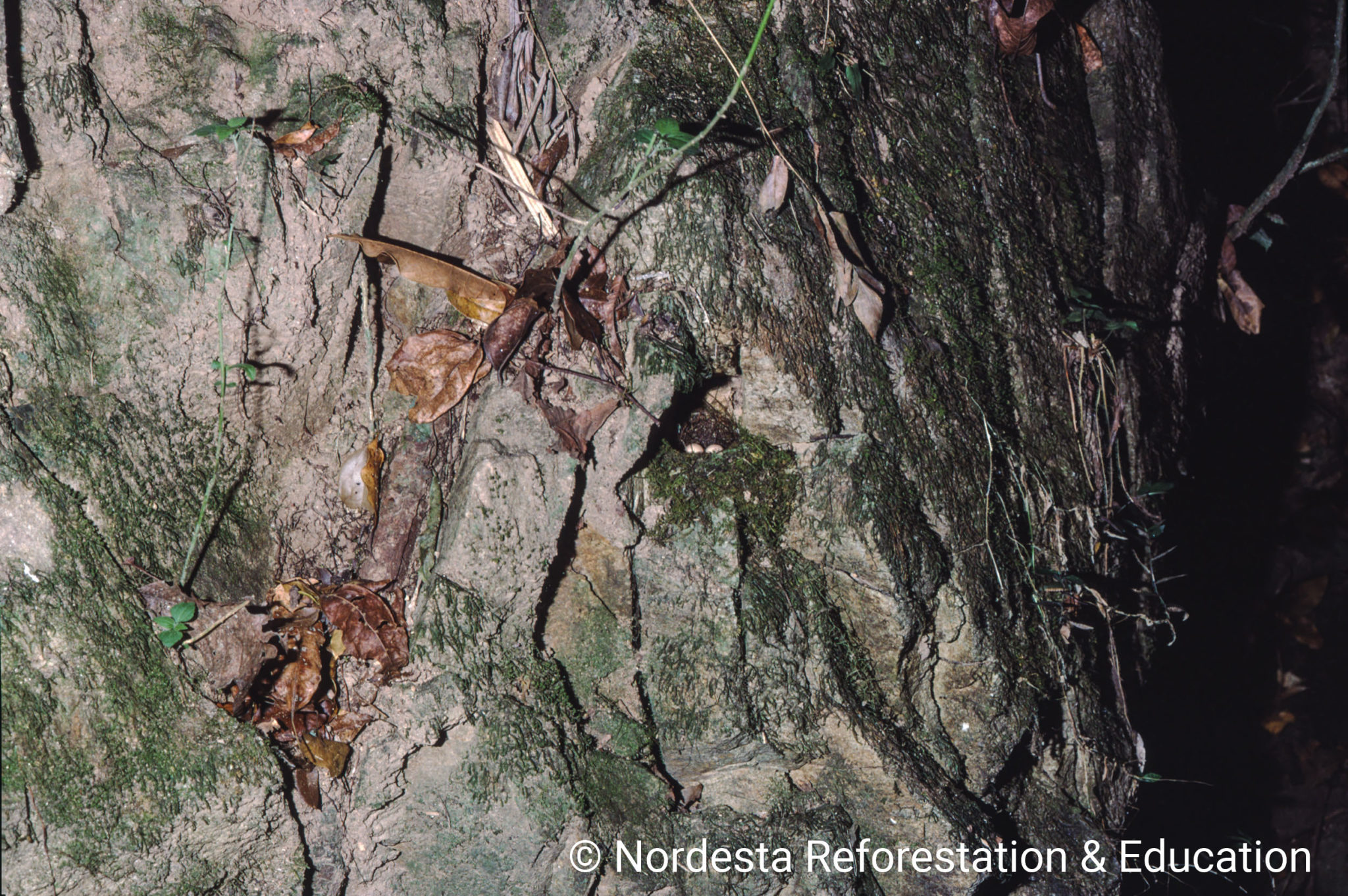
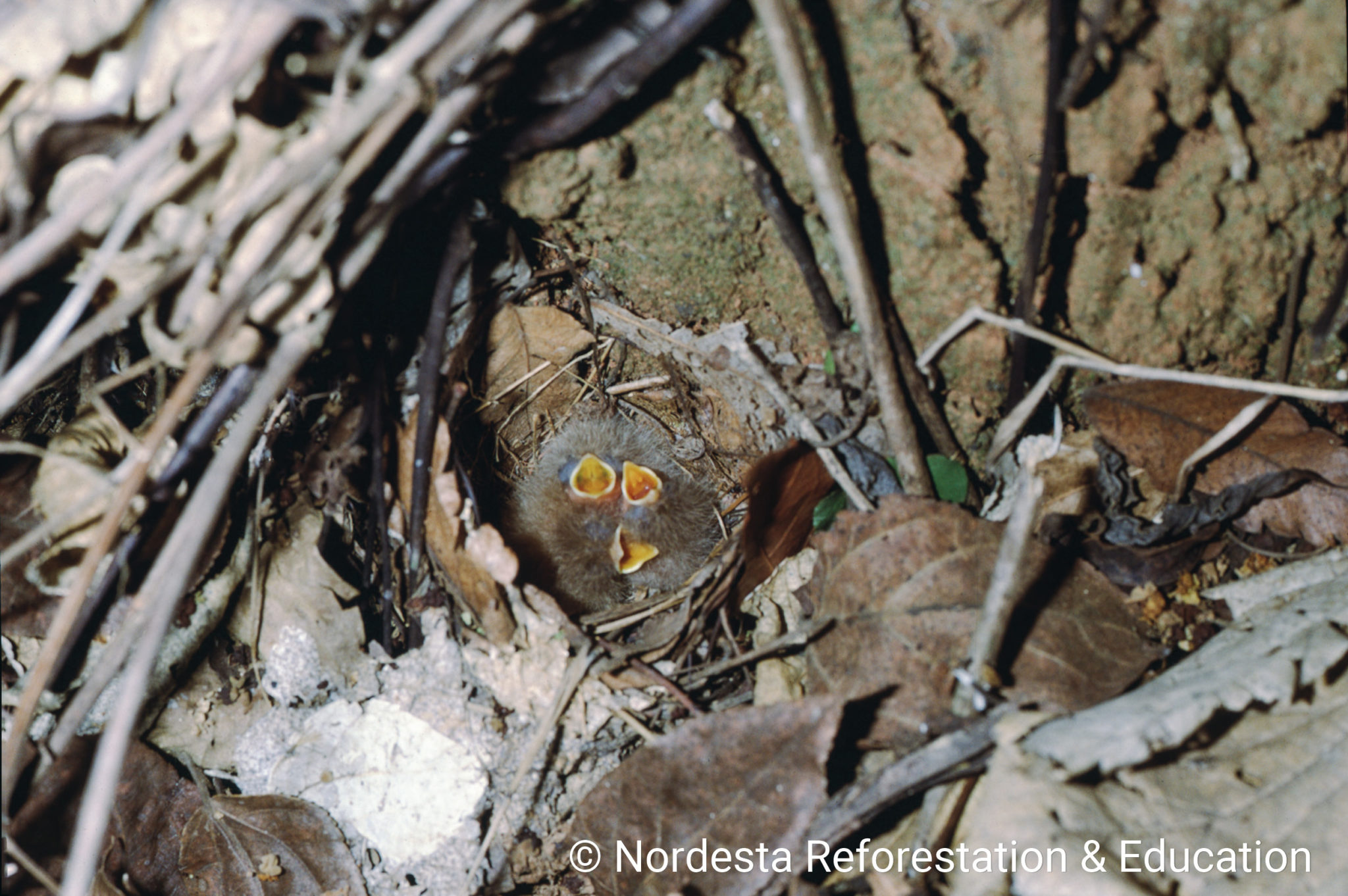
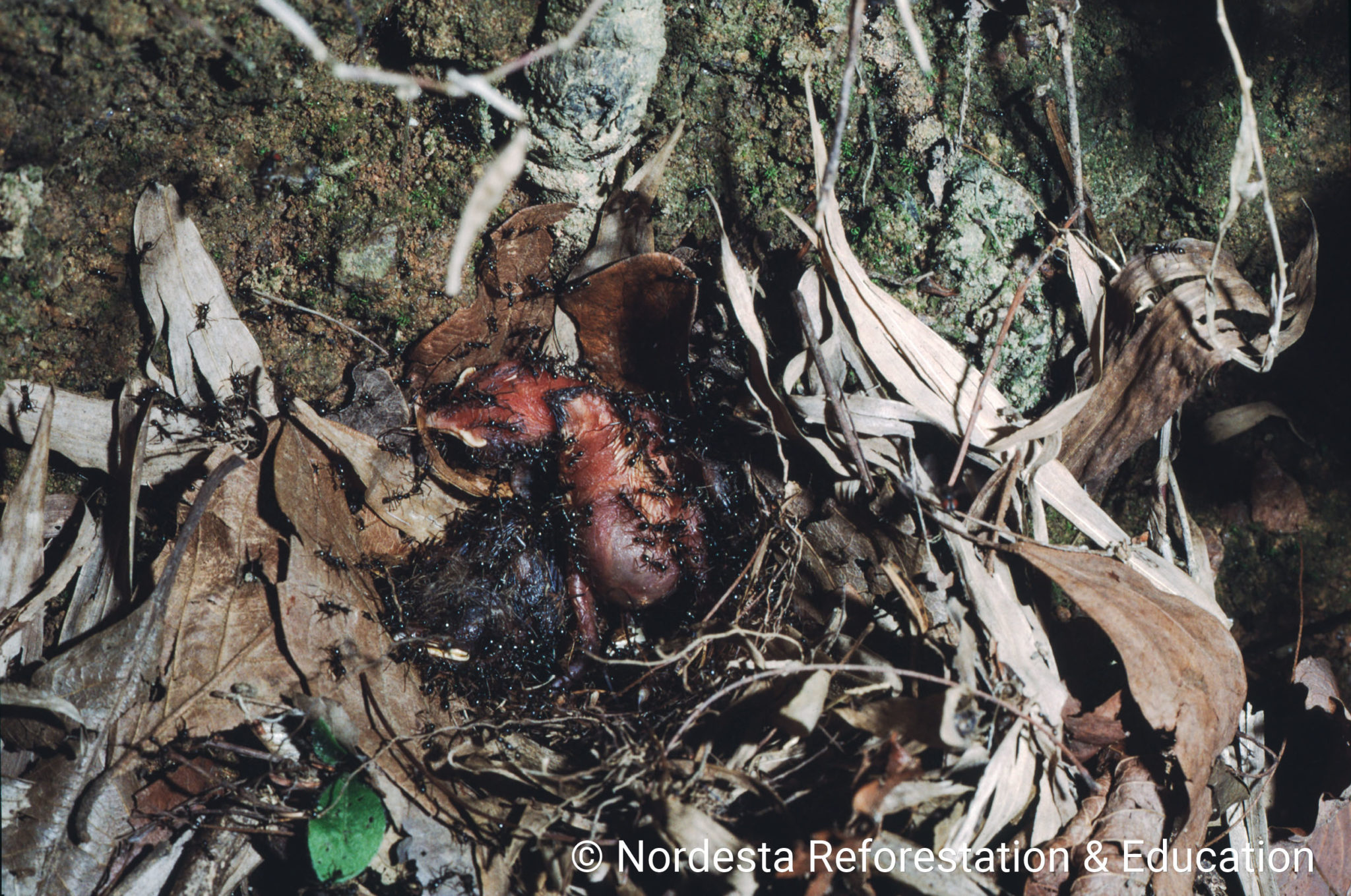
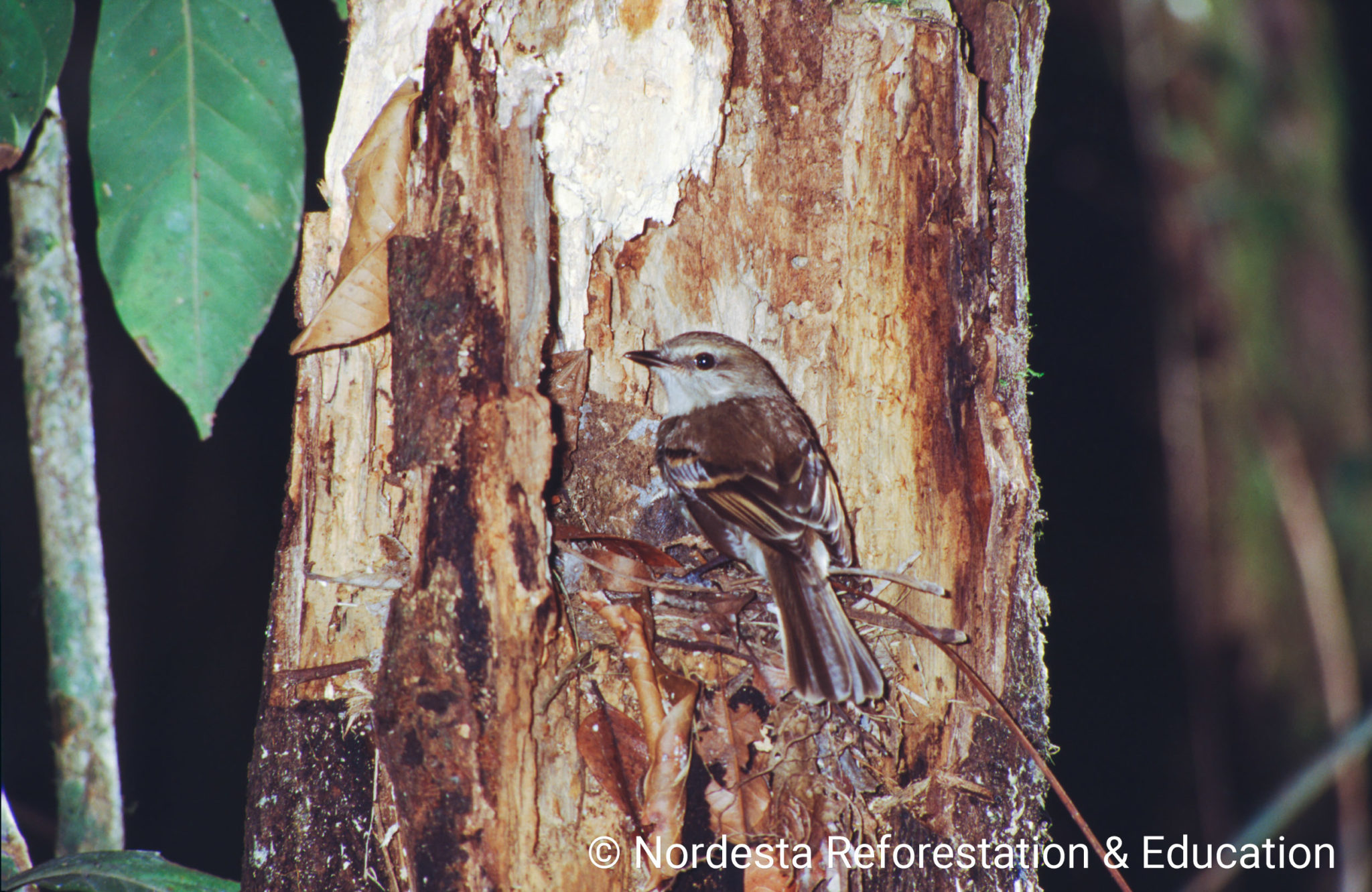
The nest is a cup made of dry leaves and plant materials, placed in shallow cavities or hidden crevices—such as cracks in tree bark, earth slopes, or spaces between branches and debris. Nests are generally built close to the ground (from near the soil up to 1.8 meters high).
Nests have been found in tree trunks, earth walls, and leaf piles. Some nests were located in unusual spots, like rock faces and ravines.