Thamnophilidae
Black-cheeked gnateater
Conopophaga melanops
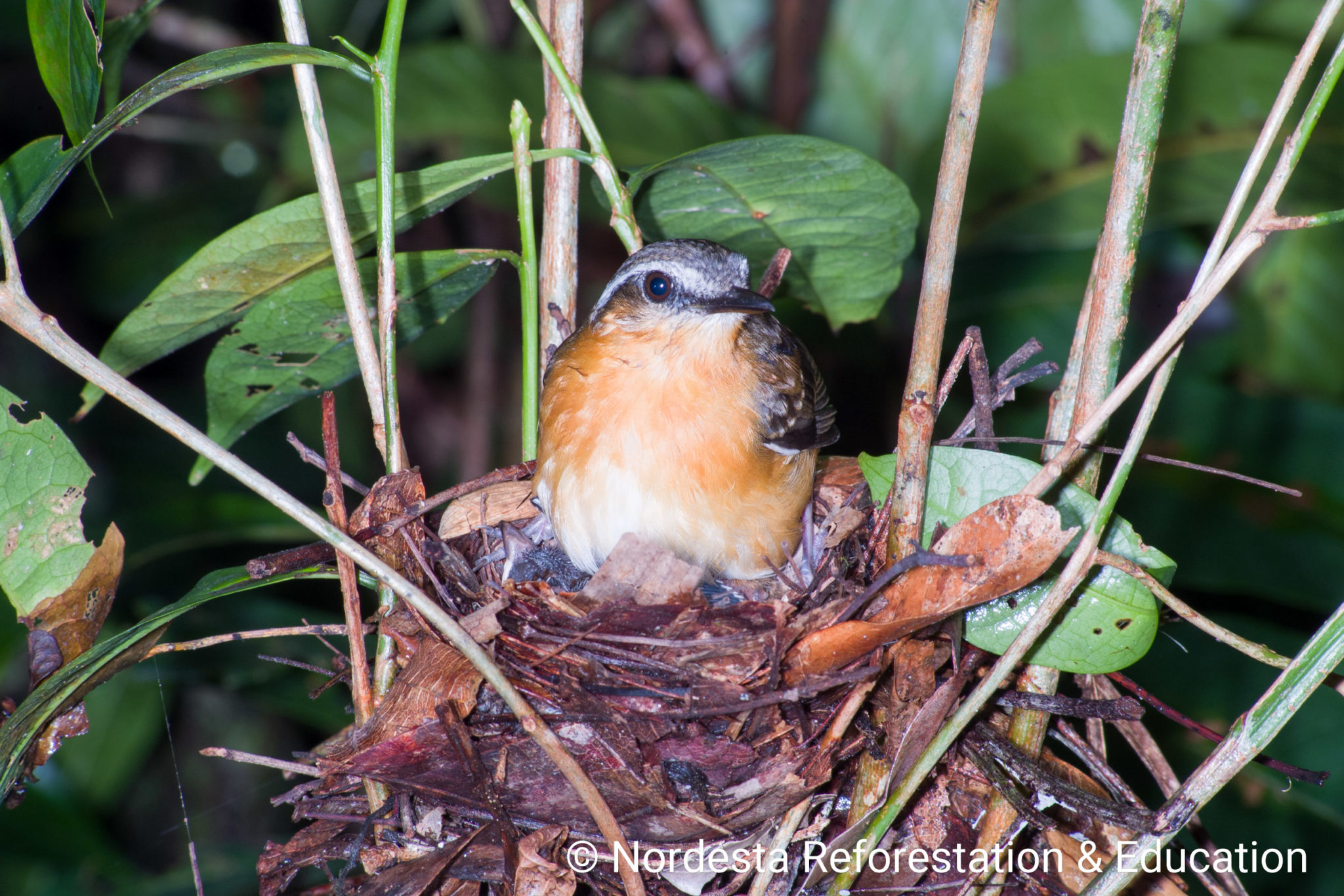
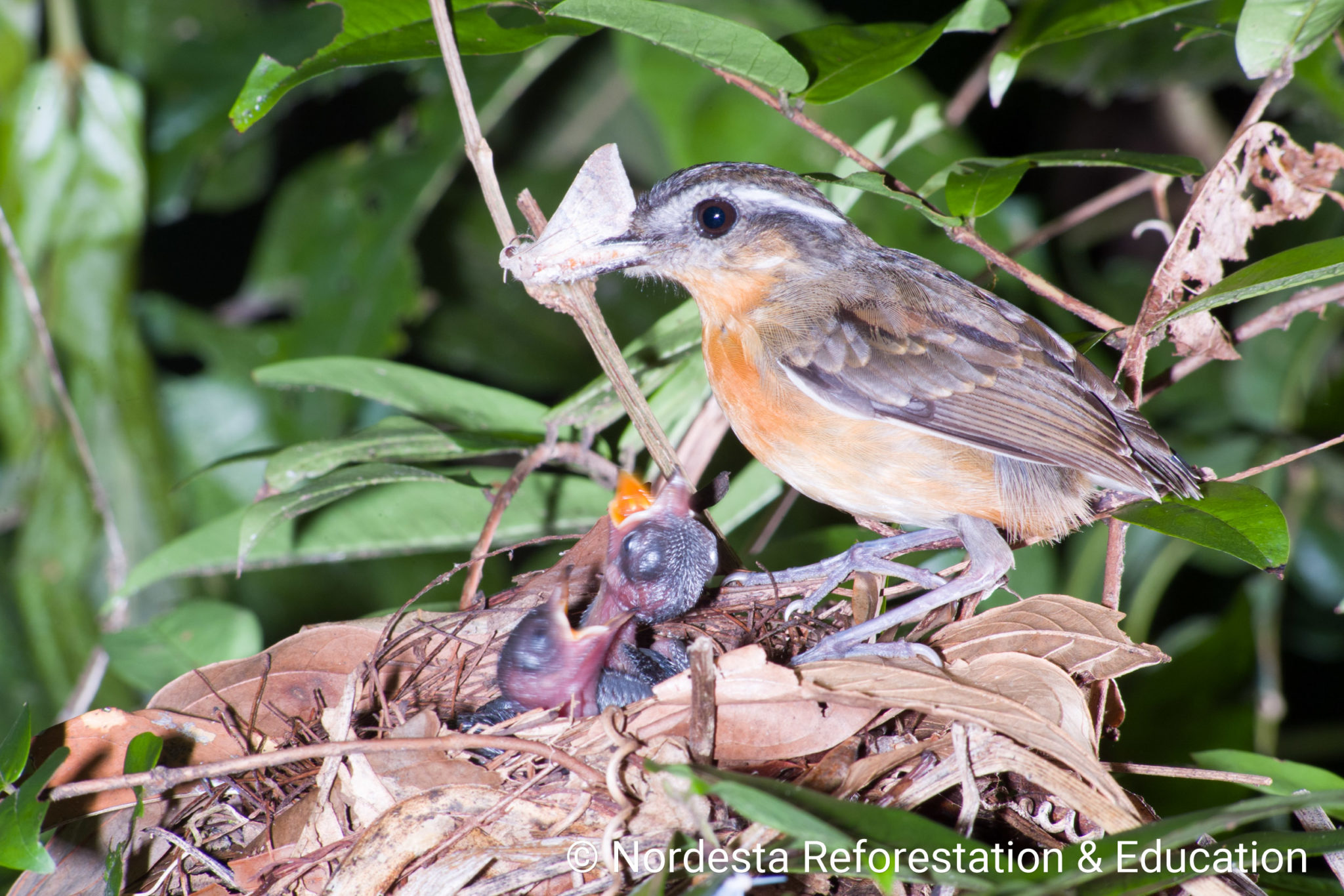
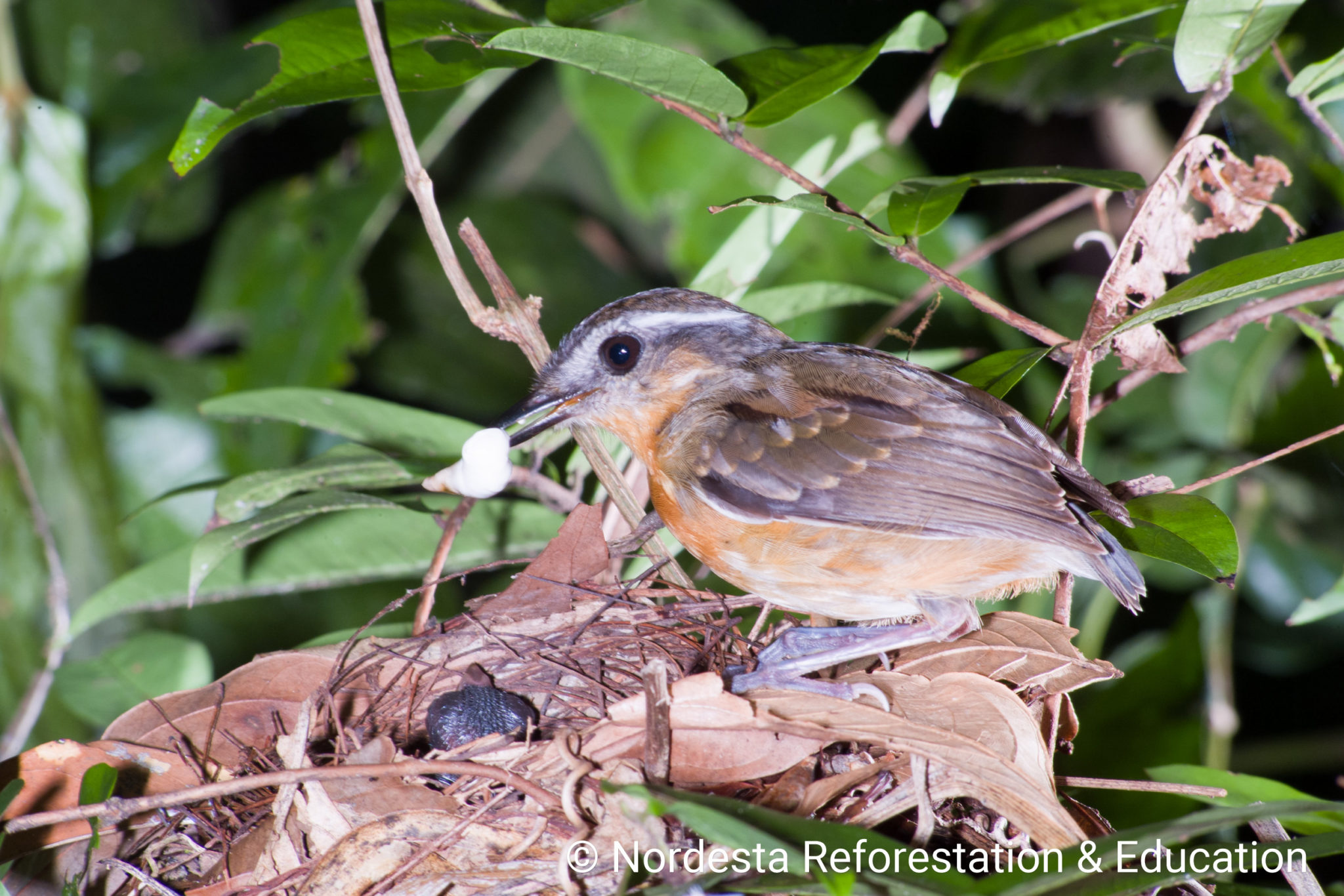
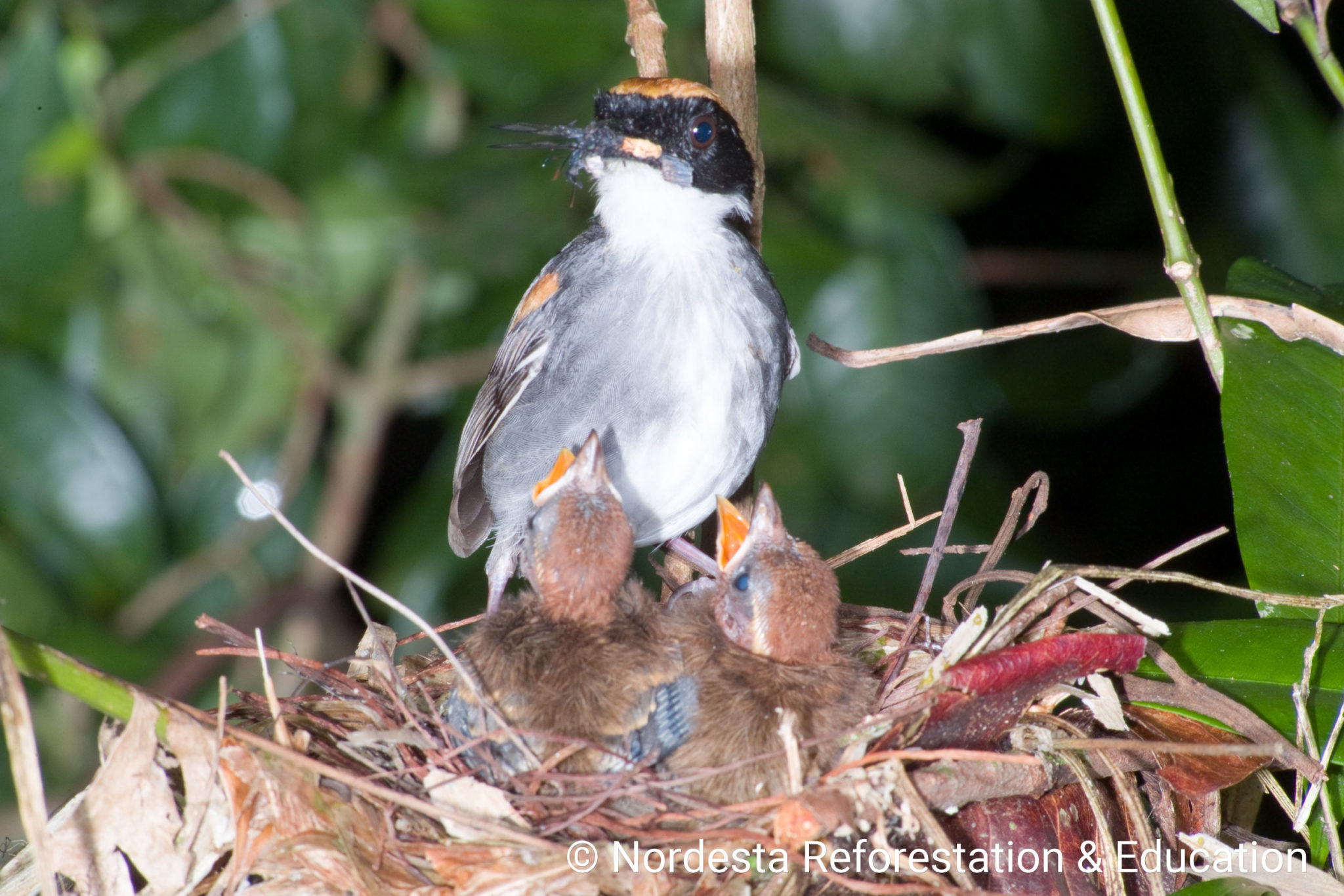
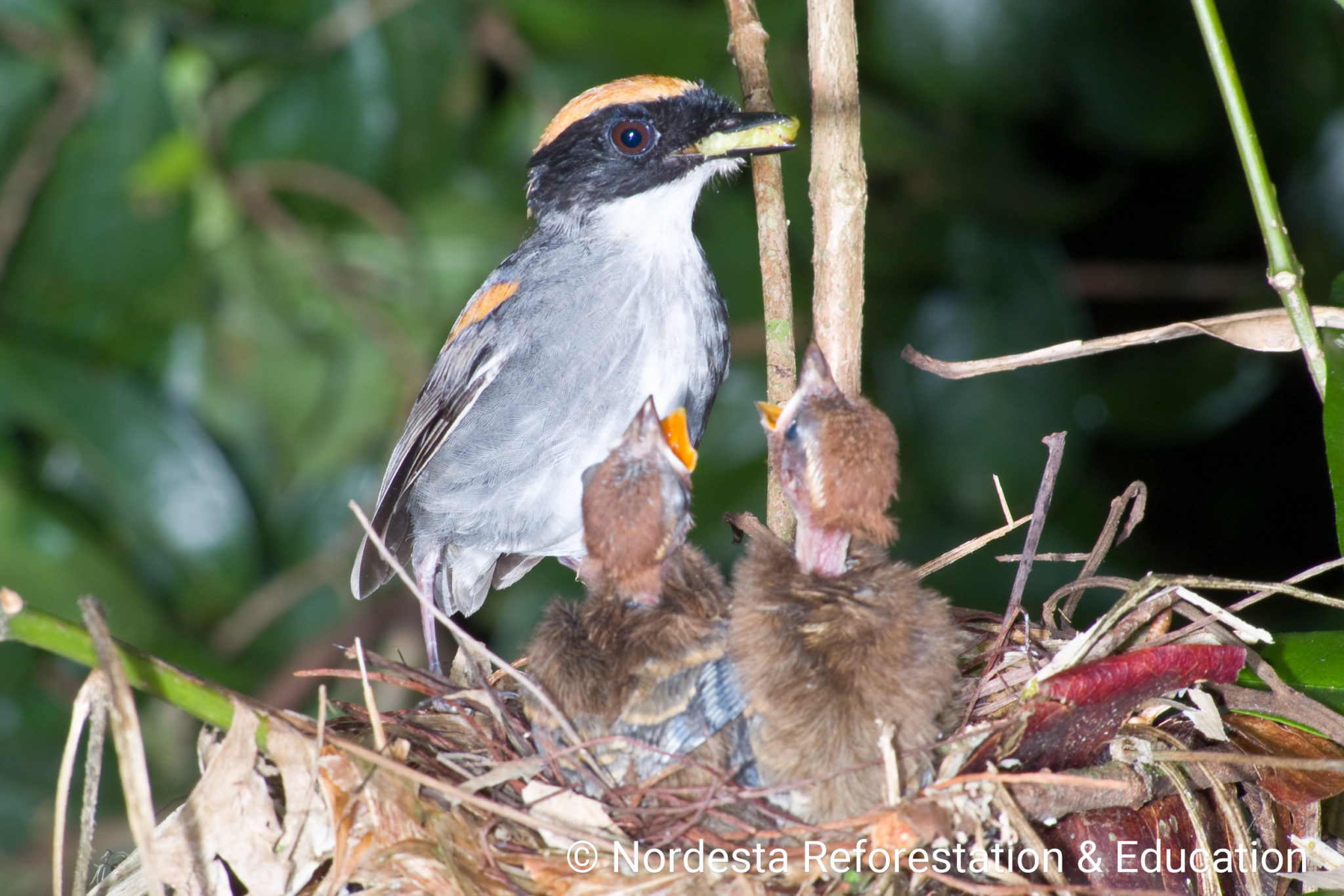
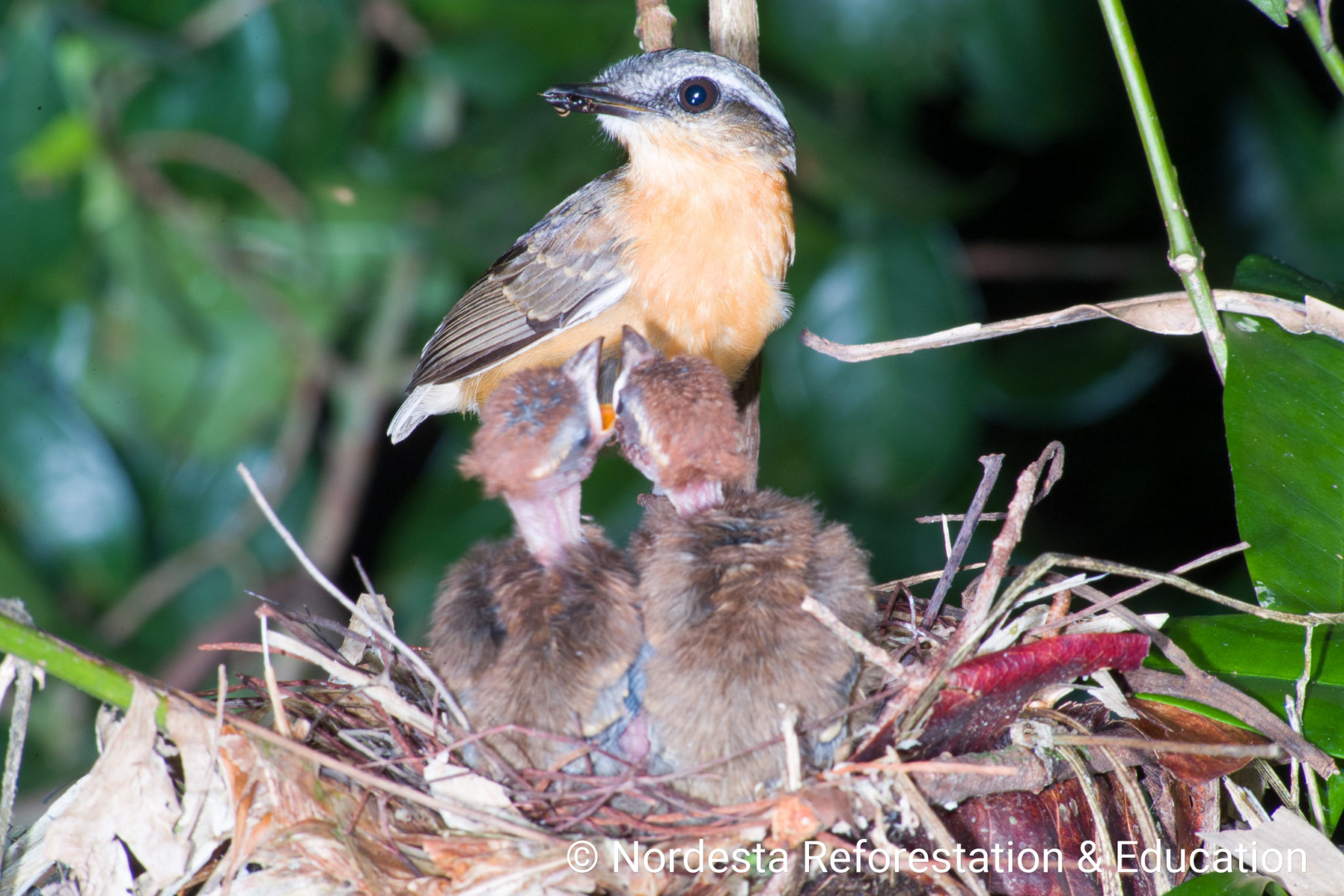
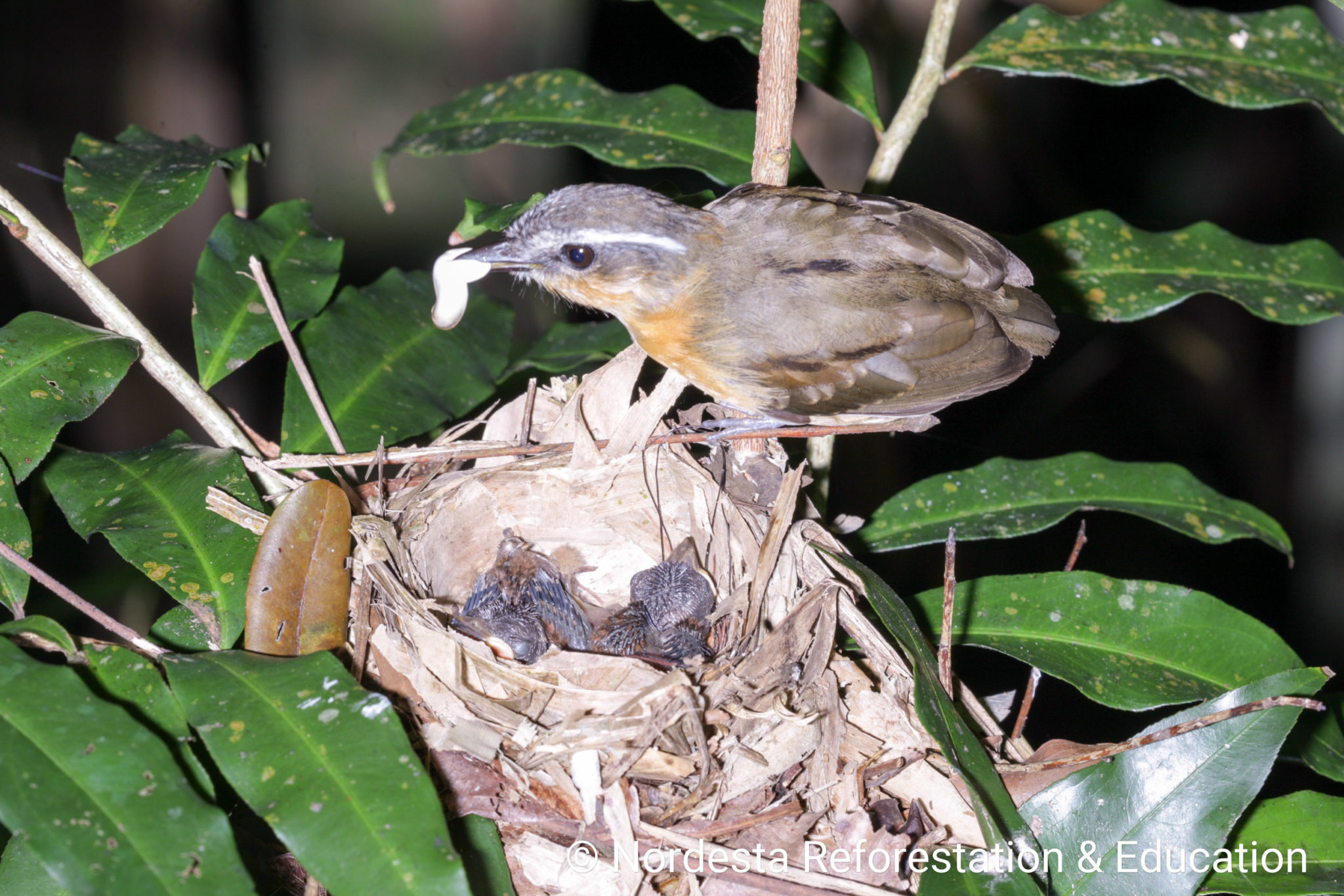
The Black-cheeked Gnateater, Conopophaga melanops, is a bird species endemic to Brazil’s Atlantic Rainforest. Although not much is widely known, recent studies have provided insight into its life cycle and breeding patterns, especially in northeastern Brazil.
General behavior
Conopophaga melanops is known for its distinctive behaviour and nesting habits. The birds are insectivorous and spend most of their time close to the forest floor. They are often seen darting between perches.
Habitat
The Black-cheeked Gnateater prefers the interior and edges of well-preserved Atlantic Forest fragments. It is commonly found near the ground in mossy areas, along forest streams, and in dense secondary vegetation. The species also occupies drier forest remnants, often in steep or ravine-like areas.
Nest observation sites
Most nests were observed in Quebrangulo, Alagoas, with 114 nests recorded in the area.
Breeding season
In Quebrangulo, nesting was observed in all months except July and August. Nesting peaked in March and October, at the beginning and end of the rainy season.
The nest
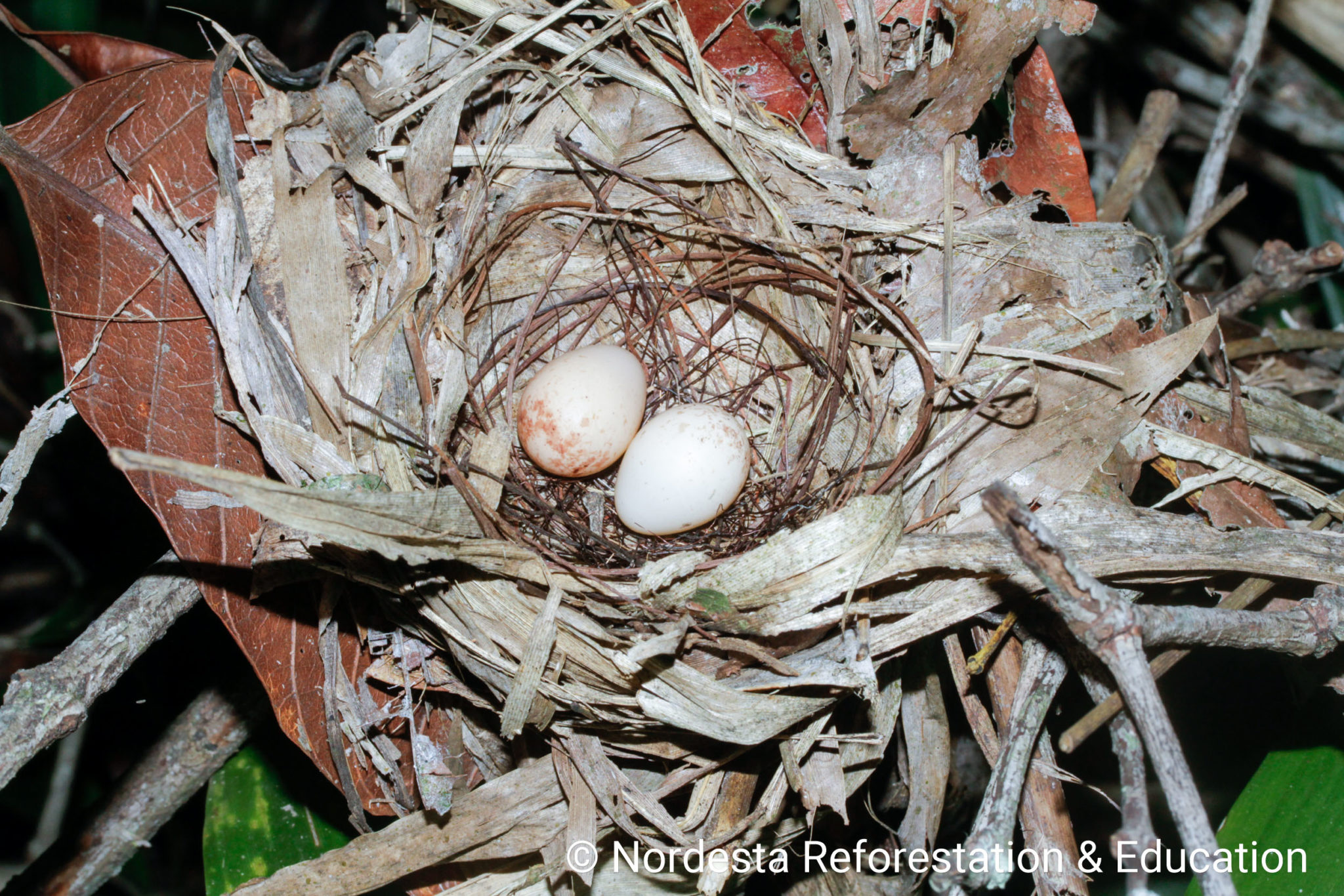
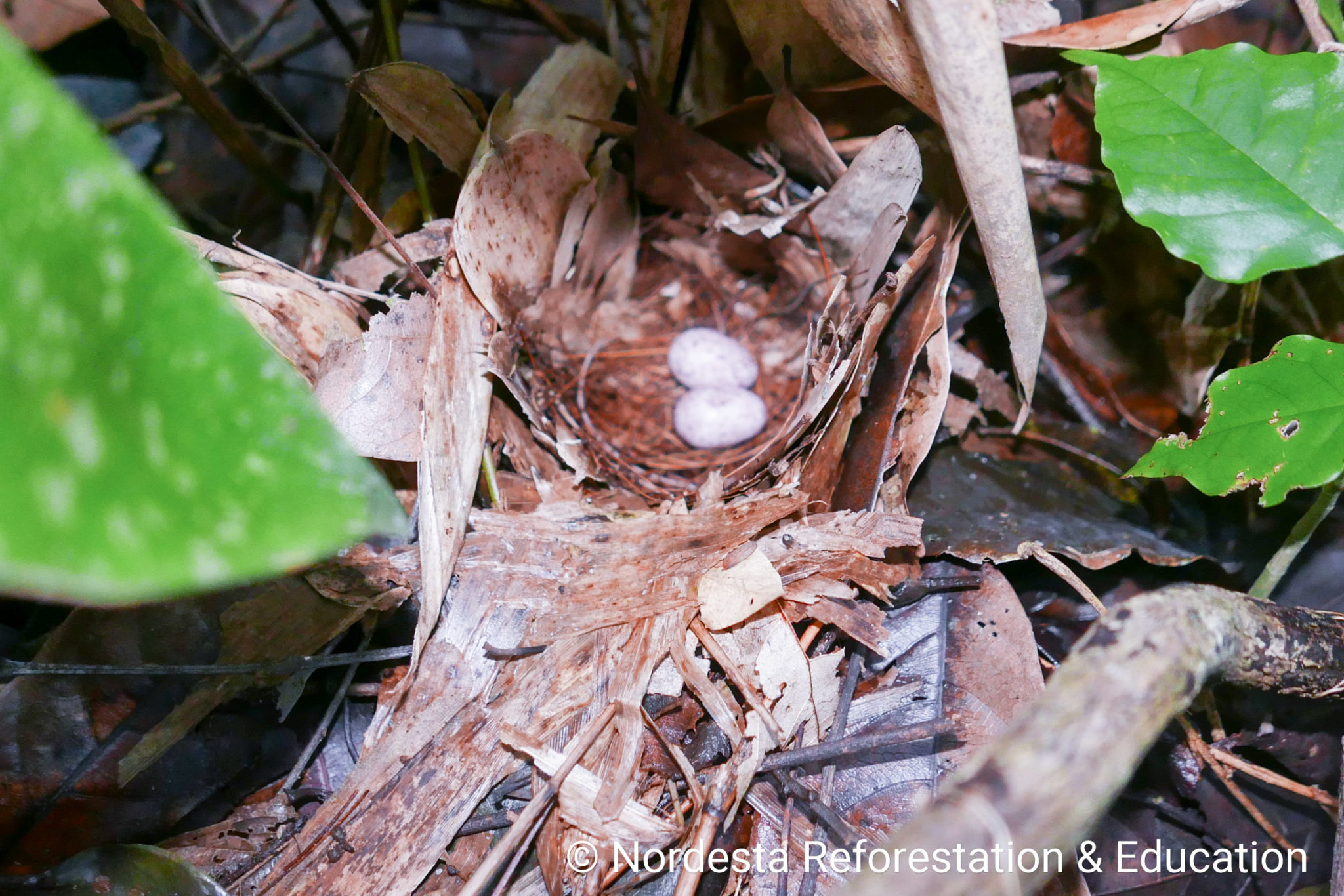
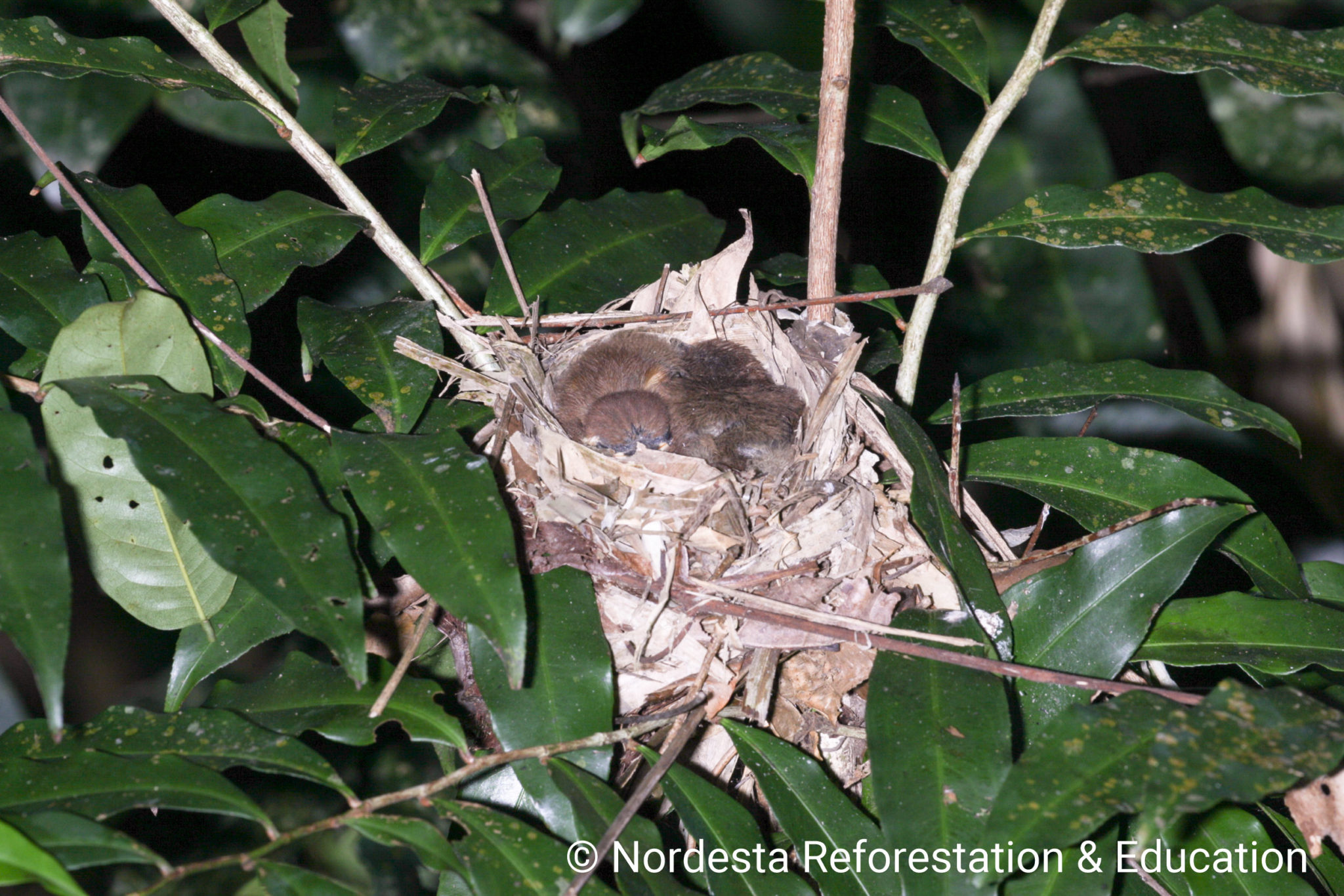
The nest is a well-crafted, shallow cup made from smooth twigs, thin vines, black fungal threads, and dry leaves. The interior is carefully lined with fine stems and roots. Nests are usually placed low to the ground—between 0.5 to 1 meter—often in the fork of a bush, a pile of dry branches, or the broken trunk of a small tree.
For more information, refer to the publication: Studer, A., de Sousa Cardoso, M. & Barcena Goyena, B., 2019, or contact the author at anita.birdaves@gmail.com
Reference:
Studer, A., de Sousa Cardoso, M. & Barcena Goyena, B., 2019. Breeding biology and nesting success of the endemic Black-cheeked Gnateater Conopophaga melanops. Studies on Neotropical Fauna and Environment, Volume 54, 2019 – Issue 3.