Picidae
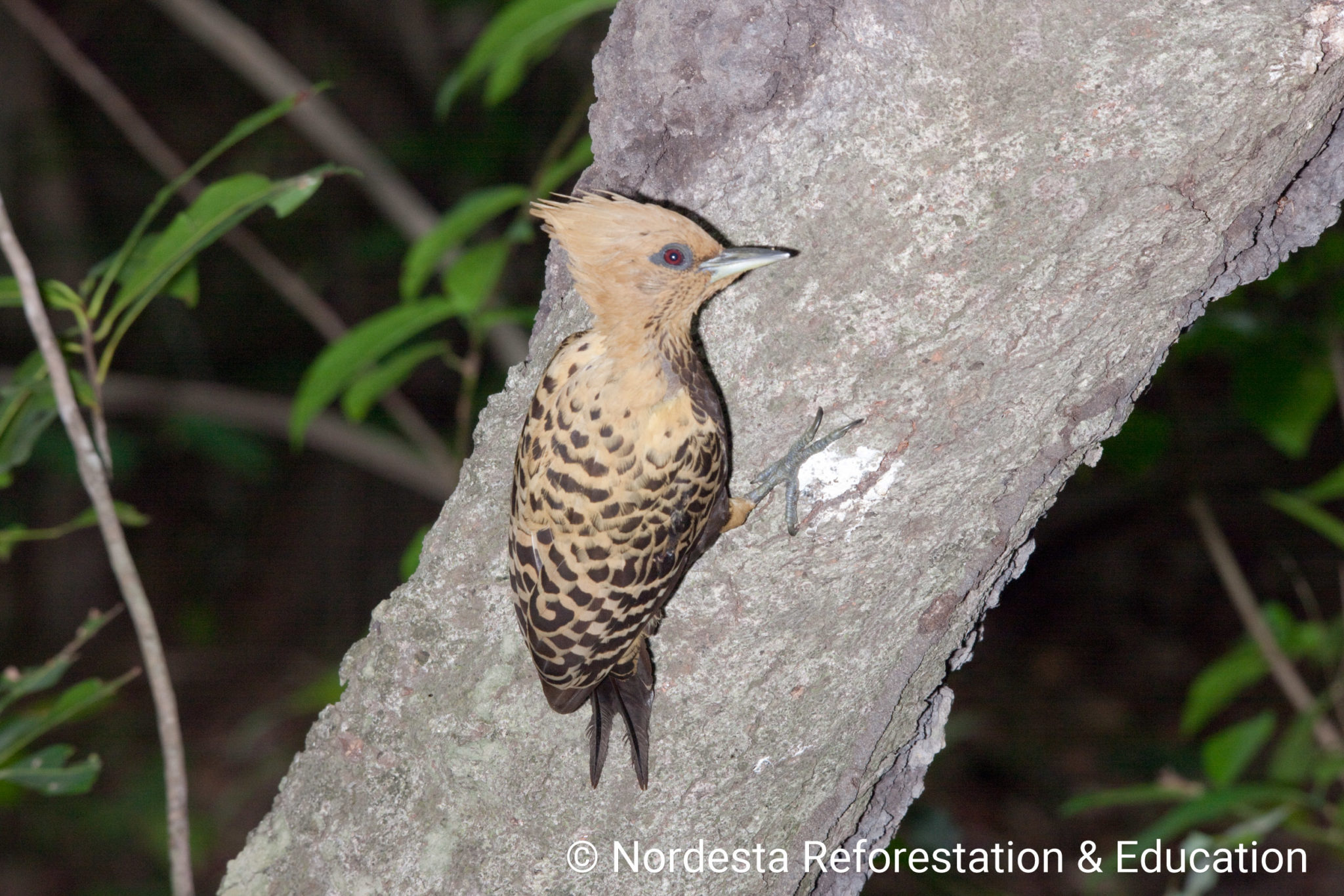
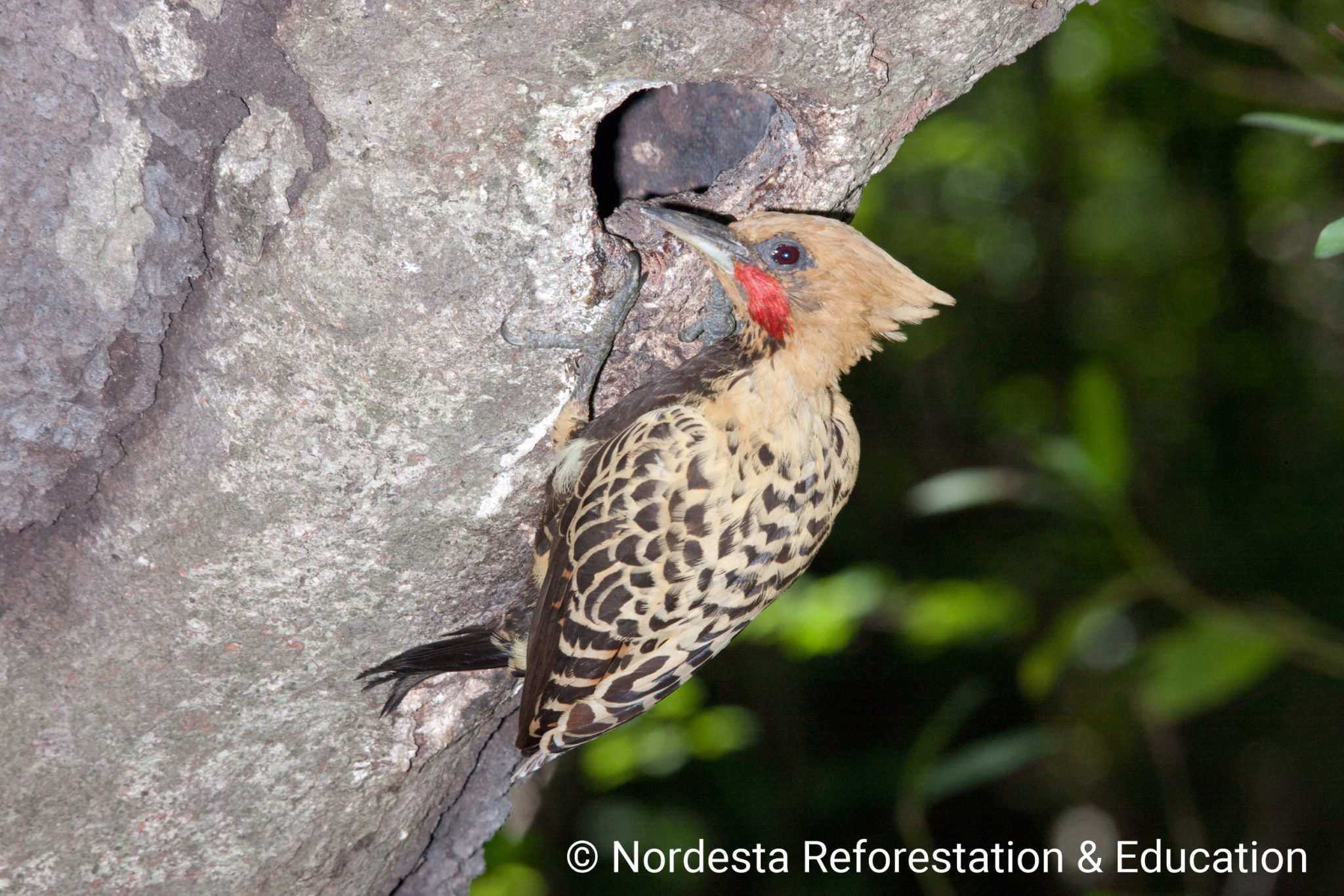
Blond-crested woodpecker
Celeus flavescens
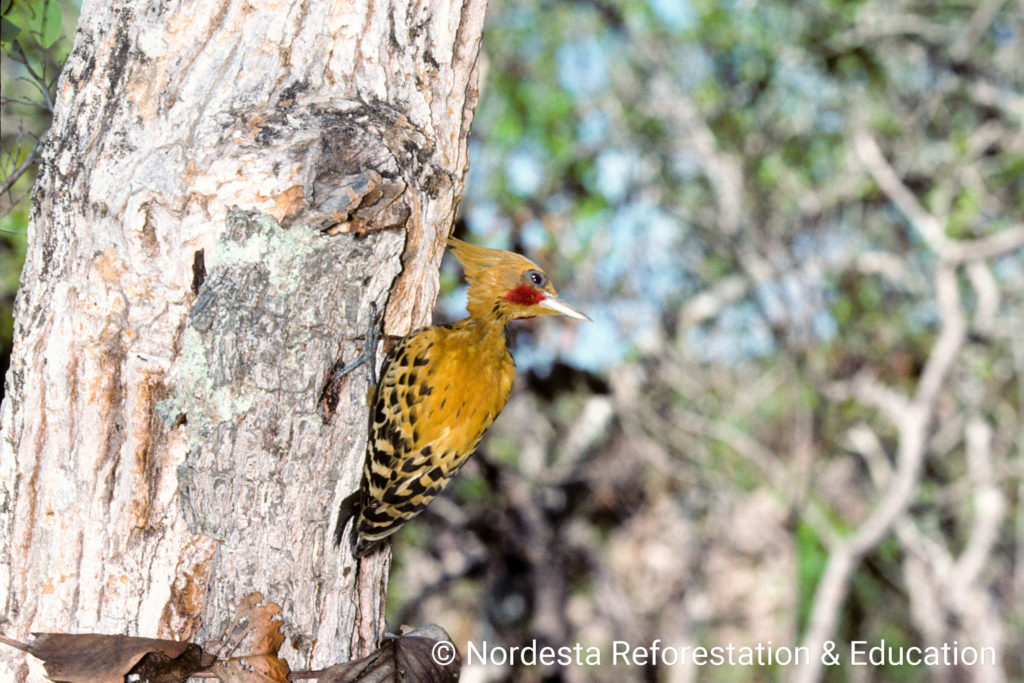
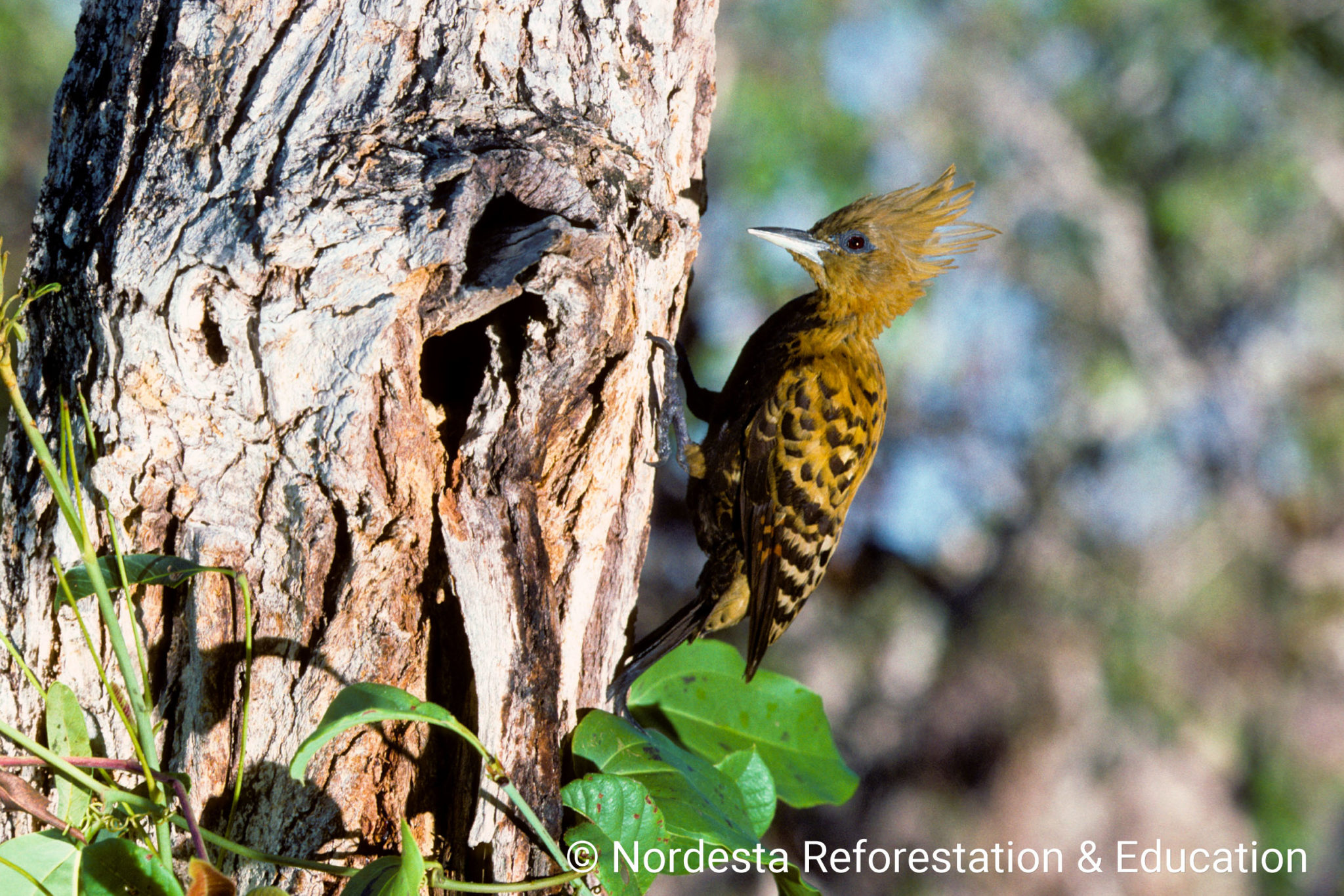
The Blond-crested Woodpecker, Celeus flavescens, is found in Brazil, Paraguay, and Argentina. In Brazil, it occurs from Bahia to Rio Grande do Sul.
General behavior
This woodpecker can be seen alone, in pairs, or small groups of up to four individuals. It often drums on tree trunks and calls with two to four high-pitched, descending notes. It feeds mainly on insects, larvae, eggs, fruits, and berries and sometimes descends to the ground for ants and termites. It may also join mixed-species feeding flocks. Occasionally, it is seen feeding on nectar from flowers and is considered a pollinator of the yellow silk floss tree (Spirotheca rivieri).
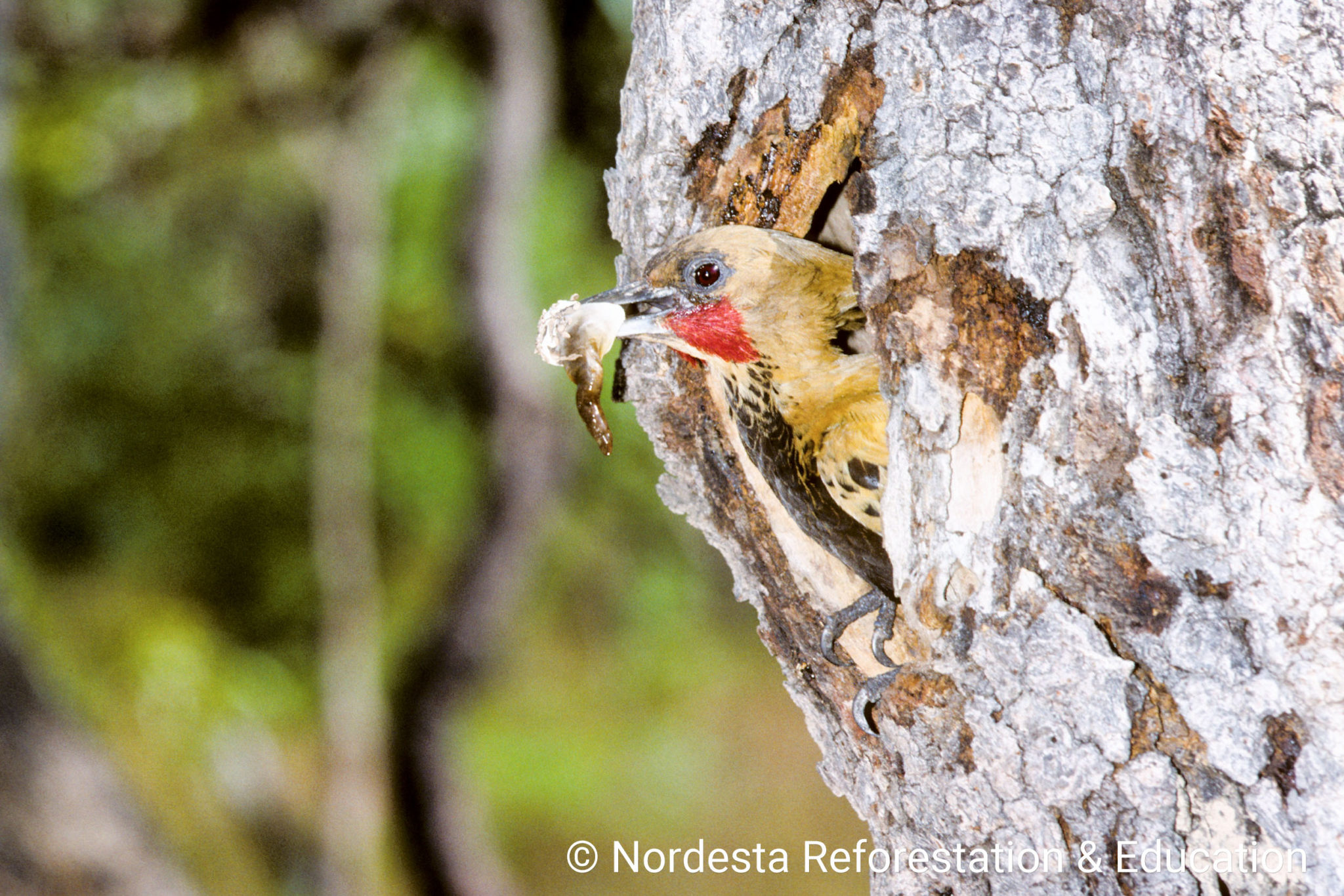
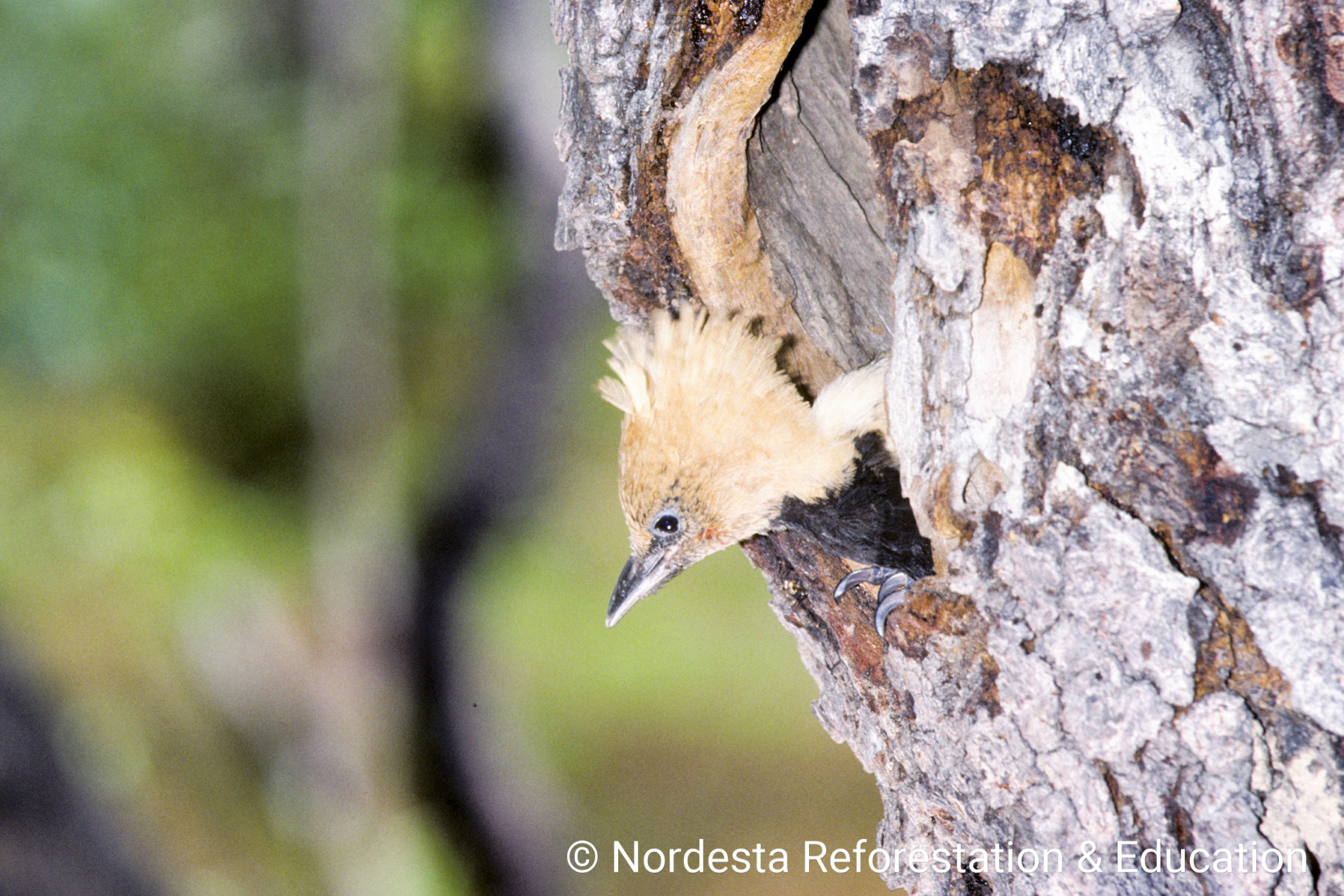
During the breeding season, both parents share feeding duties. In the early days, food is brought inside the nest, and adults carry faecal sacs away to avoid attracting predators. Later, the young are fed at the nest entrance and start vocalizing with raspy, continuous calls. These sounds and the appearance of their beaks at the nest entrance signal their growing activity.
Habitat
This species inhabits palm-rich areas among secondary forests, dry gallery forests, old orchards near forest edges, dry cerrado woodlands, caatinga, and regenerating forests affected by fire.
Nest observation sites
We observed nests in Camaçari, Bahia (4 nests) and Alto Parnaíba, Maranhão (5 nests).
Breeding season
Breeding occurs mainly between September and November in our studied areas. However, other records in Brazil show nesting from April to June and in Argentina from October to November.
The nest
In Camaçari, nests were built in dead palm trees, 4 to 10 meters above ground. In Alto Parnaíba, they were found in various burned tree species, closer to the ground—between 1 and 2 meters high. The nest entrance ranged from 6 to 15 cm in diameter, with a depth of 30 to 40 cm and an internal diameter of 15 to 25 cm. The base was lined with thick wood shavings.