Tyrannidae
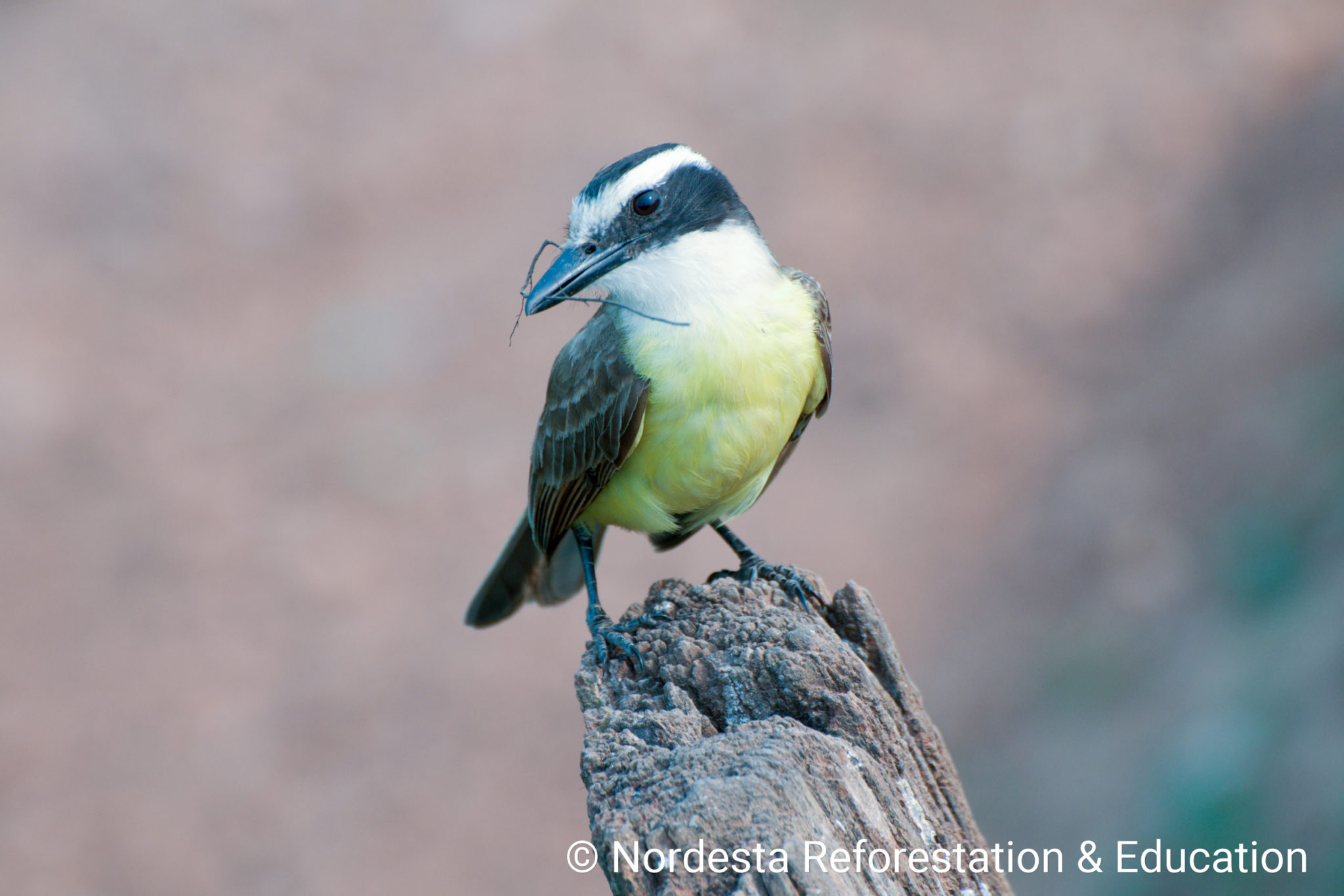
Boat-billed flycatcher
Megarhynchus pitangua
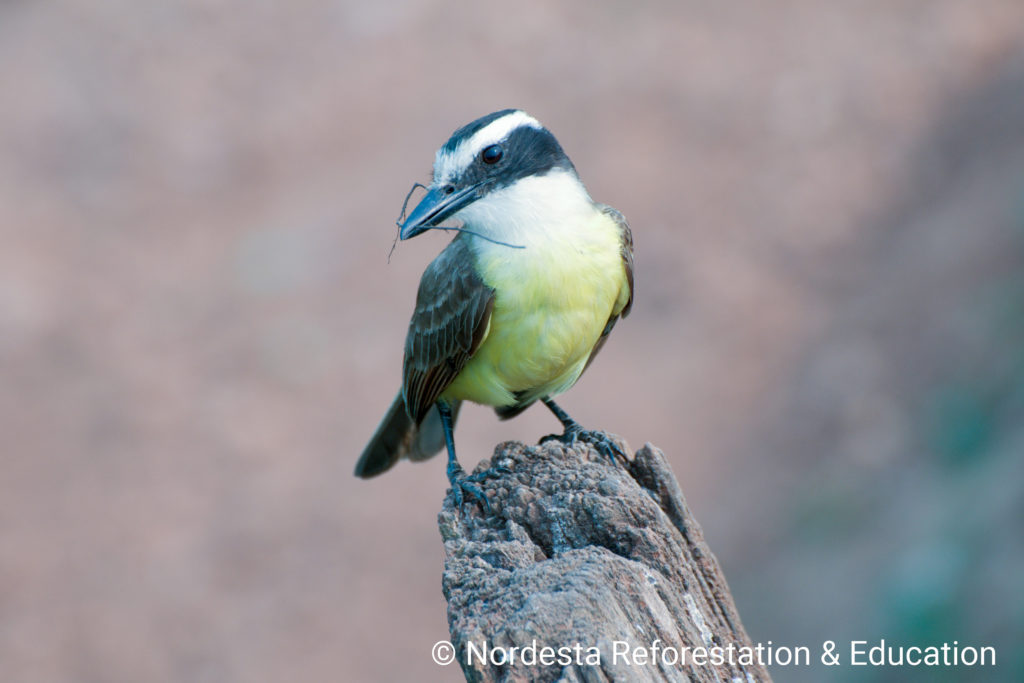
The Boat-billed Flycatcher, Megarynchus pitangua, is a striking bird recognized for its large, broad bill and strong vocal presence. Commonly referred to as “nei-nei” due to its distinctive call, it is found in various regions across Central and South America.
General behavior
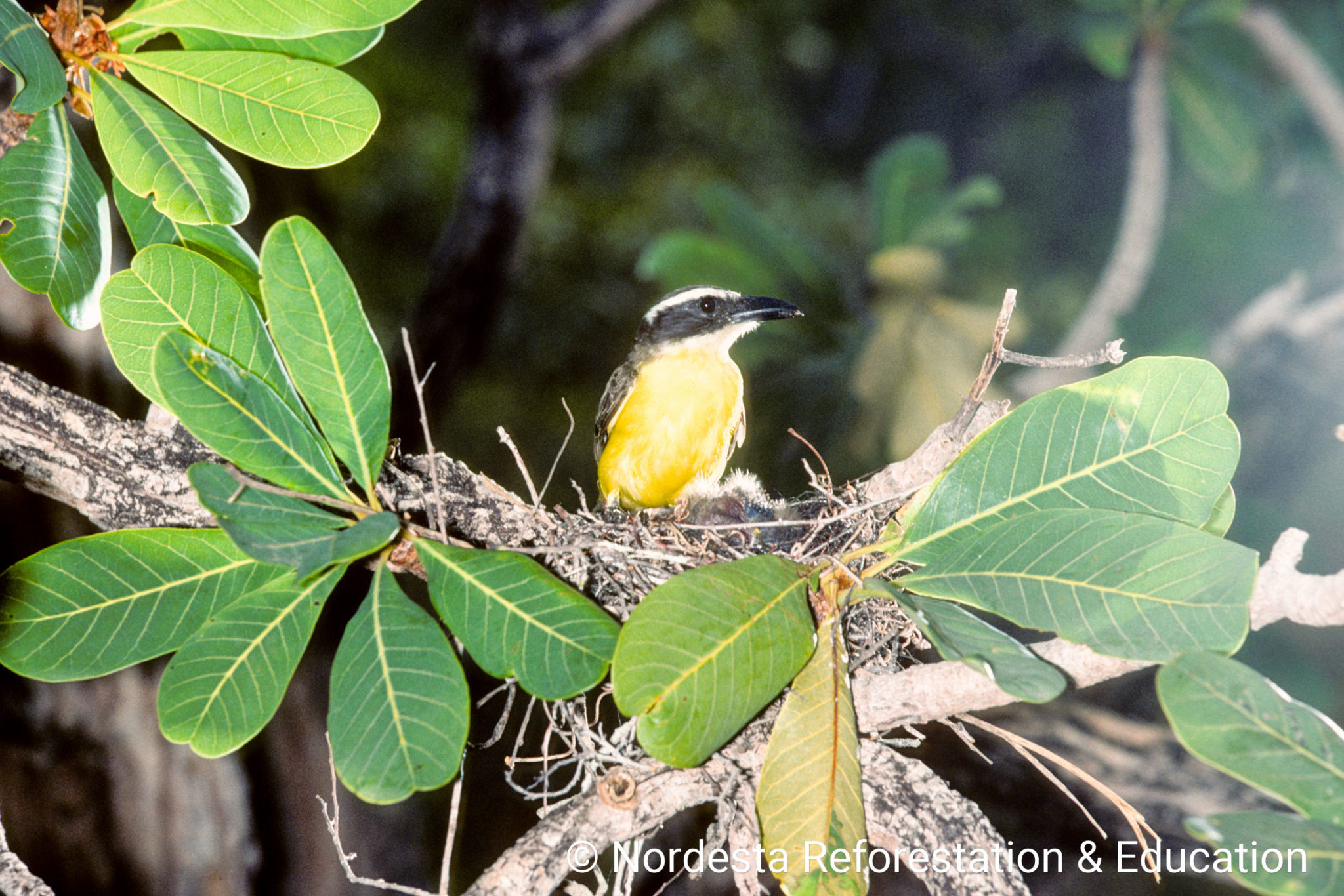
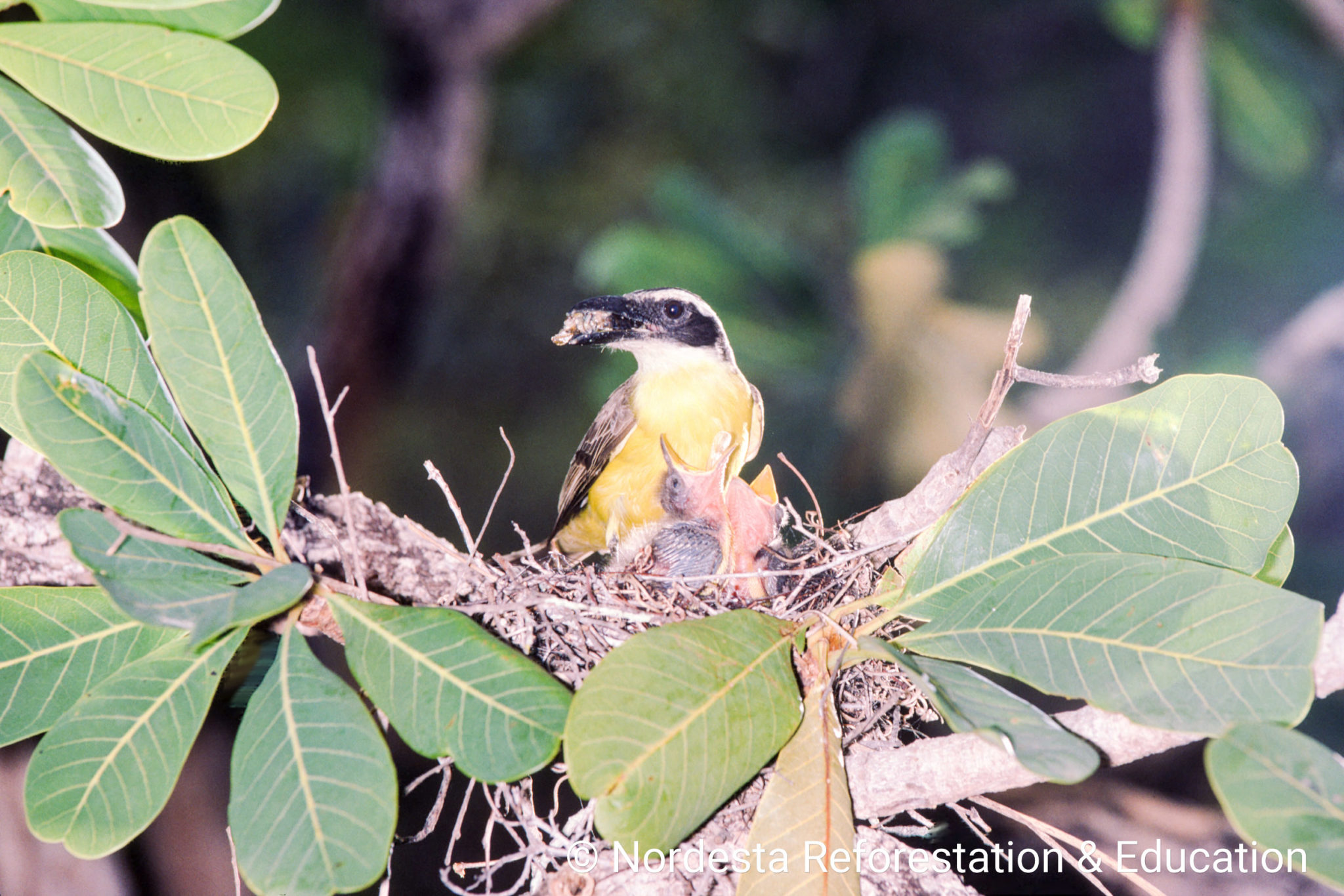
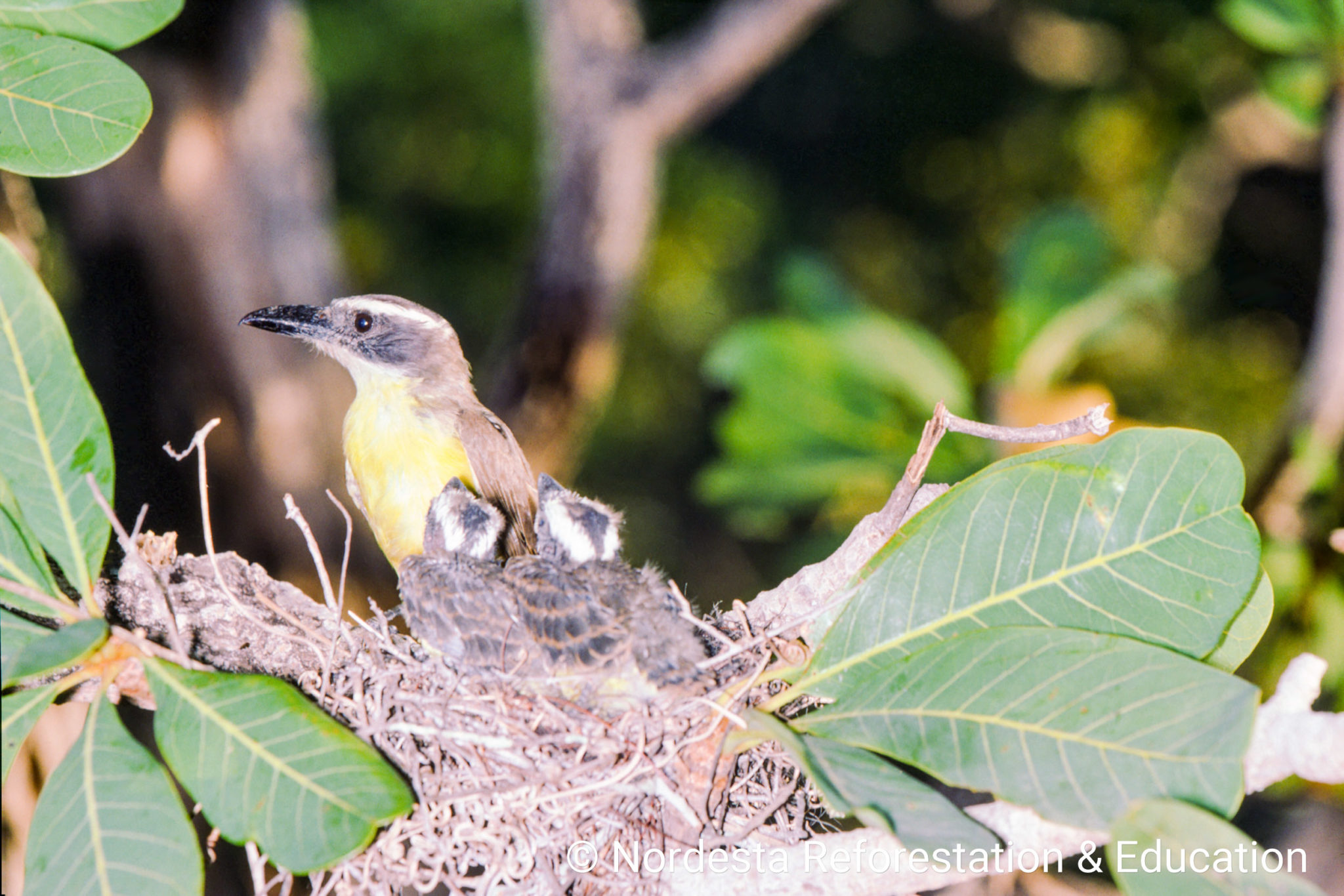
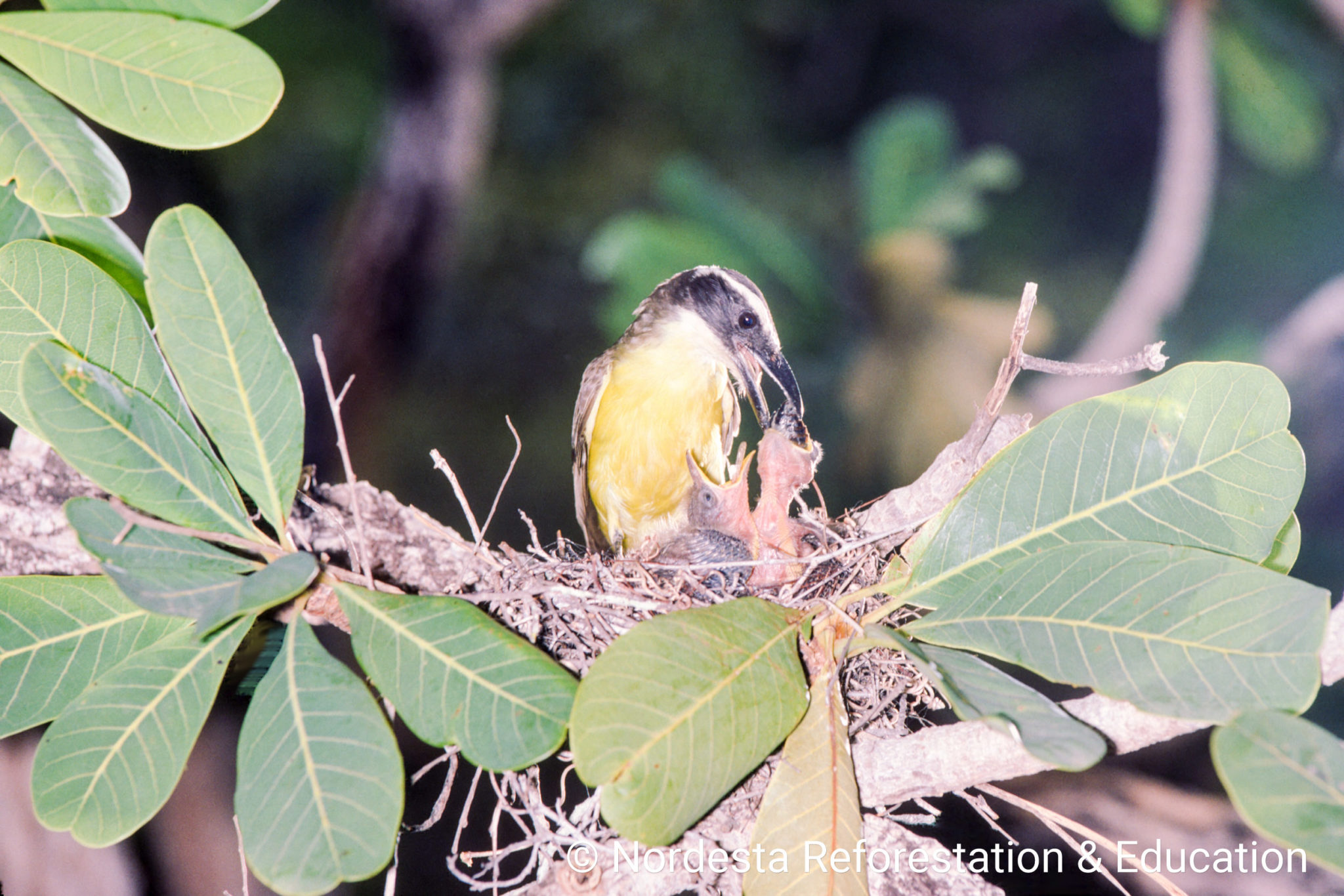
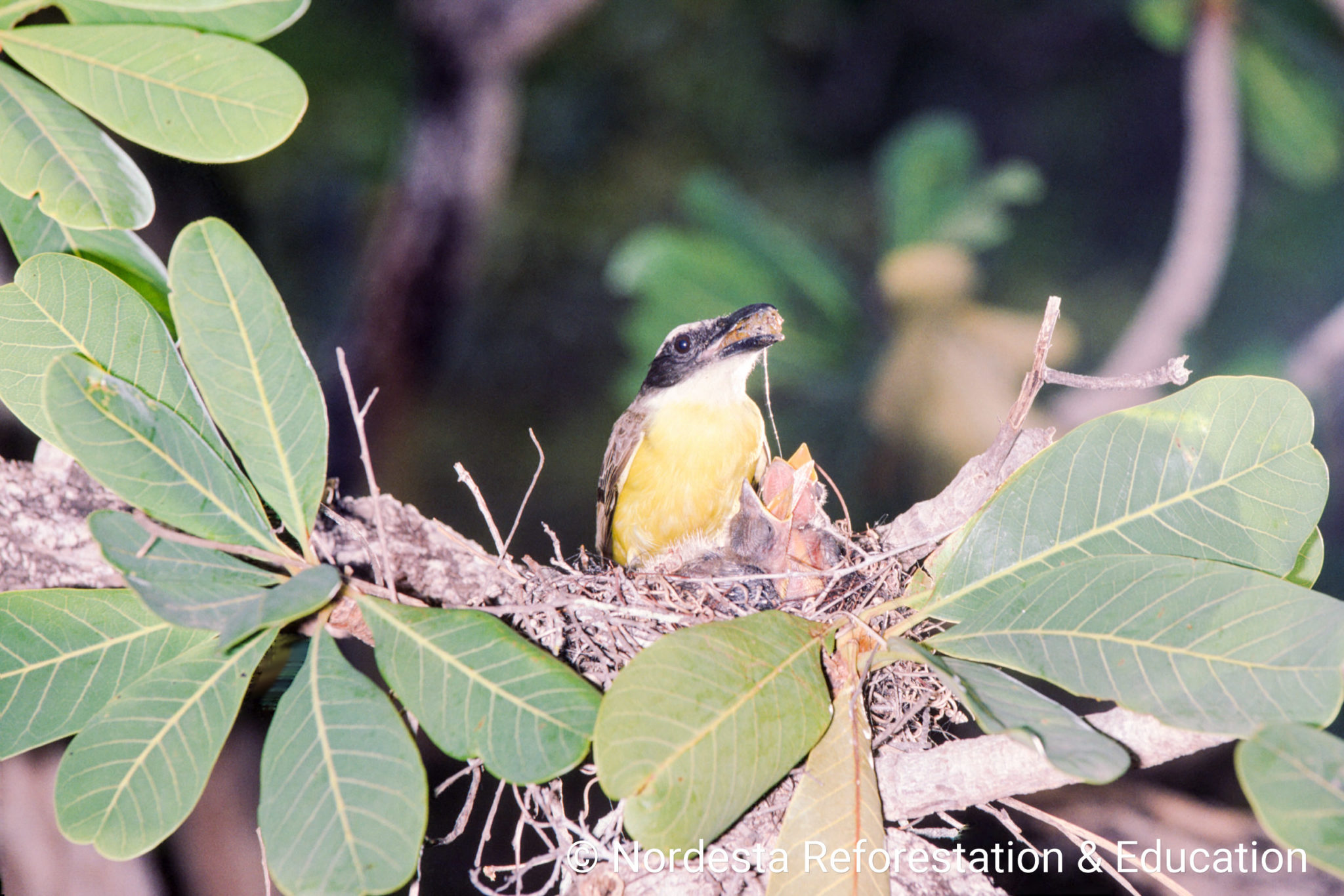
This species is often seen alone or in pairs, calling frequently with loud, nasal sounds. Its diet mainly consists of insects, including cicadas and wasps, which it captures in flight or while perched, often beating them against branches before swallowing. It also eats fruit and has been observed catching fish from shallow water. Both parents care for the young, defending the nest vigorously from predators like monkeys and toucans. While both may be involved in feeding and guarding, only the female is responsible for nest construction in some areas.
Habitat
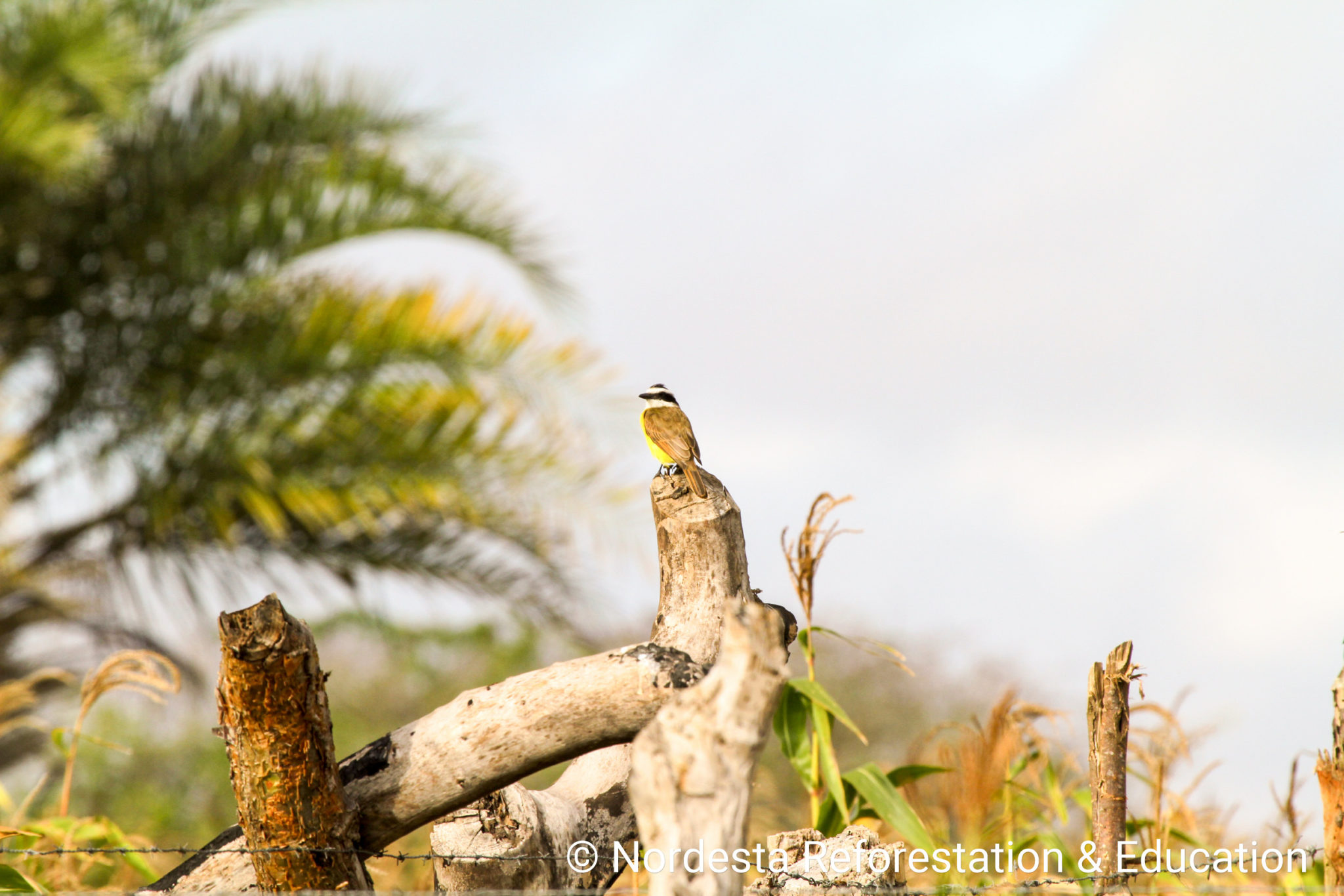
Megarynchus pitangua inhabits forested areas, wooded fields, and even urban parks, typically favouring the upper canopy of tall trees.
Nest observation sites
We observed nests in Arcos, Minas Gerais (5 nests), Quebrangulo, Alagoas (1 nest), Camaçari, Bahia (1 nest) and Alto Parnaíba, Maranhão (1 nest).
Breeding season
This species breeds year-round, with peak activity from February to May in northeastern Brazil and from September to December in other regions.
The nest
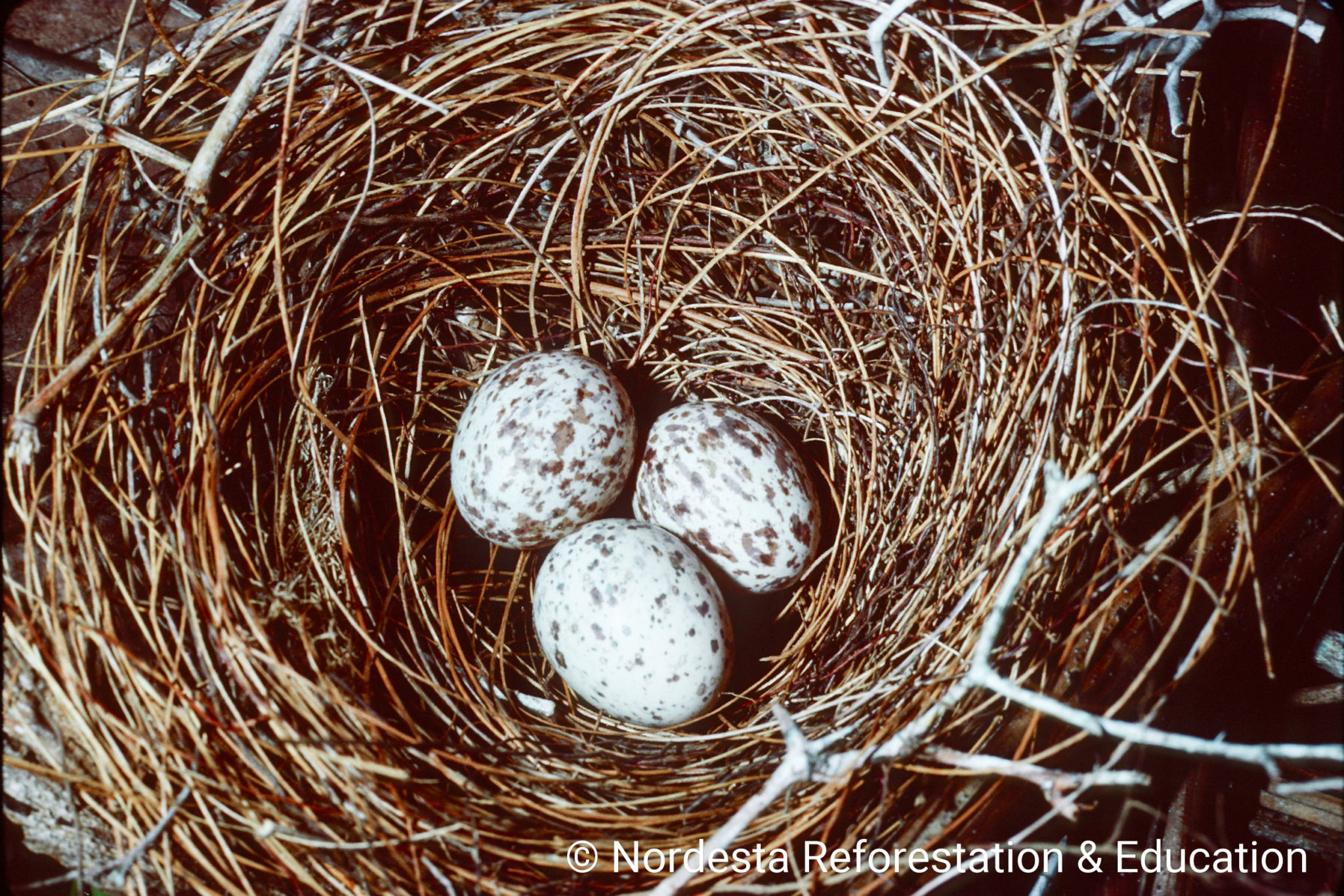
The nest is an open, shallow cup built high in trees (usually 7 to 16 meters, occasionally as low as 3 or as high as 30 meters). It is constructed from twigs, dry leaves, grass, and small roots, and is often placed in branch forks or near tree trunks. The interior is lined with finer materials such as fern rhizomes and epiphyte roots. Nests are typically exposed and unshaded.