Picidae
Campo flicker
Colaptes campestris
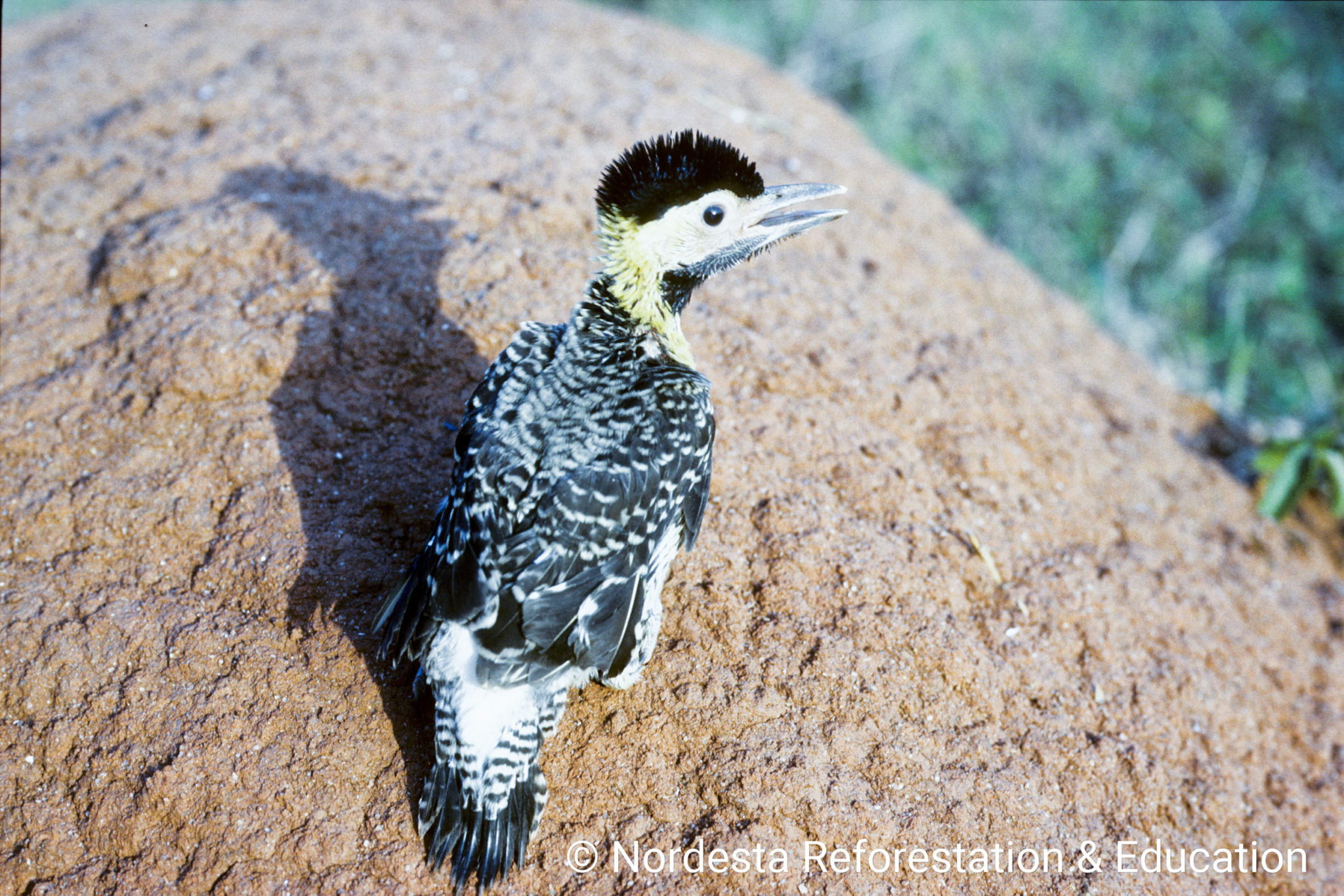
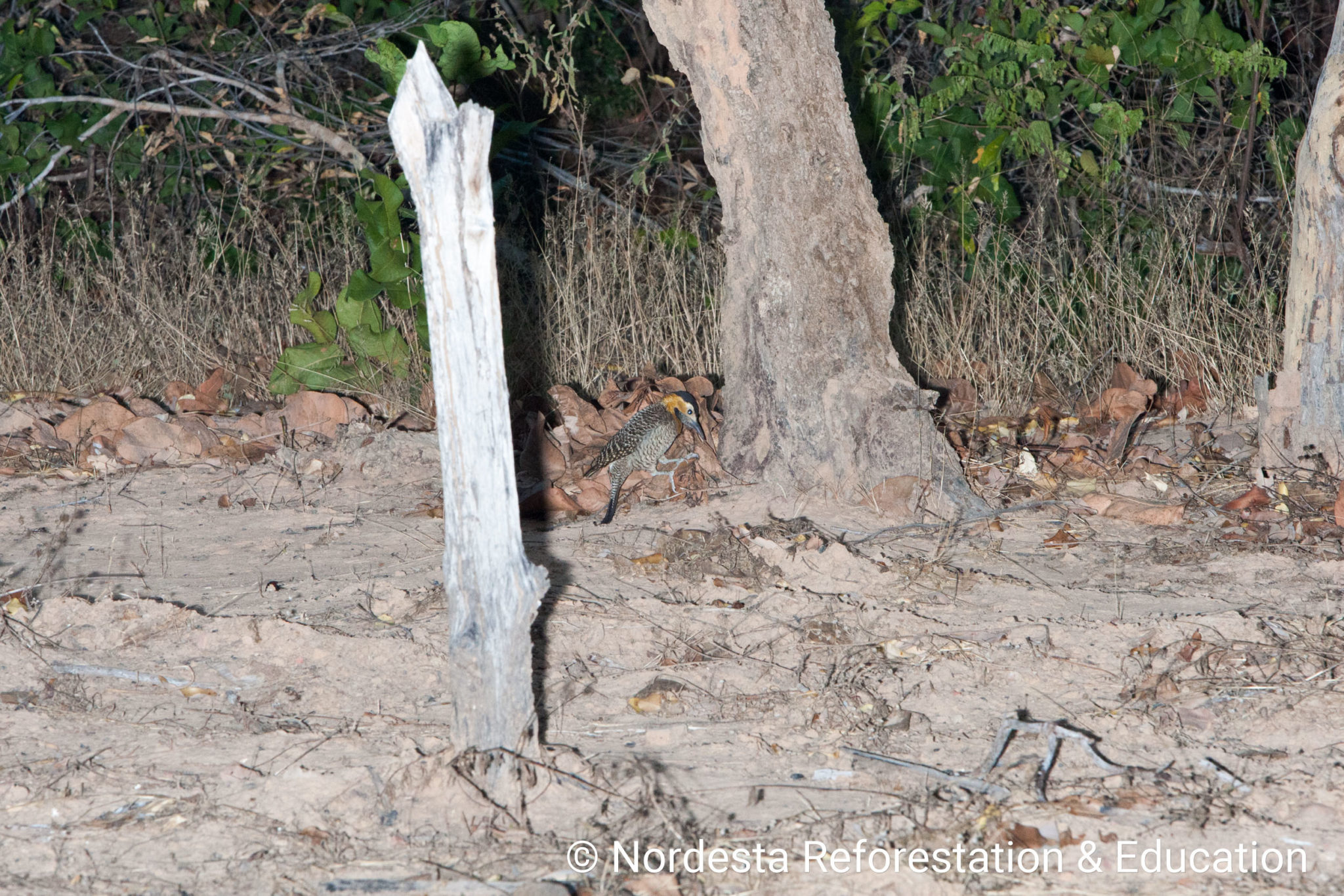
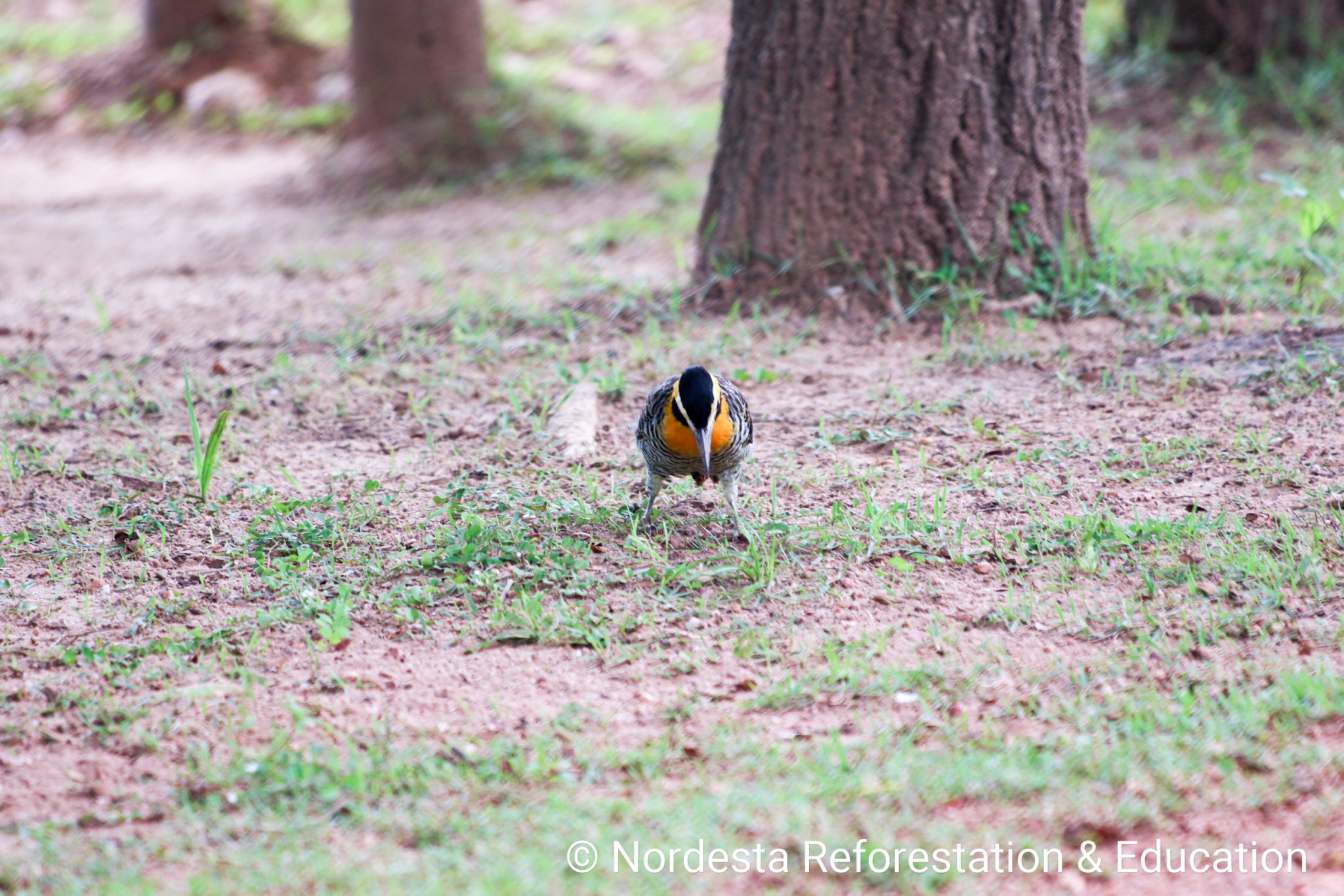
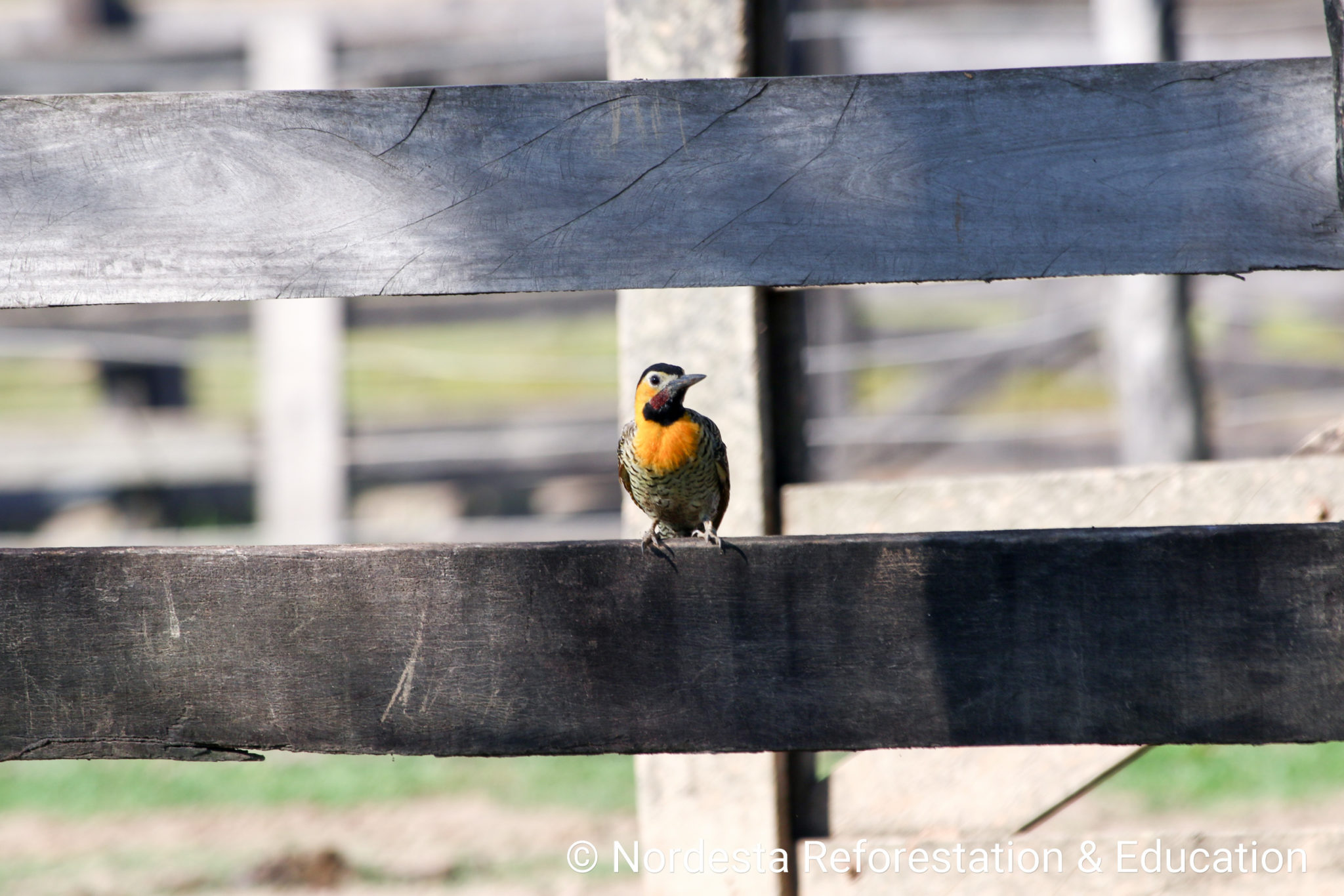
The Campo Flicker, Colaptes campestris, is a woodpecker species native to South America, especially common in Brazil, Argentina, and parts of the Guianas. It has adapted well to various environments and is known for its distinctive vocalisations and ground-foraging habits.
General behavior
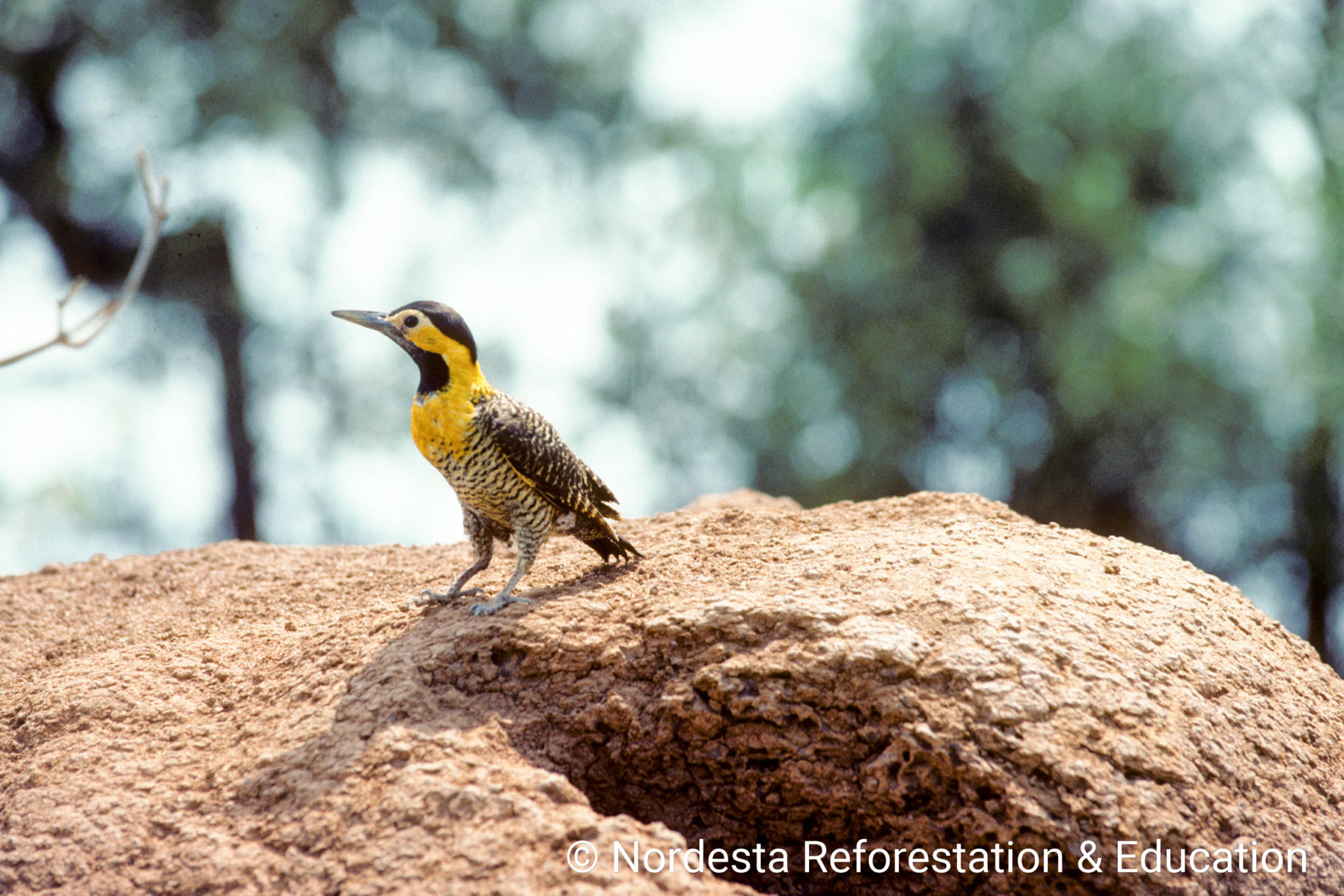
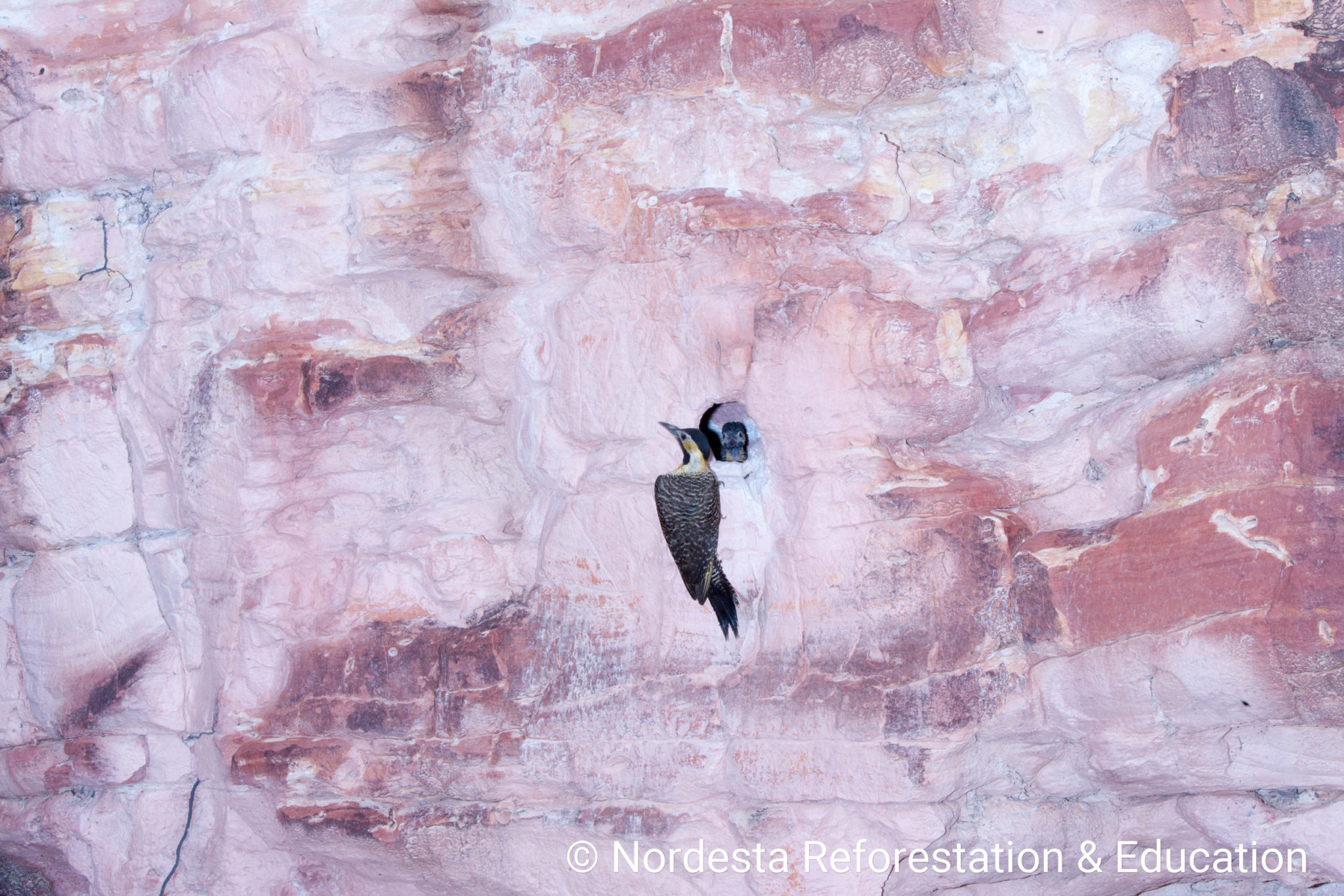
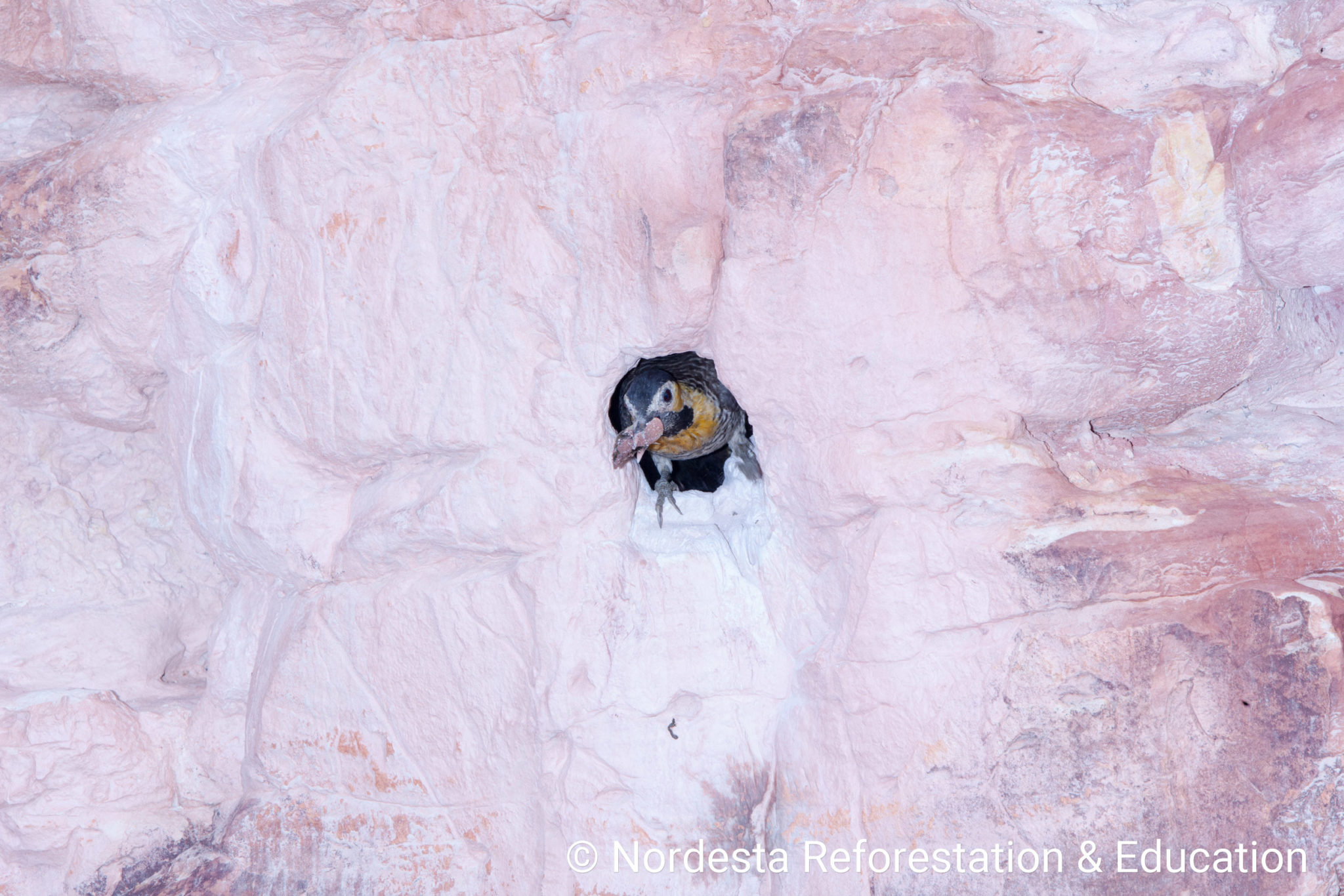
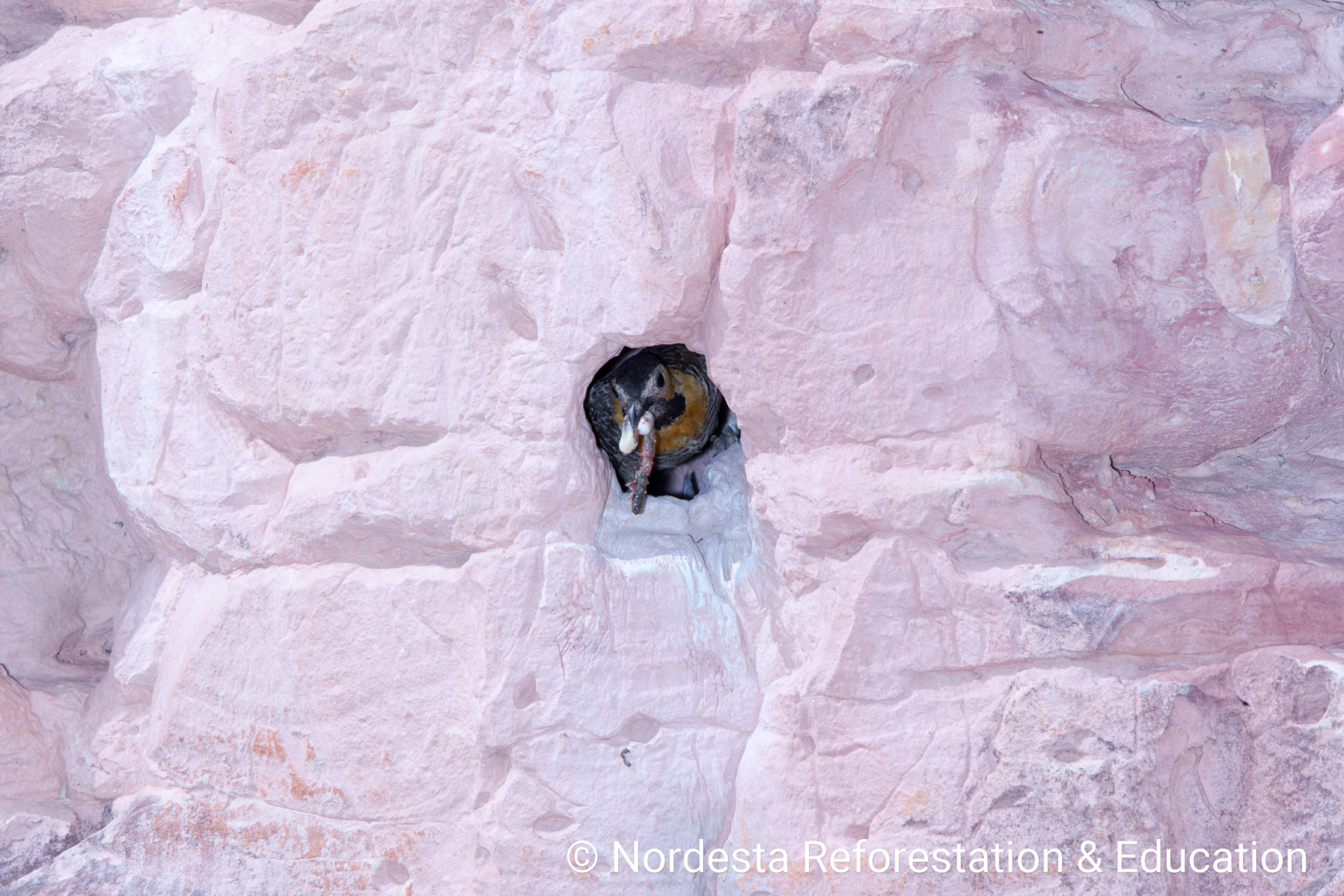
This species is highly vocal and emits loud calls, especially when alarmed. It often lives in small groups of three to five individuals, which is unusual for woodpeckers. While pairs isolate themselves during the breeding season, they may be joined by helpers—typically juveniles or unrelated birds—during nest care. Colaptes campestris frequently forages on the ground, mainly eating ants and termites, and is also seen feeding on low fruits.
Habitat
Colaptes campestris lives in open areas with scattered trees and shrubs, such as the Brazilian Cerrado, caatinga, and coastal restinga zones. It also adapts well to human-altered environments like pastures, plantations, and coconut groves. Due to deforestation, it has expanded into previously forested regions, especially in Brazil and northern Argentina, and may even colonize recently burned areas.
Nest observation sites
We observed nests in Arcos, Minas Gerais (7 nests) and Poconé, Mato Grosso (3 nests).
Breeding season
In Brazil, breeding occurs mainly from July to November, with a peak in egg-laying in September. In Suriname, the breeding season spans from January to April and in Argentina, from August to November.
The nest
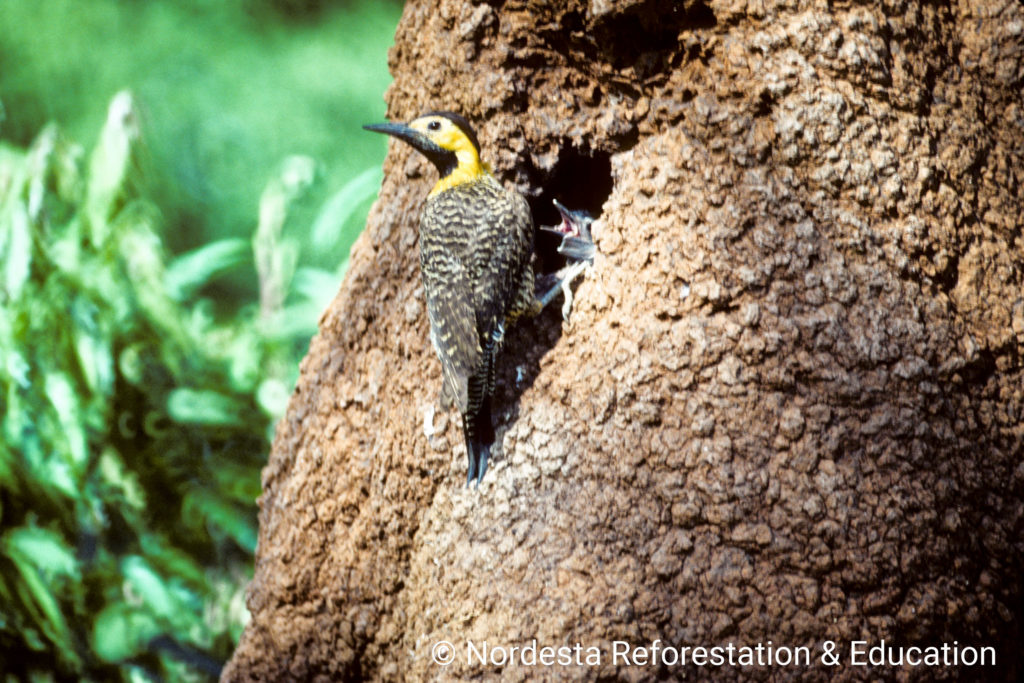
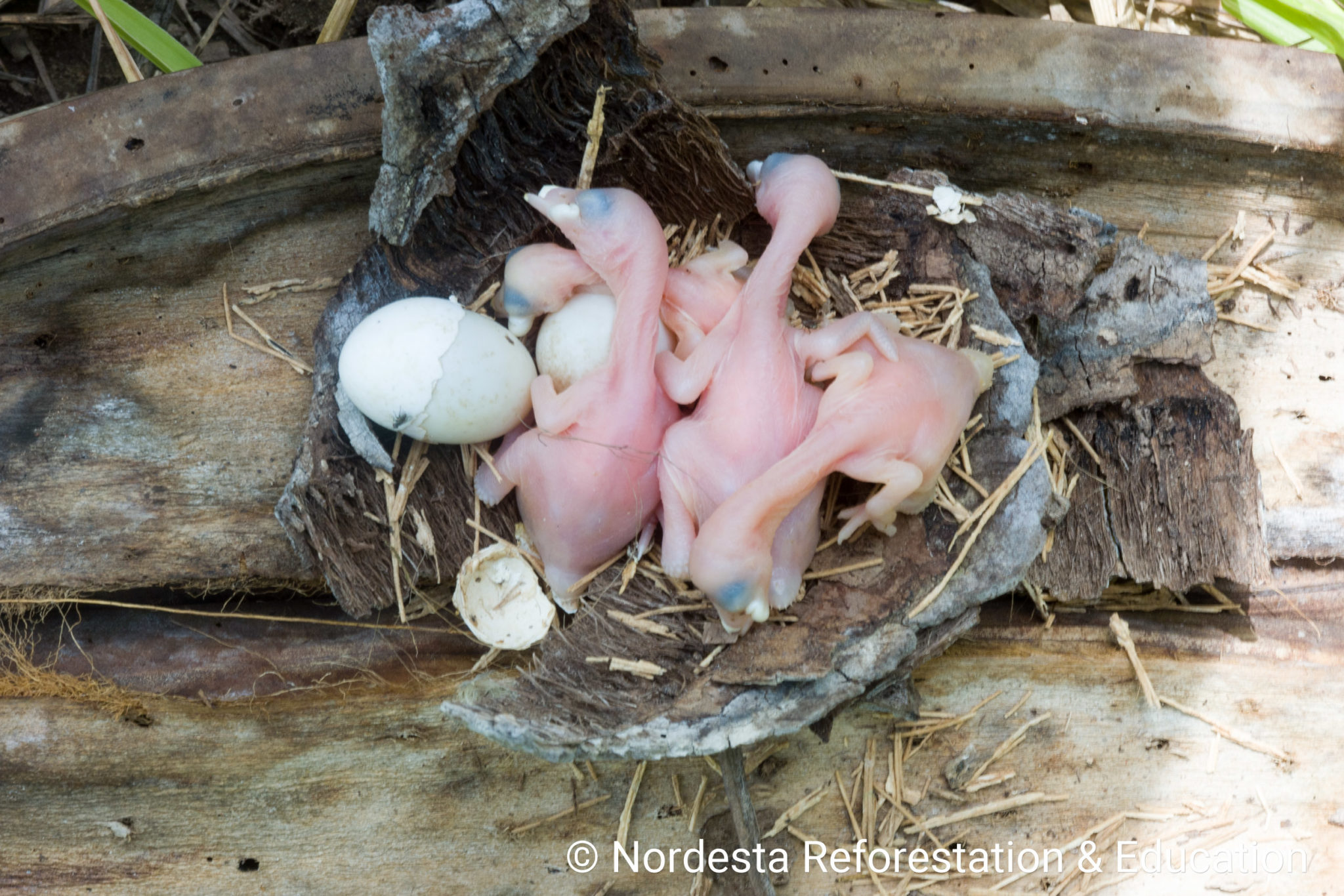
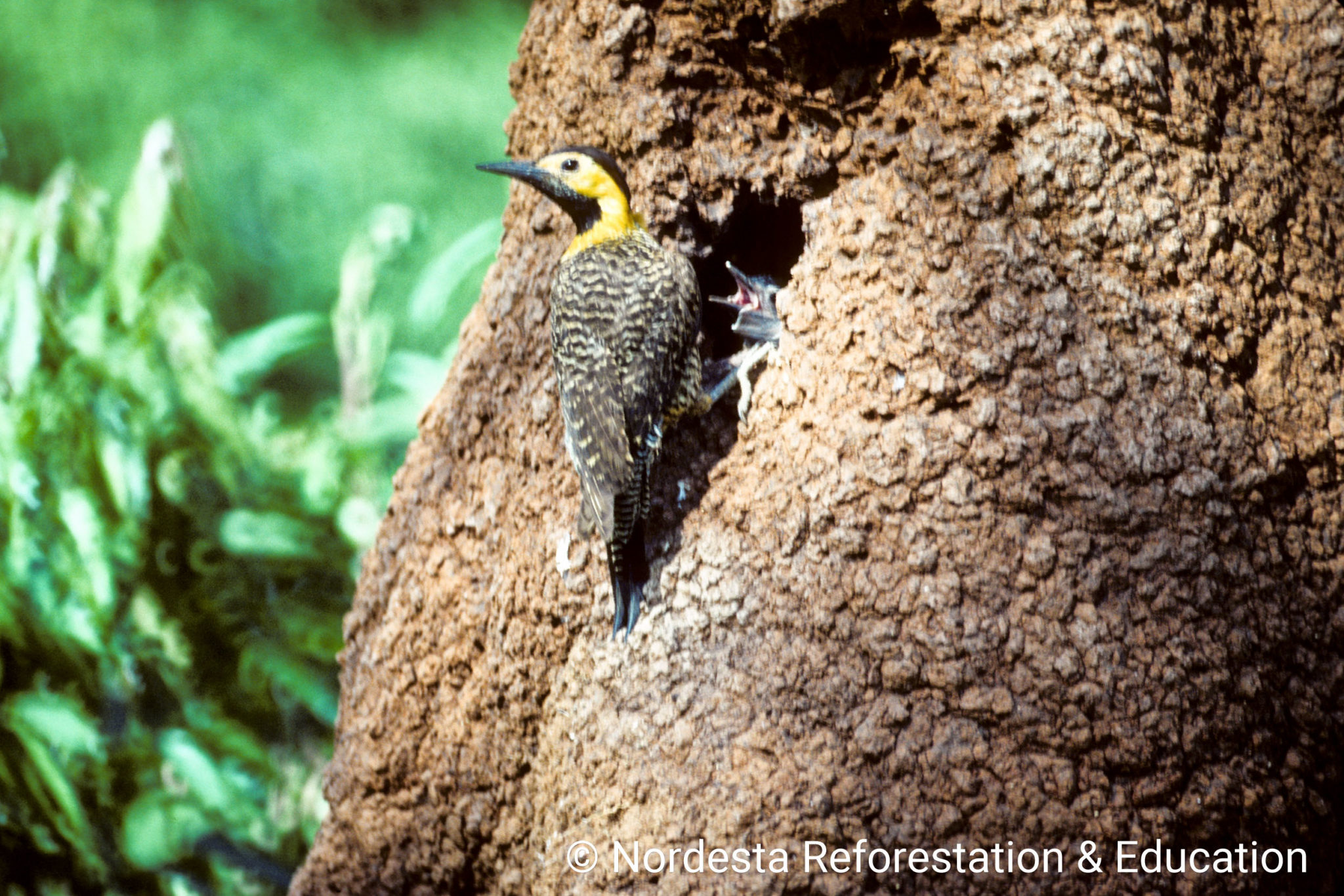
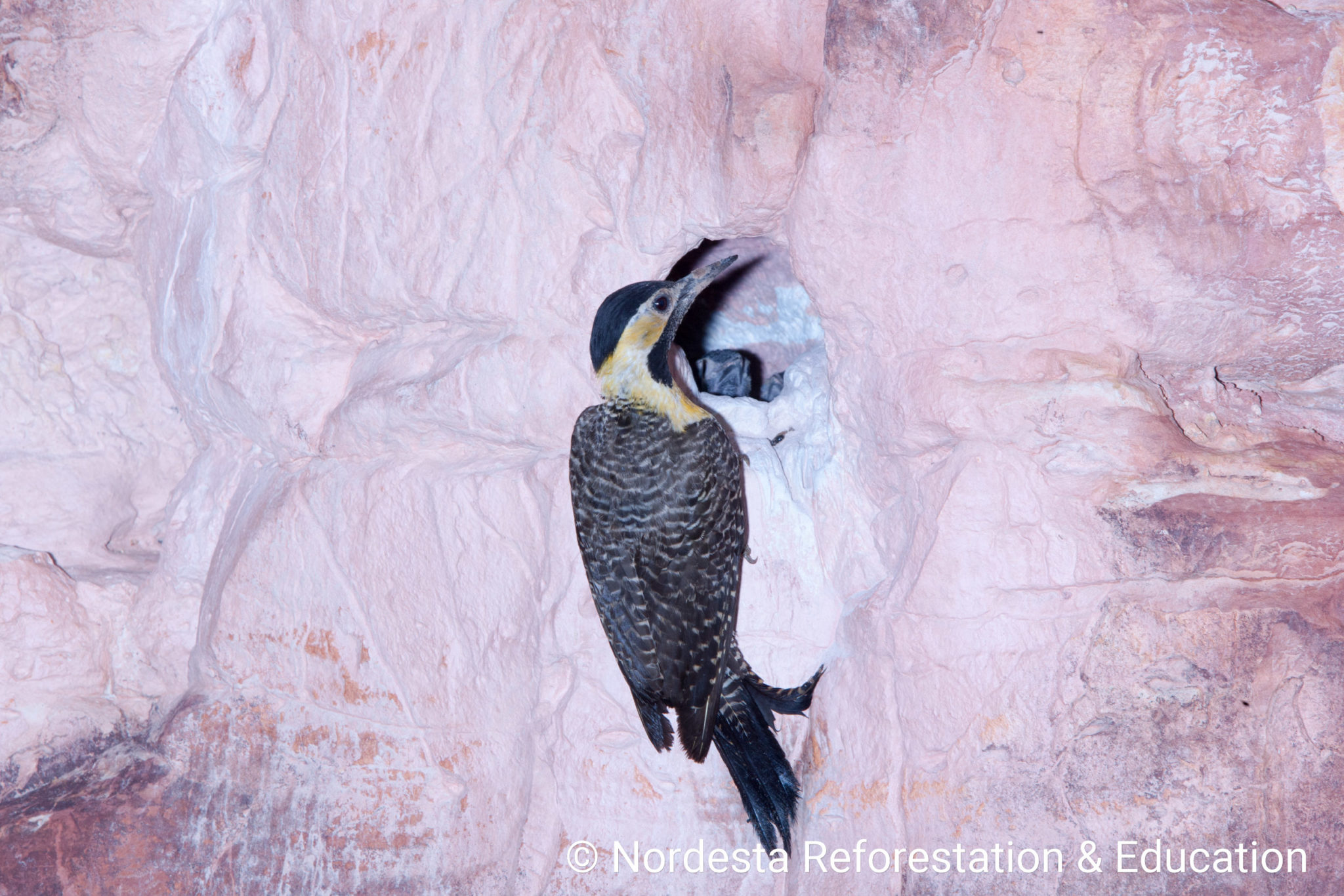
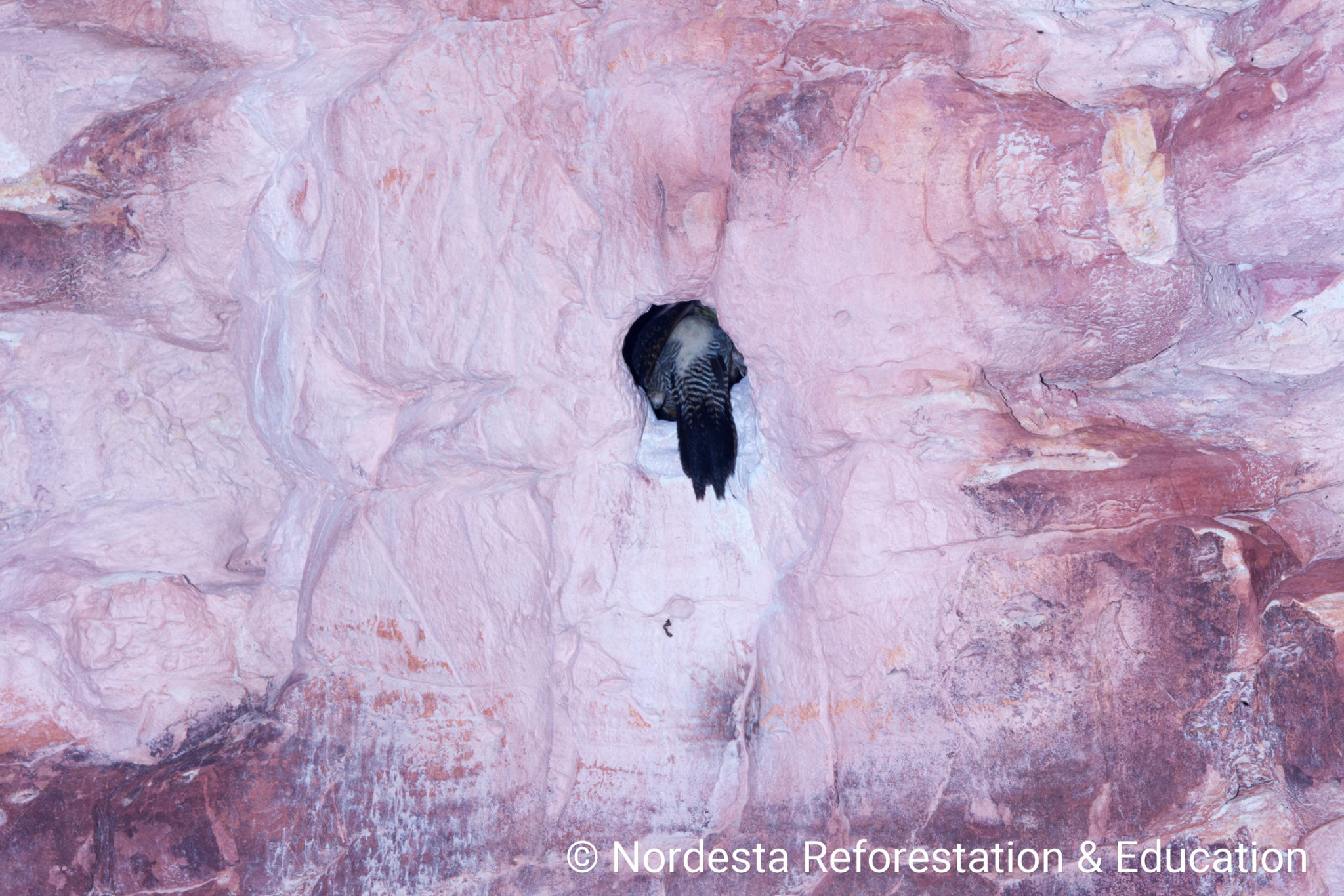
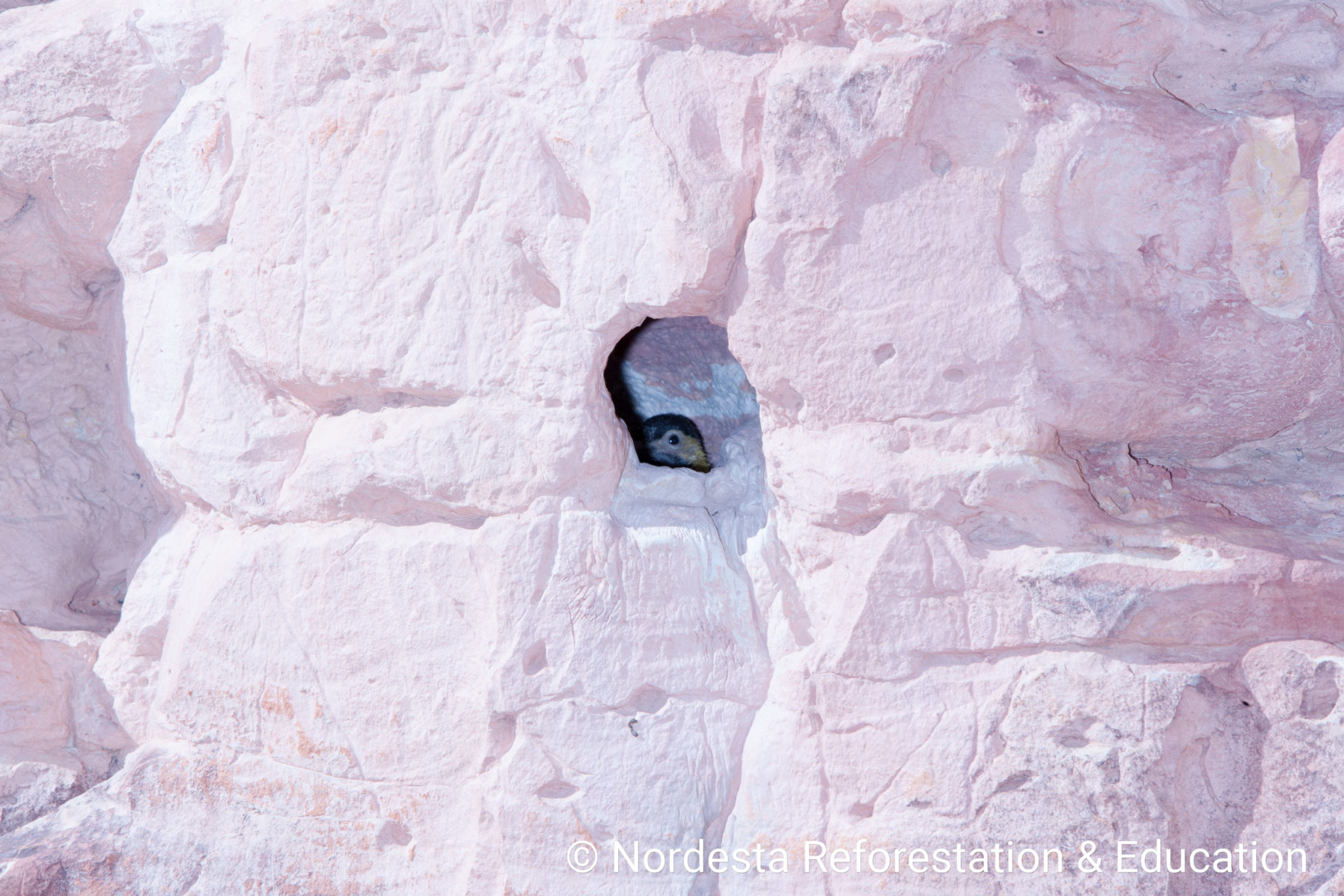
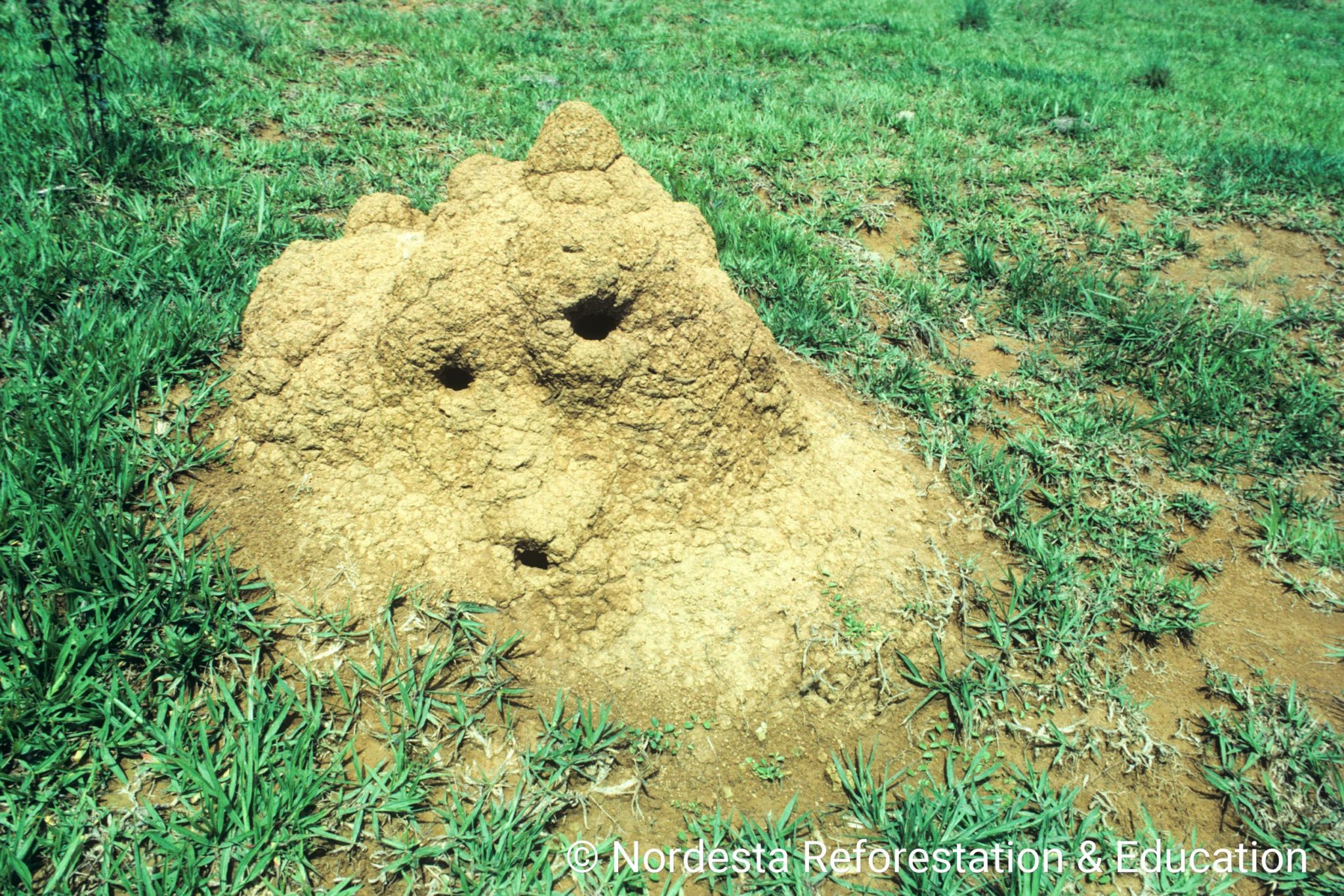
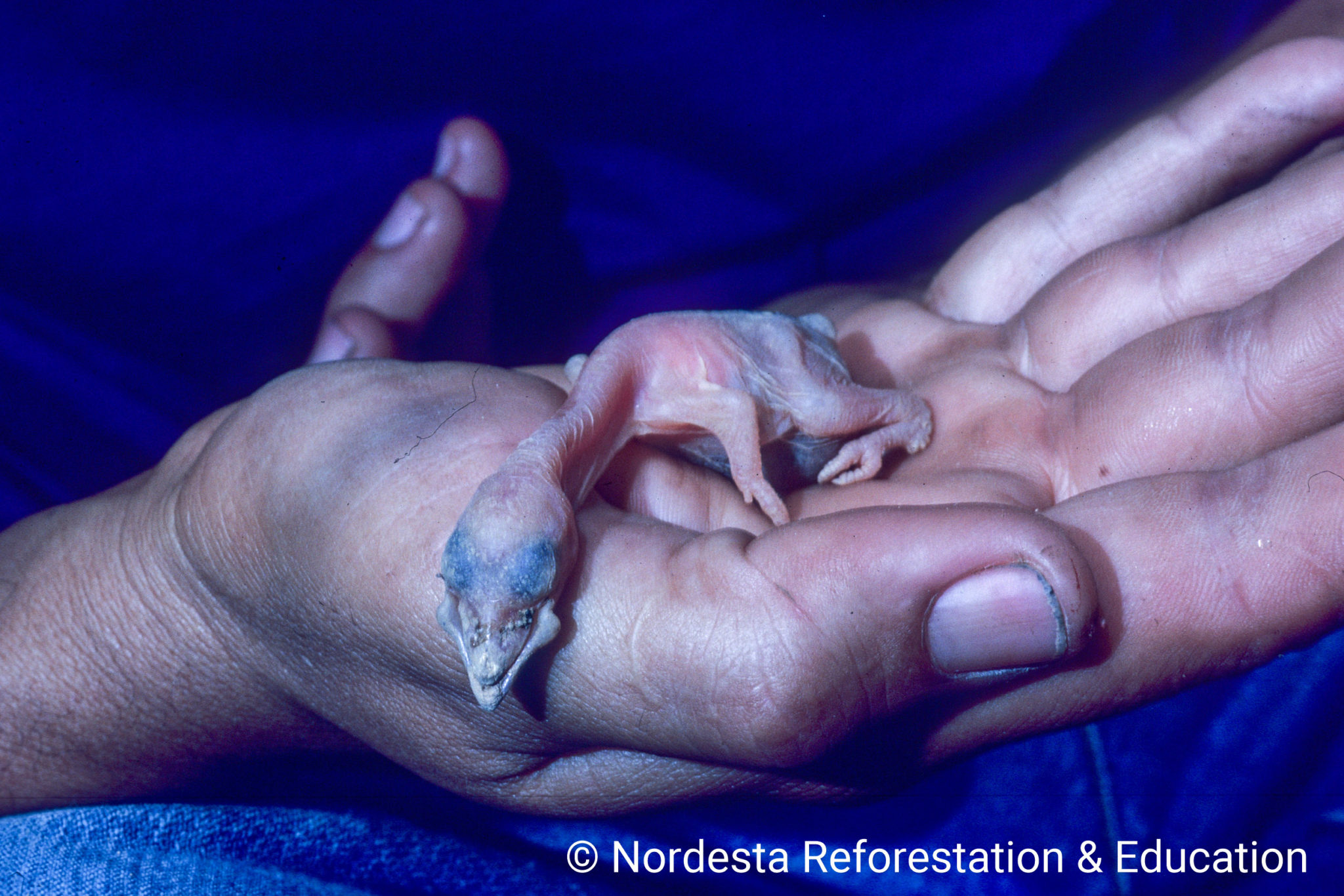
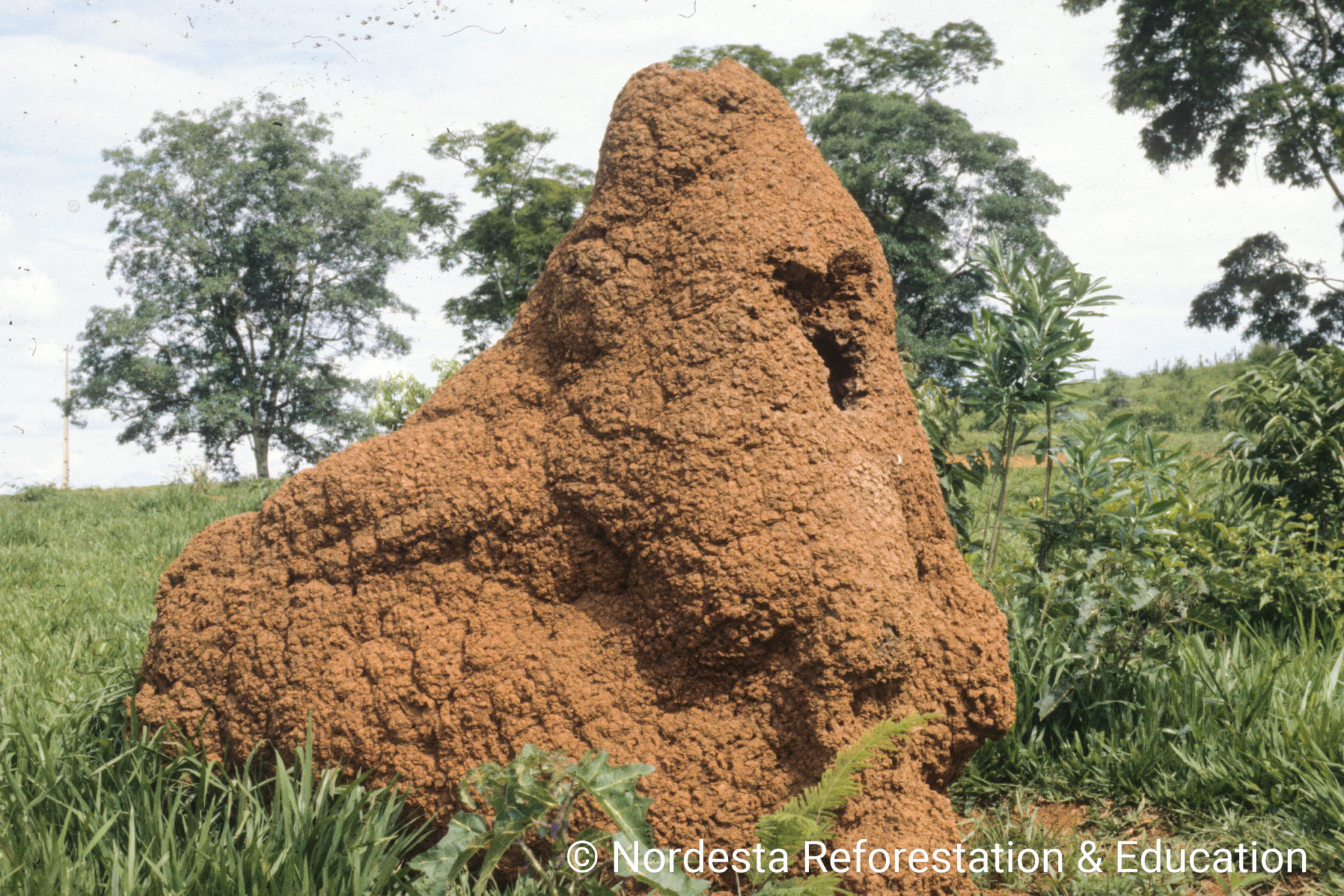
Colaptes campestris excavate their nests in termite mounds or earthen banks, typically 0.8 to 1.5 meters above ground but occasionally up to 8 meters in trees or palms. In Argentina, they also use softwood trees, burned trunks, or abandoned ovenbird nests. The entrance hole averages 10 cm in diameter, and the tunnel length is around 46 cm. The inside is not lined; eggs are laid directly at the base of the cavity.