Tyrannidae
Cliff flycatcher
Hirundinea ferruginea
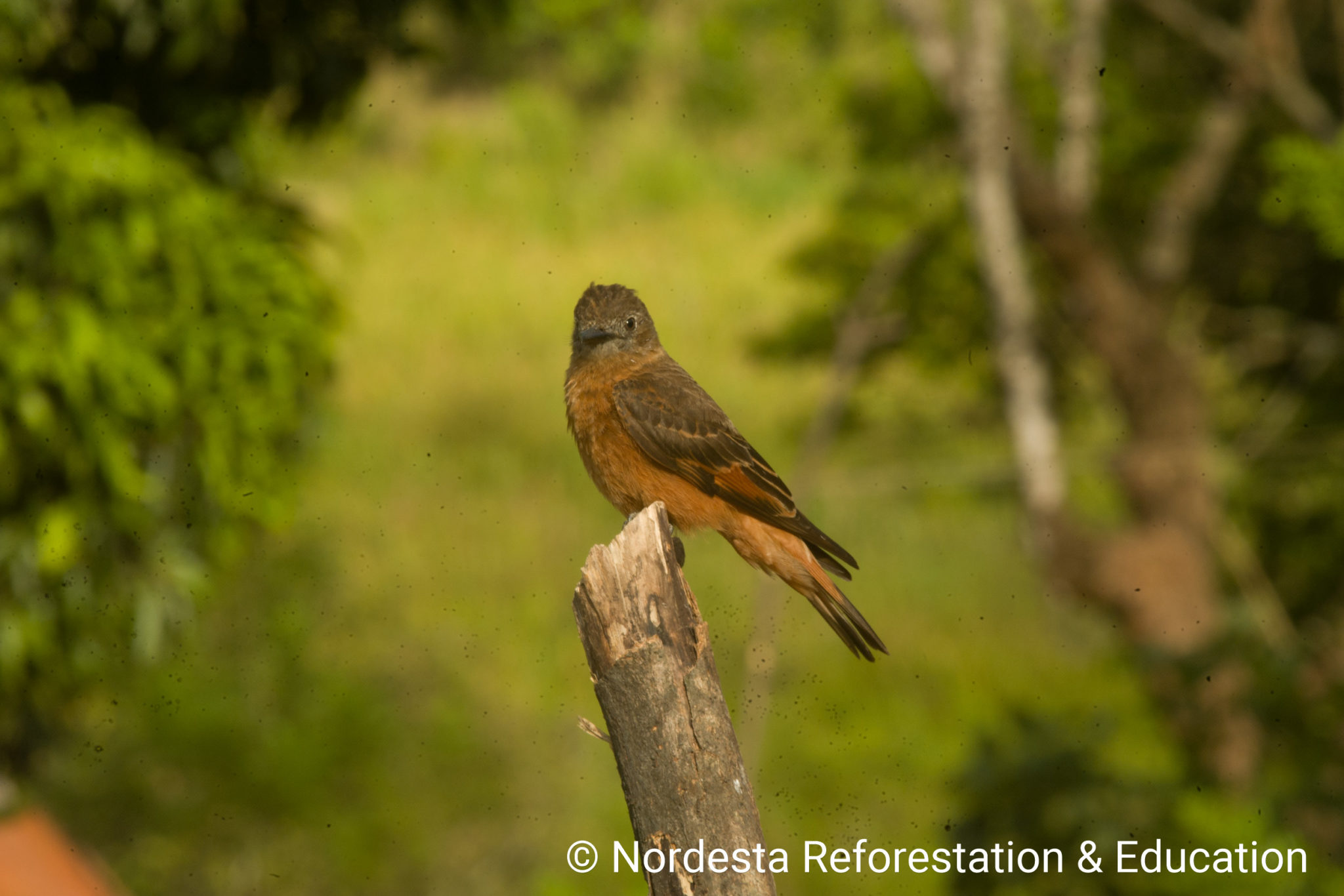
The Cliff Flycatcher, Hirundinea ferruginea, is a bird commonly seen in certain regions of Brazil and Argentina. It is known for its strong attachment to its nesting sites and its graceful, swallow-like flight.
General behavior
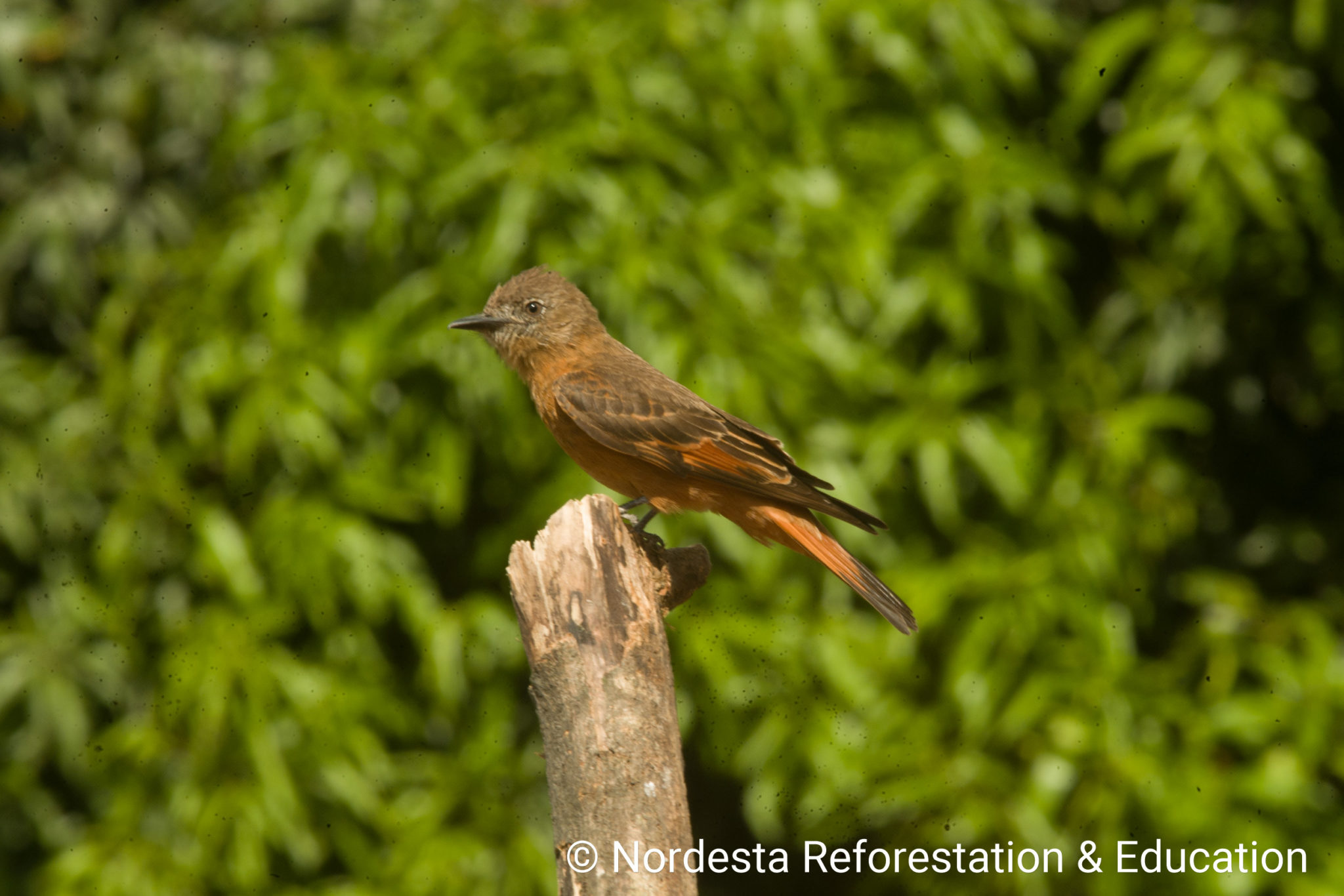
This species can be found year-round in Northeast Brazil (Quebrangulo, Alagoas), indicating resident behaviour, although some researchers consider it migratory. Males and females work together to build nests, incubate eggs, and raise their young. When disturbed, they emit sharp calls to ward off intruders. Their flight is smooth and continuous, often using rock walls and air currents for insect hunting. We observed pairs perching on electric wires or fences near pastures while foraging.
Habitat
Cliff Flycatchers prefer open landscapes with scattered trees and rocky formations. They are also adaptable and make use of human-made structures.
Nest observation sites
We recorded nests in Quebrangulo, Alagoas (14 nests).
Breeding season
The breeding season spans from March to May in Quebrangulo, Alagoas.
The nest
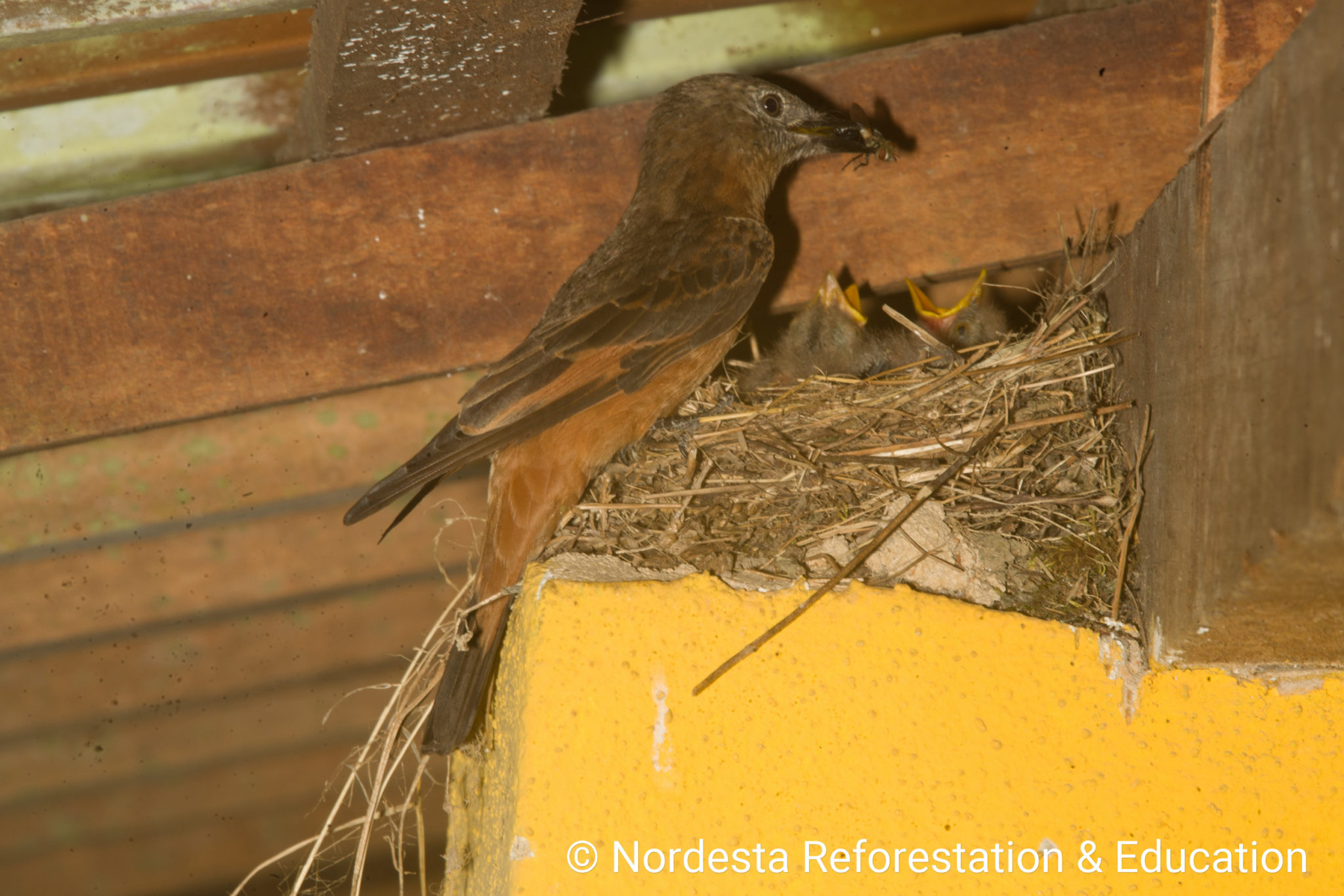
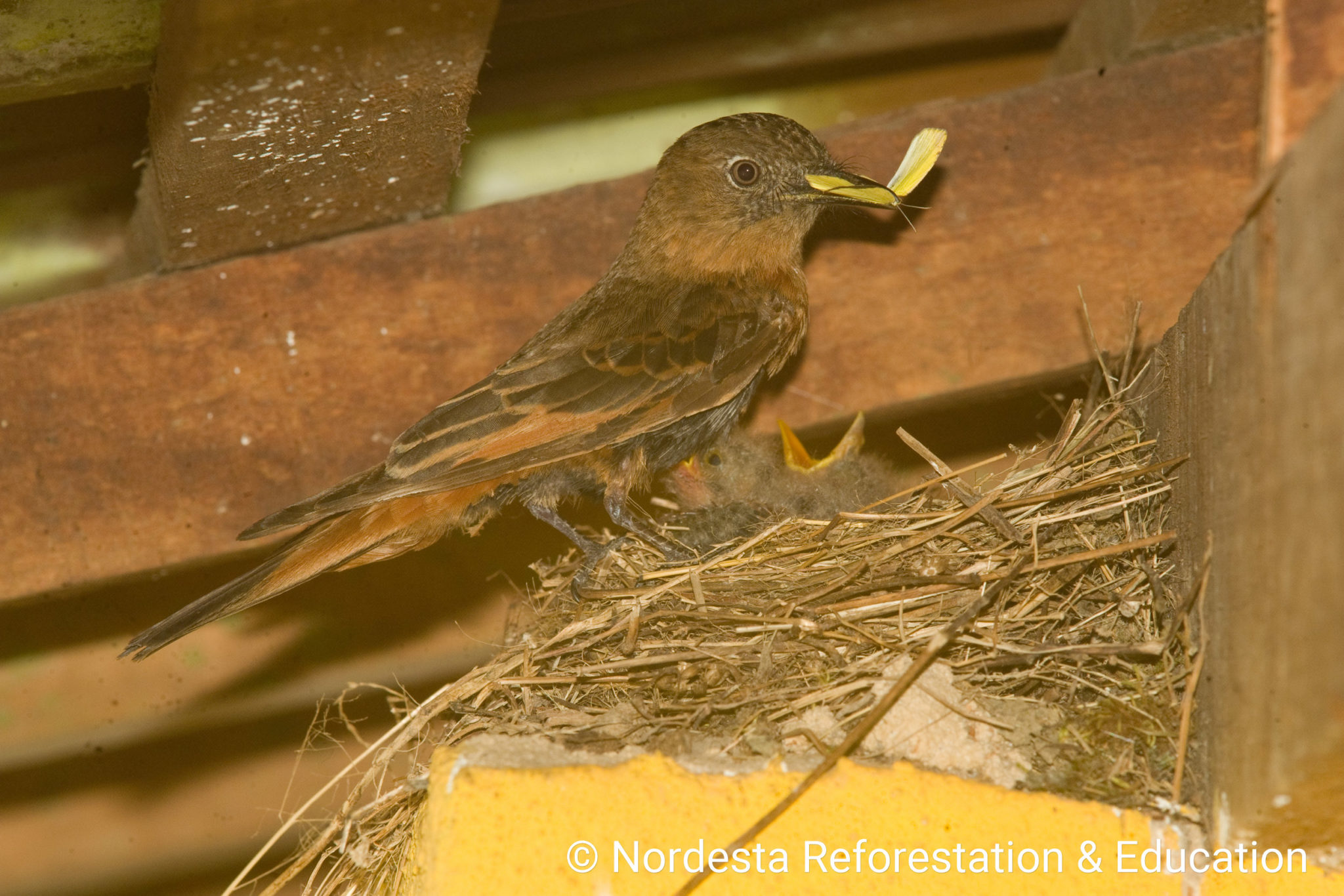
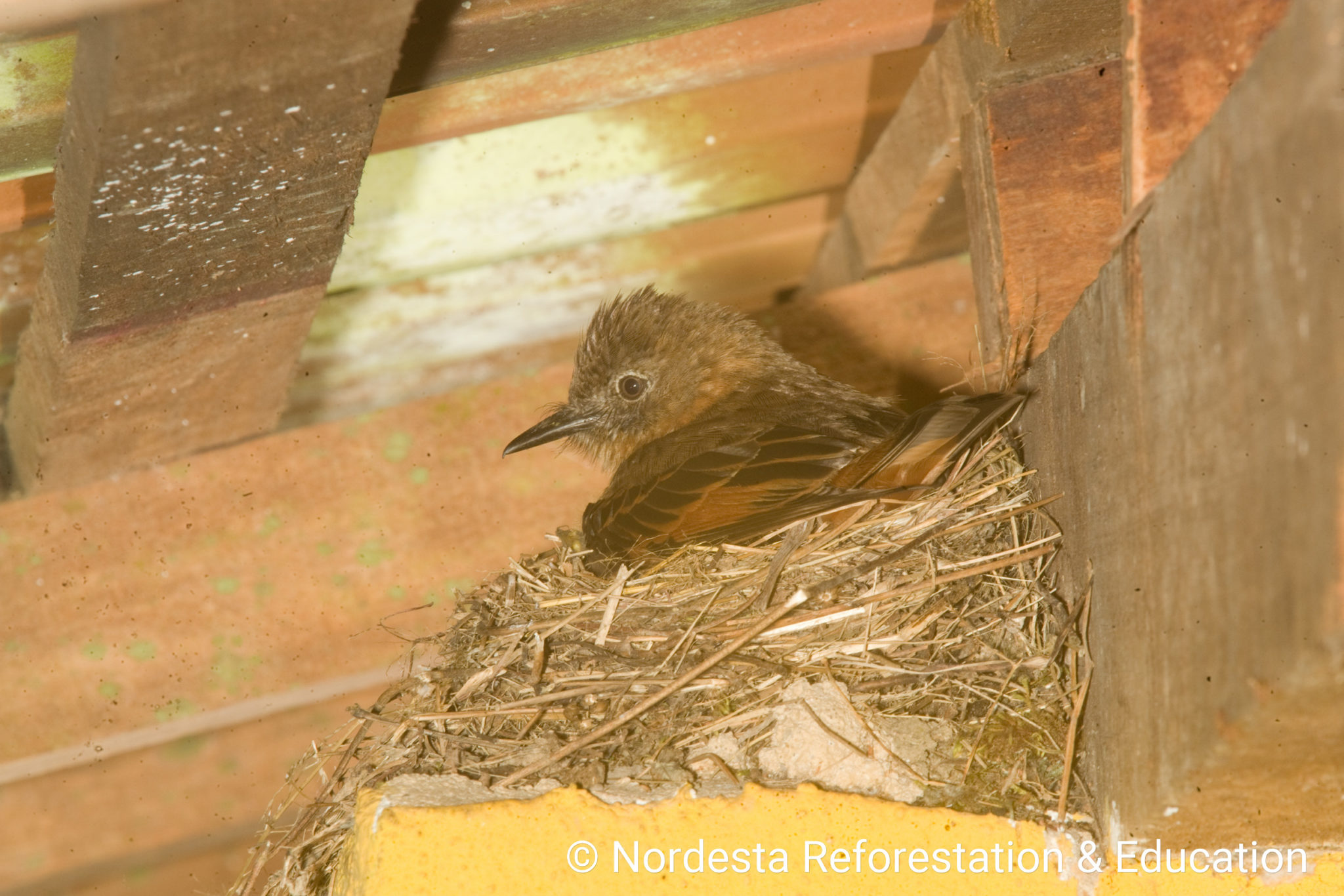
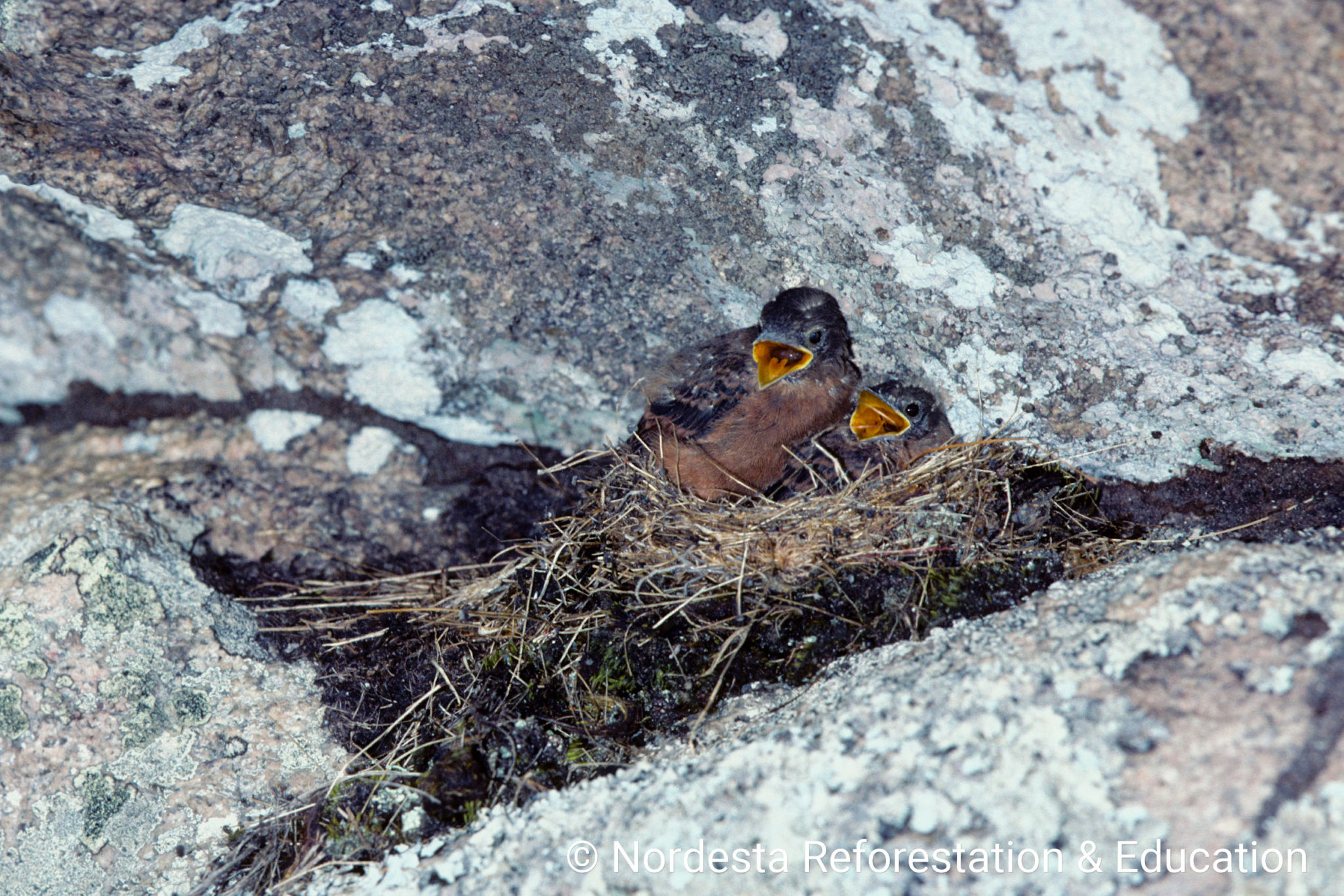
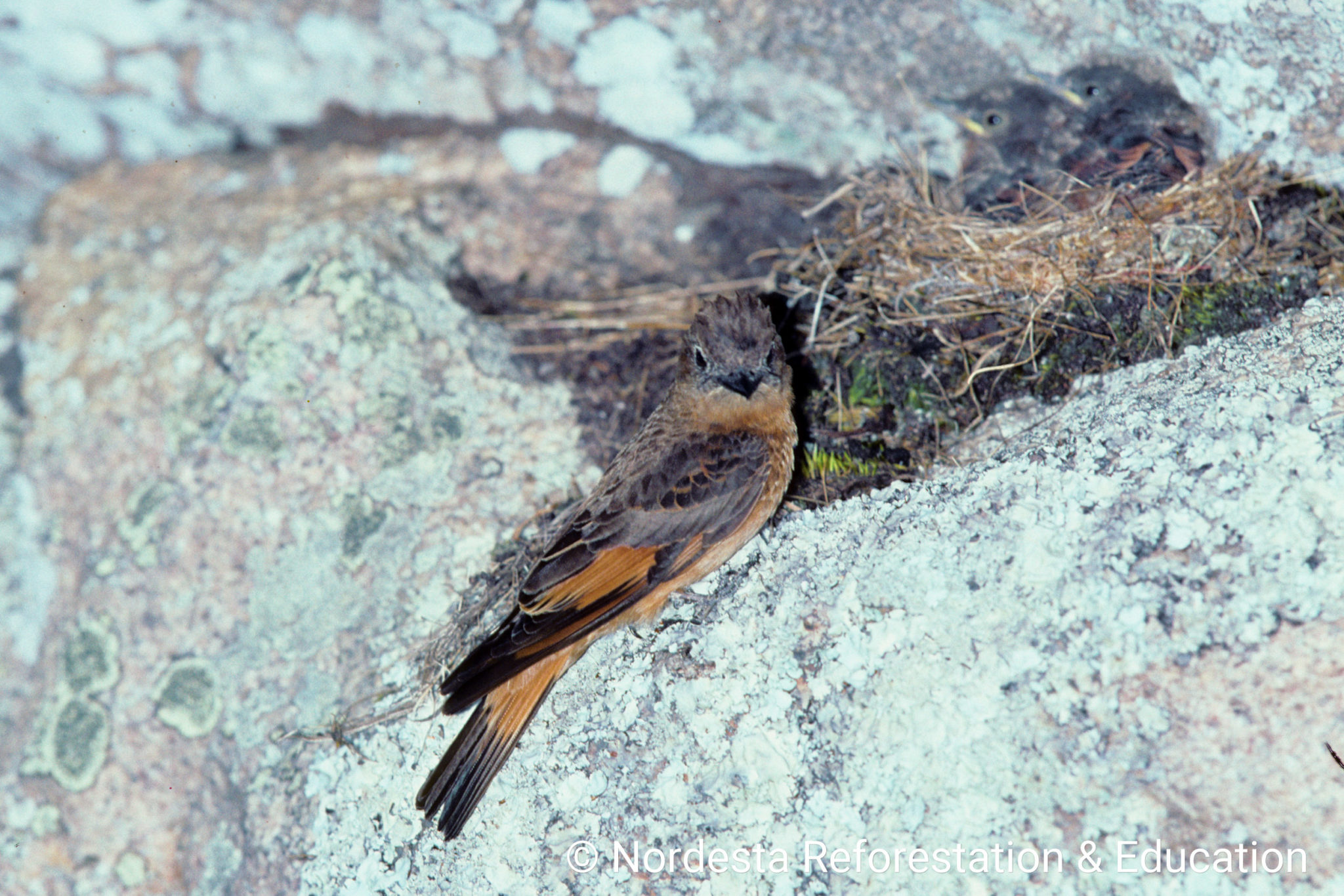
The nest is bowl-shaped and constructed from plant fibres, stems, and sometimes animal materials. The inner lining typically includes feathers or horsehair. It is usually placed in rock crevices but can also be found on beams and under roofs of buildings, windowsills, and wall cavities, between 2.5 and 15 meters off the ground.
Cliff Flycatchers are loyal to their territories and often return to the same nesting spots annually. Nests may be reused or rebuilt and are often reinforced with small rocks or similar materials. Construction takes about 15 to 25 days.
Feeding can occur up to 30 times within two hours, and adults often remove faecal sacs after feeding.