Tyrannidae
Crowned slaty flycatcher
Empidonomus aurantioatrocristatus
The Crowned slaty flycatcher, Griseotyrannus aurantioatrocristatus is typically found in southeastern and central South America and is known for its quiet nature and acrobatic hunting style.
General behavior
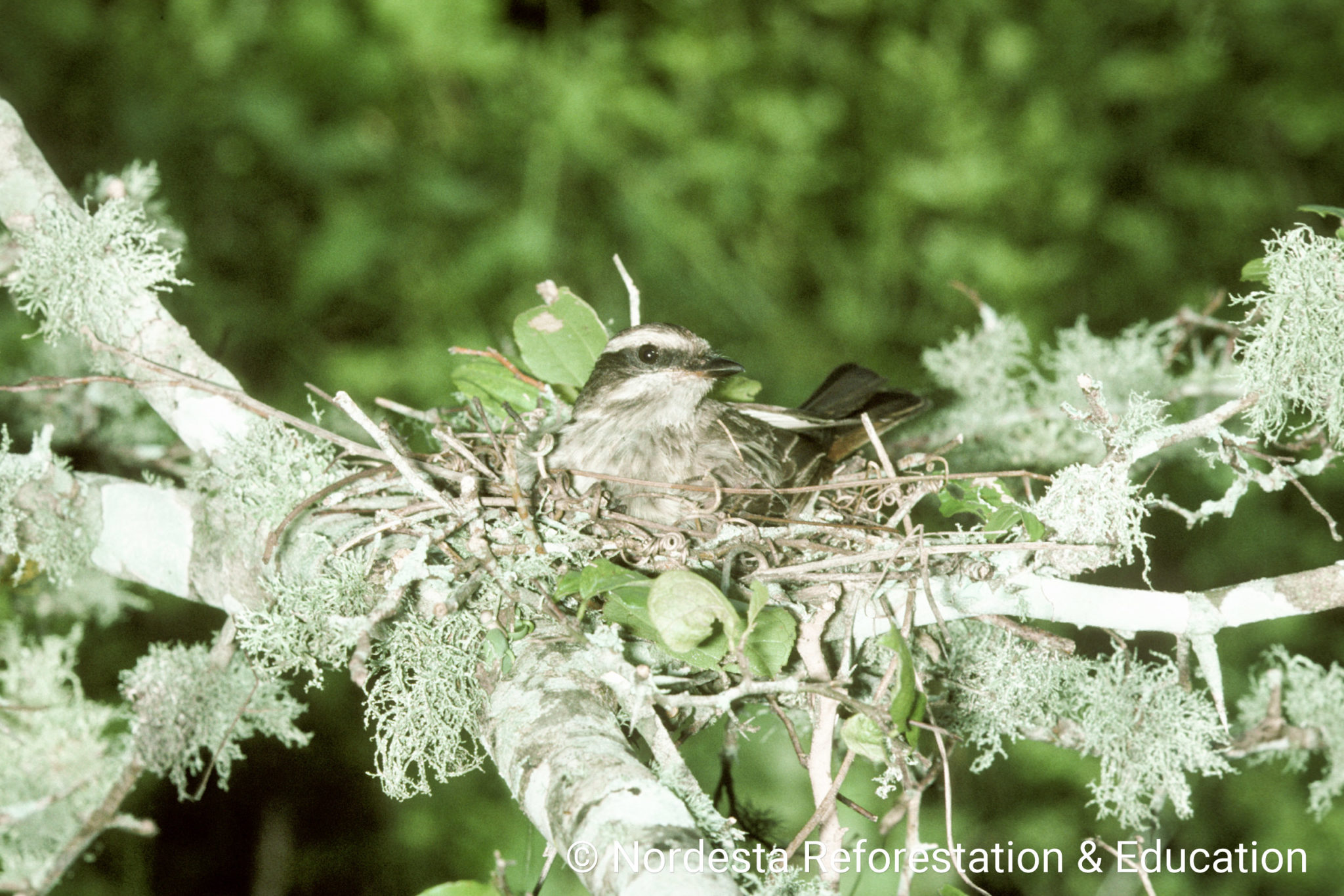
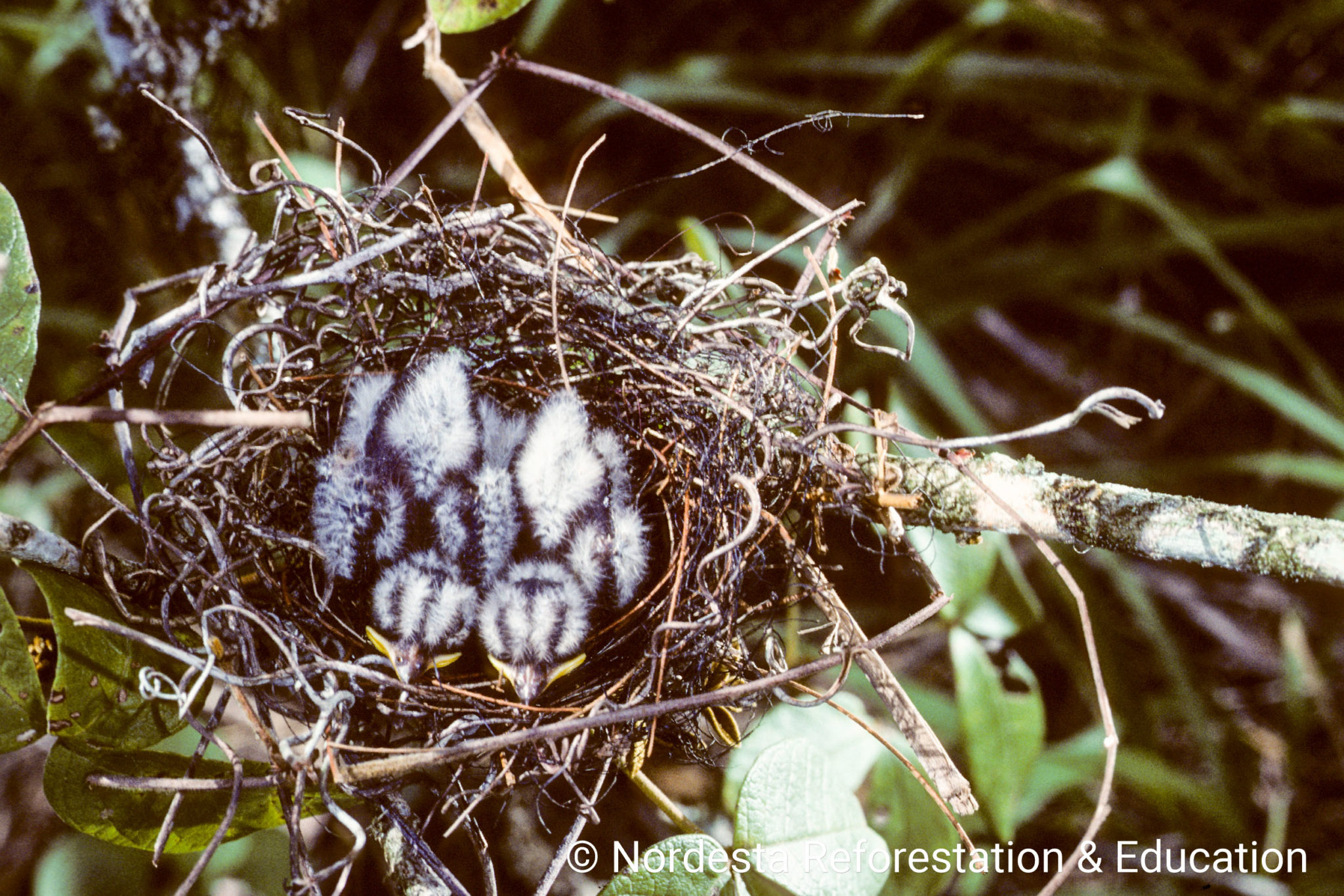
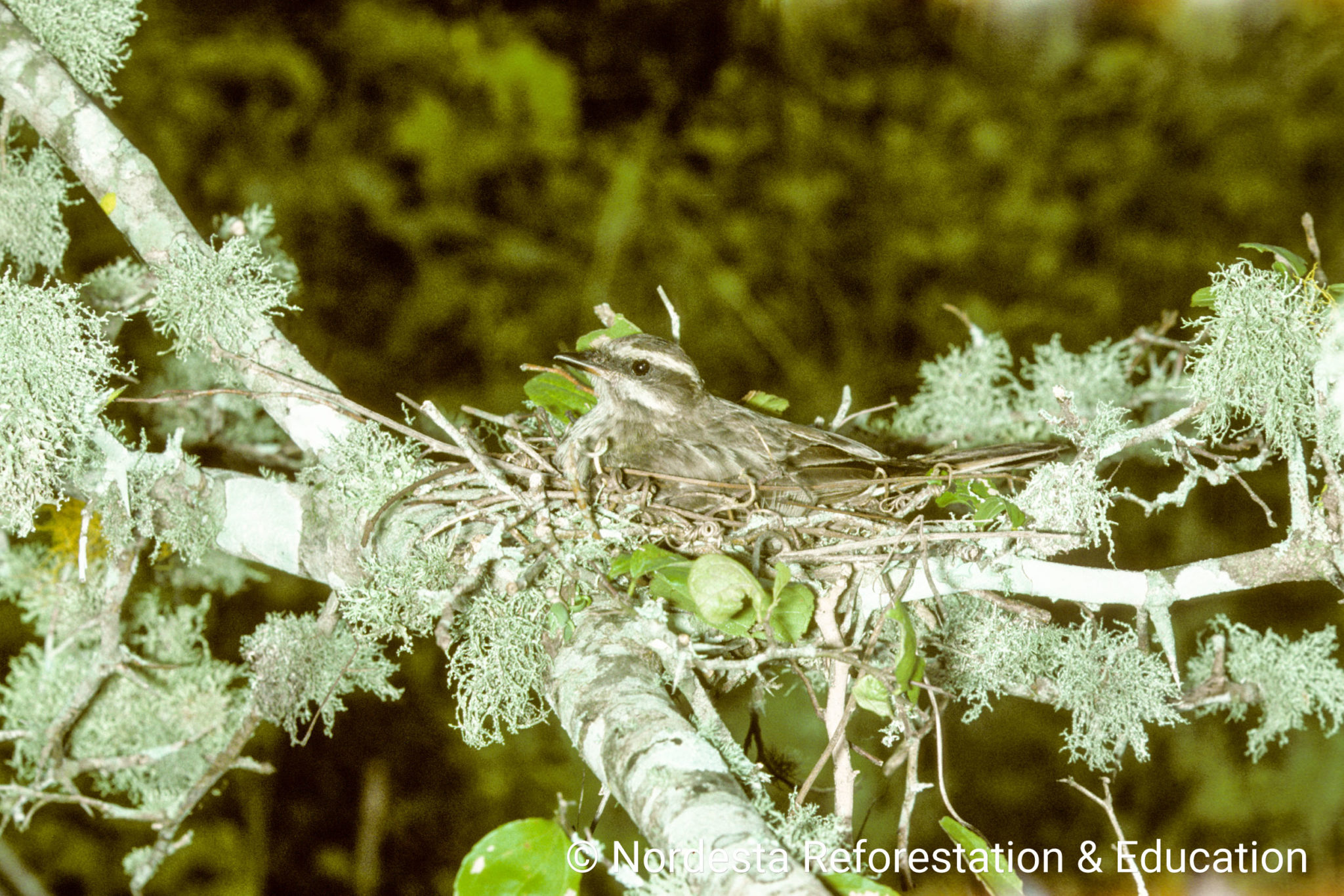
The species is generally calm and often allows close human observation. However, during the breeding season, it becomes territorial and aggressive around its nest. Both parents participate in building the nest, incubating the eggs, and feeding the chicks—usually with whole insects caught in flight. They are often seen perched on fences, branches, or electric wires, launching into short flights to catch prey. The species is migratory, arriving in Arcos in September and leaving by February. Courtship involves a characteristic wing-beating display. Pairs may return to the same nesting area year after year.
Habitat
The Crowned slaty flycatcher prefers wooded fields, cultivated land, and plantations. Nests have been observed both in rural areas and near human dwellings.
Nest observation sites
We observed and recorded nests in Arcos, Minas Gerais (9 nests).
Breeding season
In Arcos, the breeding season spans from October to November.
The nest
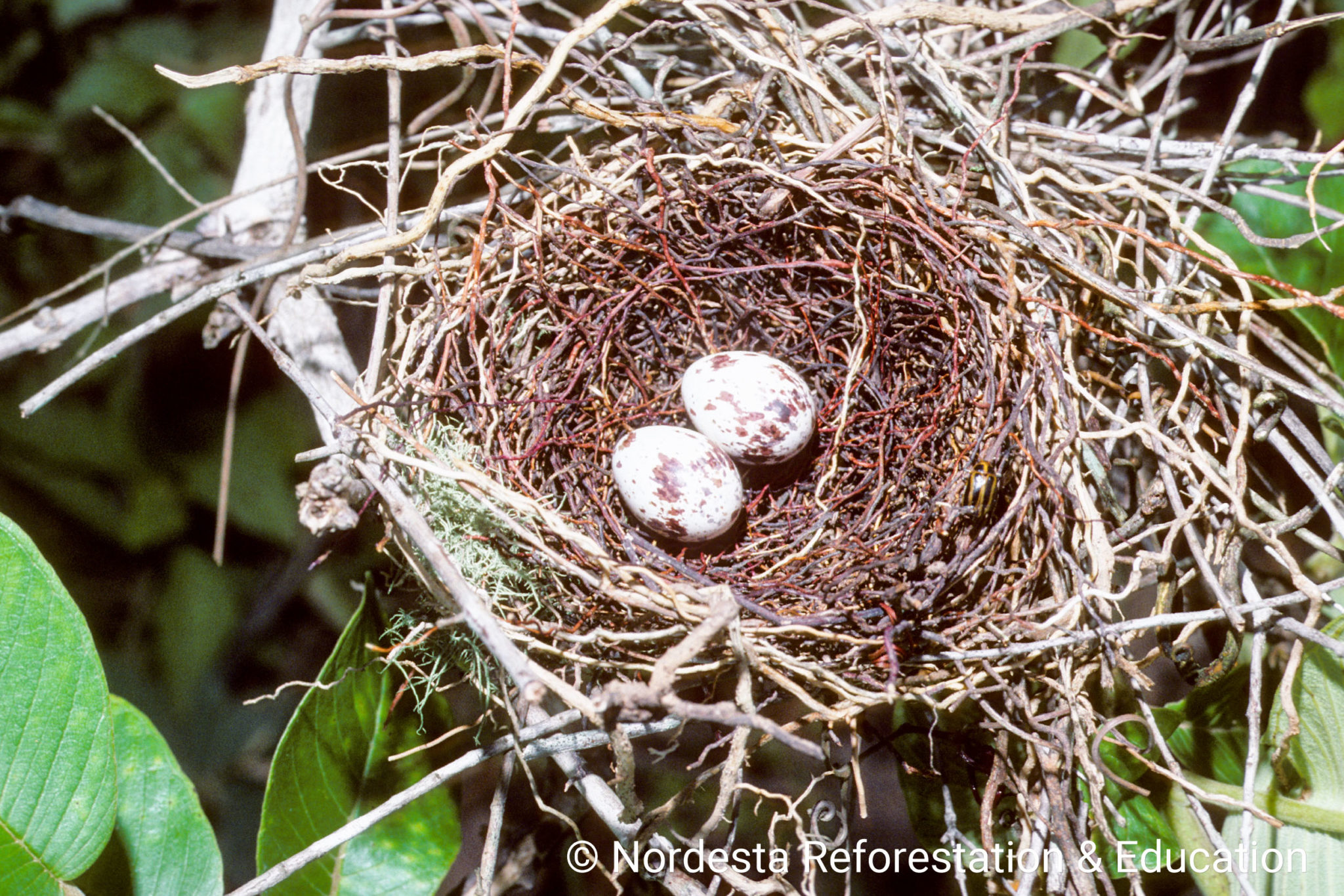
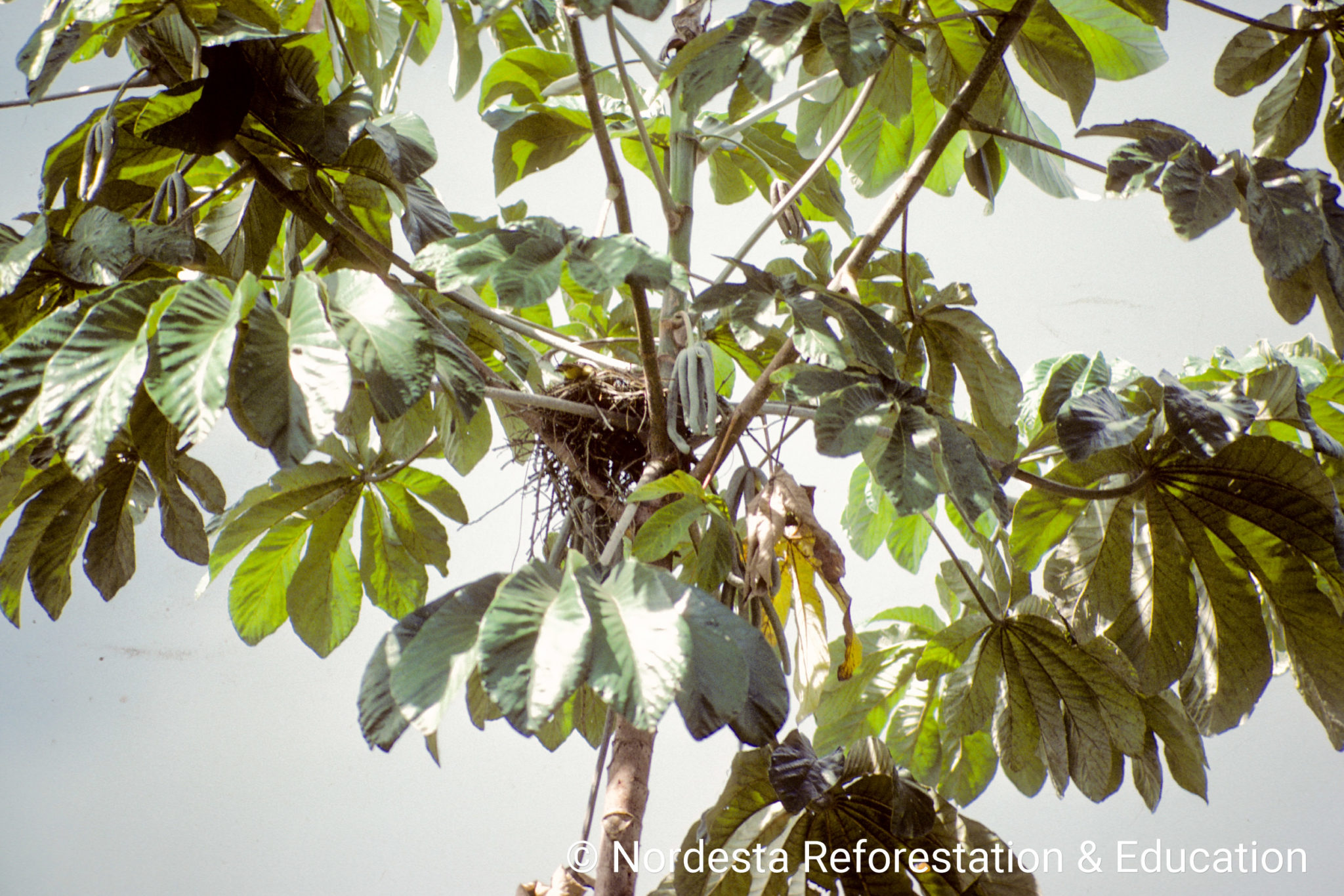
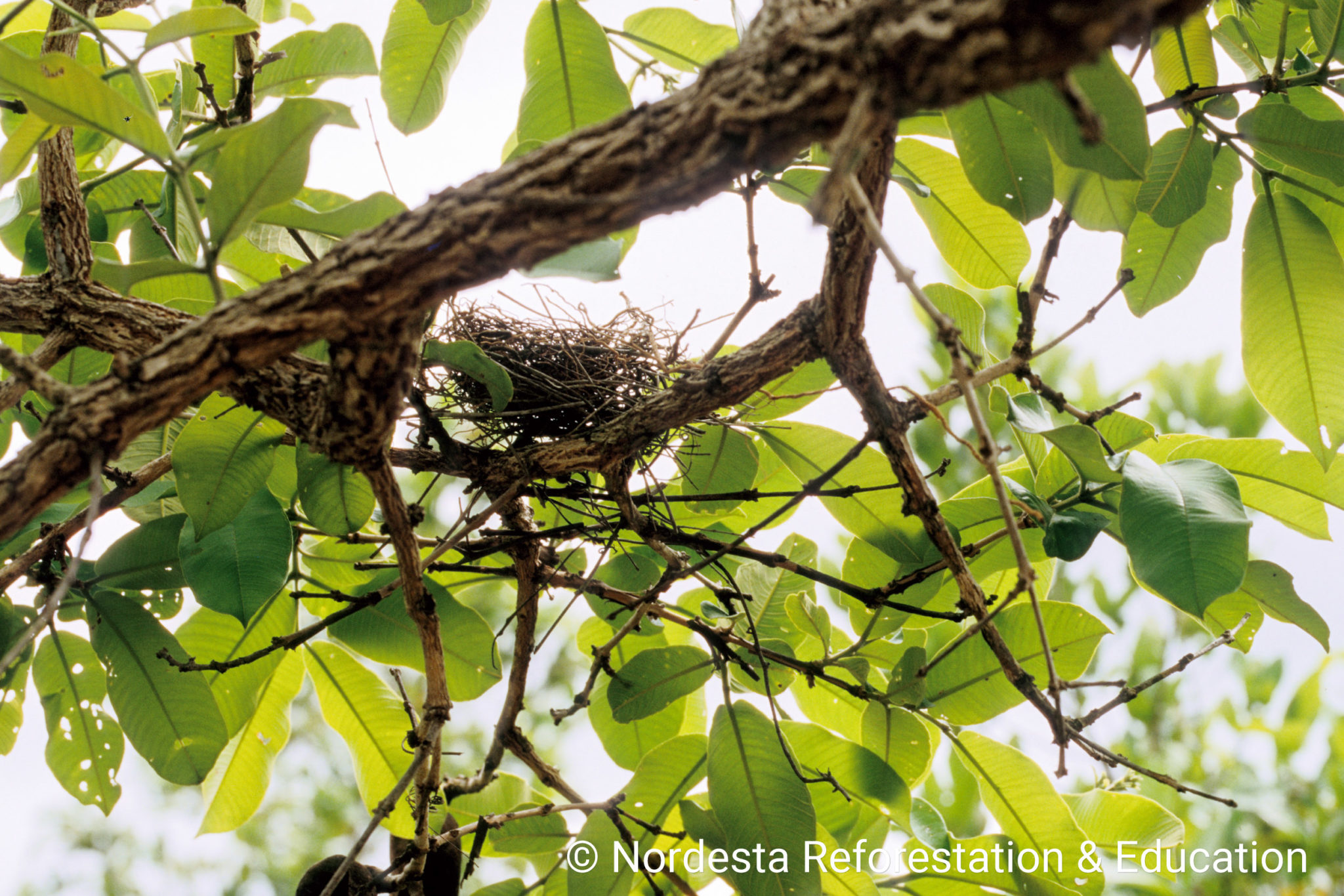
Nests are shallow, cup-shaped, and sometimes partially transparent. They are usually built 1 to 3 meters above the ground in the forks of small trees such as citrus, guava, and other fruiting species. Occasionally, nests are found in unusual places like orchid clusters or even on electric meters. In some regions, nests were placed on trees like Annona, Eriotheca, Qualea, and leguminous species like Geoffroea decorticans and Prosopis. Those nests were found from 1.6 to 12 meters above the ground, often exposed or built on epiphytes such as Tillandsia.
Construction materials include twigs, dry grasses, vines, horsehair, and human-made items like nylon threads and bits of barbed wire.