Cuculidae
Greater ani
Crotophaga major
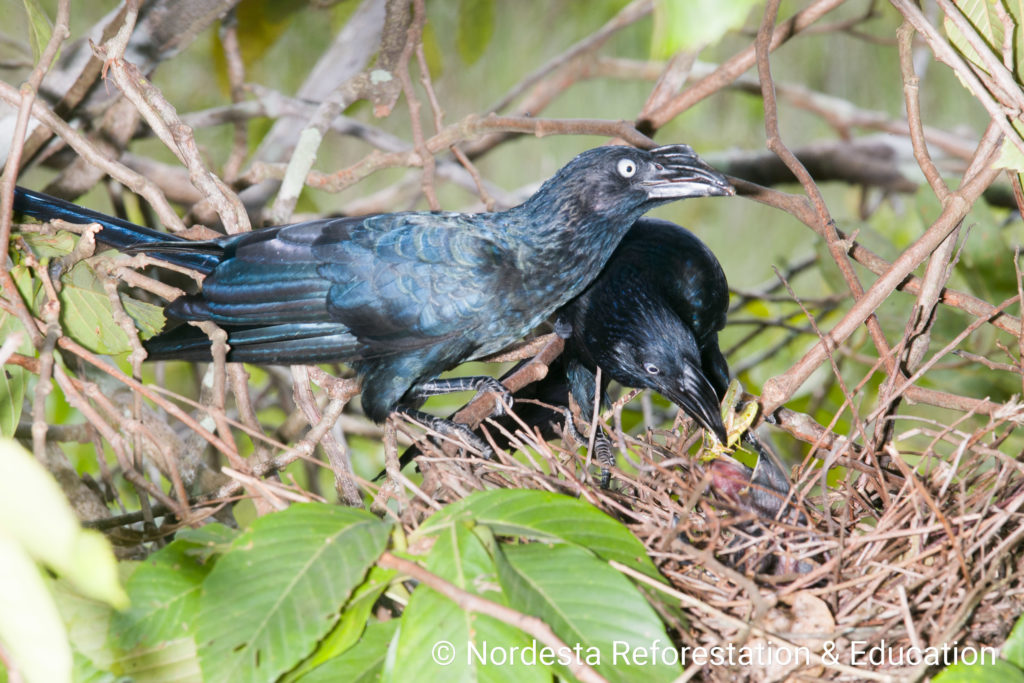
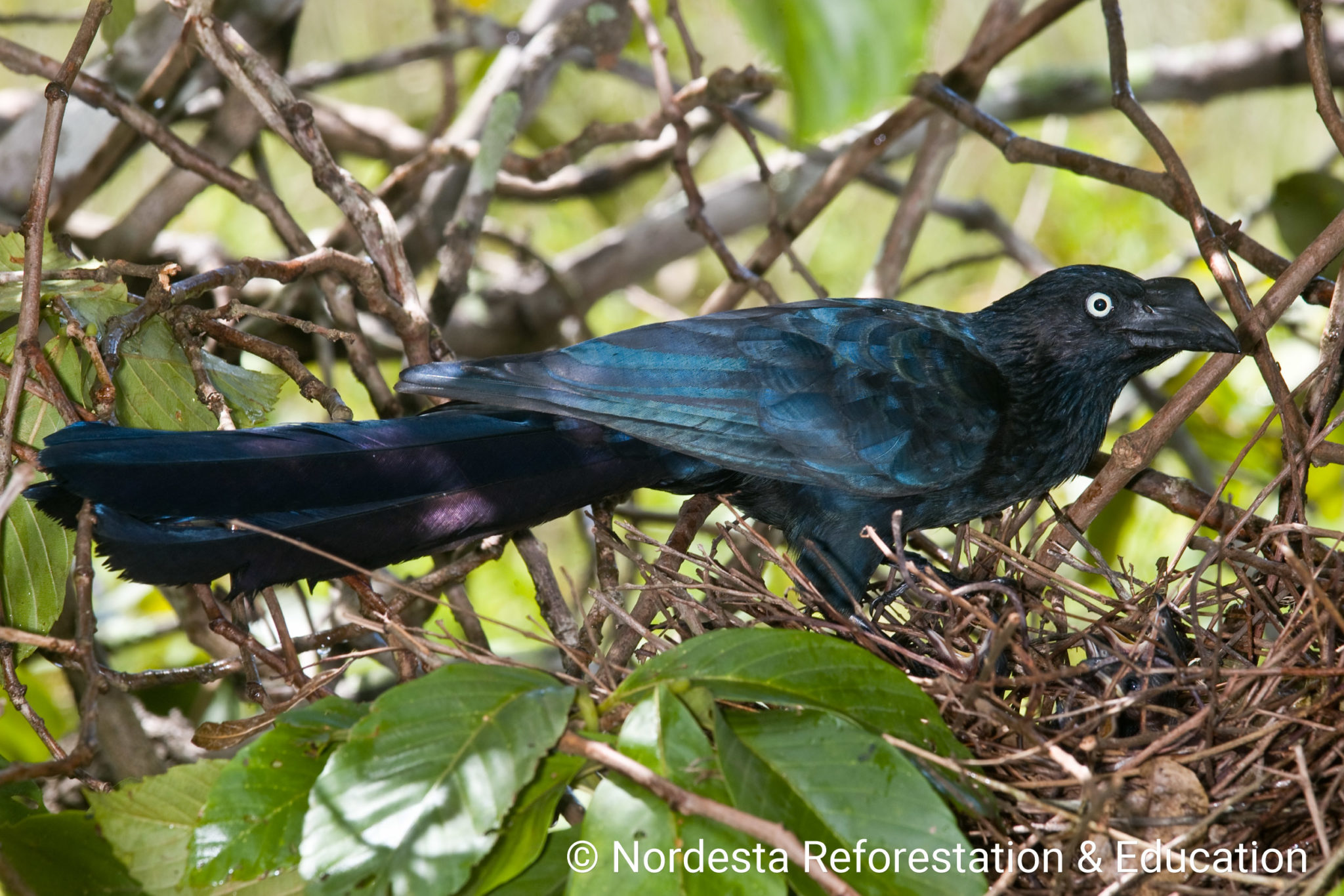
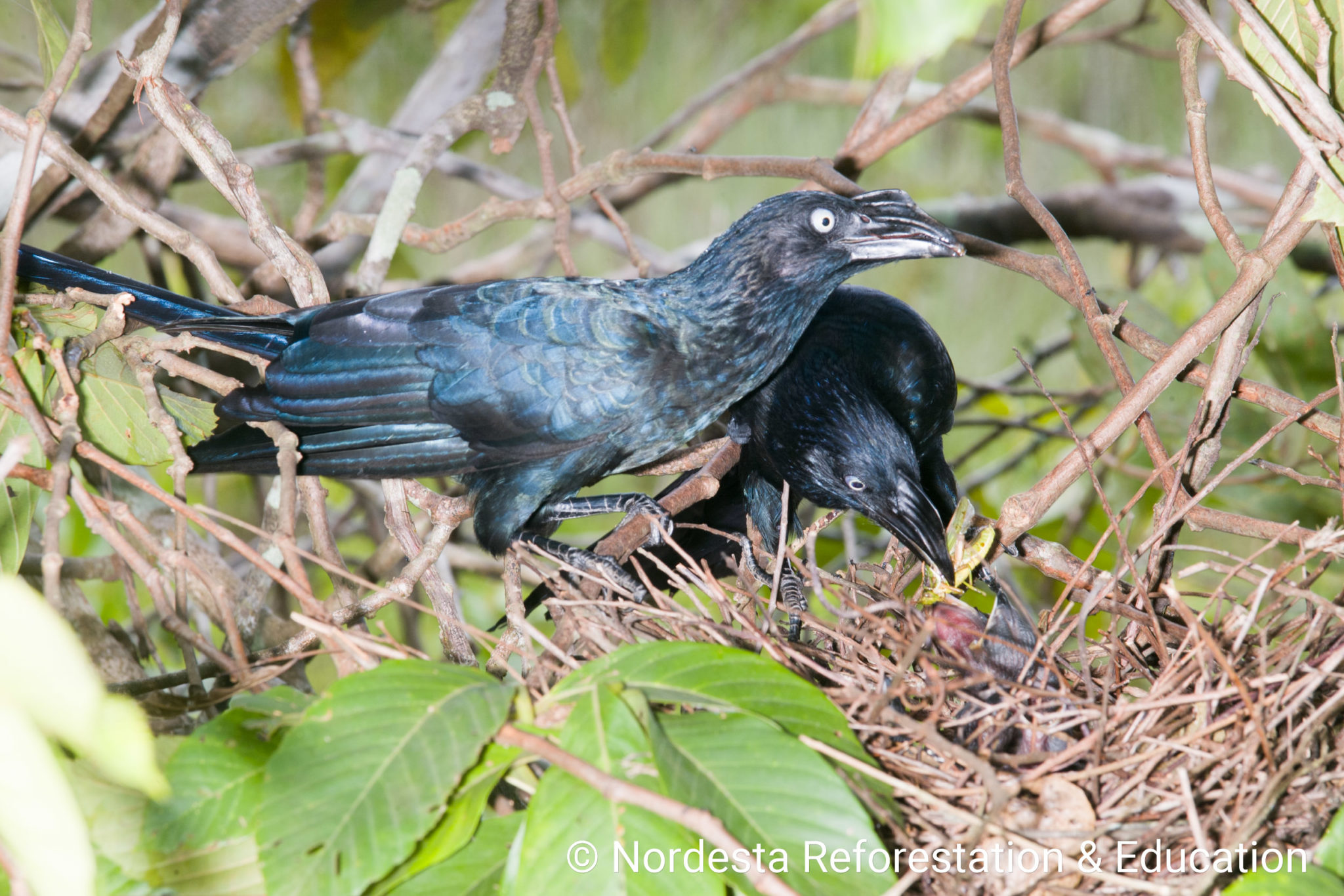
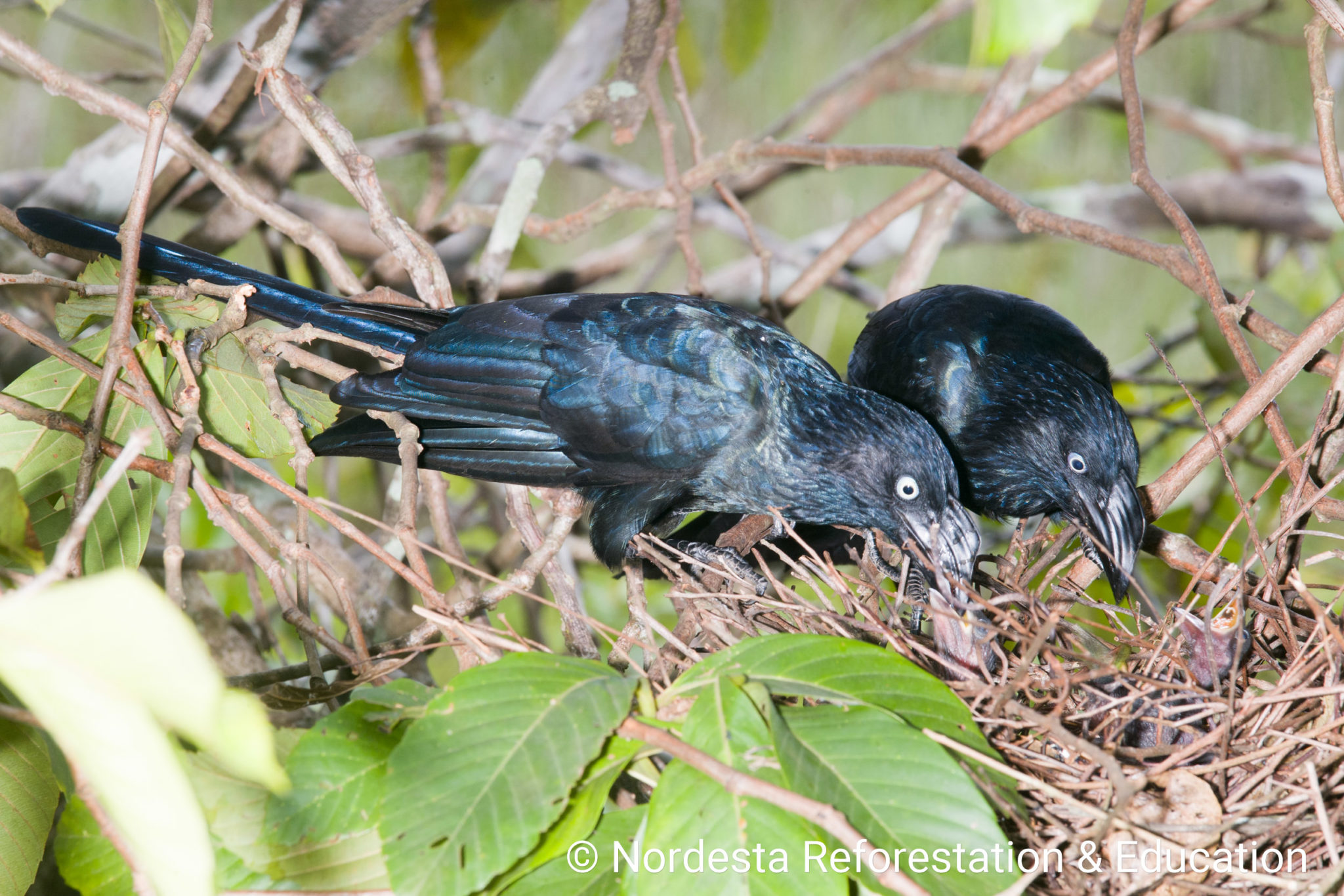
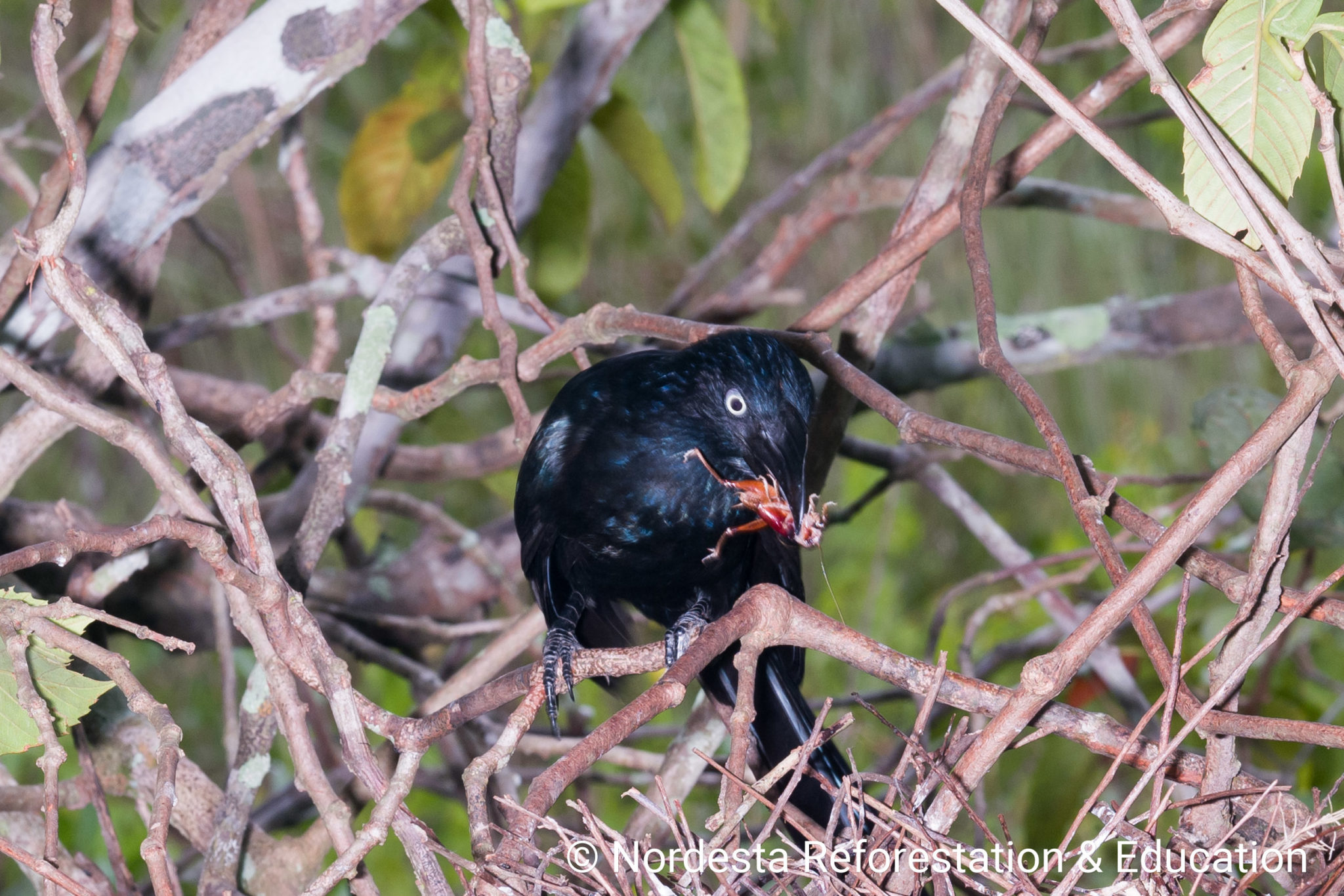
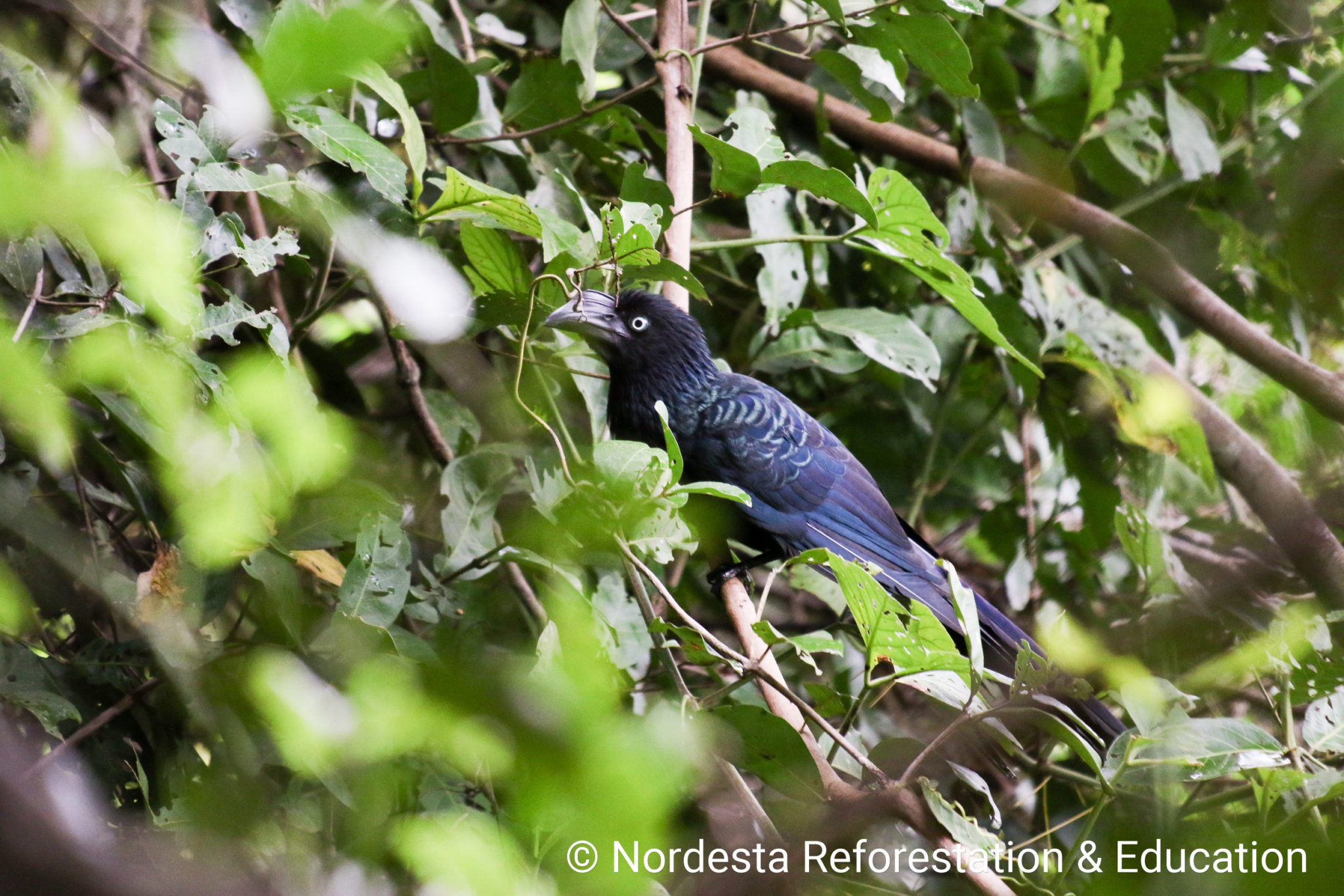
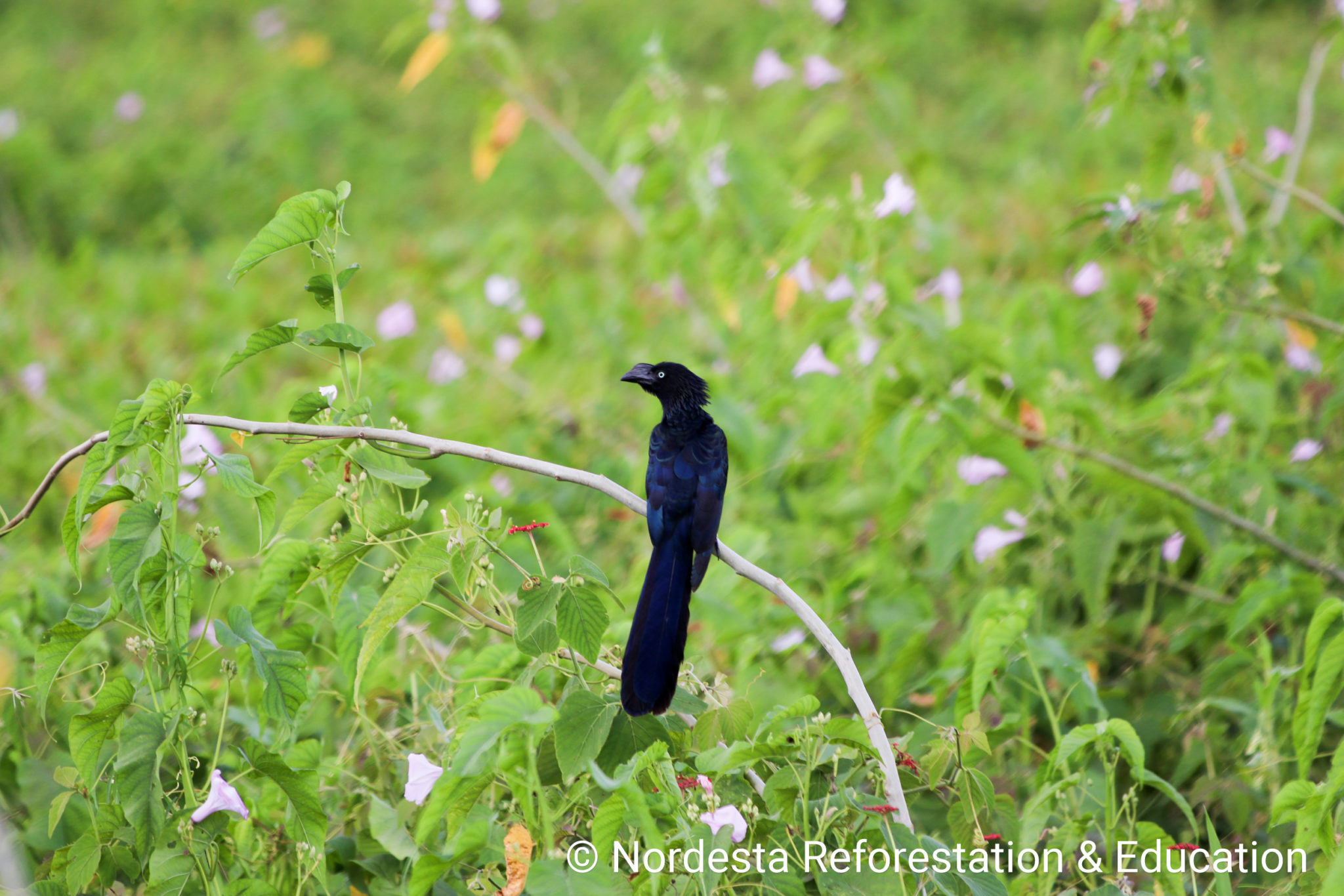
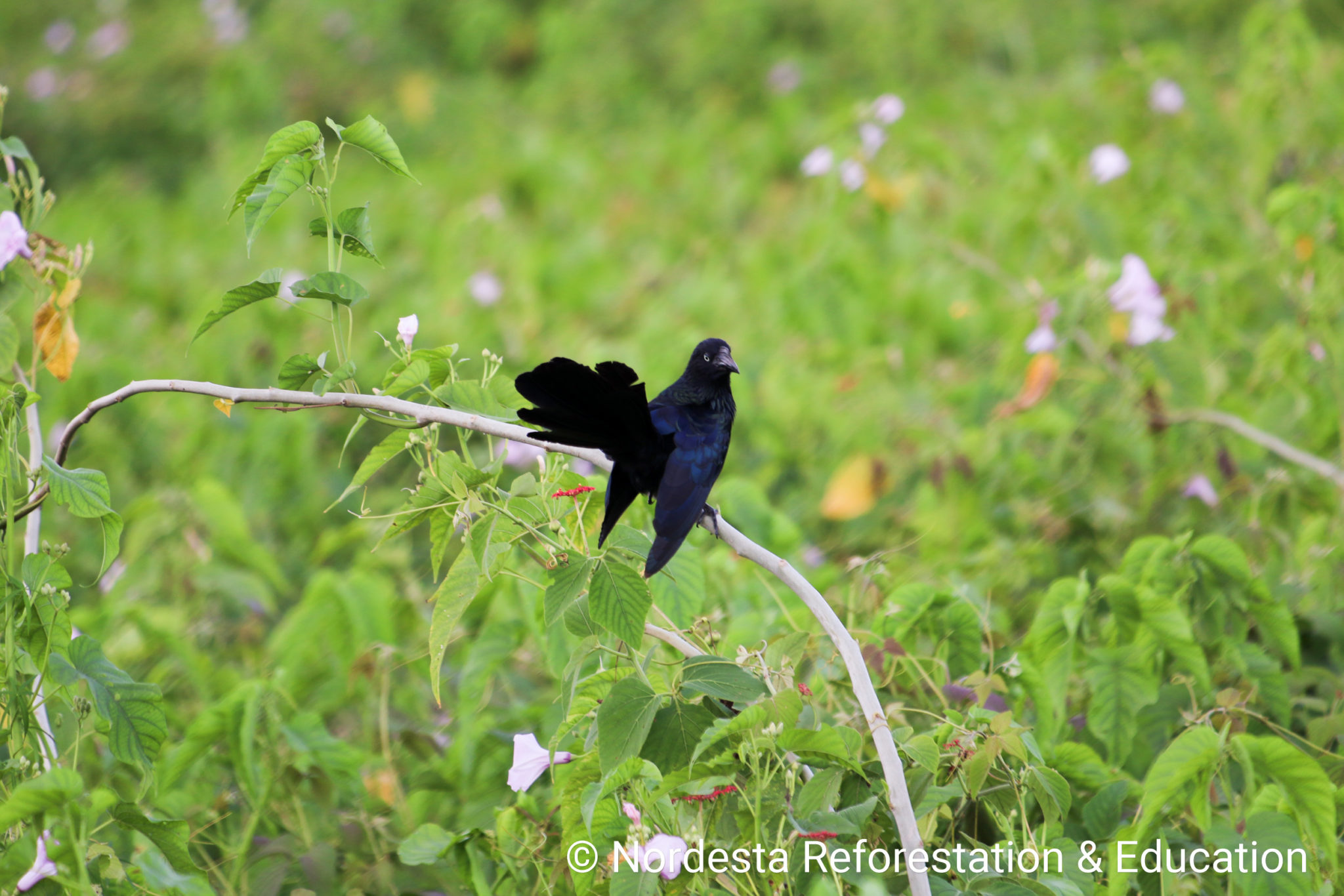
The Greater Ani, Crotophaga major, is a large bird found across most of Brazil and widely throughout Central and South America. It is known for its pale eyes, social nesting behaviour, and preference for wetland habitats.
General behavior
Crotophaga major usually travel in small groups of 4 to 6 birds, often staying close to water sources. They feed on insects, their larvae, fruits, and seeds found on the ground or in low vegetation. Occasionally, they follow herds of cattle to catch insects stirred up by the movement. These birds establish their territories peacefully, with neighbouring groups coexisting side by side.
Young birds are capable of leaving the nest at an early age. In one observed case, chicks as young as five days old escaped into water when disturbed and swam to safety—an impressive survival instinct.
Habitat
This species is typically found in areas with dense vegetation near water, such as mangroves, gallery forests, riverbanks, and flooded regions. It thrives in secondary forests and marshes, often close to rivers, lakes, and swamps.
Nest observation sites
We observed nests in Brazil in Poconé, Mato Grosso (4 nests).
Breeding season
In Brazil, the species breed from January to March, mainly during the peak of the rainy season and in Panama, it breeds from May to November, during the rainy months.
The nest
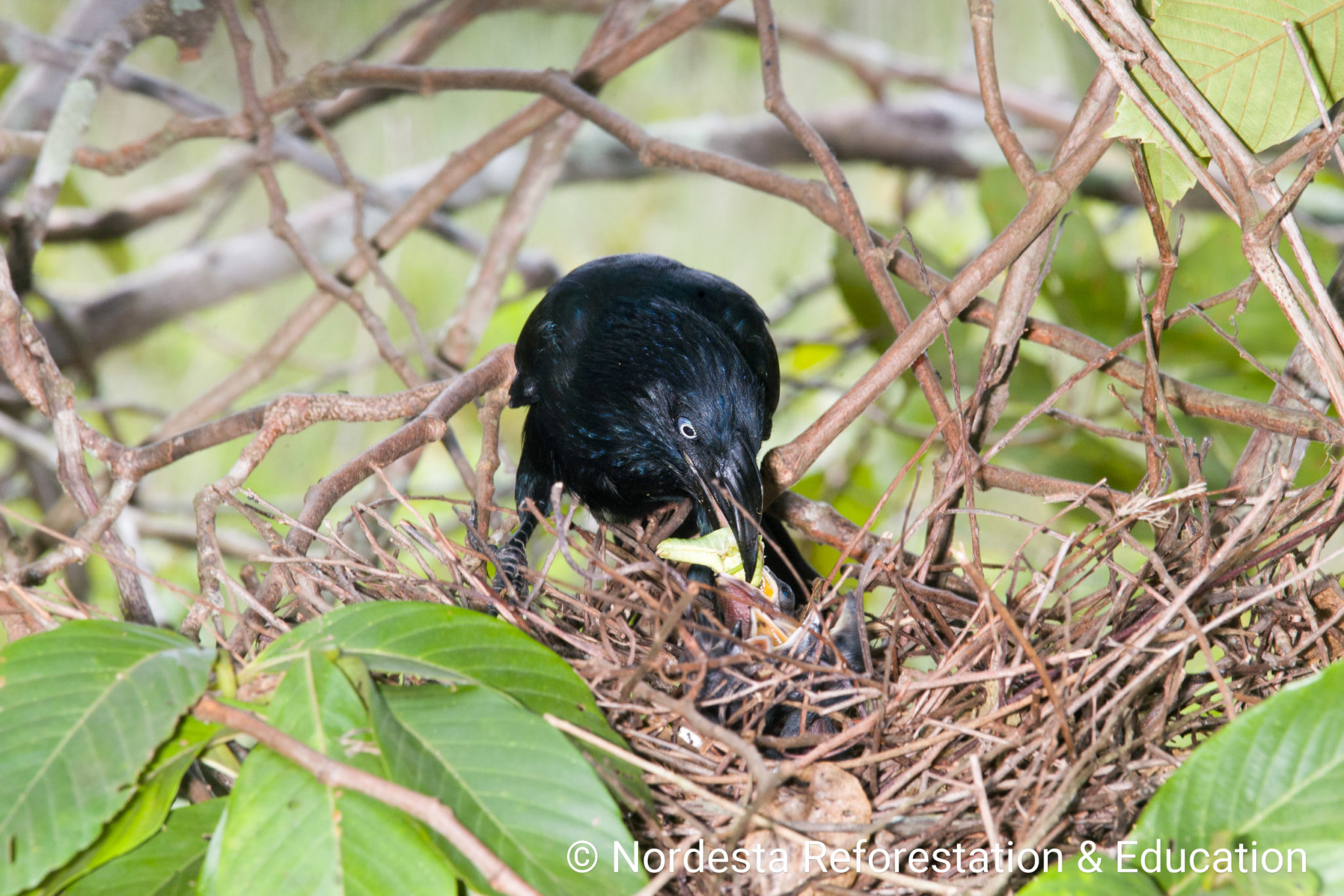
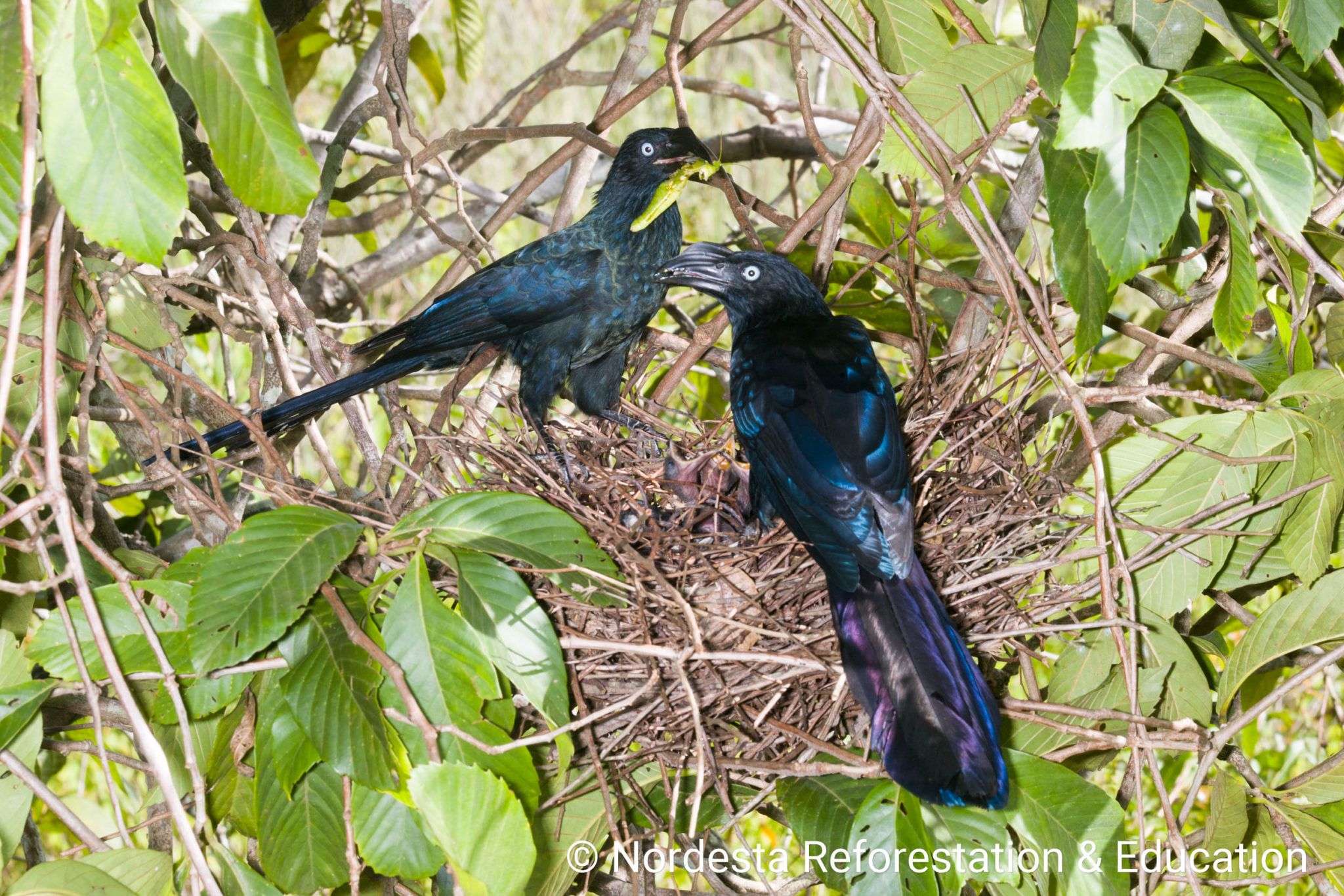
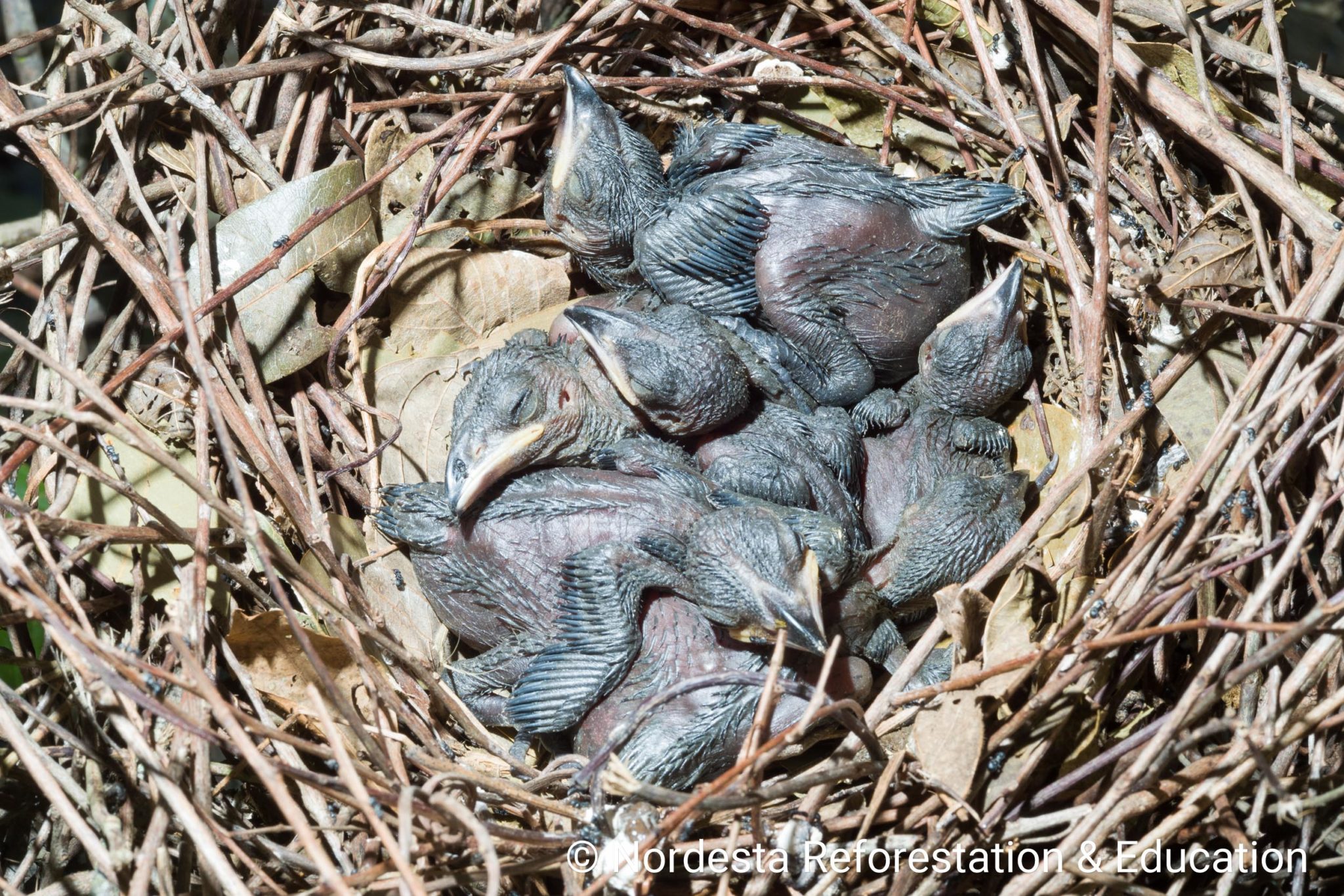
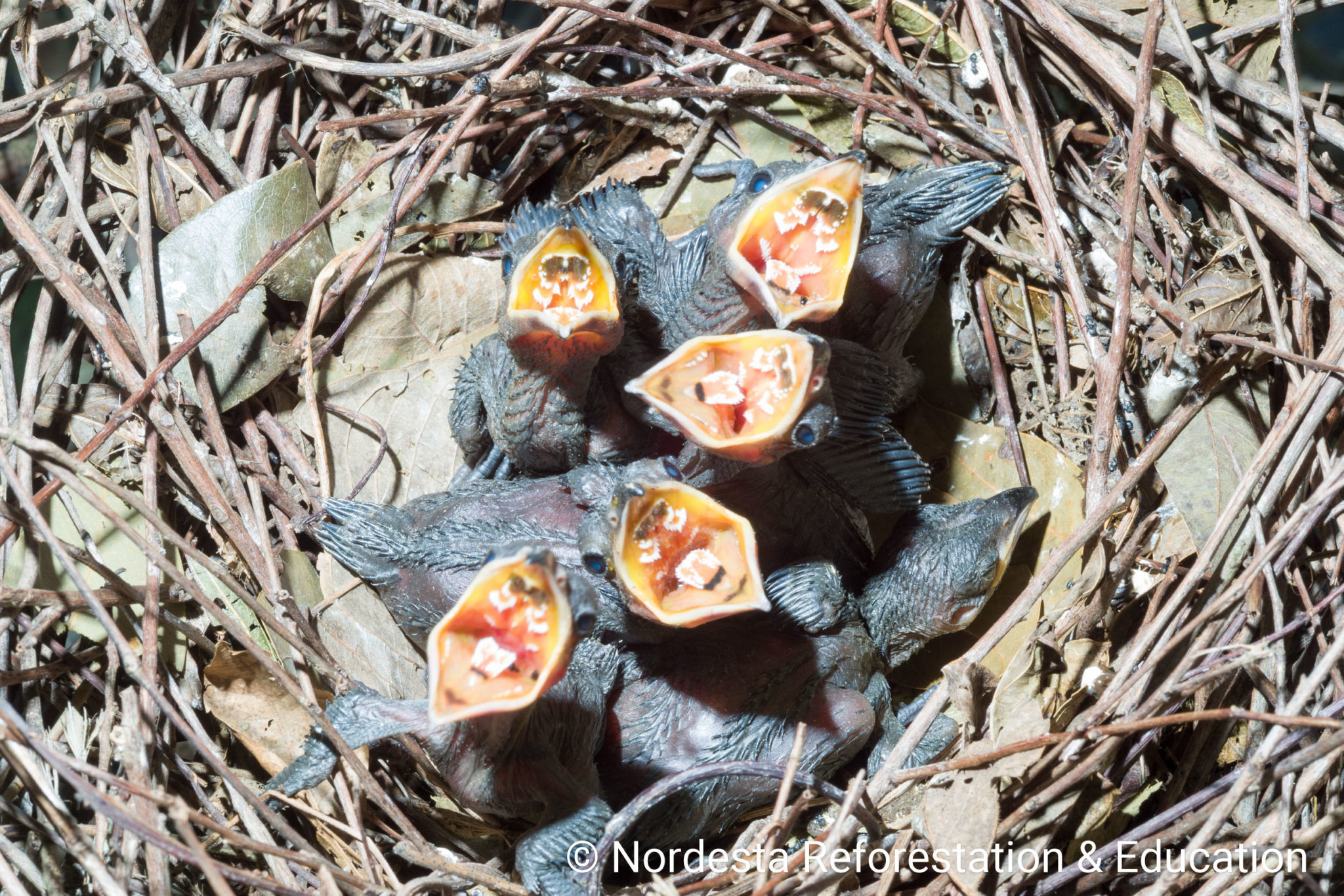
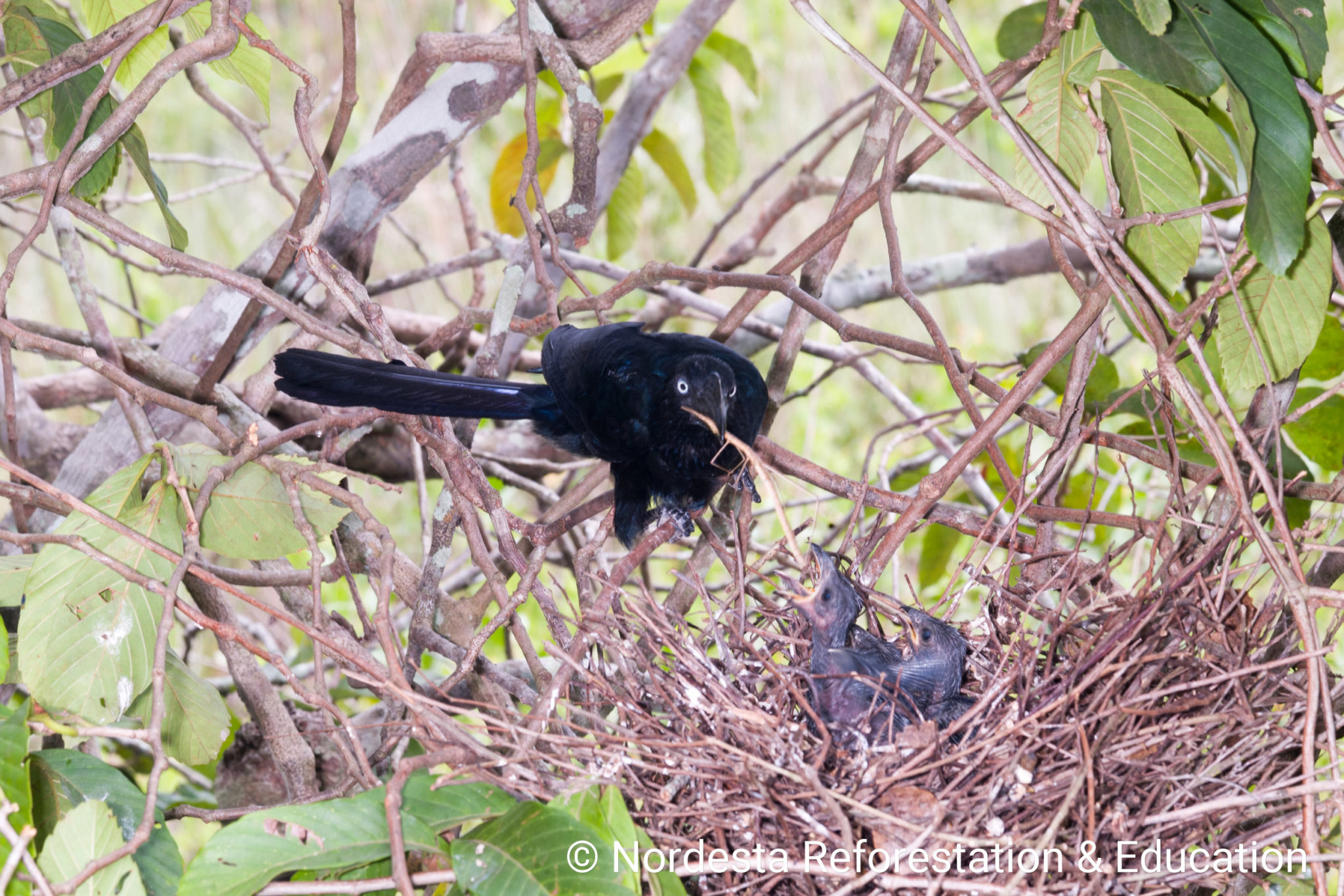
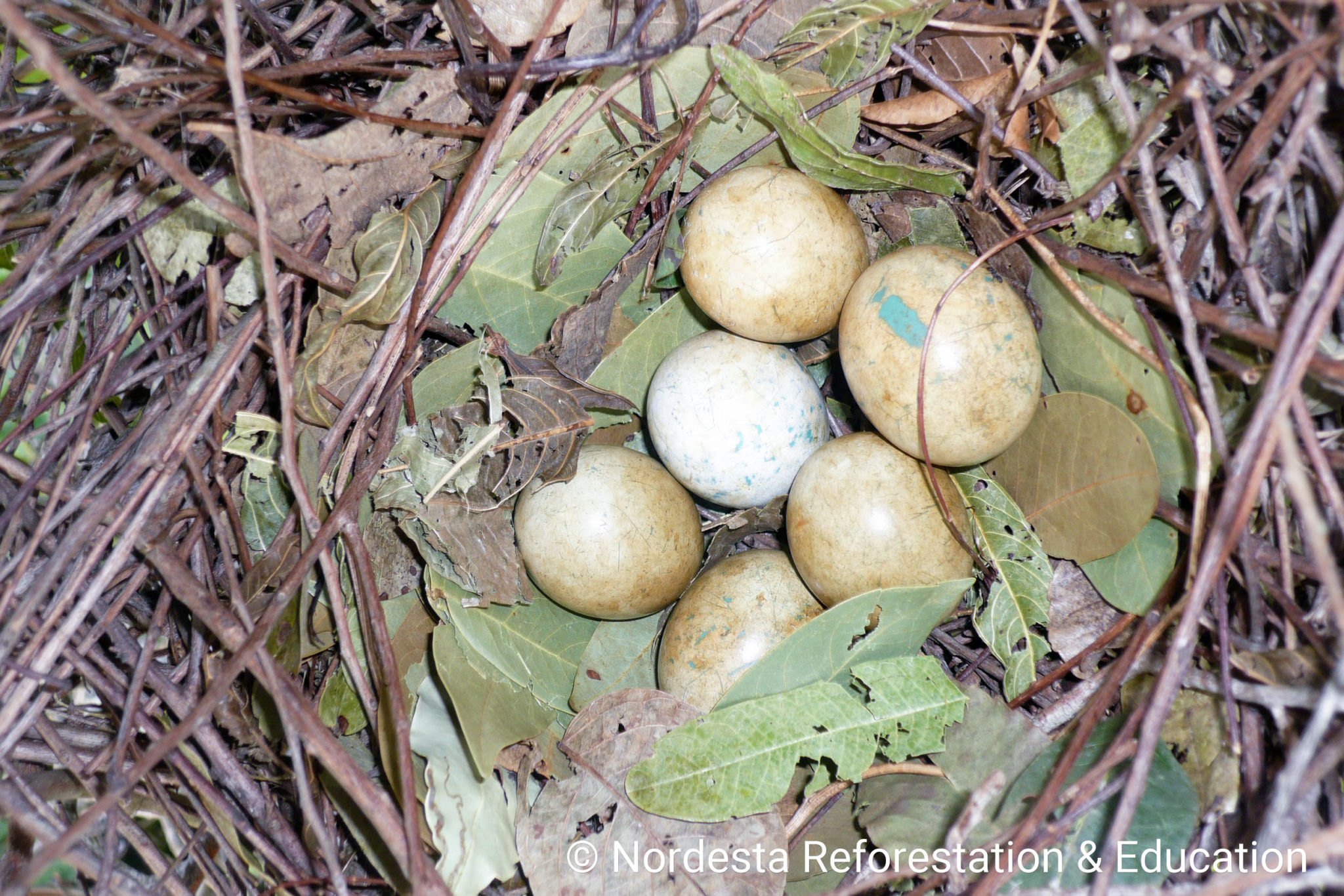
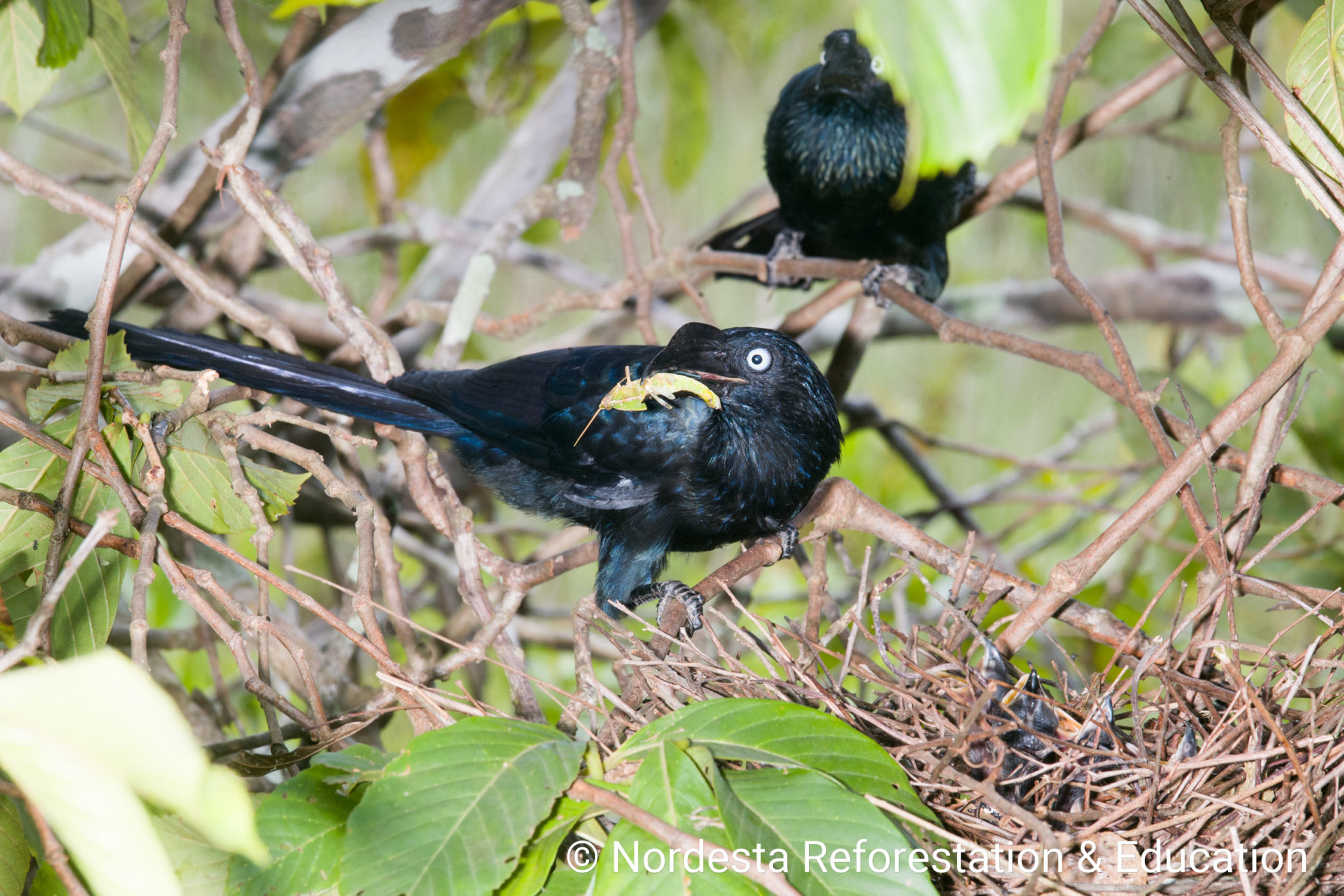
Greater Anis build their nests communally in dense shrubs or over shallow water, usually between 0.5 and 5 meters above the ground or water surface. The structure is made of twigs and lined with green and dry leaves. Both males and females from the group contribute to building the nest, often completing it within a week.
Each nest can host multiple females laying eggs together, with clutches containing between 6 and 17 eggs!
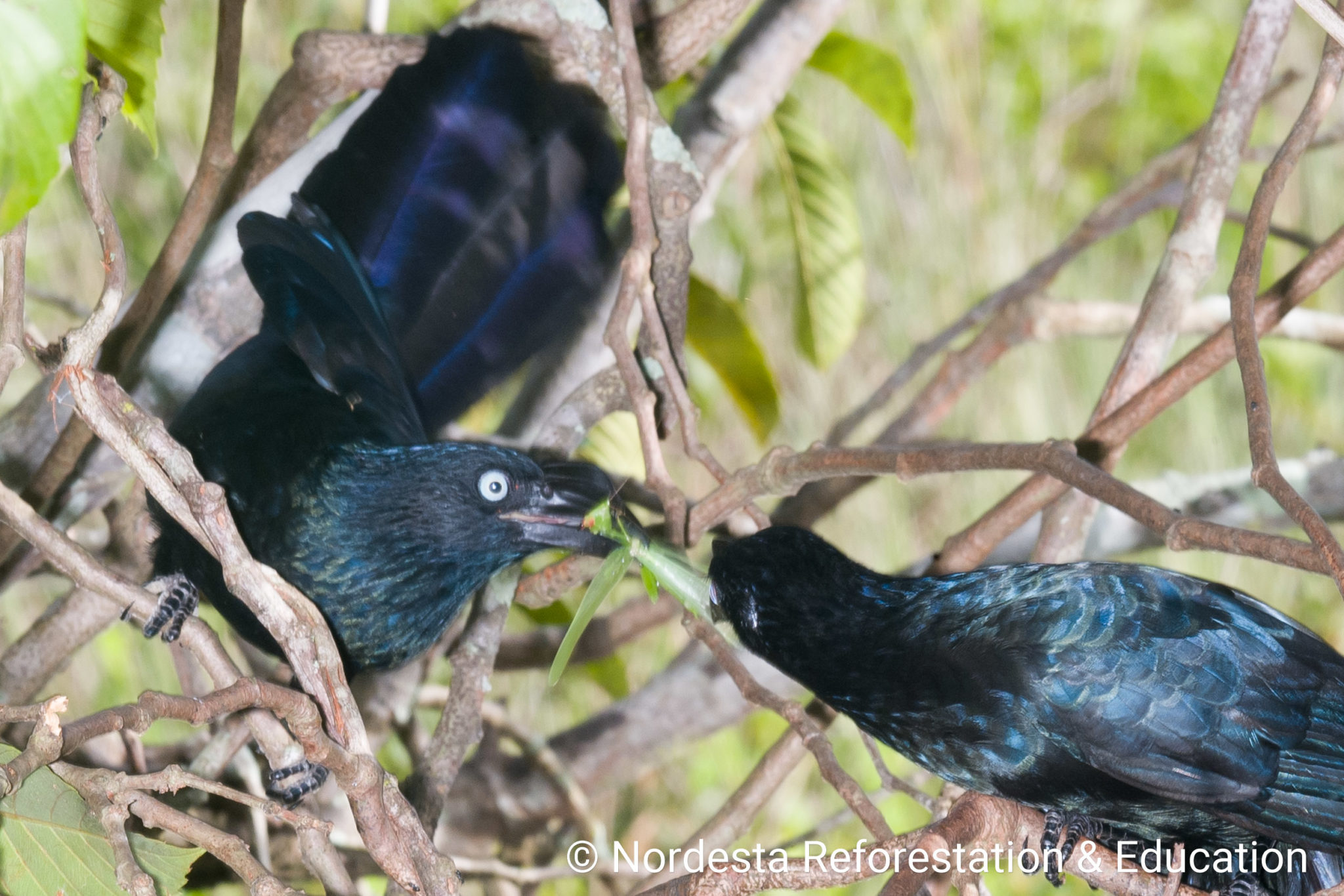
Feeding is done by multiple adults, who deliver food such as caterpillars, grasshoppers, crickets, spiders, and even small frogs.
For more information, refer to the publication: Studer, A., & Crozariol, M. A. 2023, pages 526—528, or contact the author at anita.birdaves@gmail.com
Reference:
Studer, A., & Crozariol, M. A. (2023). New breeding information on Brazilian birds. 2: Columbidae and Cuculidae. Bulletin of the British Ornithologists’ Club, 143(4), 485-553. https://doi.org/10.25226/bboc.v143i4.2023.a6.