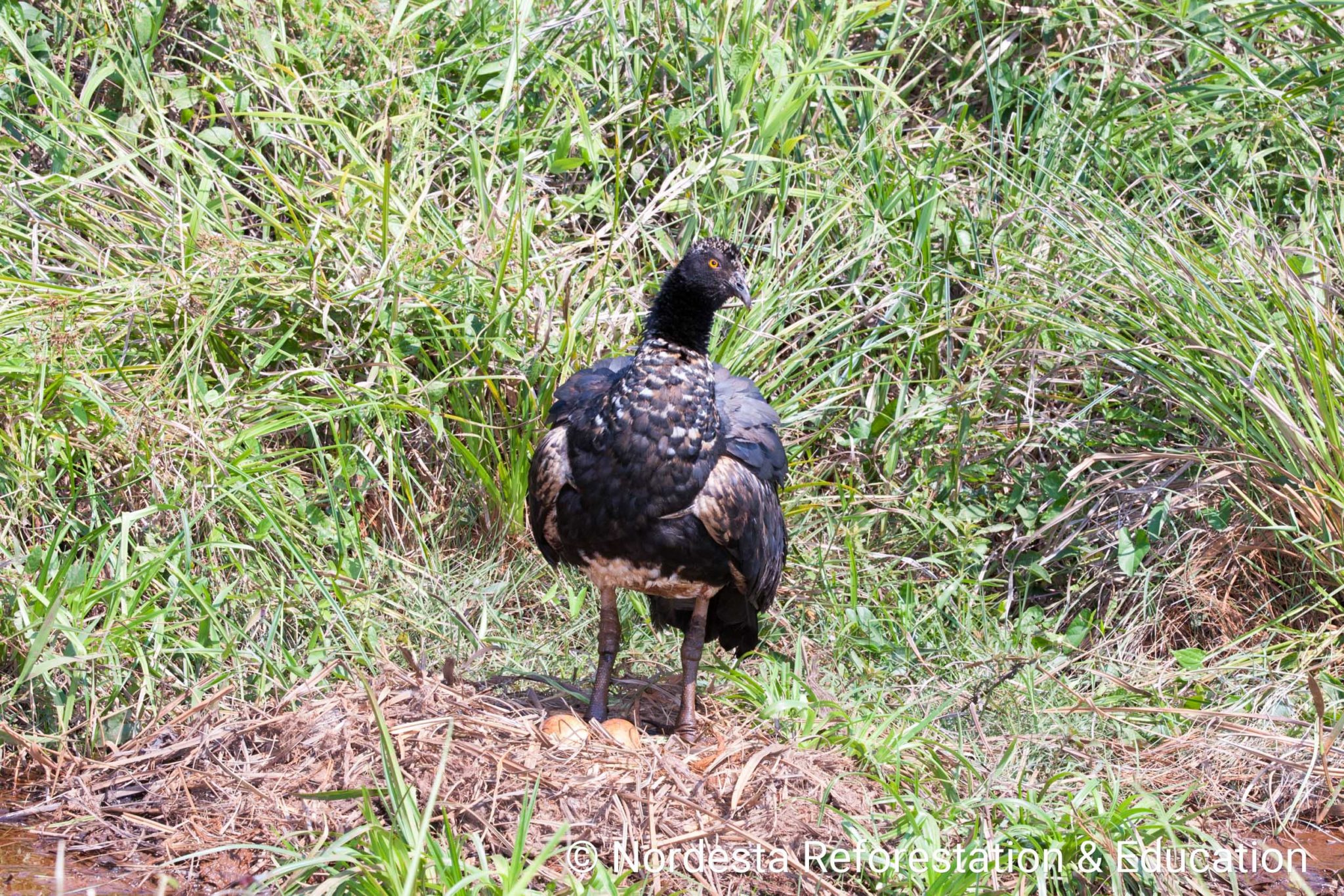
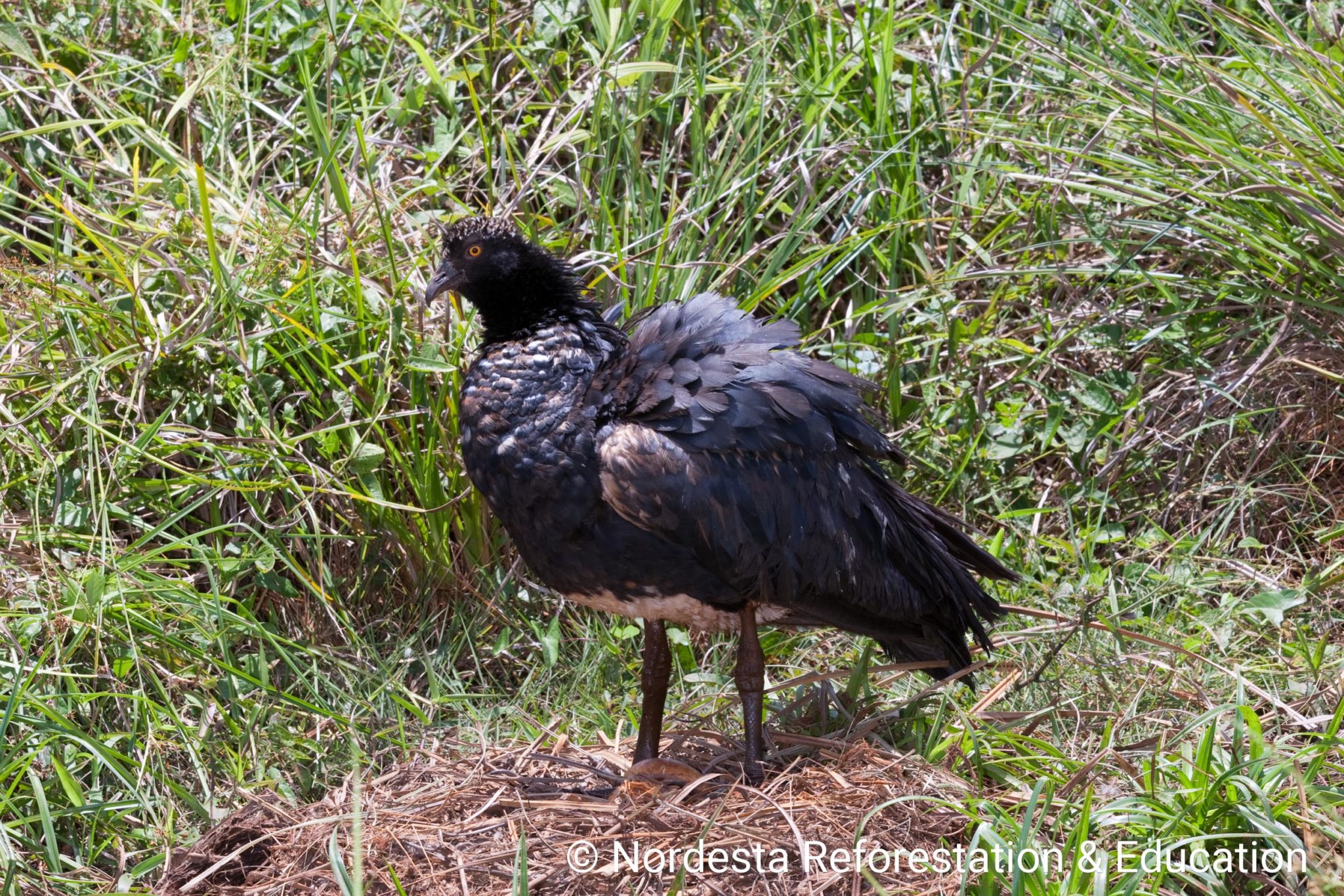
General behavior
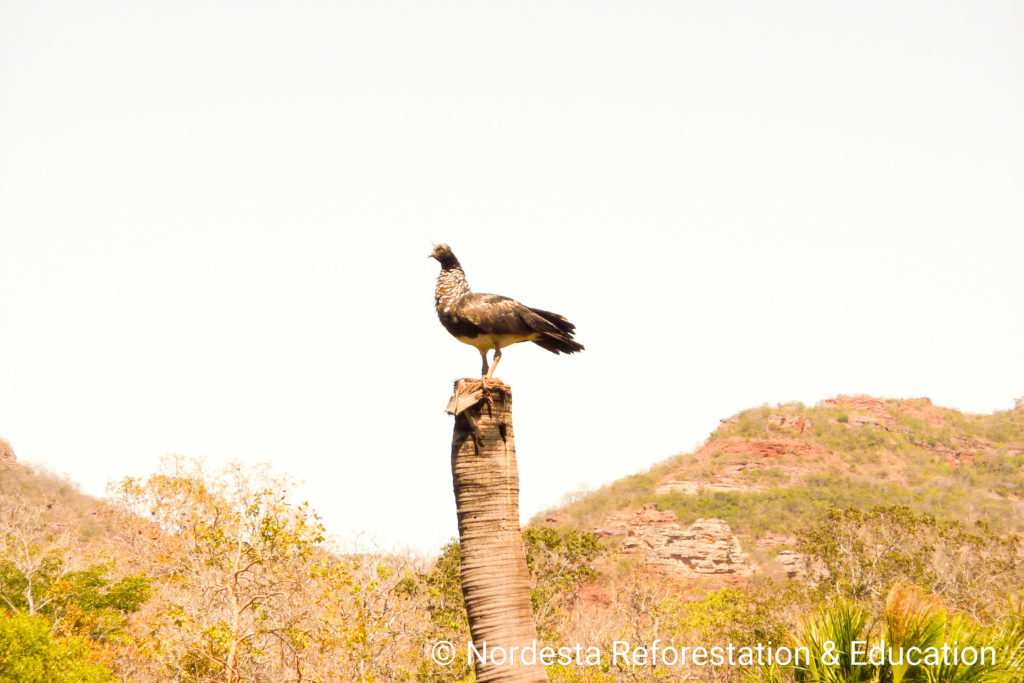
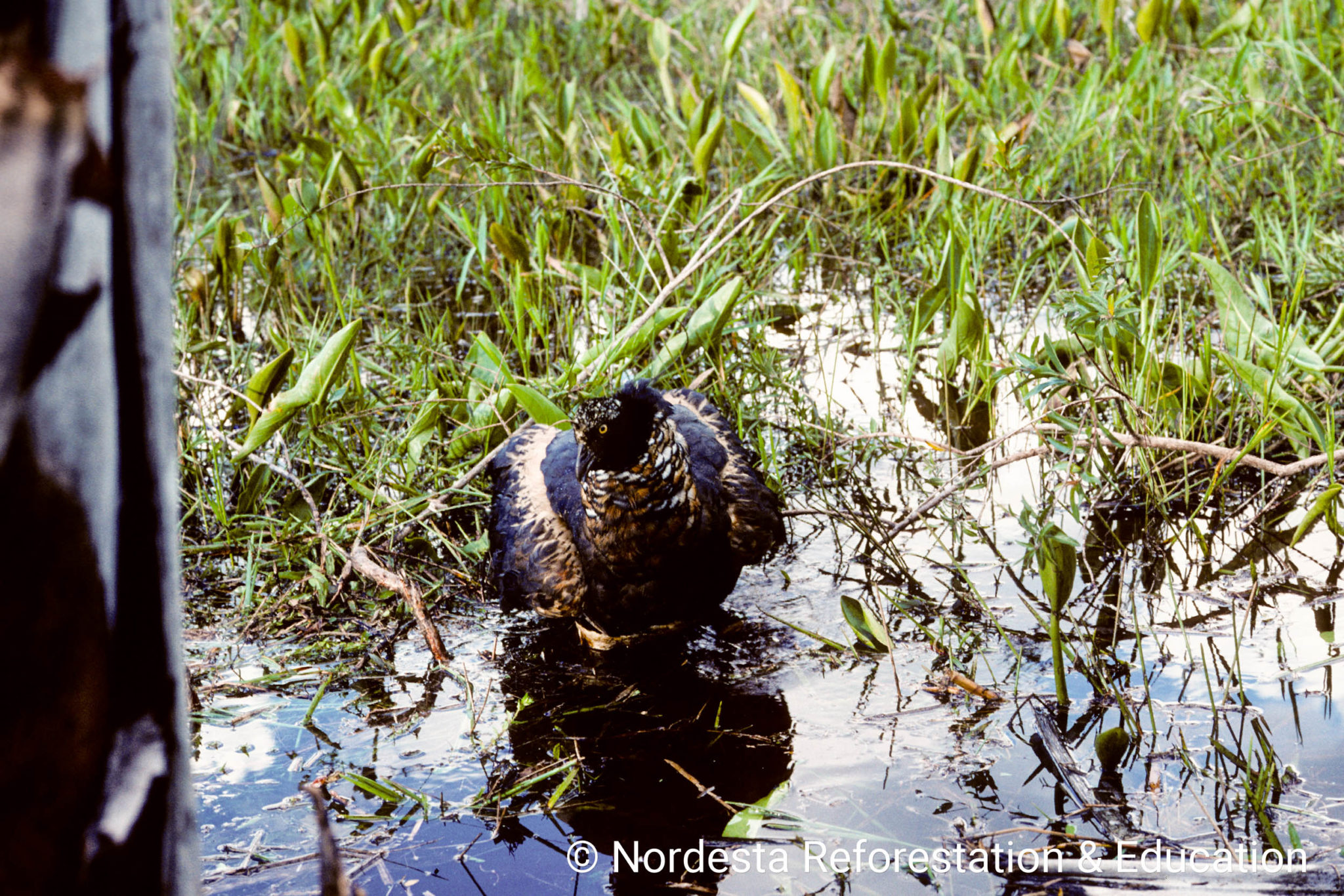
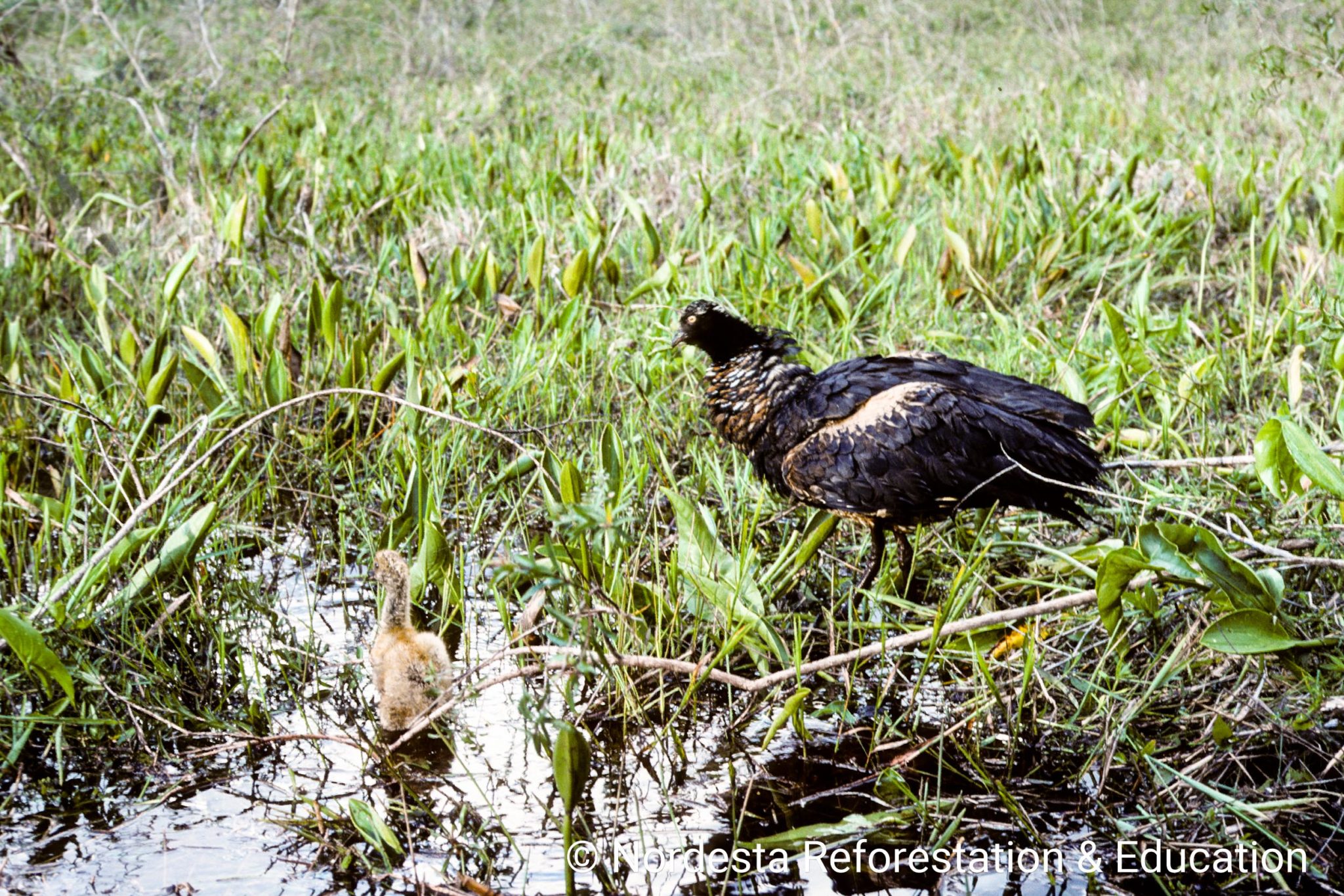
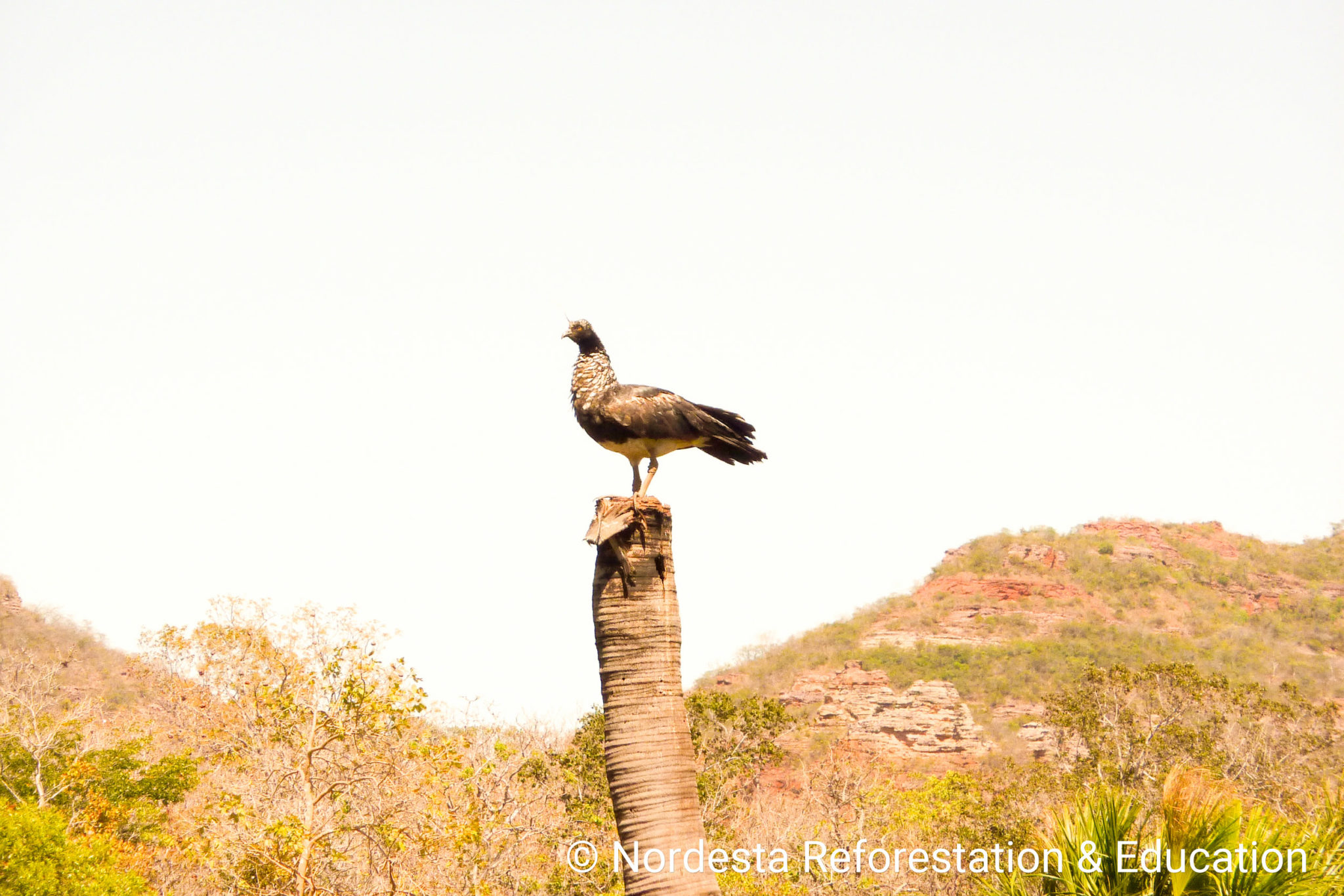
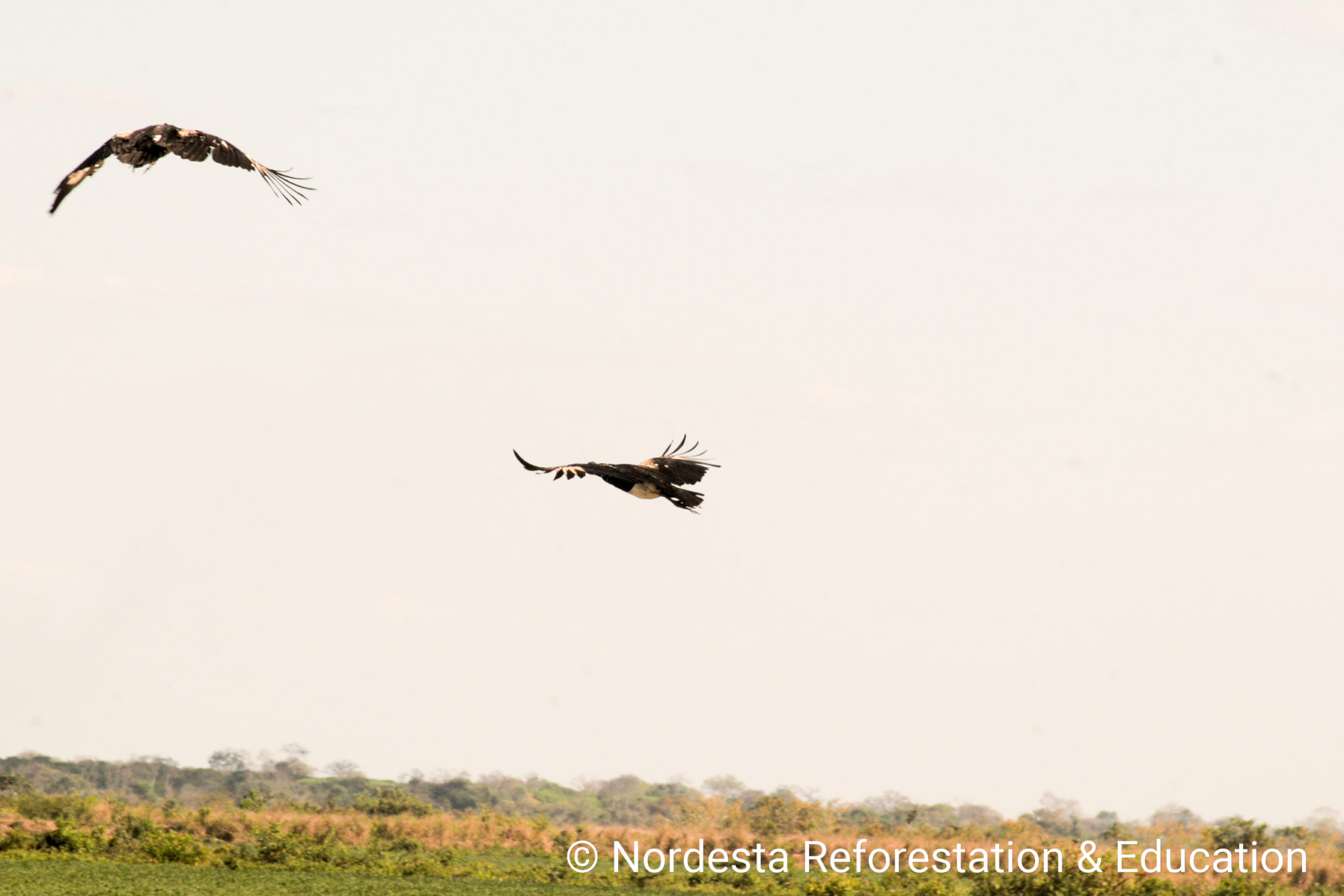
The Horned Screamer tends to remain hidden among vegetation and is often shy. It is typically found along the edges of flooded areas wading. They rarely fly. In regions free from human interference, these birds are more easily observed. They can be observed in small flocks or pairs, where they enjoy preening and vocalizing together.
Horned Screamers feed on plants and plant materials, which they graze or stir up from the mud.
Habitat
Anhima cornuta is widespread in South America, ranging from Colombia and Ecuador to Bolivia and Paraguay. Although initially described as an Amazonian species, it occurs in almost every state of Brazil, including historical records from the north-east dating back to the 17th century. This species thrives in environments such as lakes, marshes, and floodplains, often near water bodies with abundant vegetation. Human activities such as livestock and agriculture have altered their habitats, contributing to declining populations in some areas.
Nest observation sites
Alto Parnaíba, Maranhão
Breeding season
For the Brazilian Cerrado, June to mid-October (peak August‒ September) and mid-December to early February
The nest
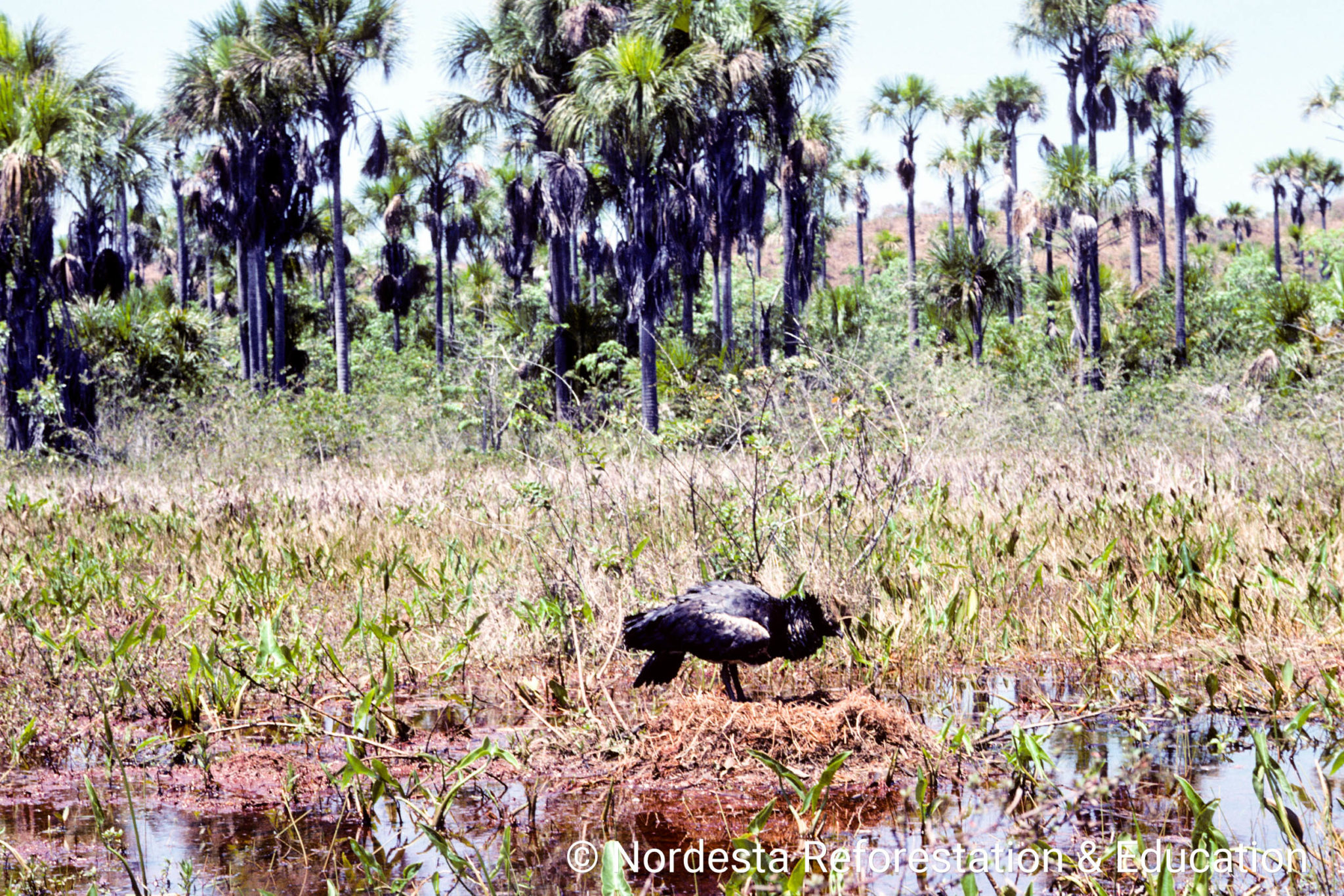
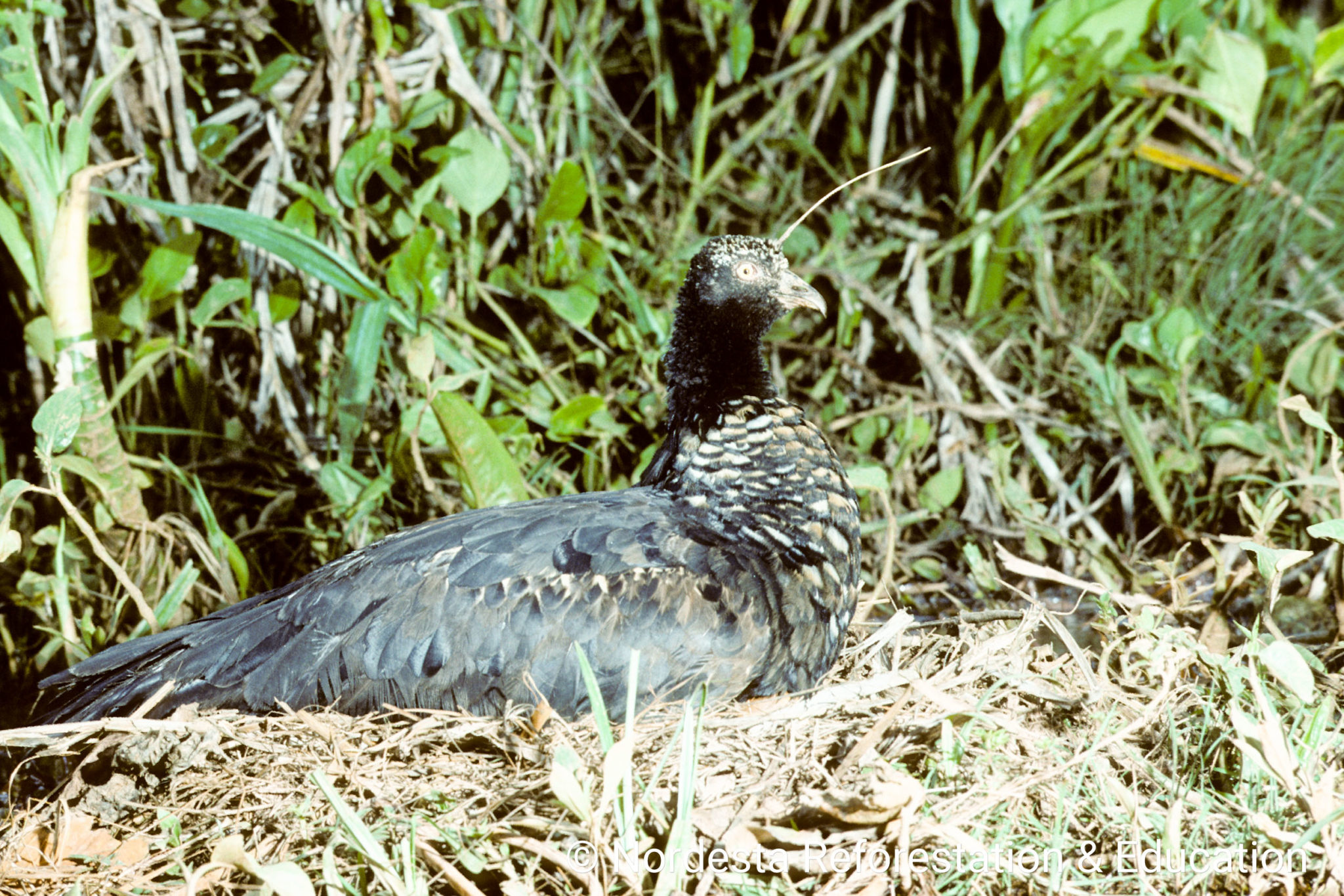
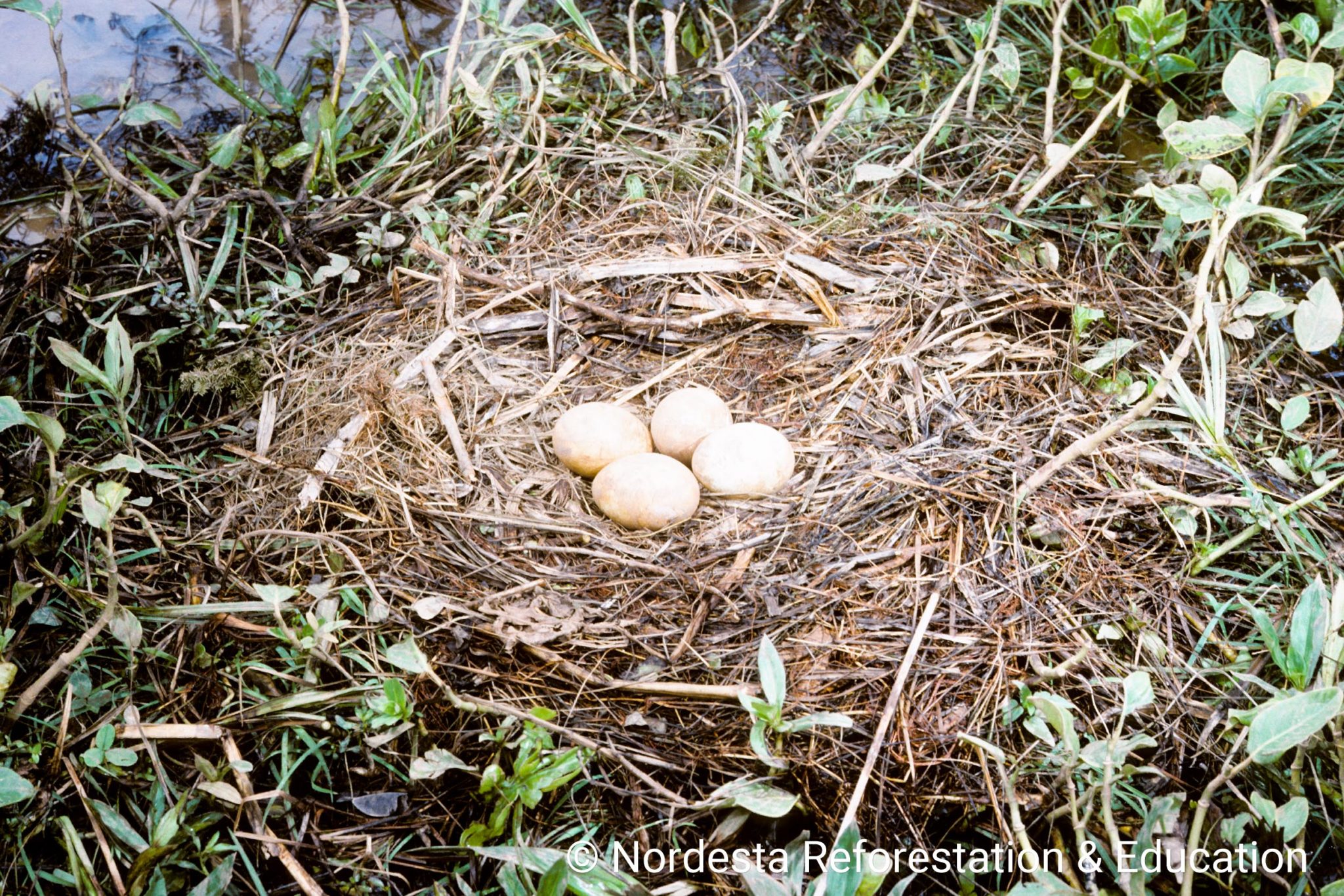
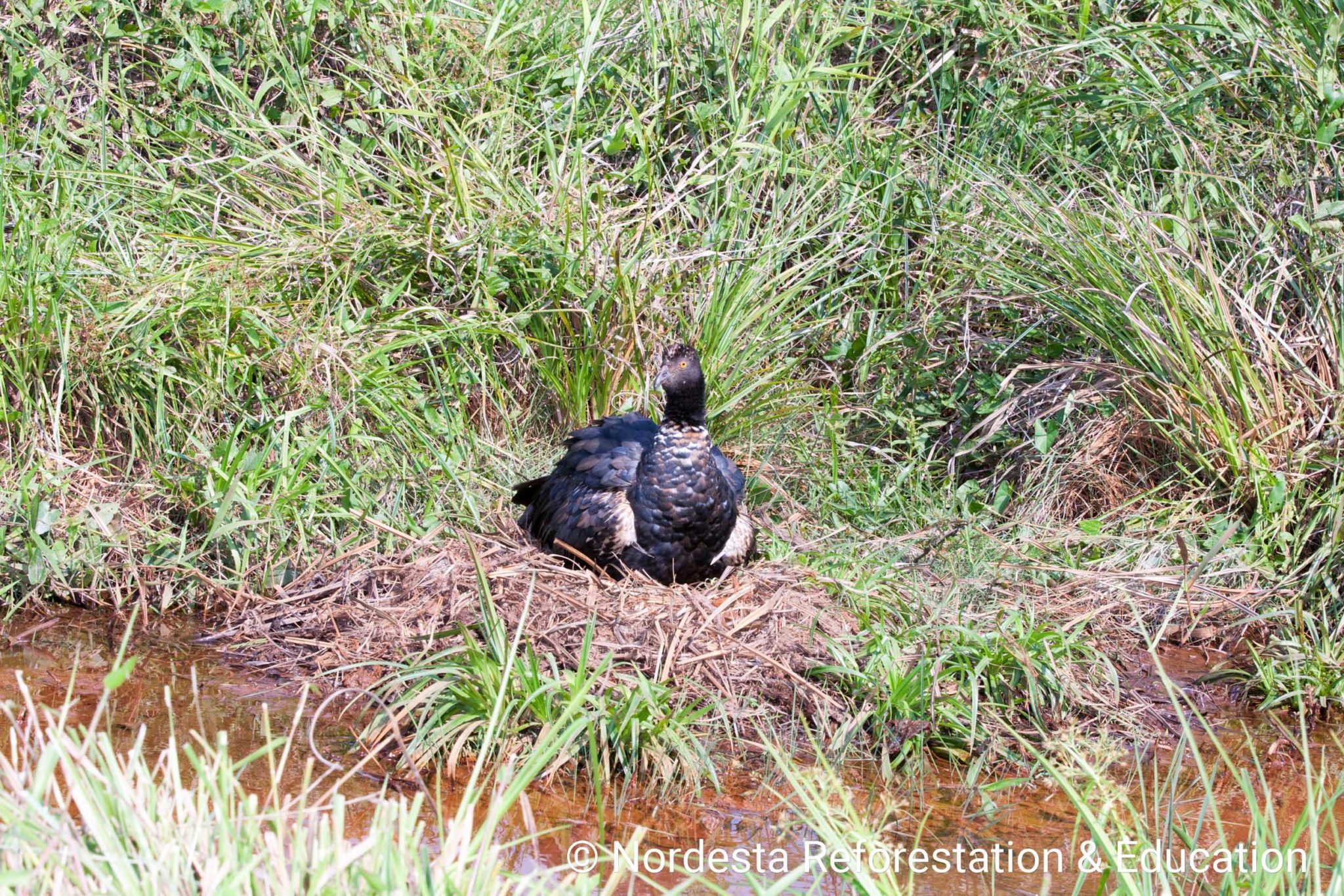
The nests are built on the ground near water using plant materials like grass, Cyperus, and Typha. Often, green leaves and other vegetation from the surroundings are included. Although Anhima cornuta nests have been described as floating, our observation of a flooded nest with three eggs suggests they do not float.
For more information, refer to the publication: Studer, A., & Crozariol, M. A. 2022, pages 427—429, or contact the author at anita.birdaves@gmail.com
(Studer, A., & Crozariol, M. A. (2022). New breeding information on Brazilian birds. 1: Rheidae, Tinamidae, Anhimidae, Anatidae, Cracidae and Podicipedidae. Bulletin of the British Ornithologists’ Club, 142(4). https://doi.org/10.25226/bboc.v142i4.2022.a4)