Tyrannidae
Long-tailed tyrant
Colonia colonus
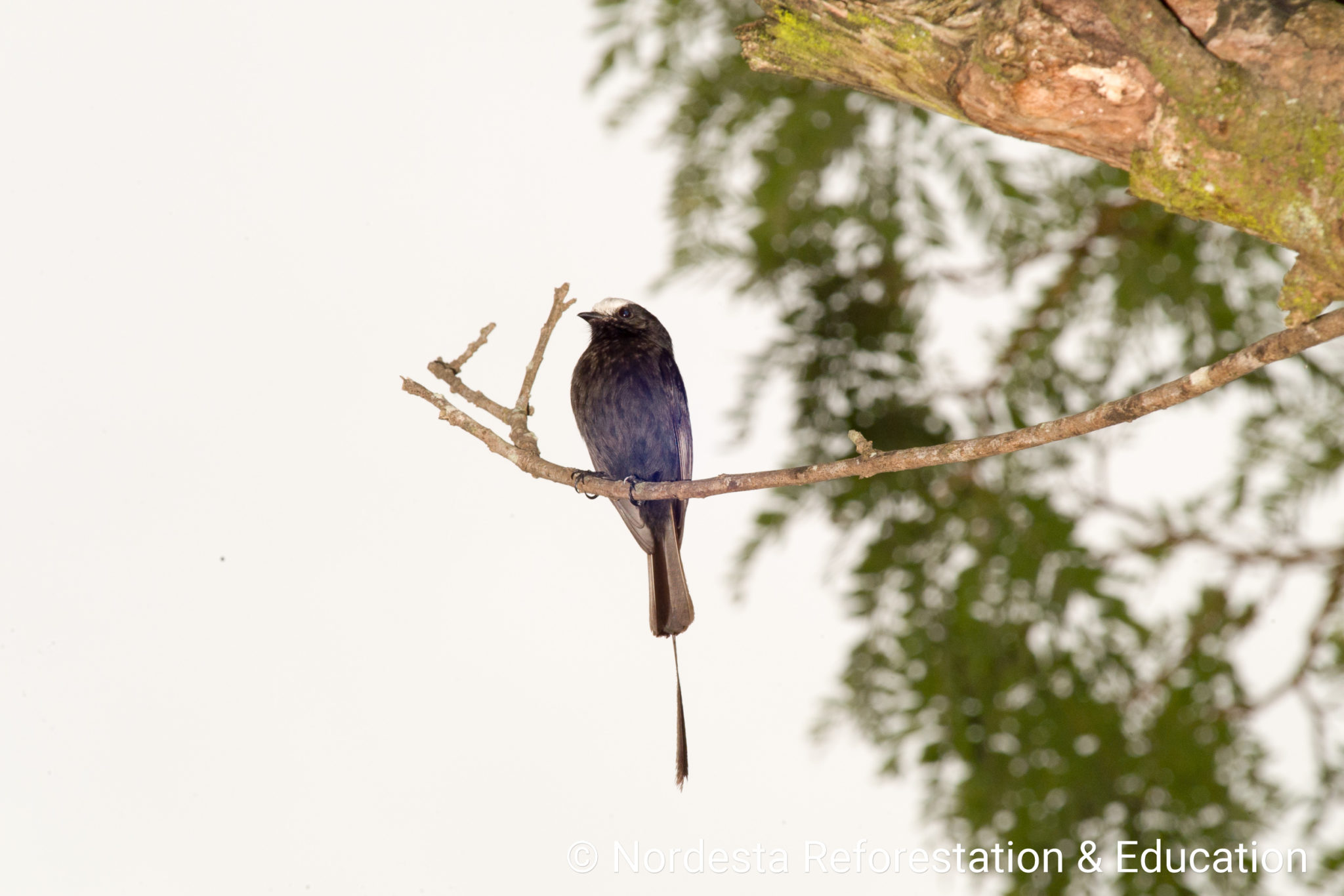
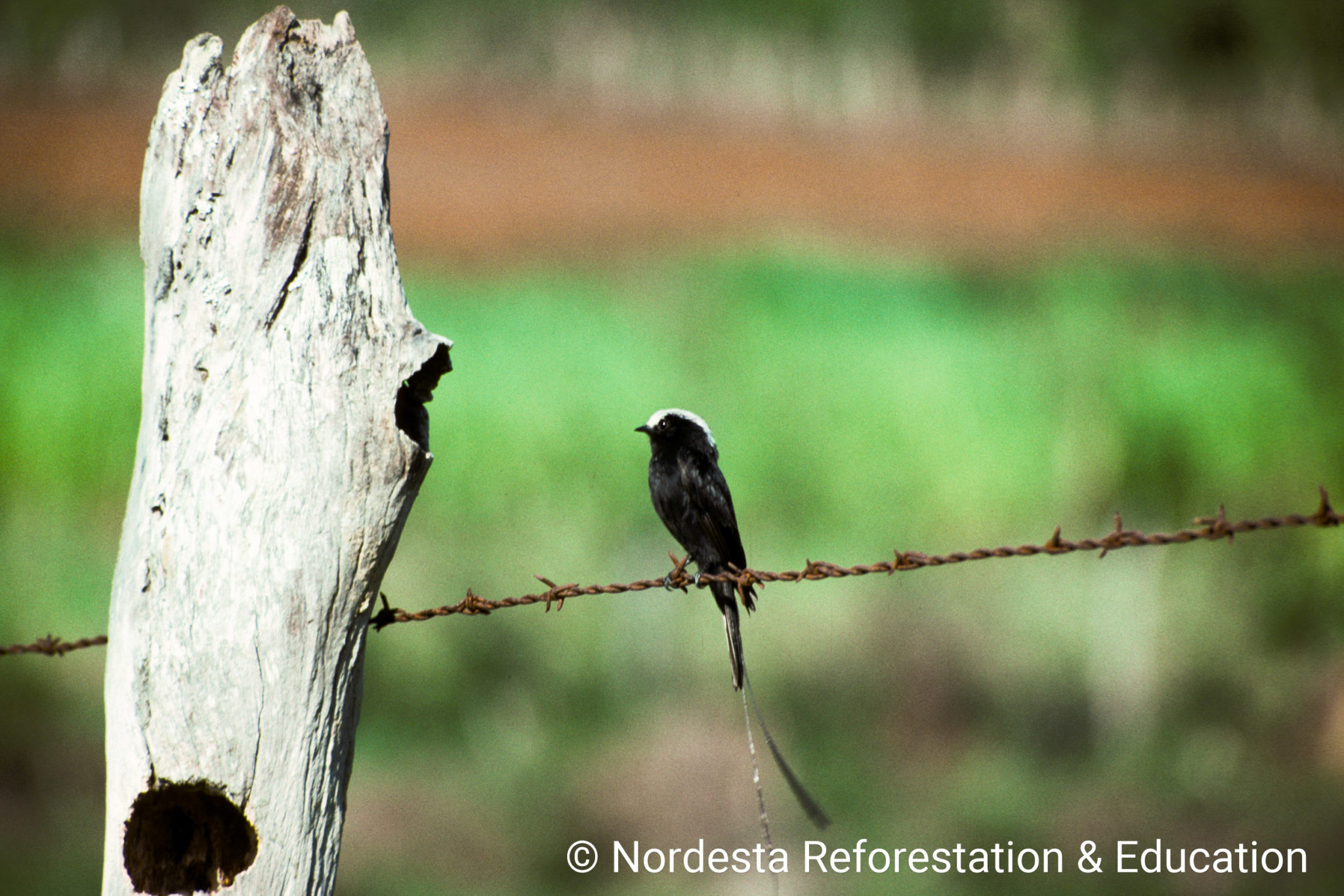
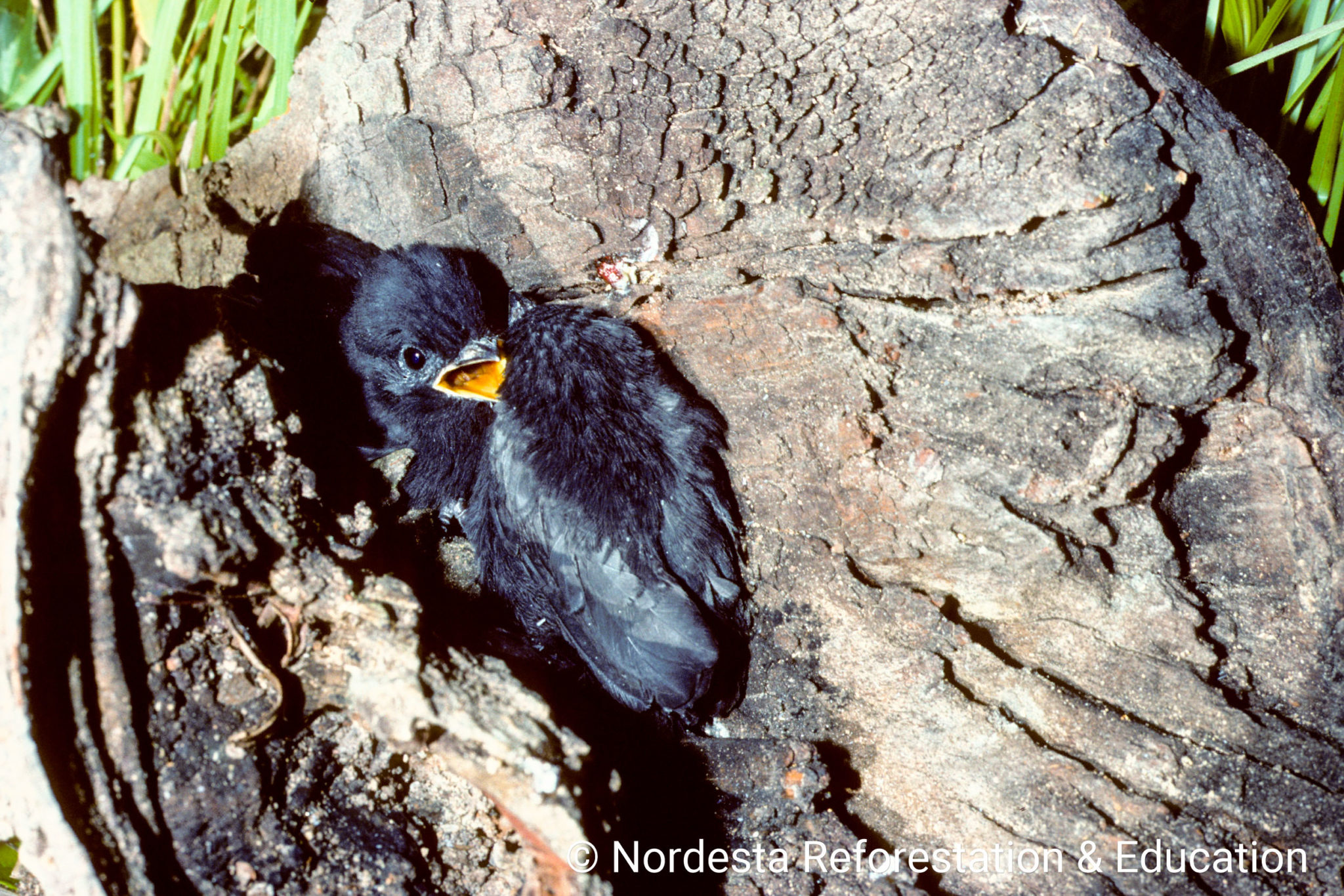
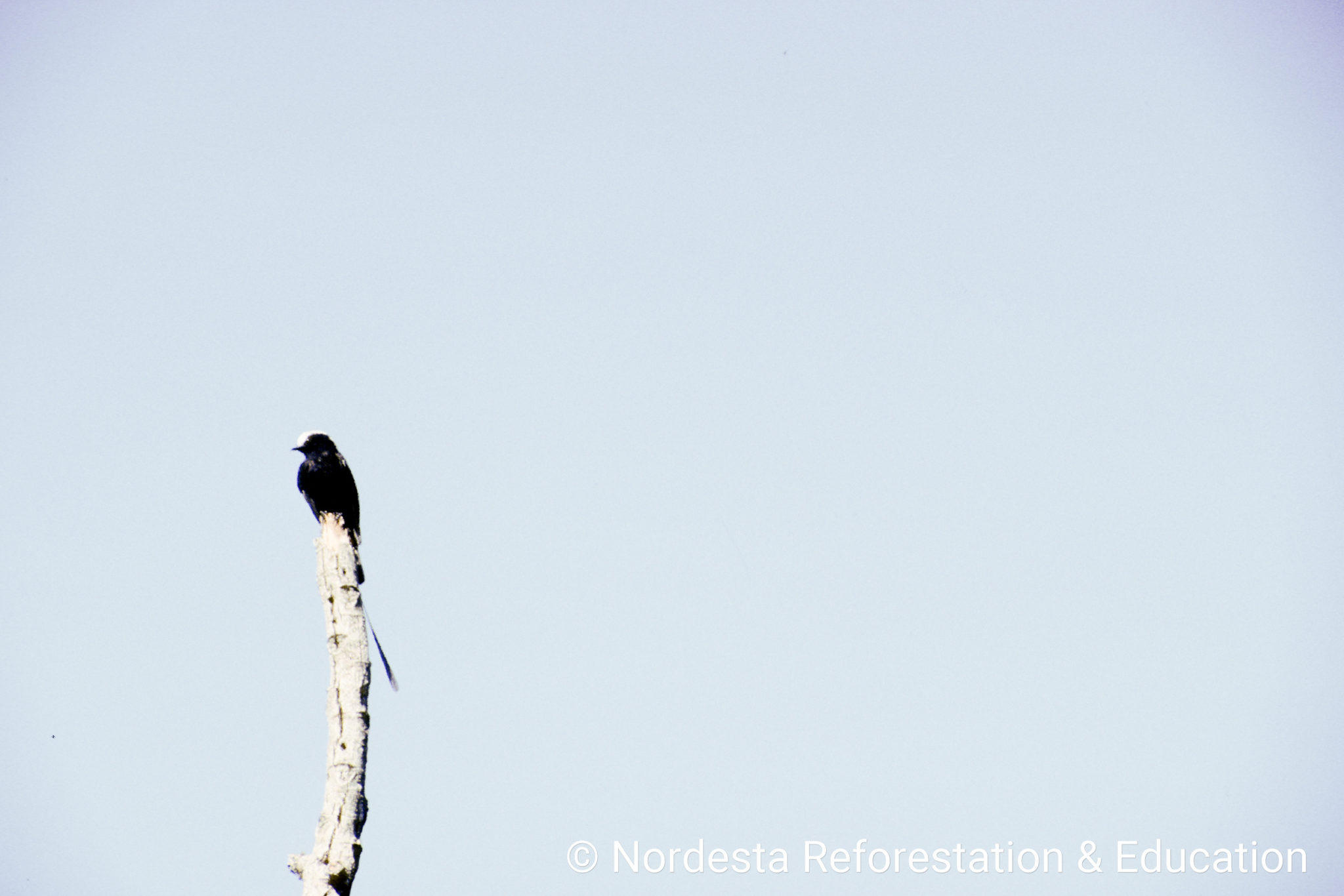
The Long-tailed Tyrant, Colonia colonus, is a bird species found in various parts of Brazil, ranging from the Amazon to the southern state of Rio Grande do Sul. It is adapted to a wide range of natural and semi-natural environments.
General behavior
Colonia colonus hunts insects from elevated perches, typically between 1 and 10 meters off the ground. Common perches include bare branches, fence posts, and wires. After spotting prey, it often performs a vertical leap to catch the insect and returns to its perch. Its diet includes insects like bees, beetles, termites, and butterflies. It may also join mixed-species flocks when foraging.
Males and females stay together year-round. They share responsibilities in building the nest, incubating the eggs, and feeding the chicks. They defend a small territory around their nest or feeding site and communicate using a short, sharp call.
Habitat
This bird occupies diverse habitats, such as forest edges, clearings within wooded areas, gallery forests, riparian zones, active or abandoned plantations with scattered trees, and open fields with shrubs, rivers, lakes, or wetlands.
Nest observation sites
We observed nests in Arcos, Minas Gerais (3 nests).
Breeding season
In Arcos, nesting occurred between October and December. In other regions like Central America, Colombia, and Venezuela, breeding activity has been recorded from March to July.
The nest
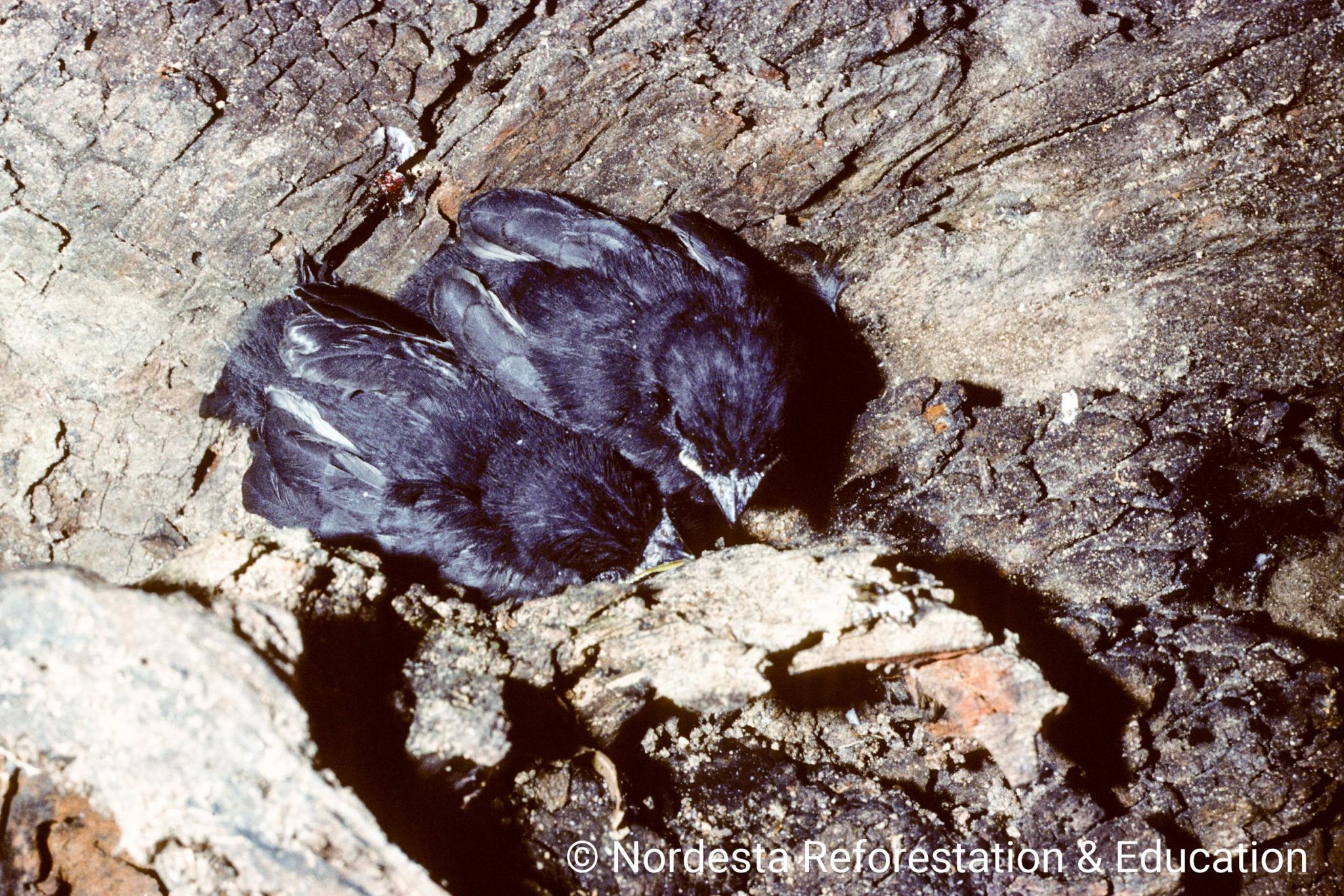
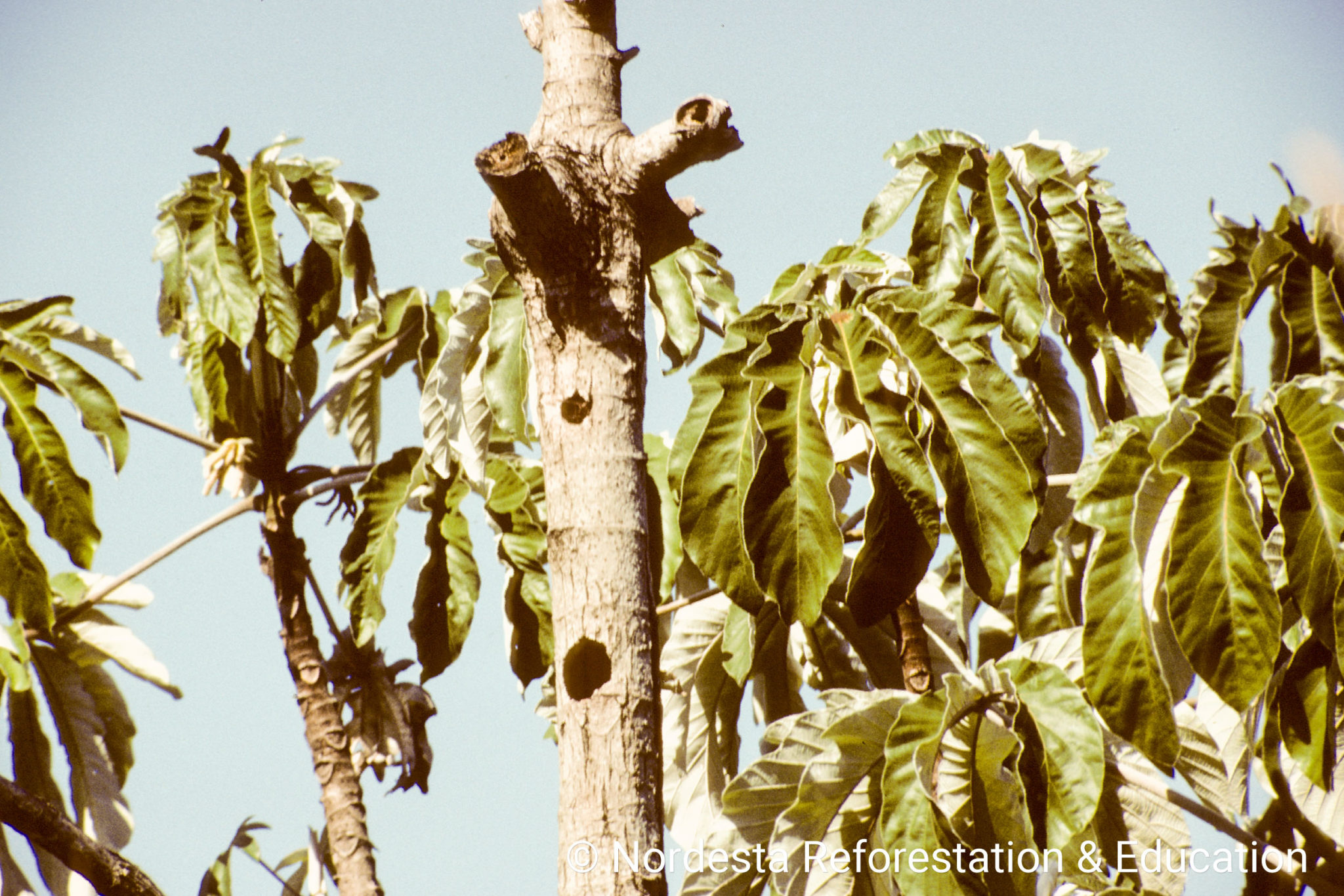
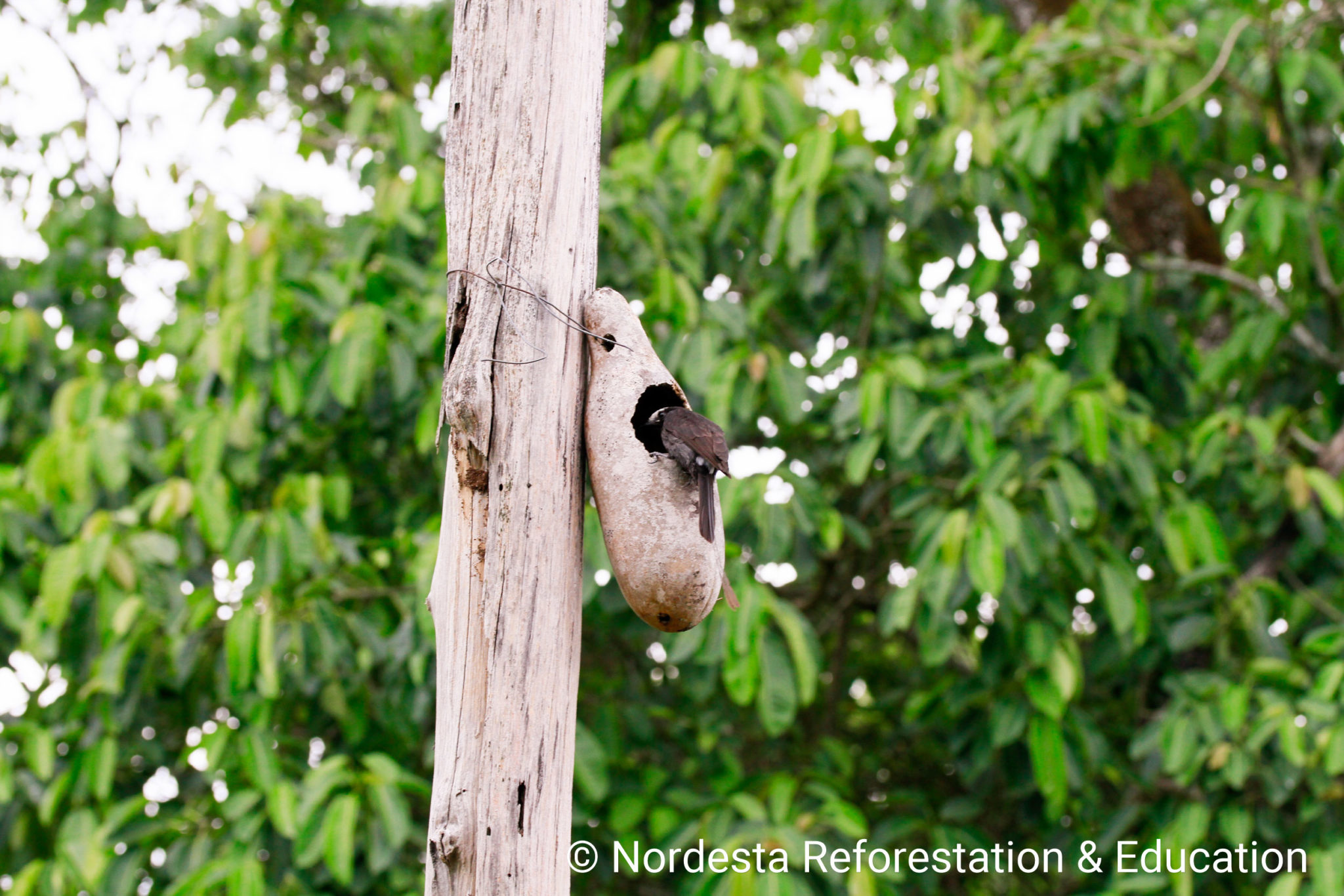
Nests are placed in cavities in trees, fence posts, hanging gourds, or other suspended containers found on farms. Sometimes, they reuse nests from other species, such as the Rufous Hornero, Furnarius rufus. In Argentina, a nest was even found in a cavity made by a woodpecker.
Nest placement ranges from 0.5 to 6 meters high. The interior is lined with plant stems, especially leaf stalks.