Ardeidae
Striated heron
Butorides striatus
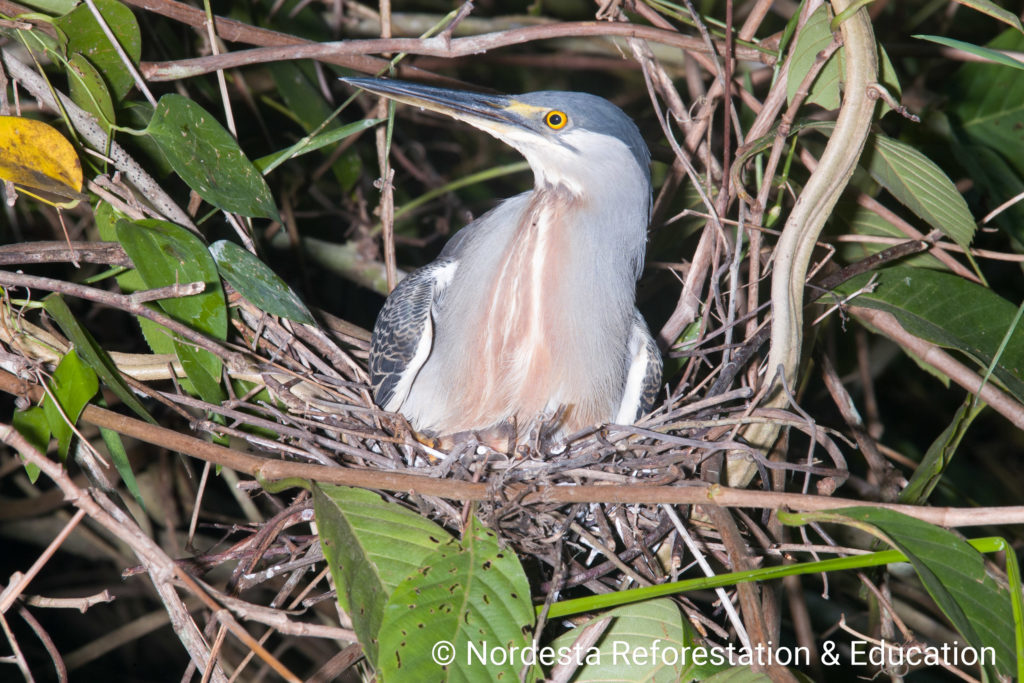
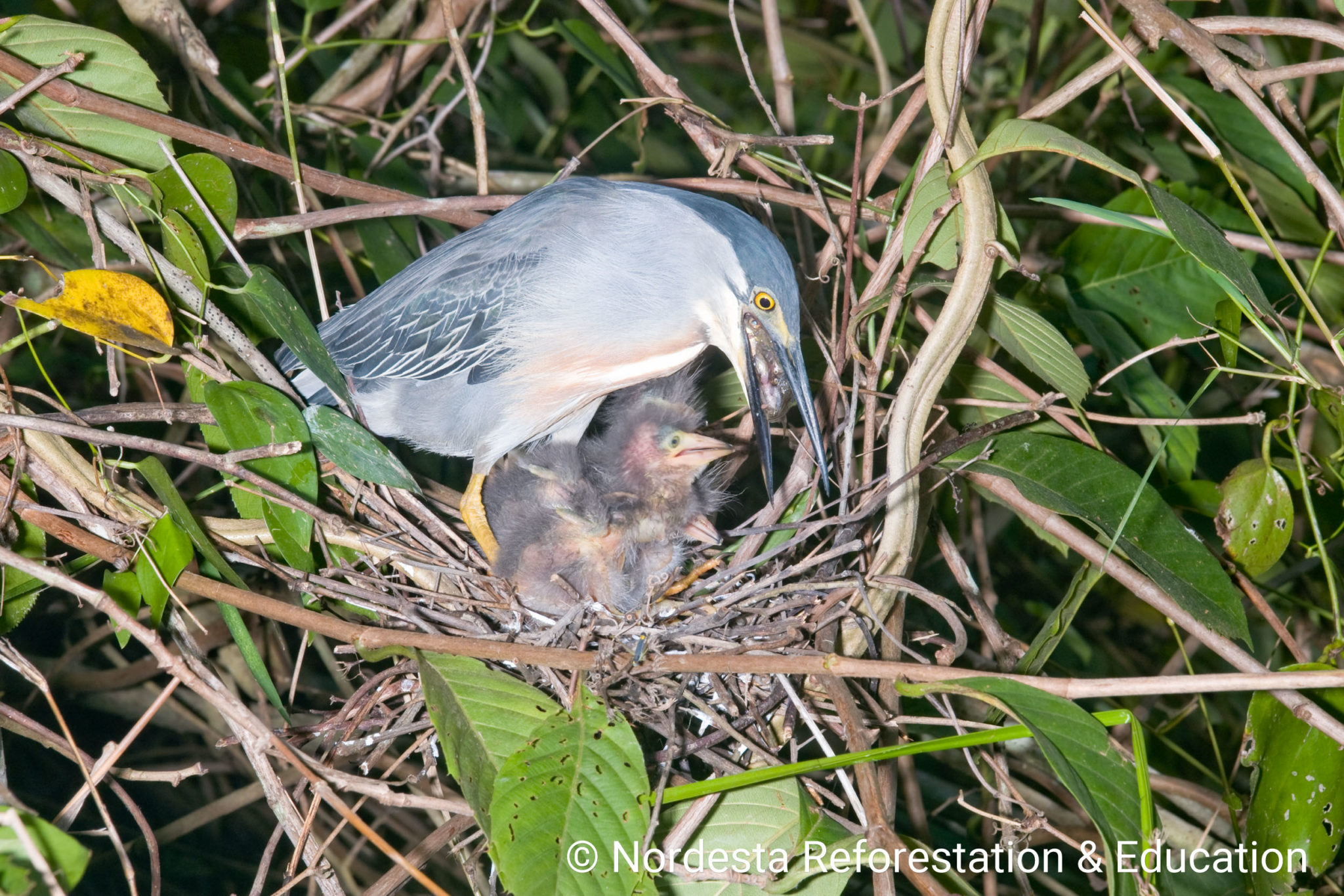
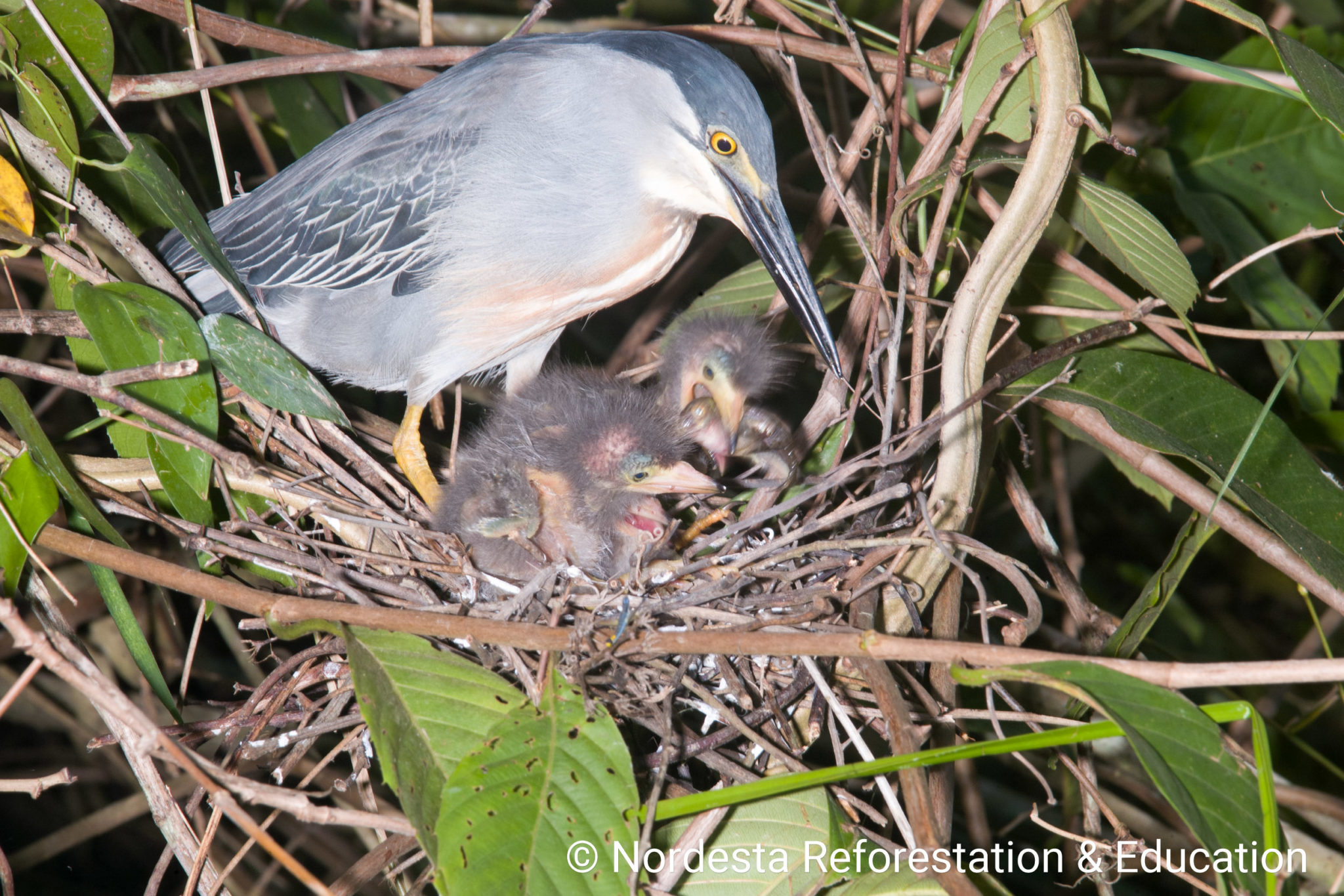
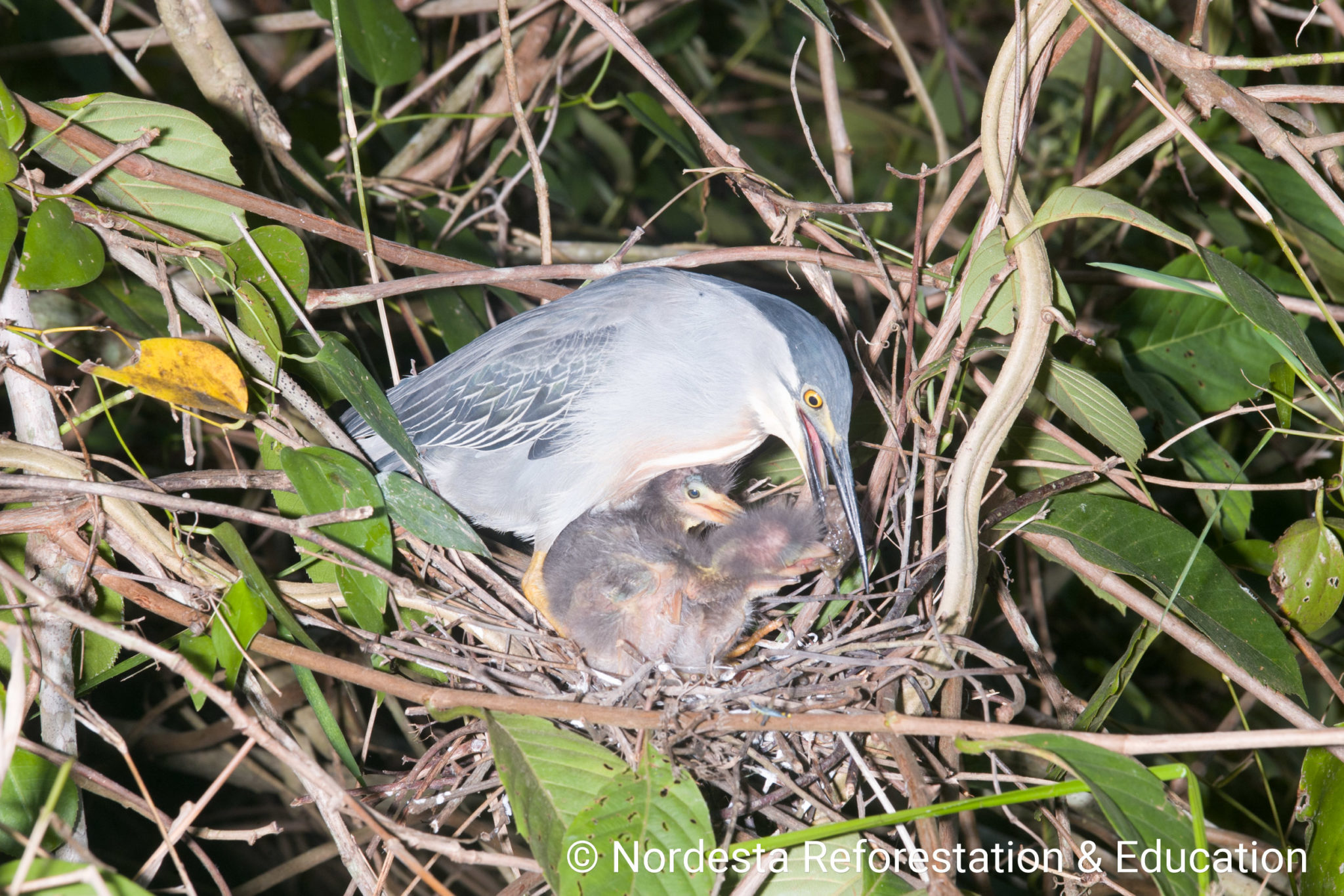
The Striated Heron Butorides striata (also known as Ardeola striata in older classifications) is a small heron found in various aquatic environments across Brazil and other regions of South America.
General behavior
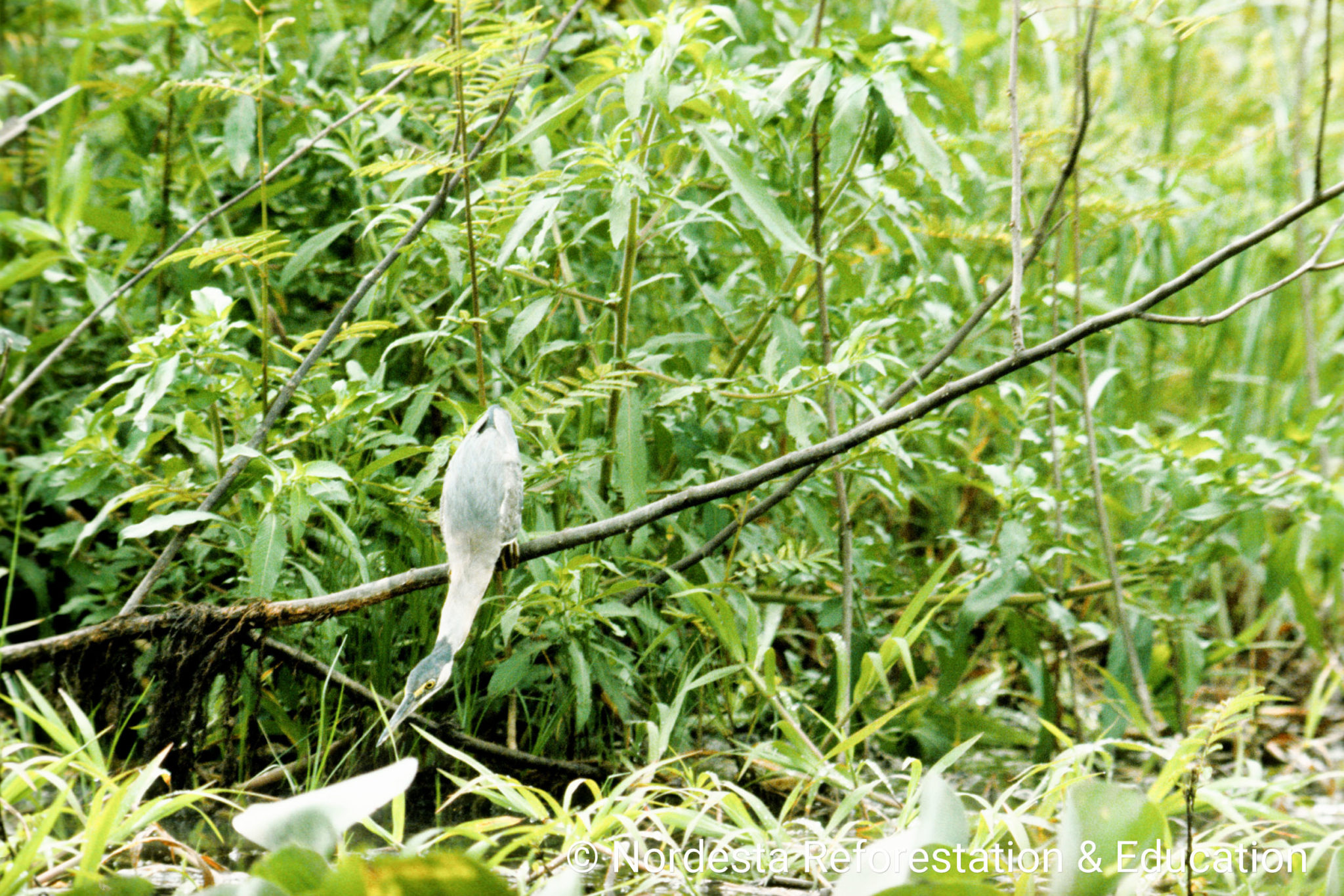
This bird is often seen quietly stalking its prey near water, either walking slowly along the shore or perched low on branches. It feeds primarily on aquatic animals, especially fish and amphibians. Unique among herons, it sometimes uses bait—like seeds or small leaves—to attract fish. It remains completely still, waiting for the prey to approach before striking quickly.
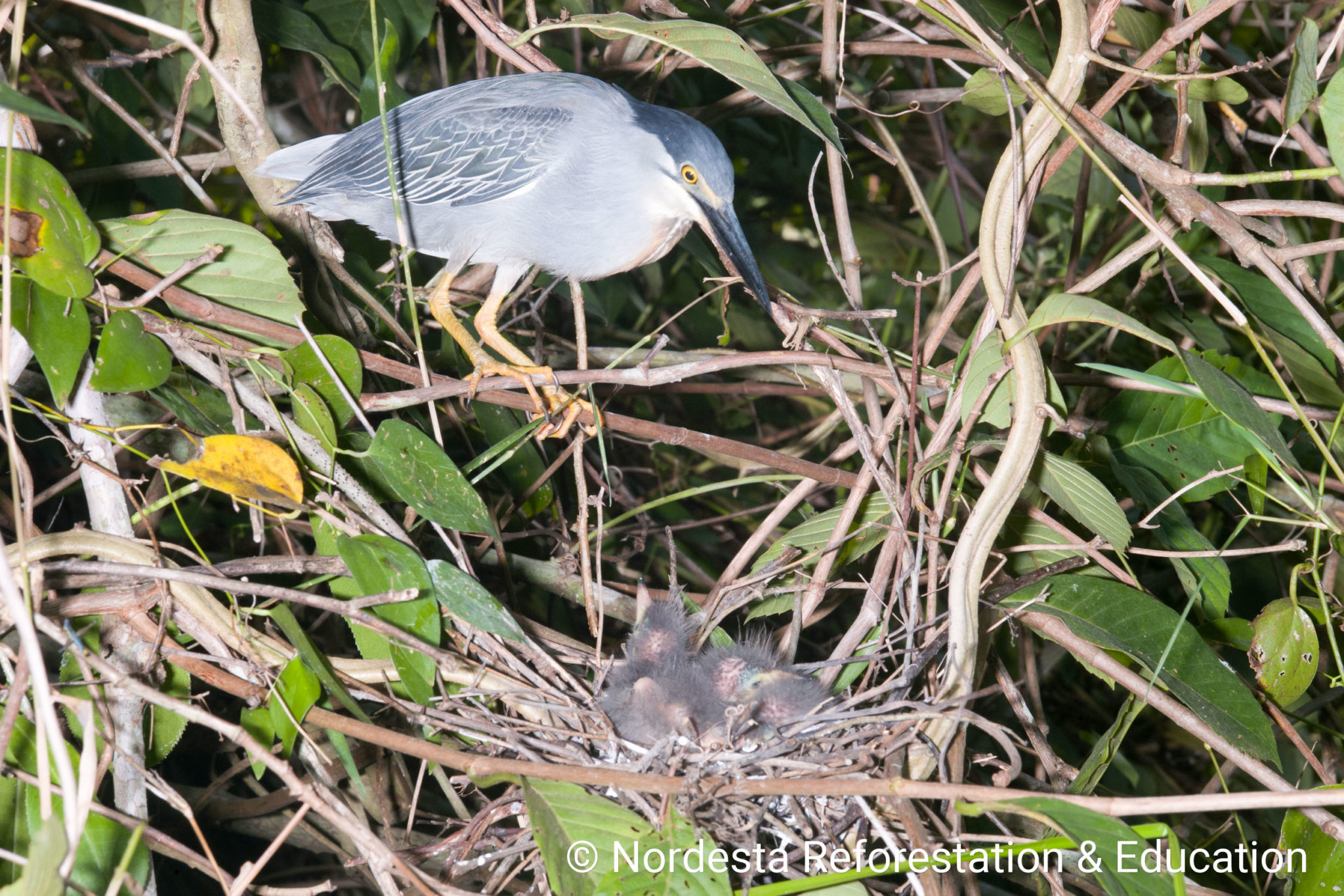
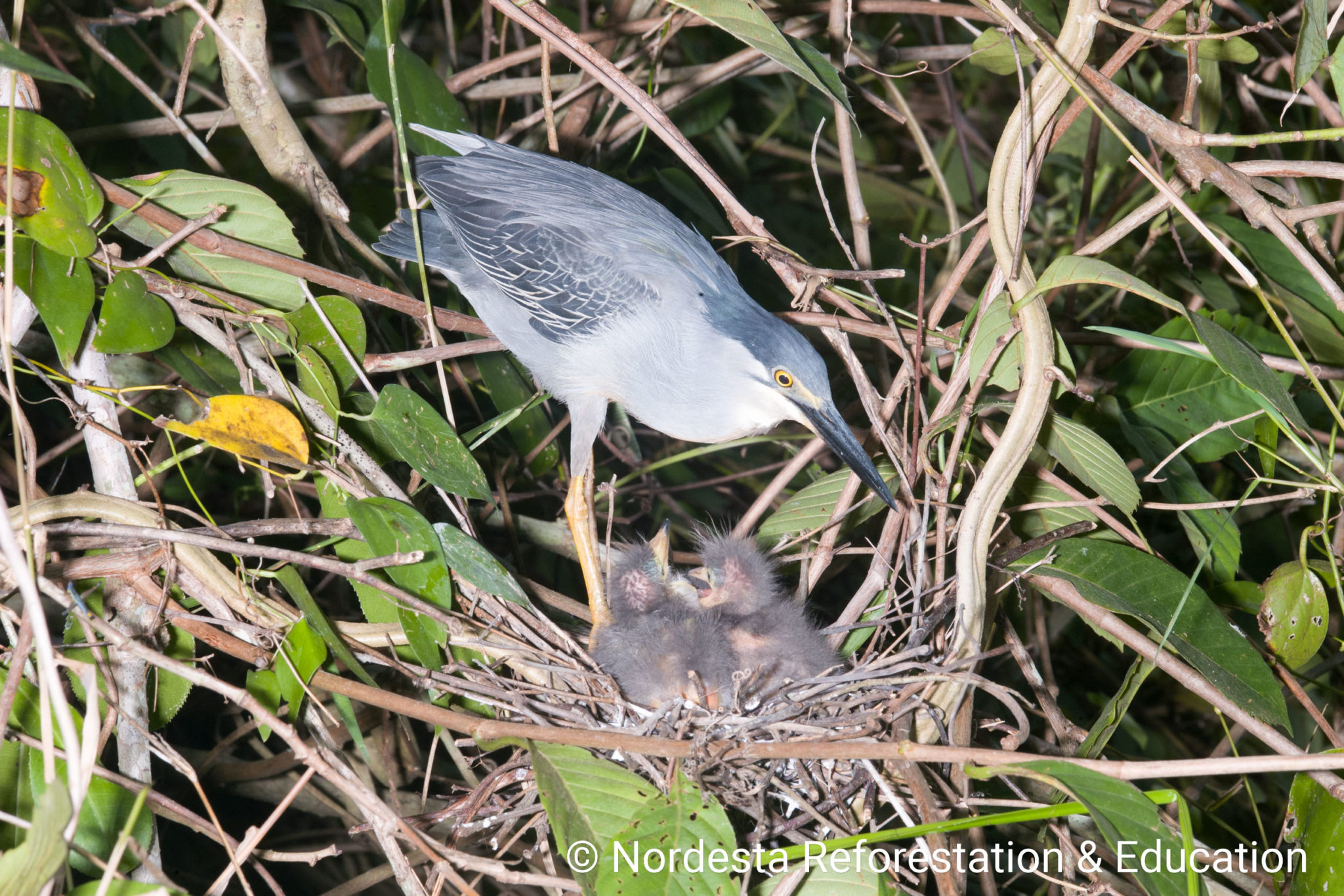
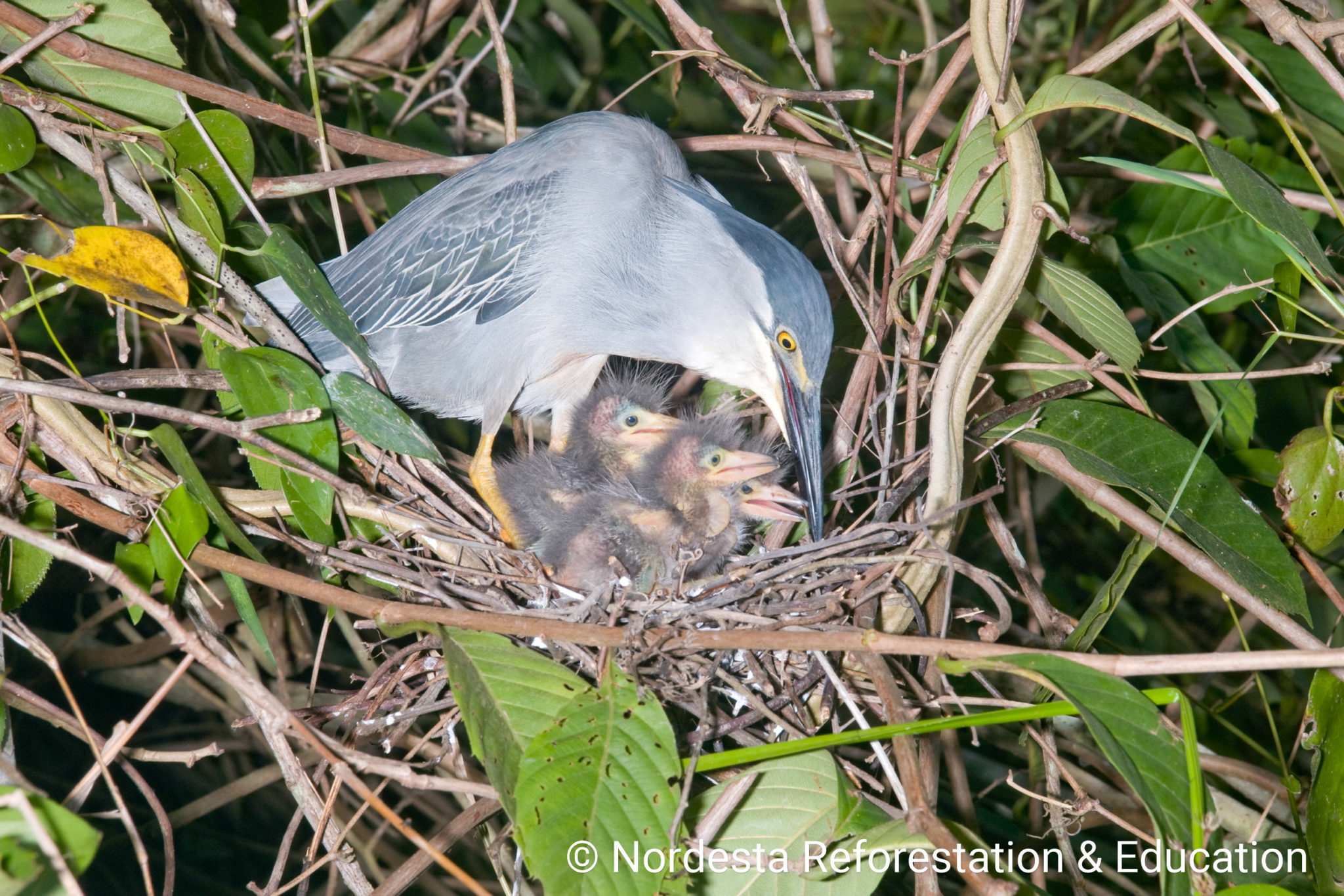
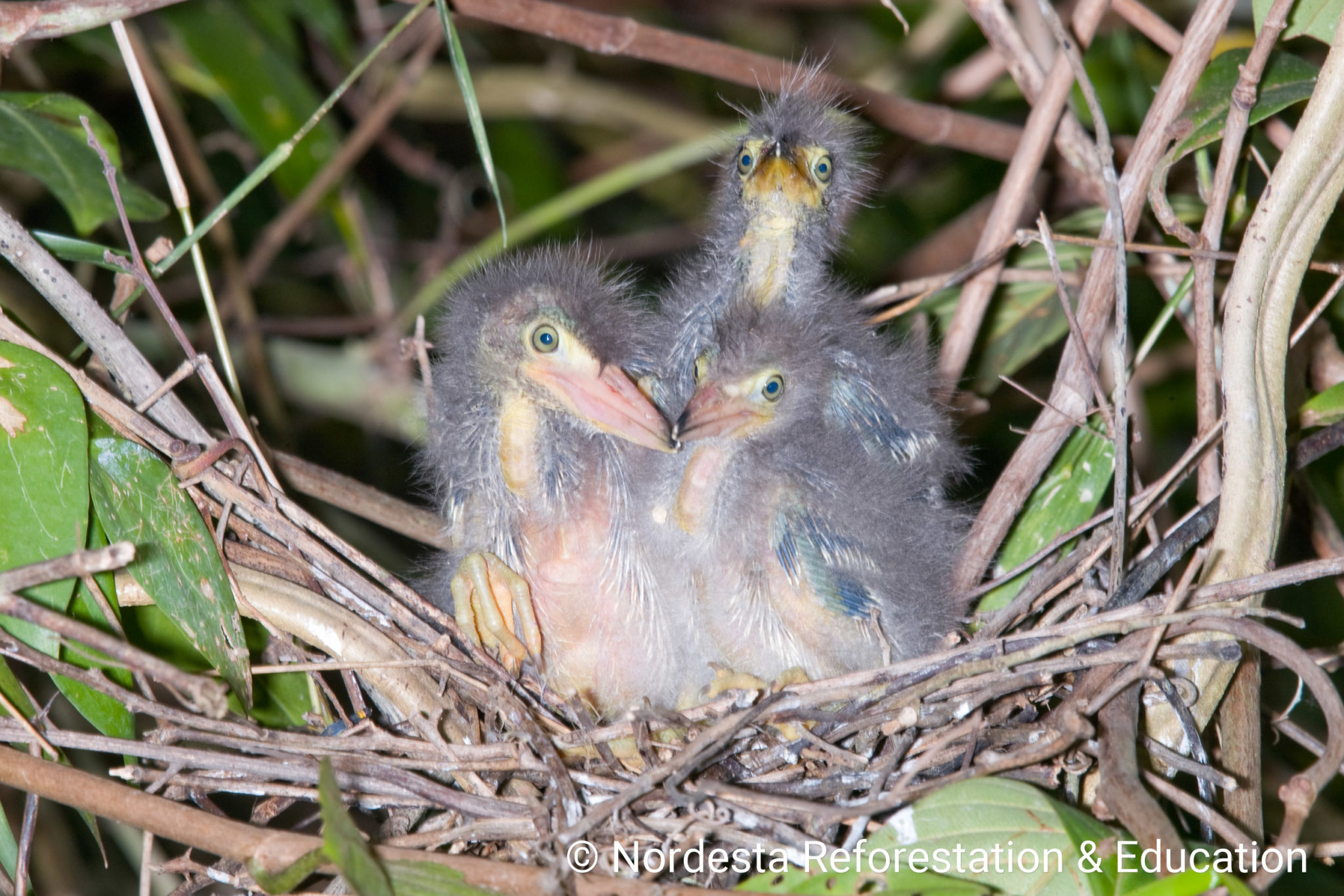
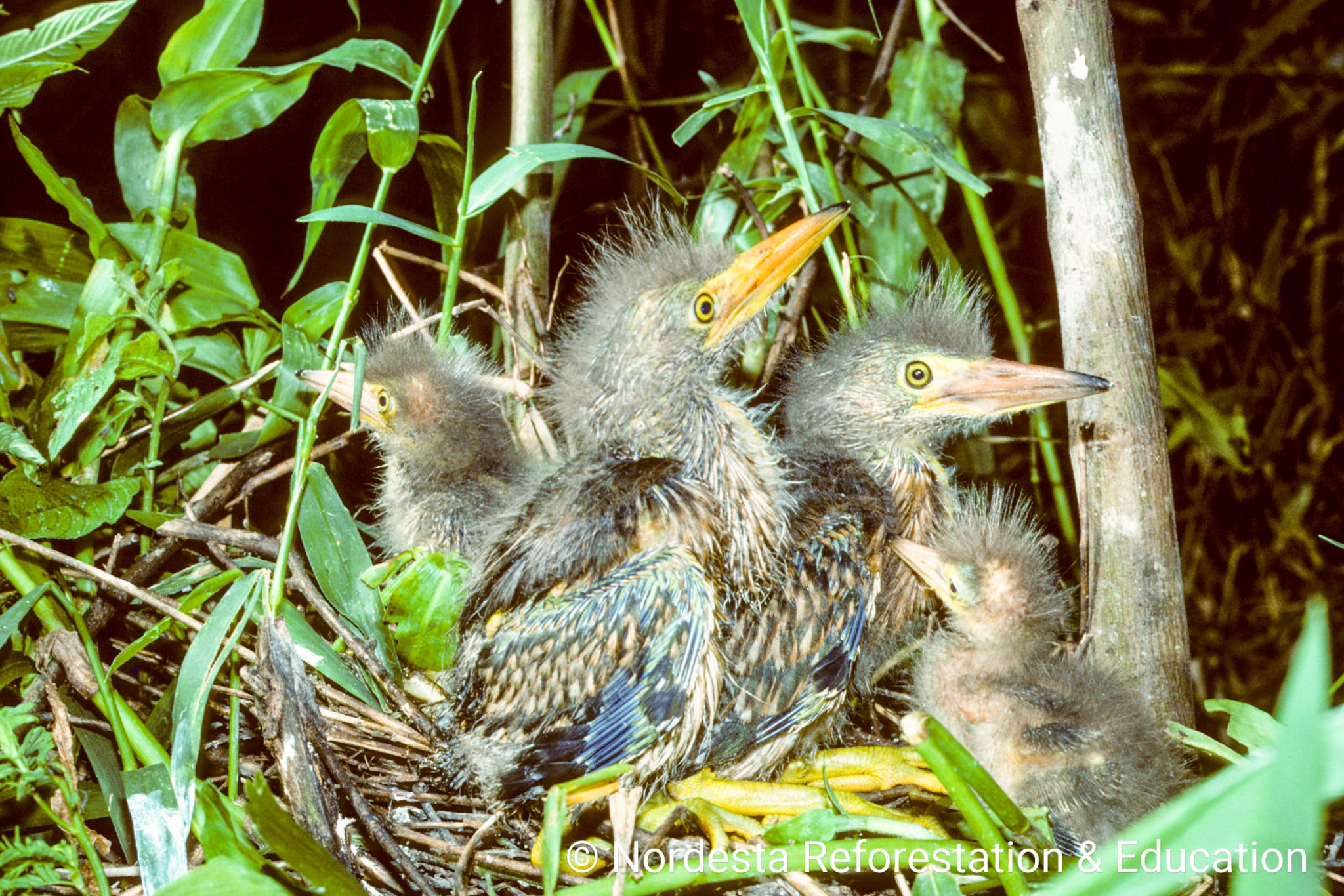
The Striated Heron is usually solitary during breeding, although large nesting colonies have been recorded. Its vocalizations, often heard at night or when disturbed, resemble a frog’s croak. Young chicks call out just before an adult return to the nest.
Habitat
Prefers wetlands such as lagoons, marshes, streams bordered by shrubs or reeds, as well as estuaries and urban lakes.
Nest observation sites
We observed nests in Quebrangulo, Alagoas (15 nests), Arcos, Minas Gerais (1 nest) and Poconé, Mato Grosso (3 nests).
Breeding season
In tropical regions (e.g., Minas Gerais, Mato Grosso), it usually breeds during the rainy season from October to March. In Northeast Brazil (e.g., Alagoas), we found year-round breeding both in wet and dry seasons.
The nest
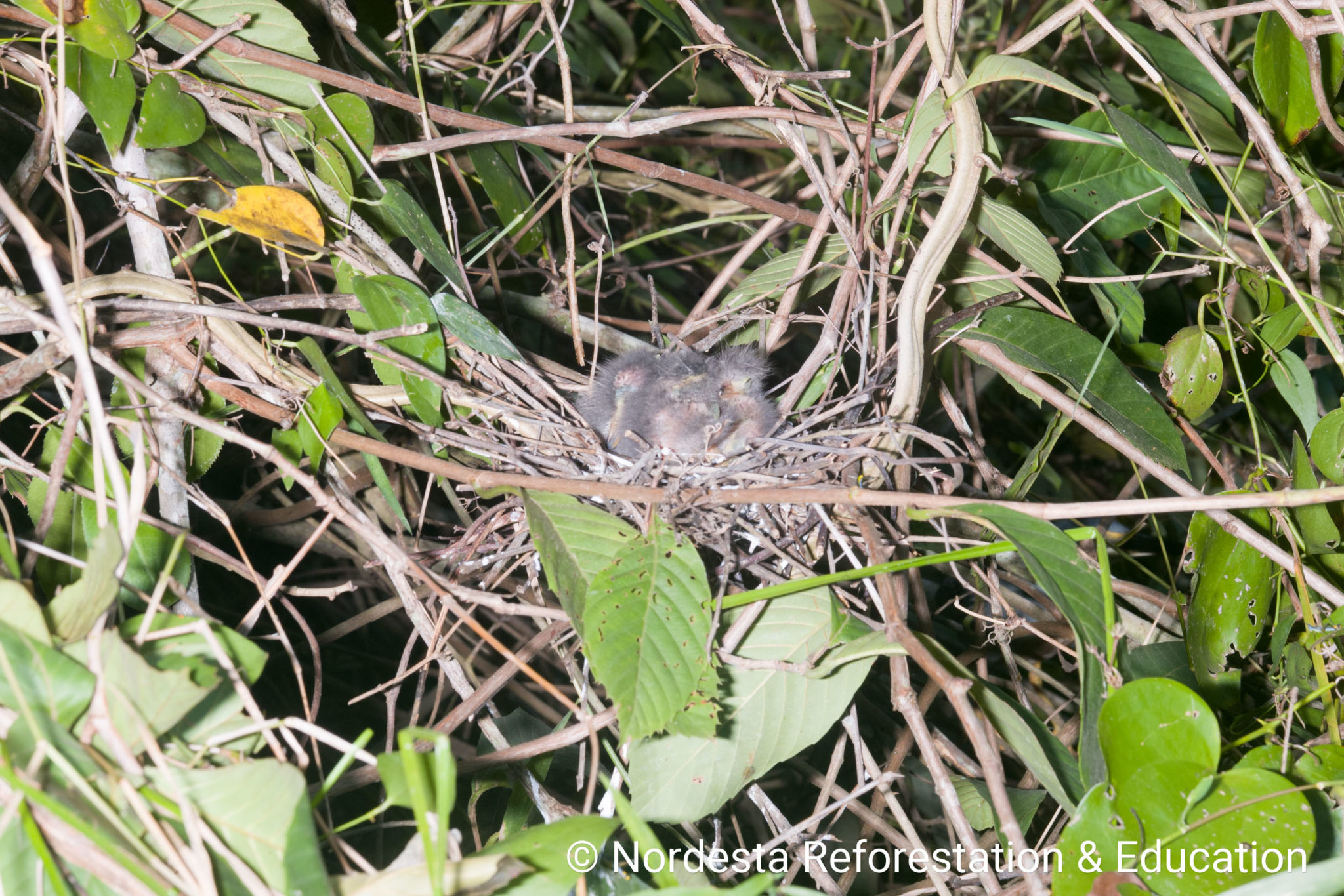
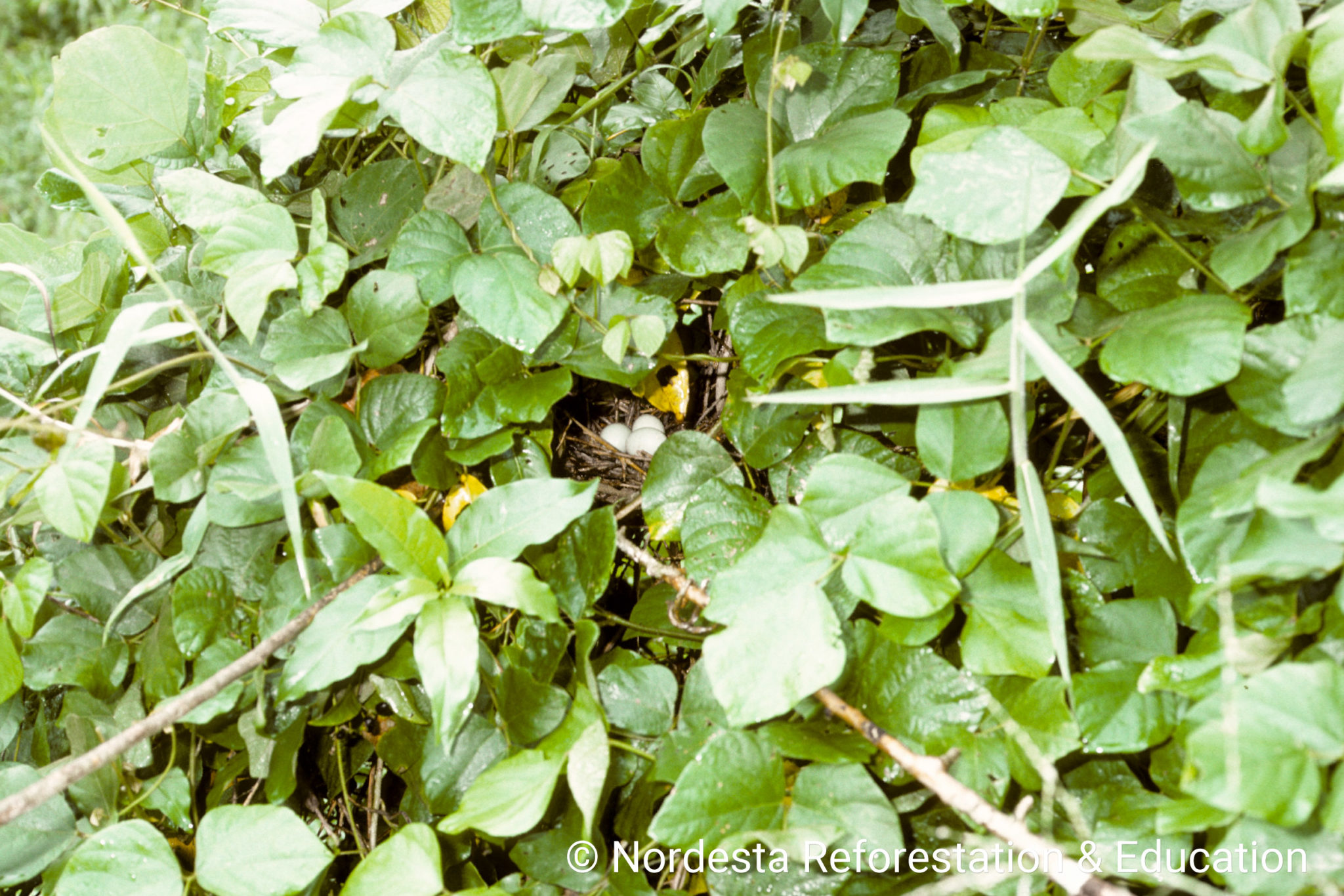
The nest is a platform built with medium-sized twigs lined with dry leaves and occasionally cow dung. It is placed in dense shrubs or trees, usually close to water, at heights ranging from 50 cm to 3 meters. Nests are sometimes reused or rebuilt in subsequent seasons. Adults continue to add material to the nest during the nestling period.