Fringilidae
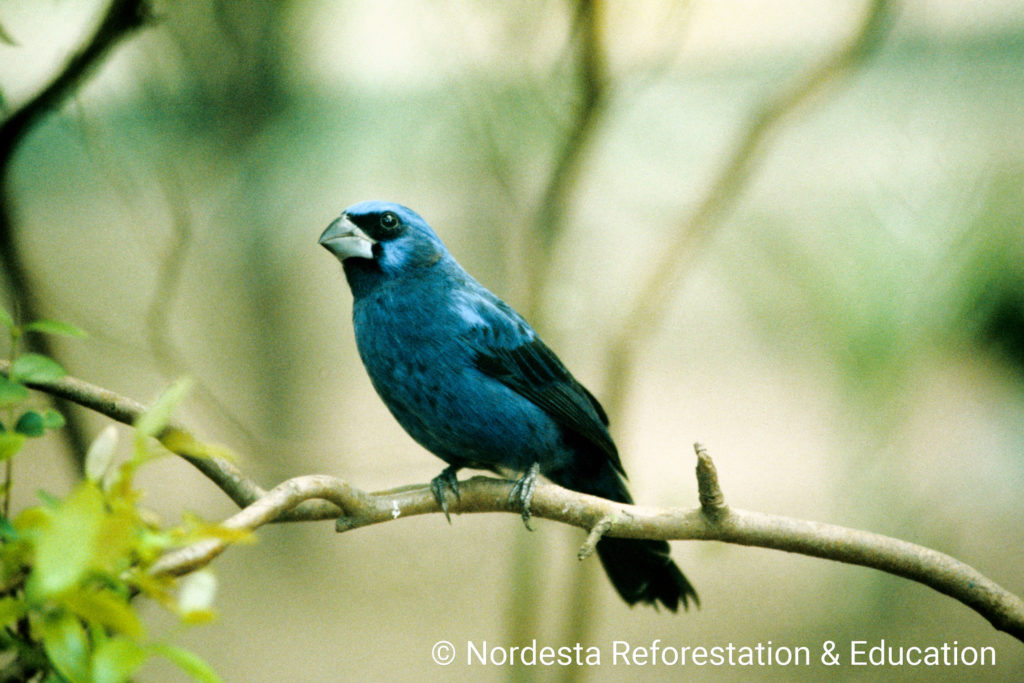
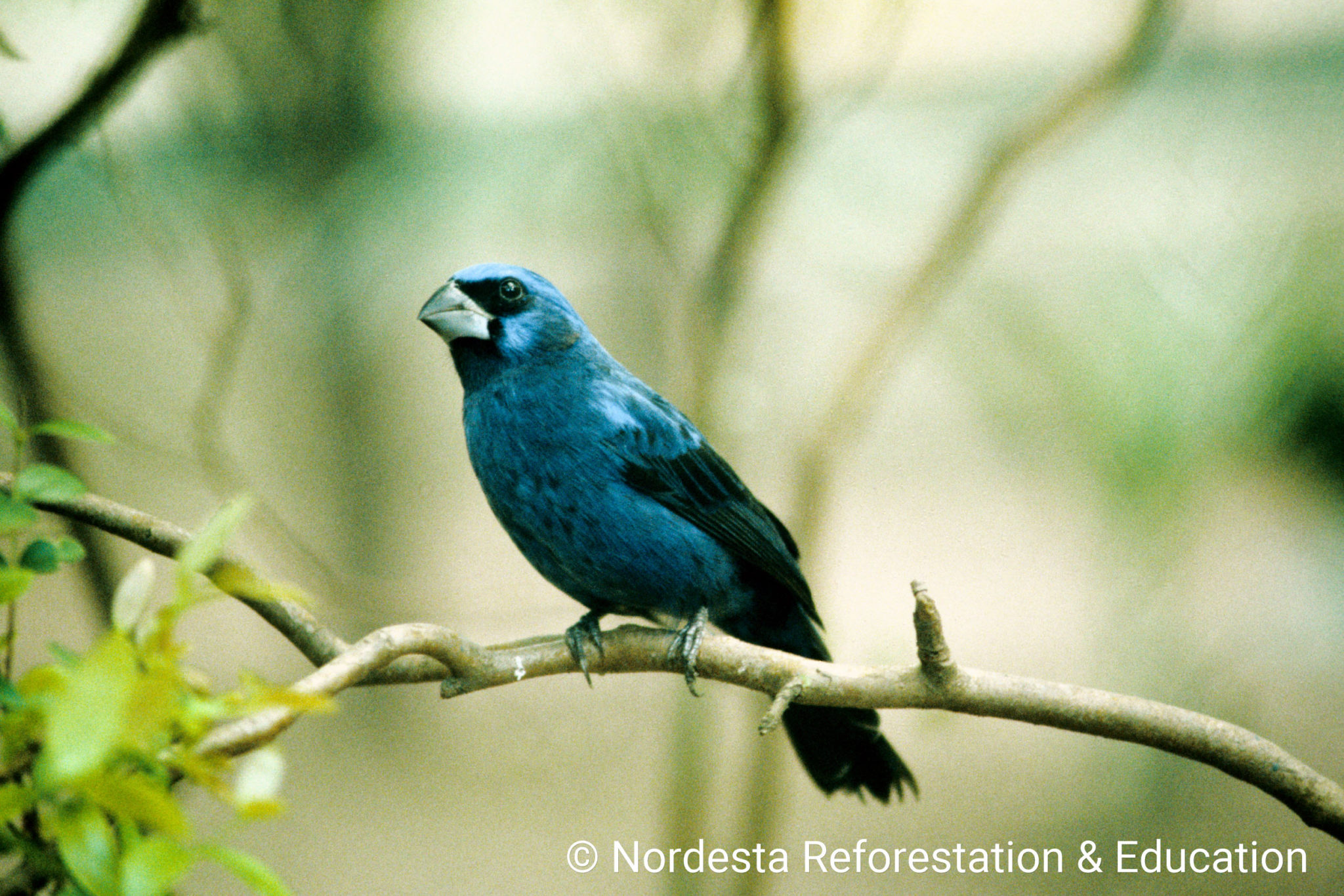
Ultramarine grosbeak
Cyanoloxia brissonii
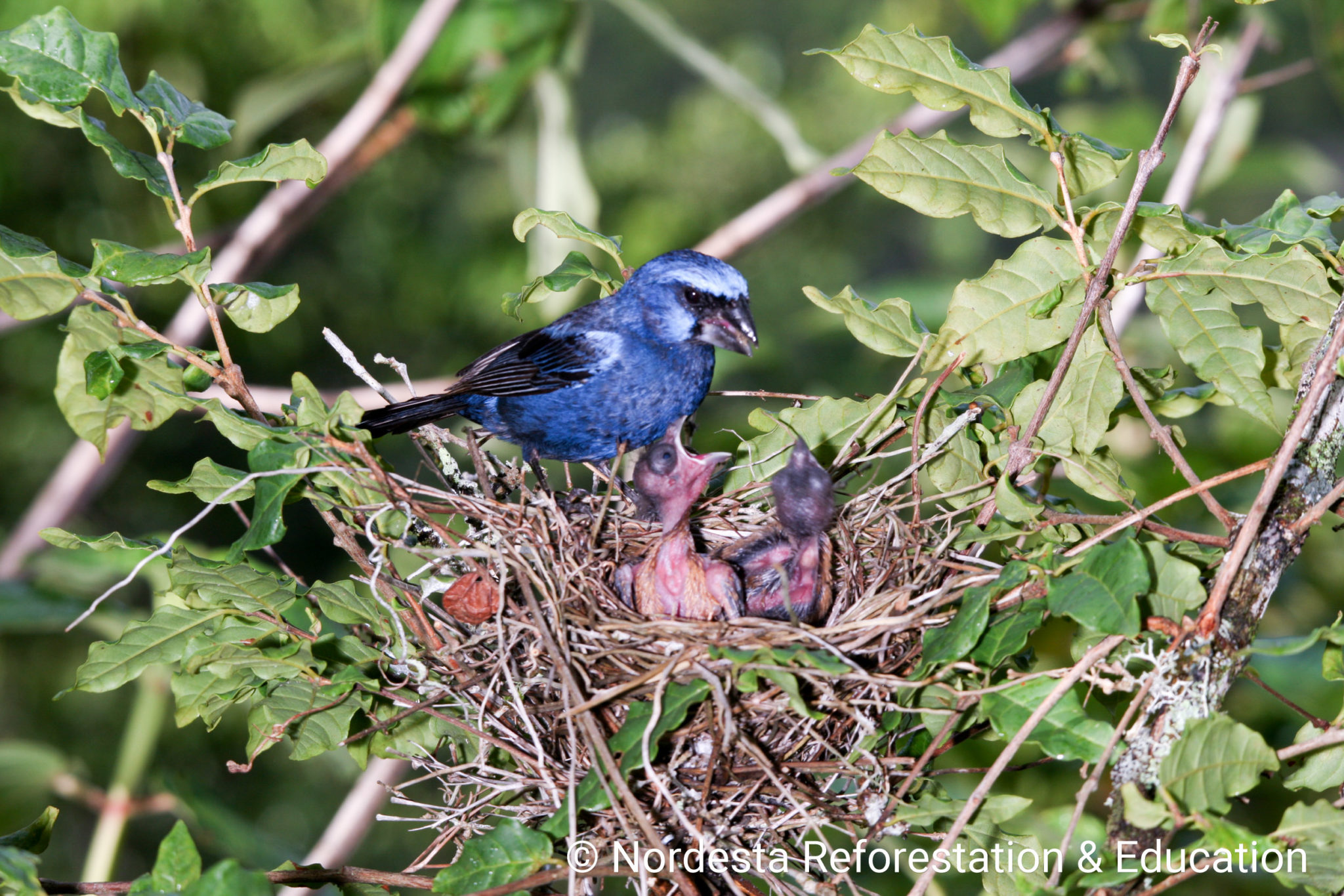
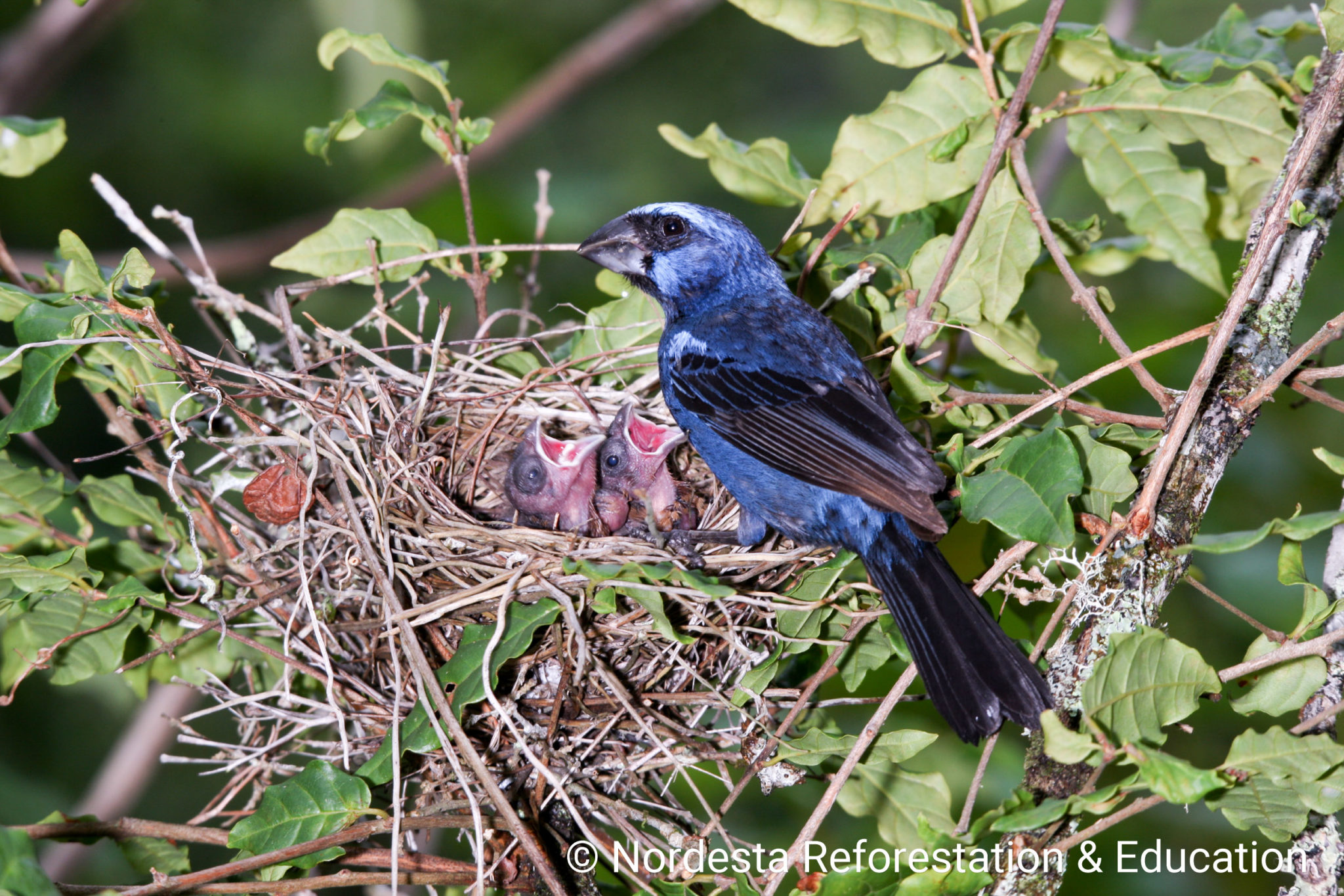
The Ultramarine Grosbeak, Cyanoloxia brissonii, is a songbird found across much of South America. It belongs to a small group of grosbeaks in the genus Cyanoloxia, which includes species found from Mexico to Argentina. There are five known subspecies of the Ultramarine Grosbeak, each with a distinct geographic range. Despite its relatively wide distribution, knowledge about its breeding biology is still limited, especially in Brazil.
General behavior
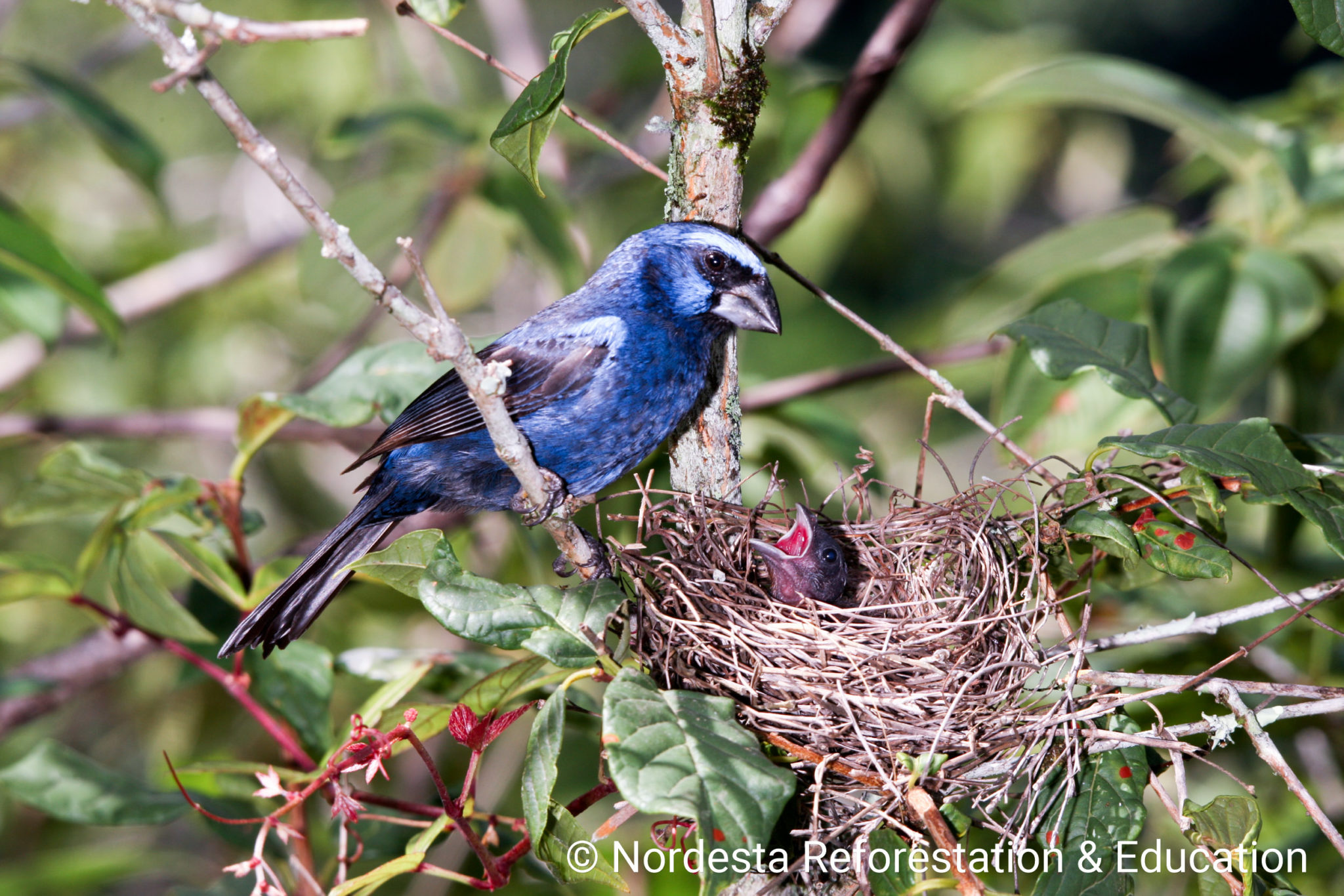
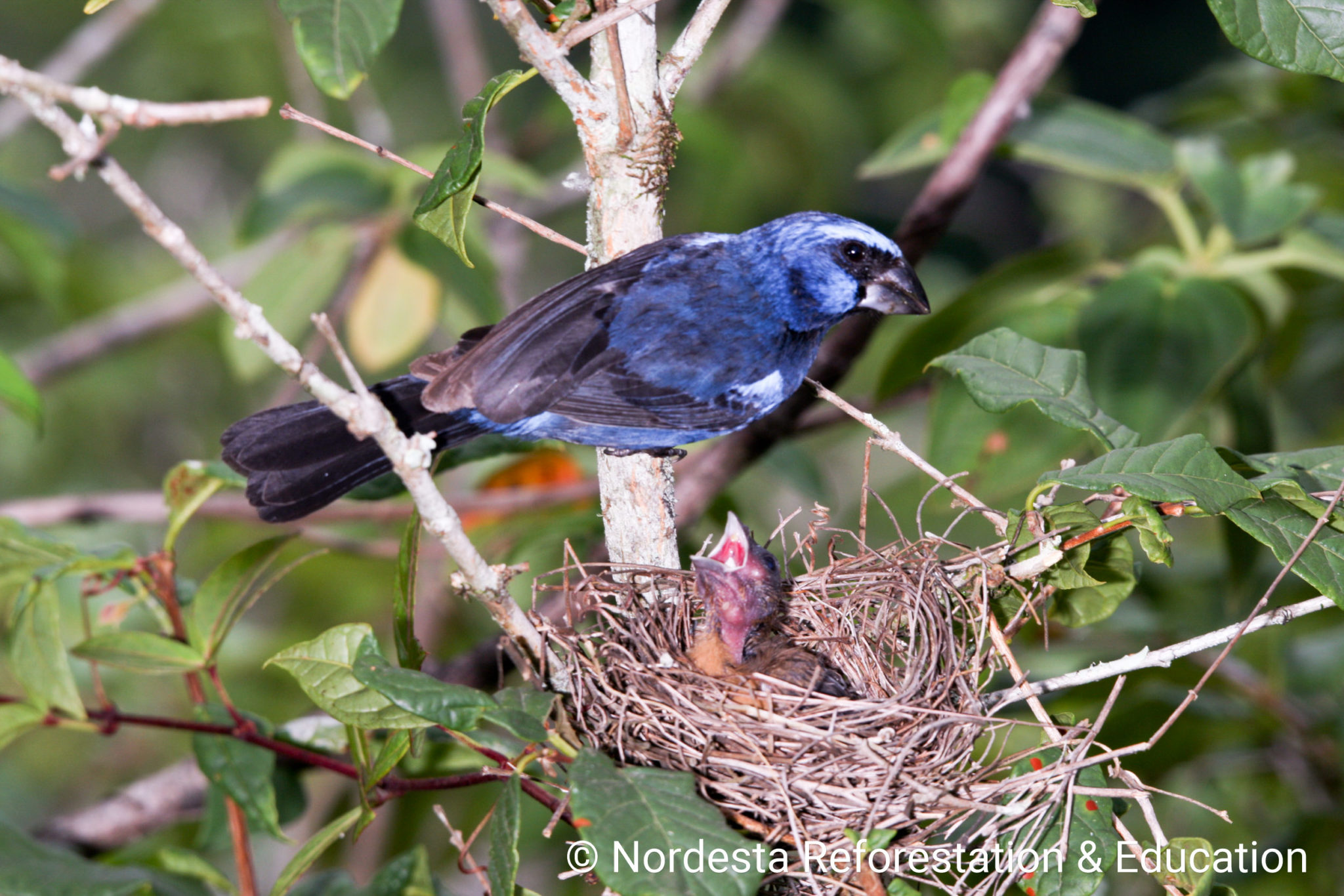
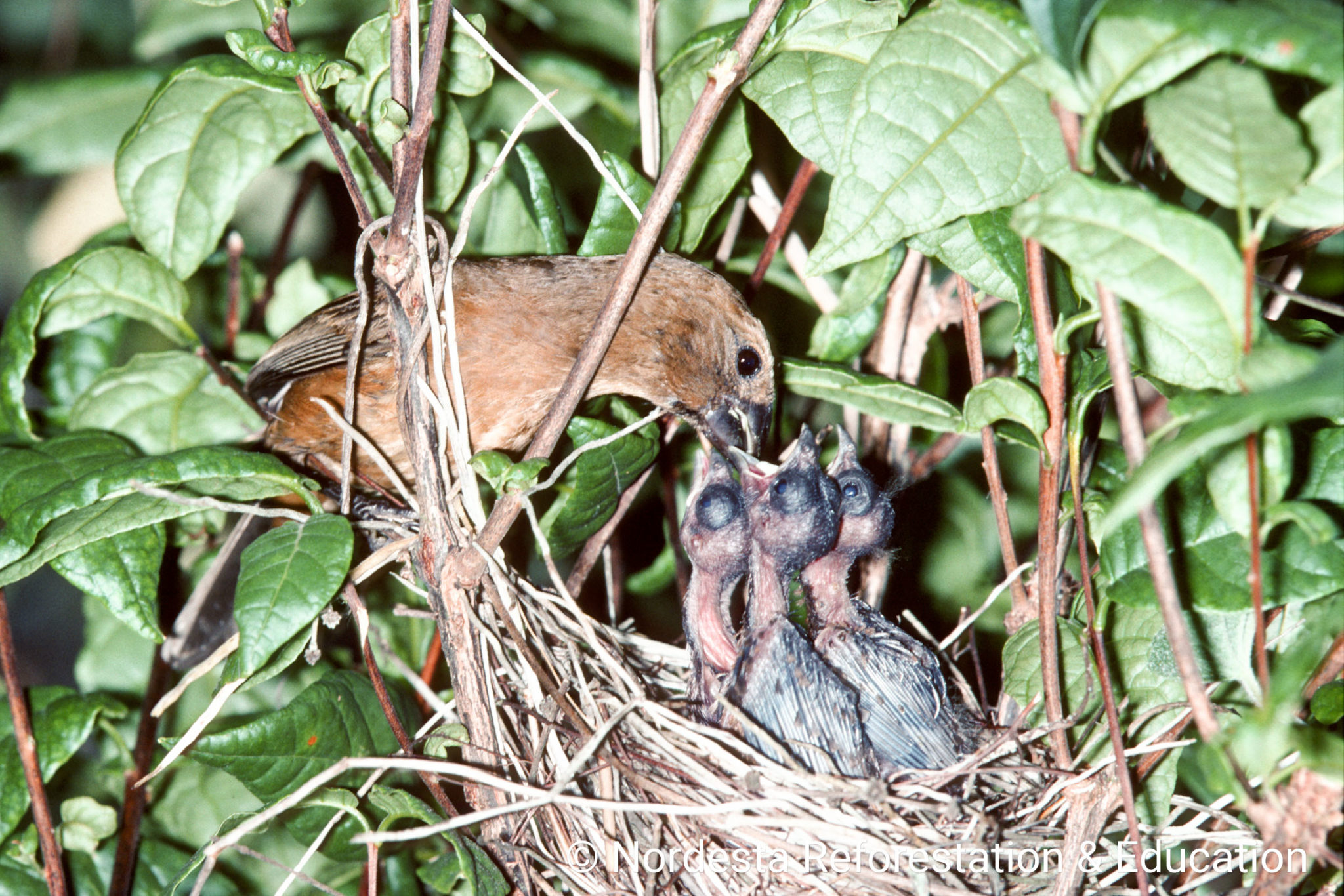
Ultramarine Grosbeaks are mostly sedentary, moving only short distances. They are commonly seen foraging for seeds and fruits, often close to the ground or up to two meters high in the vegetation. Males are known for their melodious singing, particularly during the breeding season. Both parents participate in nest building, incubation, and chick feeding.
Habitat
This species thrives in secondary forests, forest edges, and clearings. Our study was conducted around the Pedra Talhada Biological Reserve in northeastern Brazil — a transitional zone between the Atlantic Forest and Caatinga ecosystems.
Nest observation sites
We observed nests in northeastern Brazil, particularly in Alagoas state (23 nests).
Breeding season
In the study area, nesting occurred from February to September. In other Brazilian states, breeding can take place nearly year-round. In Argentina, nesting typically occurs between late October and early February.
The nest
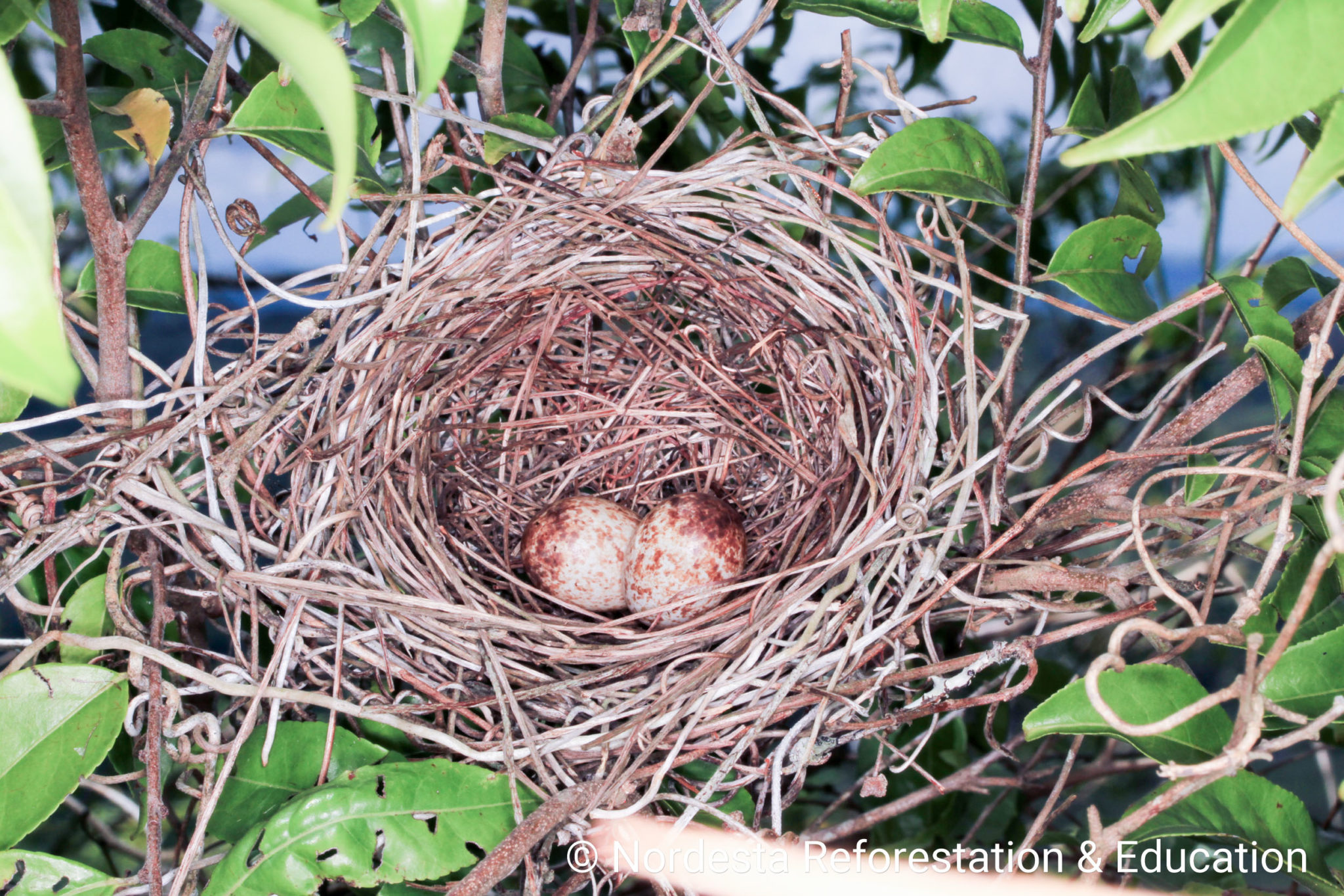
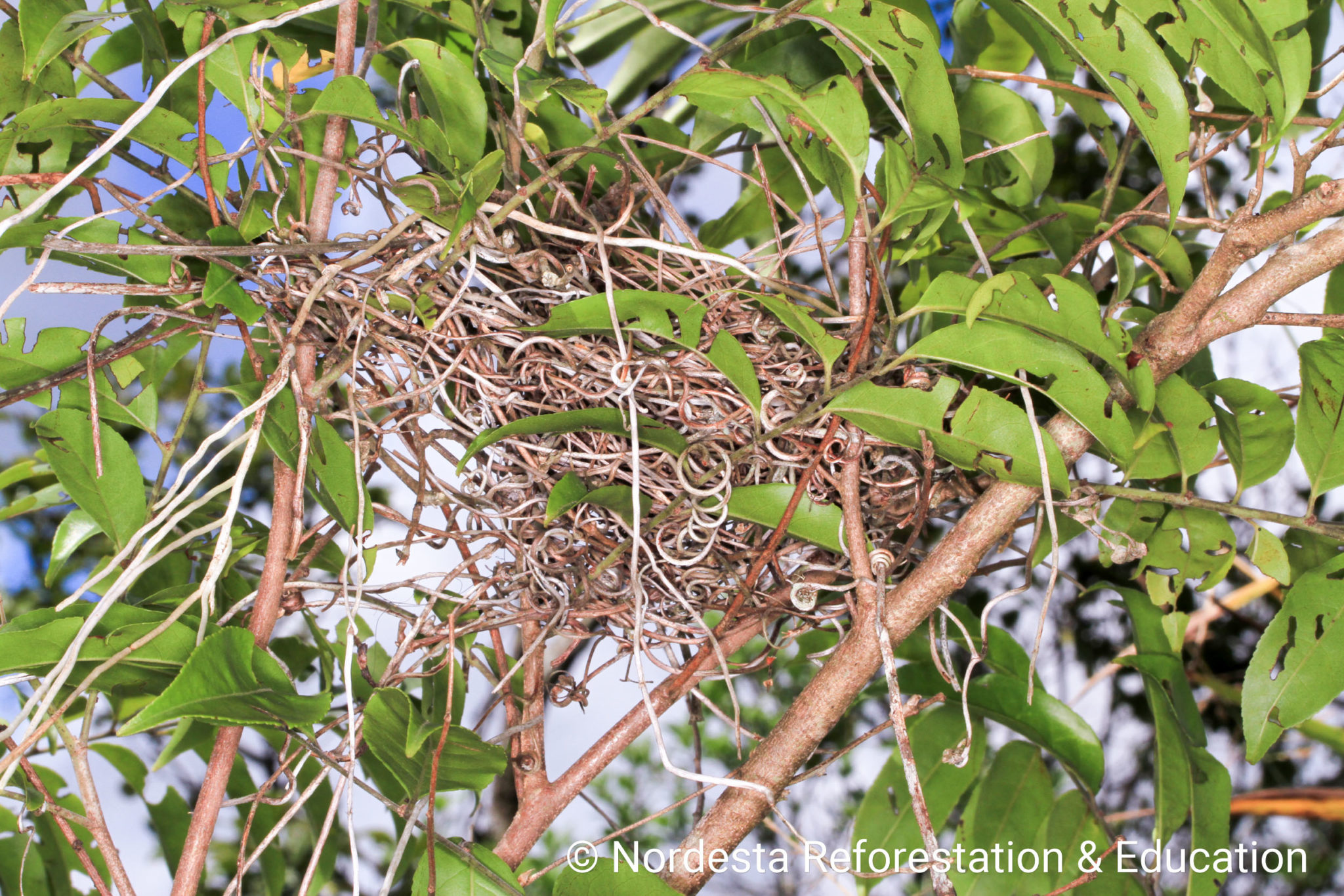
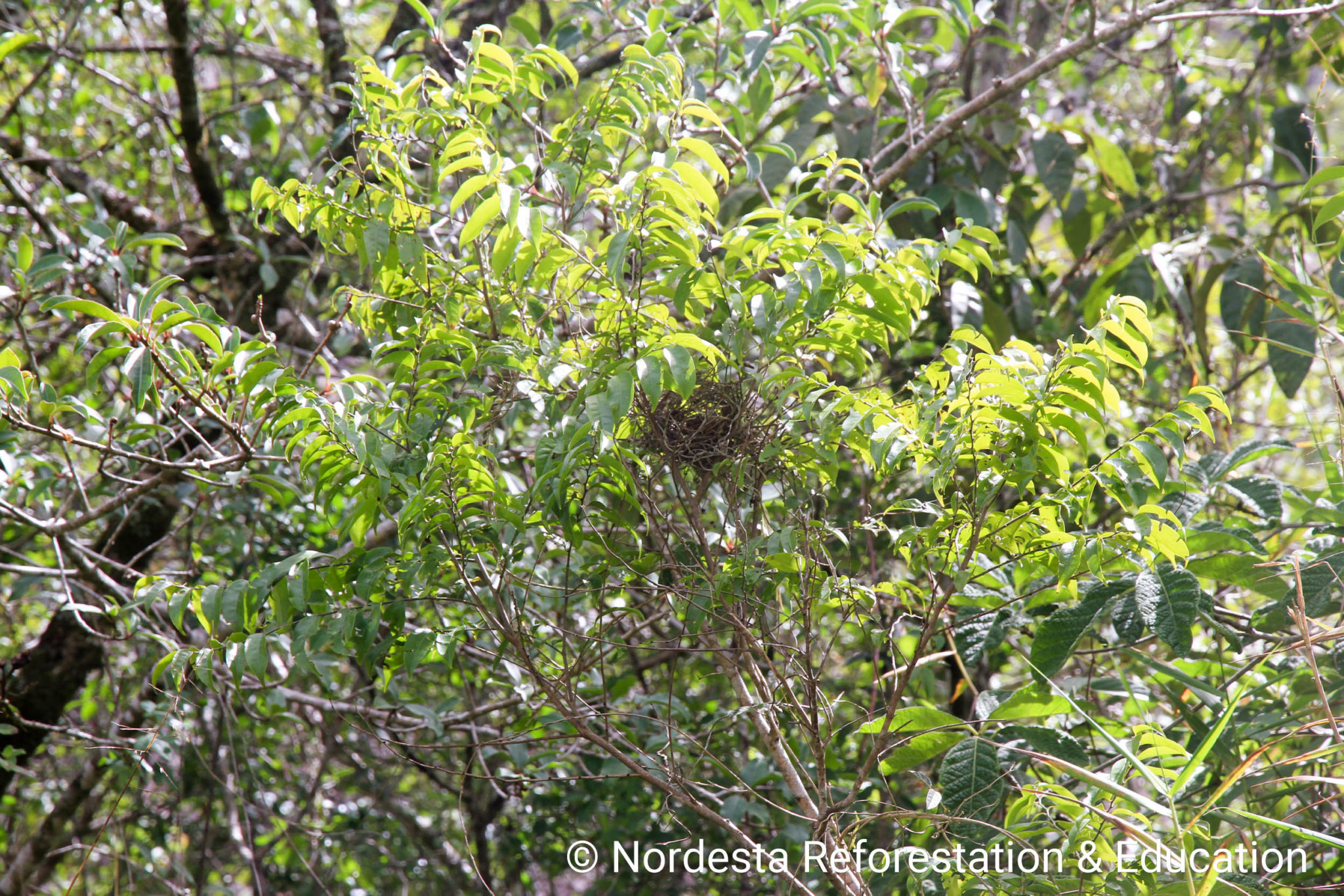
The Ultramarine Grosbeak builds cup-shaped nests with thin walls made of roots, tendrils, and leaf stalks, placed at the fork of small branches. They were usually placed in forest-edge vegetation or on rocky outcrops, between 0.8 and 5.2 m above the ground in Alagoas. Common nesting plants included Psidium guineense, Vitex polygama, and Cnidoscolus urens.
For more information, refer to the publication: Studer, A., Sousa, M. C., & Stoudmann, G. (2025), or contact the author at anita.birdaves@gmail.com
Reference:
Studer, A., Sousa, M. C., & Stoudmann, G. (2025). Notes on the reproduction of the Ultramarine Grosbeak Cyanoloxia brissonii in northeastern Brazil. Biodiversity Observations, 15(1), 8–17