Anatidae
White-faced Whistling Duck
Dendrocygna viduata
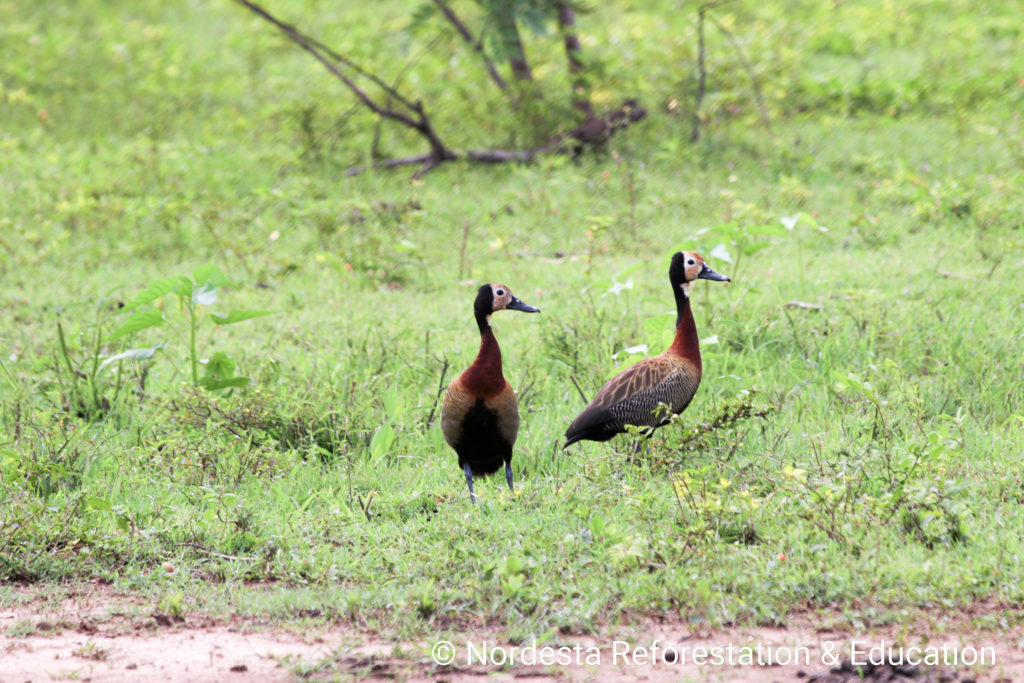
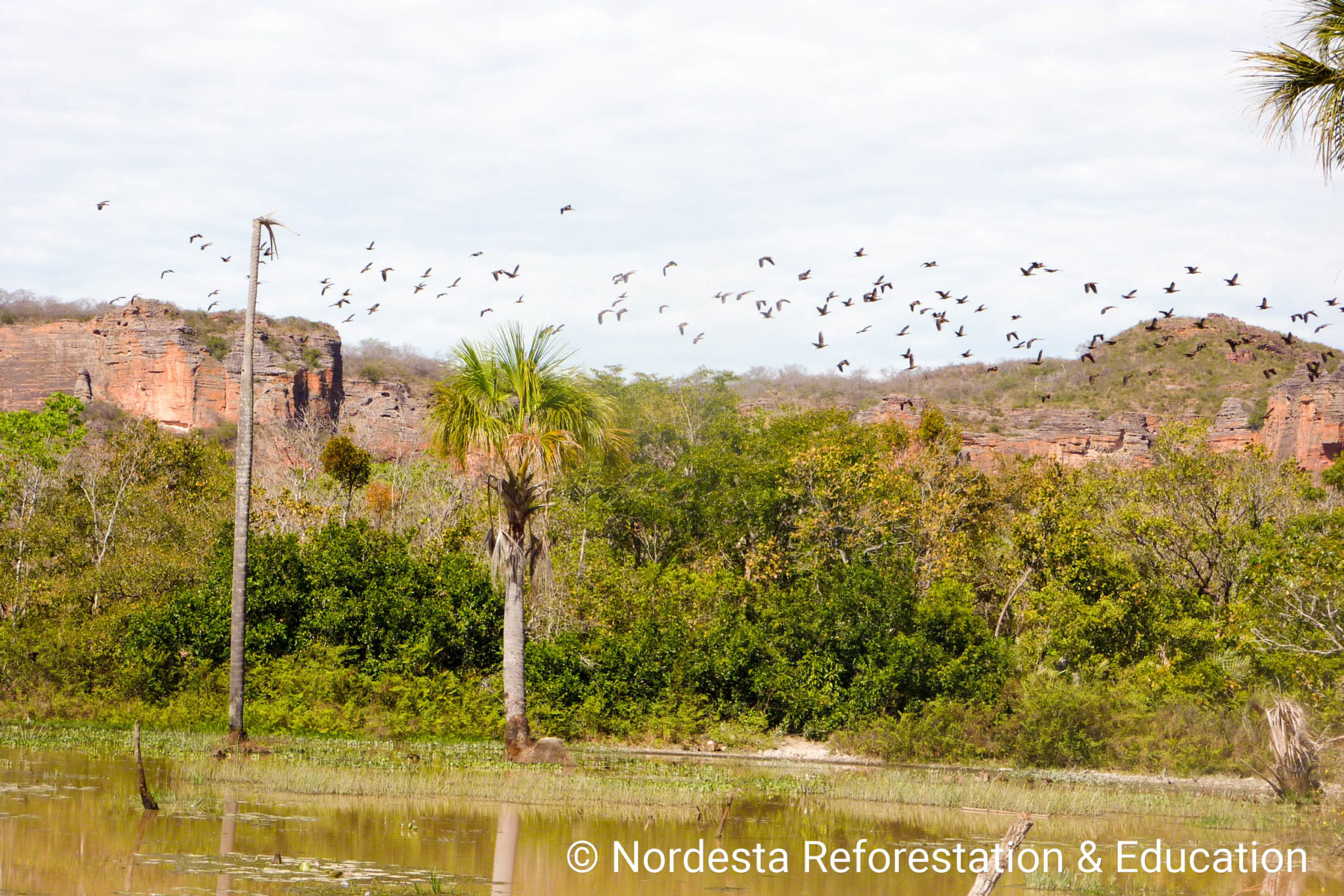
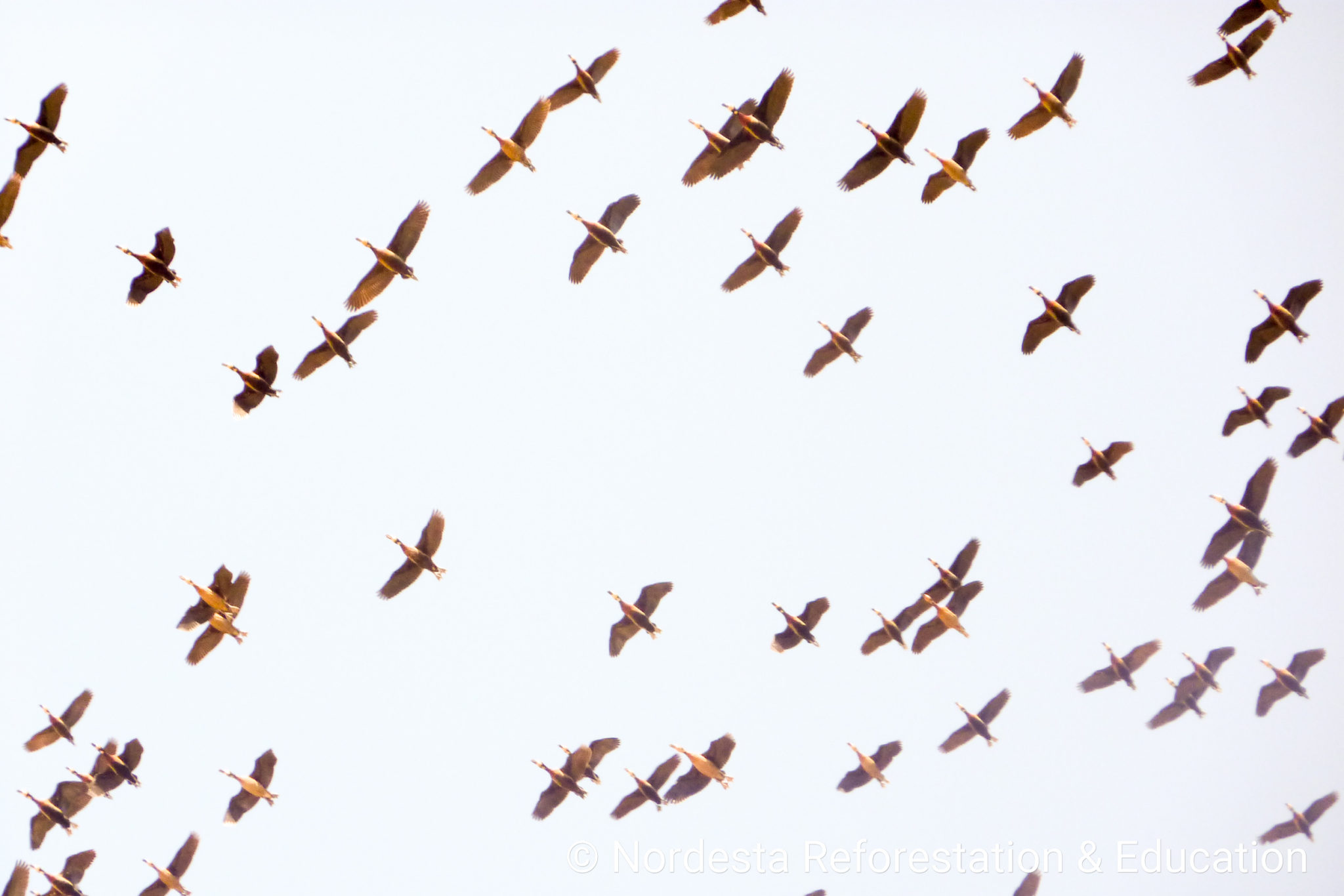
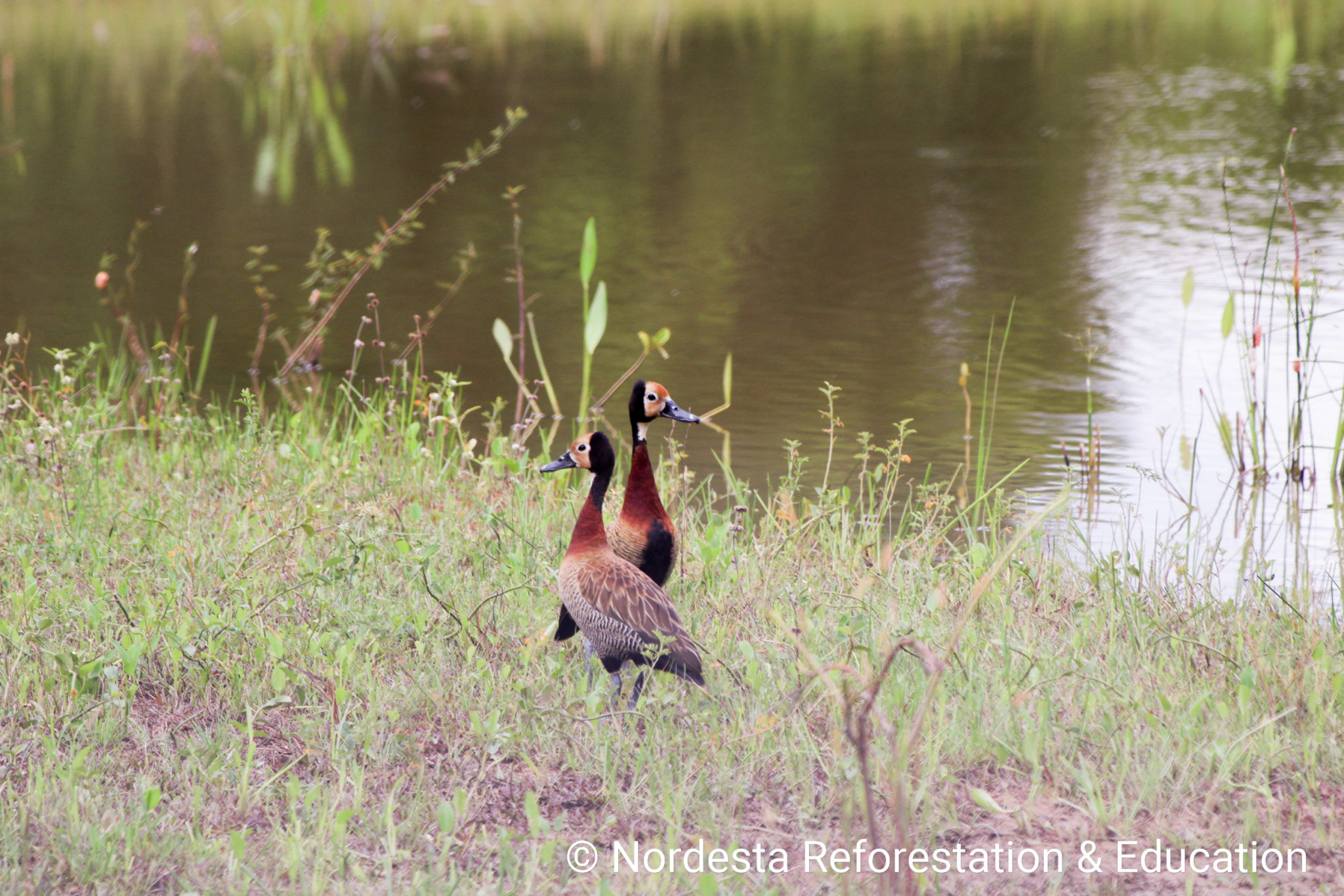
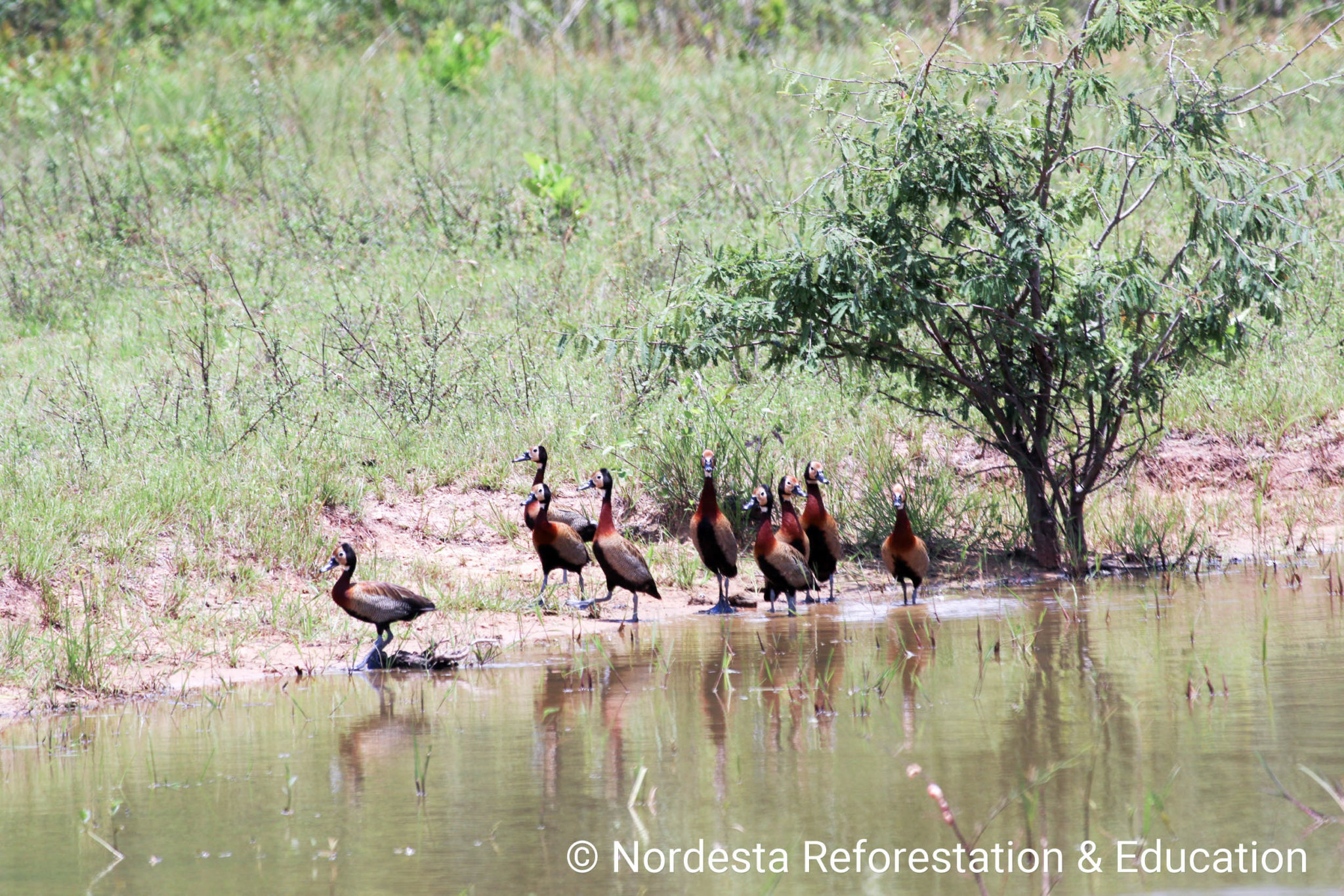
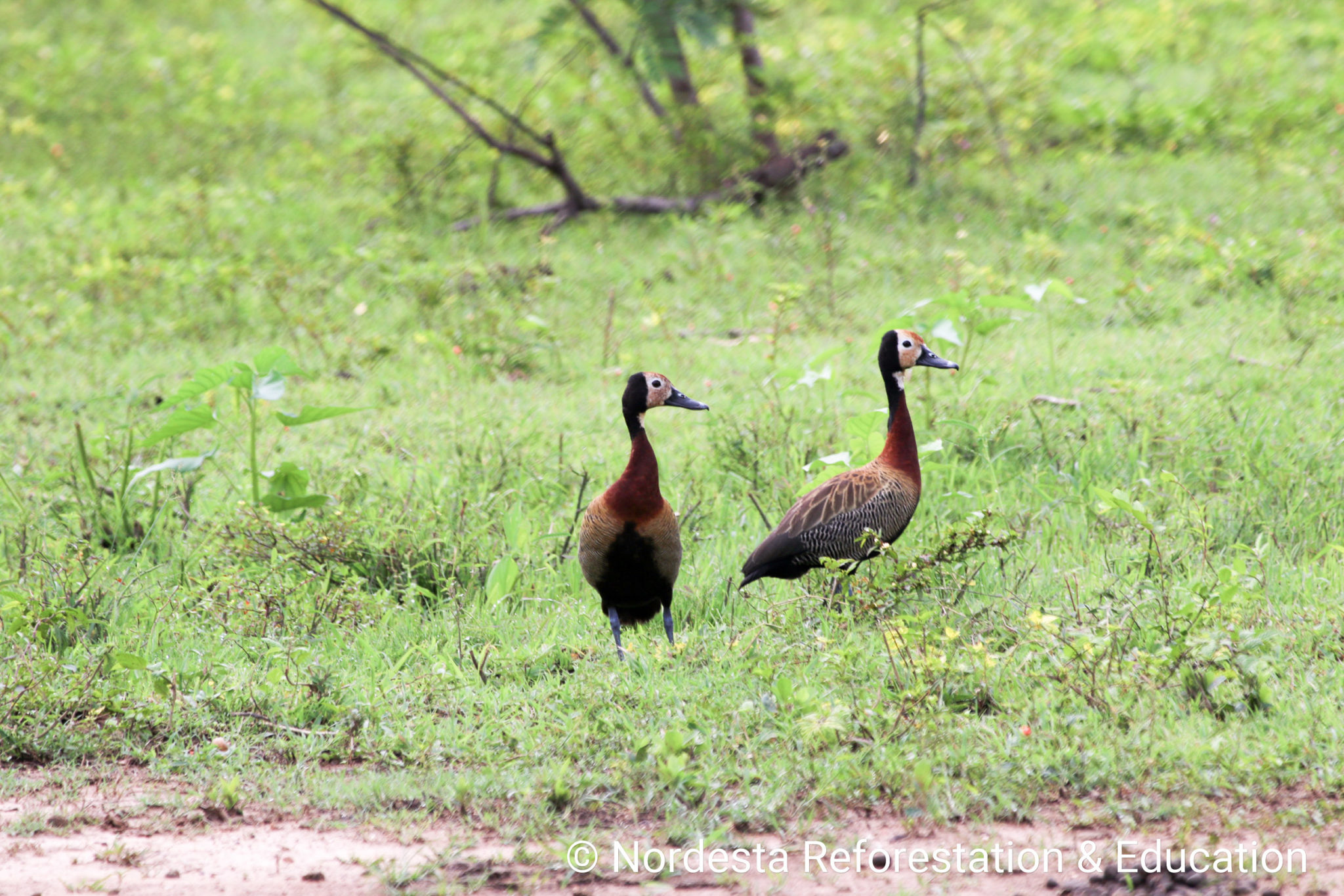
White-Faced Whistling Ducks are highly social birds, often found in large flocks near bodies of water. Their name comes from their distinctive, high-pitched whistling calls, which they make frequently. As semi-aquatic birds, they are strong swimmers but also spend a lot of time on land foraging for food. Their diet mainly consists of seeds and aquatic plants, with small invertebrates as an occasional addition. These ducks are most active in the early morning and late afternoon, resting during the hottest parts of the day. While they are adept in water, they frequently walk through grassy areas in search of food.
General behavior
White-Faced Whistling Ducks are highly social birds, often found in large flocks near bodies of water. Their name comes from their distinctive, high-pitched whistling calls, which they make frequently. As semi-aquatic birds, they are strong swimmers but also spend a lot of time on land foraging for food. Their diet mainly consists of seeds and aquatic plants, with small invertebrates as an occasional addition. These ducks are most active in the early morning and late afternoon, resting during the hottest parts of the day. While they are adept in water, they frequently walk through grassy areas in search of food.
Habitat
White-Faced Whistling Ducks prefer wetlands, marshes, lakes, and flooded areas where water is abundant. They thrive in open habitats like savannas and grasslands near water sources and in artificial environments such as rice fields and cattle pastures. Their preference for flooded environments makes foraging easier as they wade and dive in shallow waters.
Nest observation sites
Nests were observed in Iguatama, Minas Gerais (1 nest) and Quebrangulo, Alagoas (1 nest).
Breeding season
The breeding season for White-Faced Whistling Ducks is closely linked to the rainy season in their respective regions. The rainy season provides an abundance of food and suitable nesting sites.
The nest
White-Faced Whistling Duck nests are typically located on the ground in open areas, usually near flooded environments like ponds or marshes. They often nest in cattle pastures or under bushes, offering some natural protection. Usually, their nests are placed near water, often surrounded by tall grass or dense vegetation.
The nests vary in size and are simple, built in slight depressions in the ground and surrounded by grass. Made from locally sourced materials like grass and leaves, some nests also had feathers added to the lining.
For more information, refer to the publication: Studer, A., & Crozariol, M. A. 2022, pages 433—435, or contact the author at anita.birdaves@gmail.com
(Studer, A., & Crozariol, M. A. (2022). New breeding information on Brazilian birds. 1: Rheidae, Tinamidae, Anhimidae, Anatidae, Cracidae and Podicipedidae. Bulletin of the British Ornithologists’ Club, 142(4). https://doi.org/10.25226/bboc.v142i4.2022.a4)