Columbidae
White-tipped dove
Leptotila verreauxi
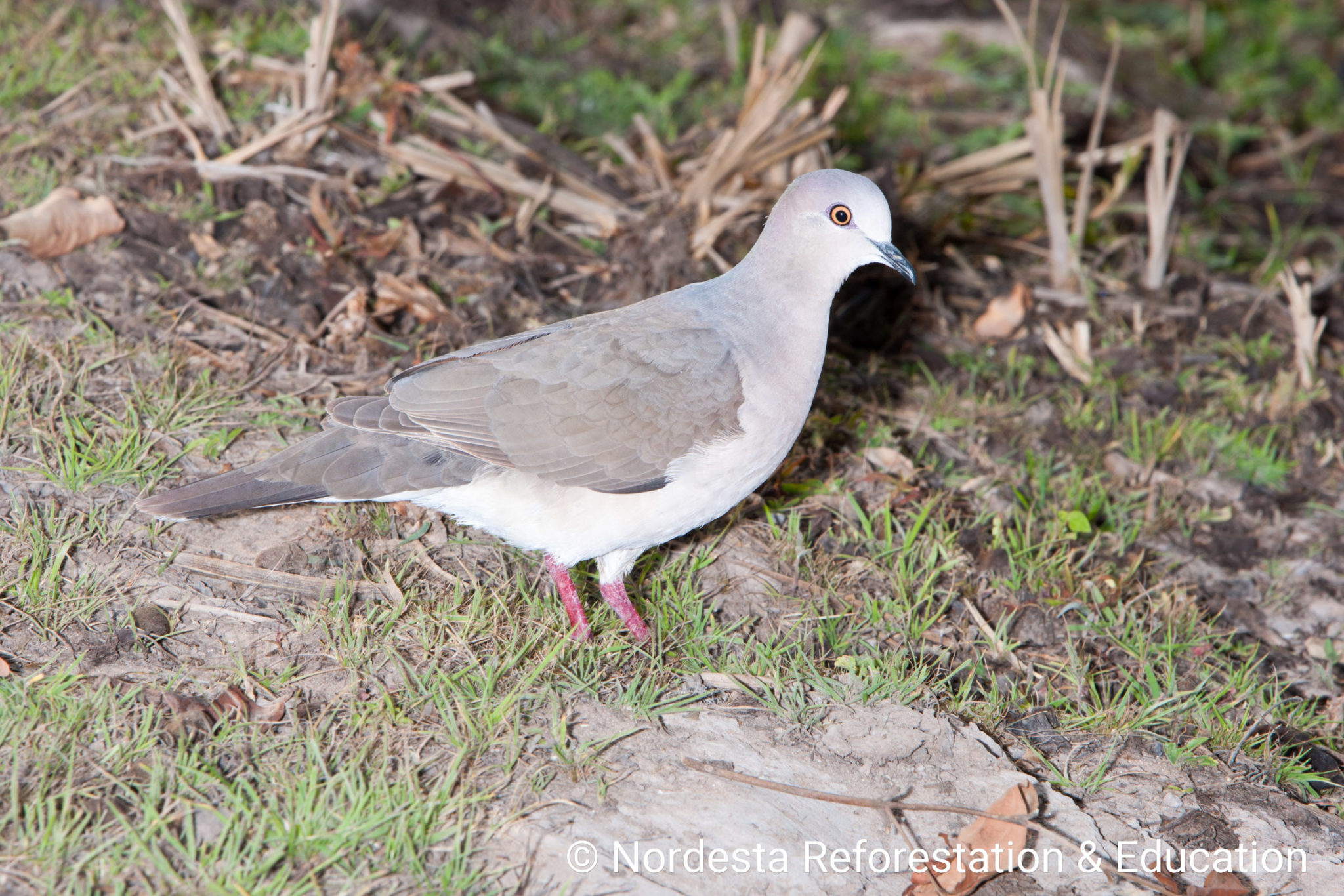
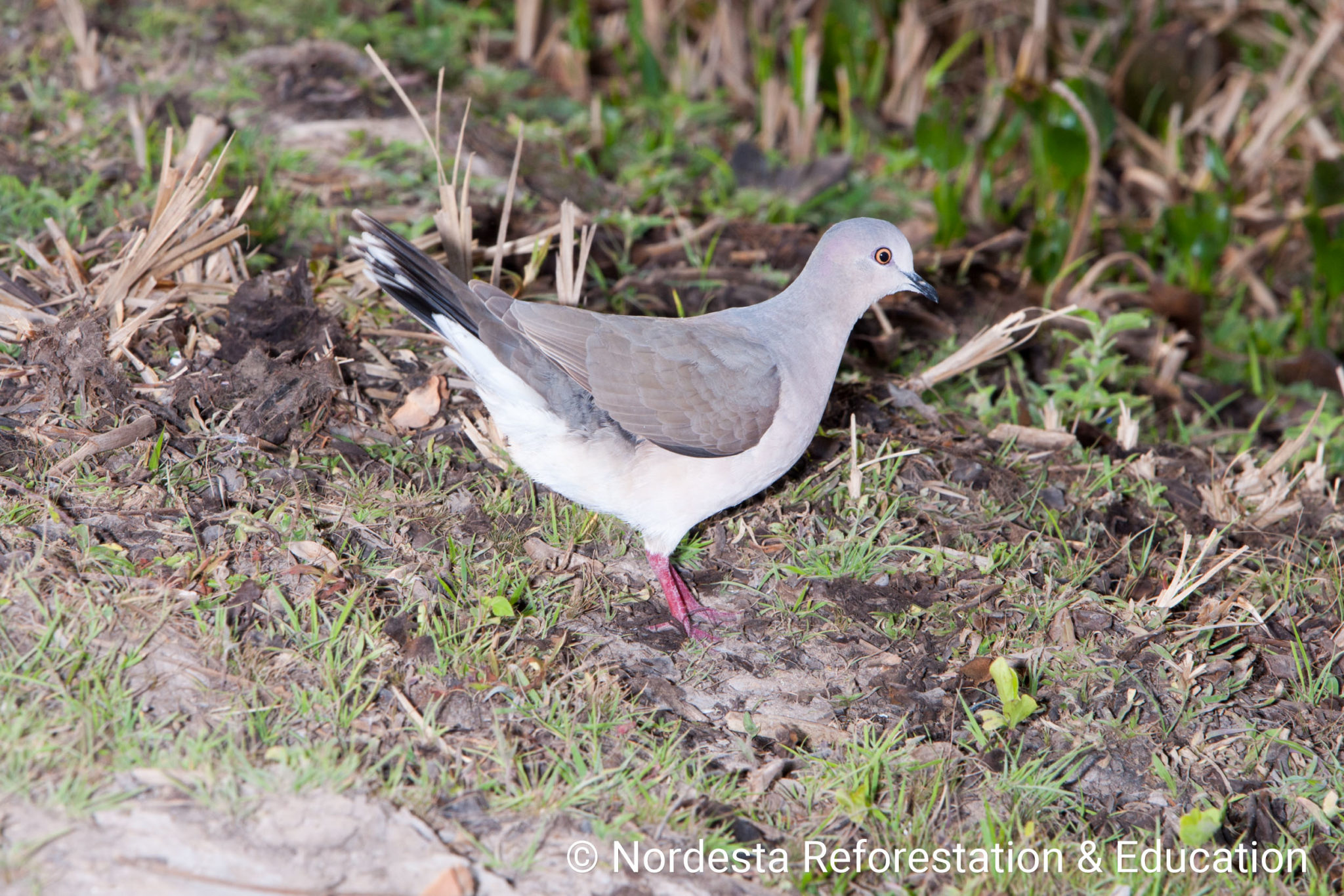
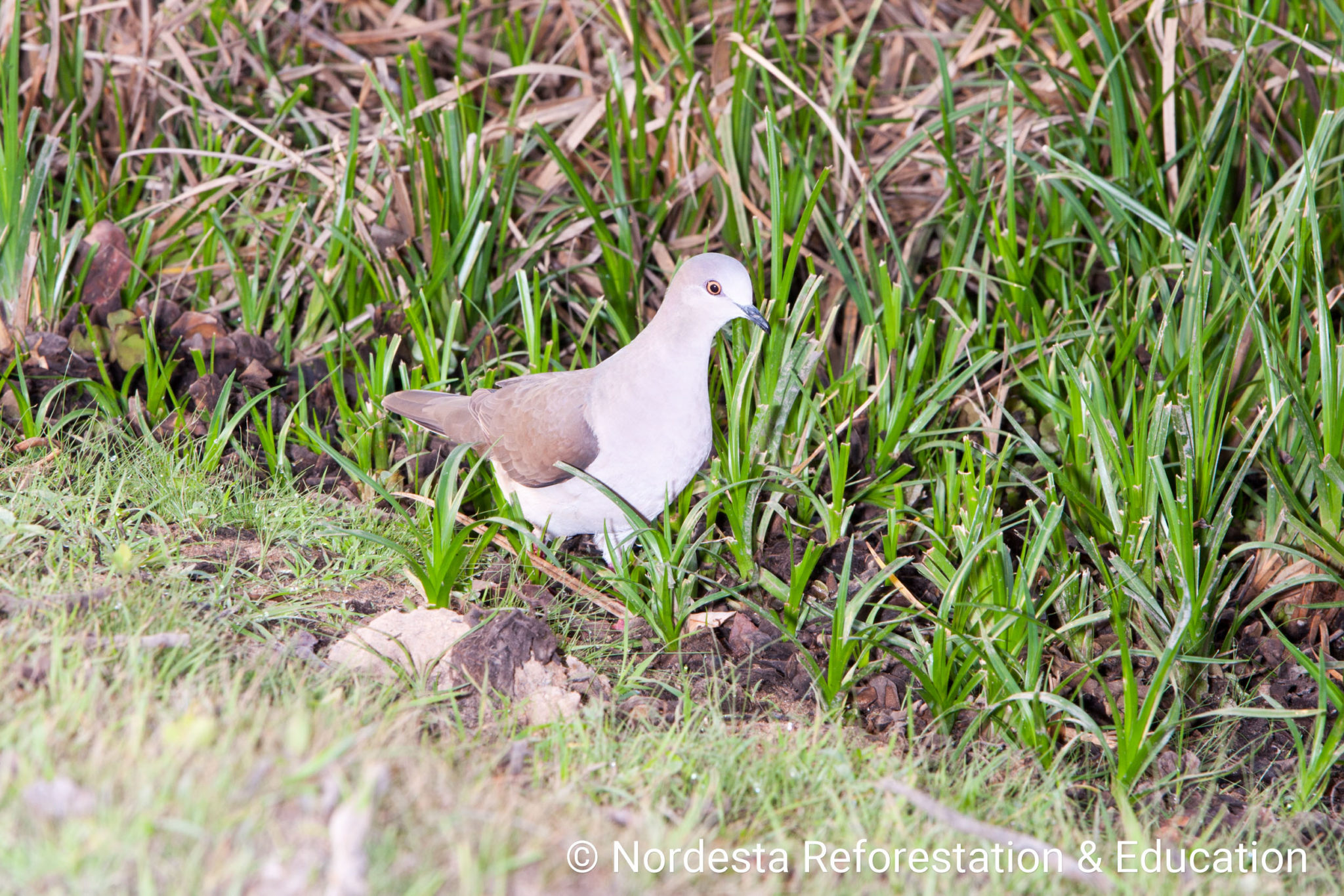
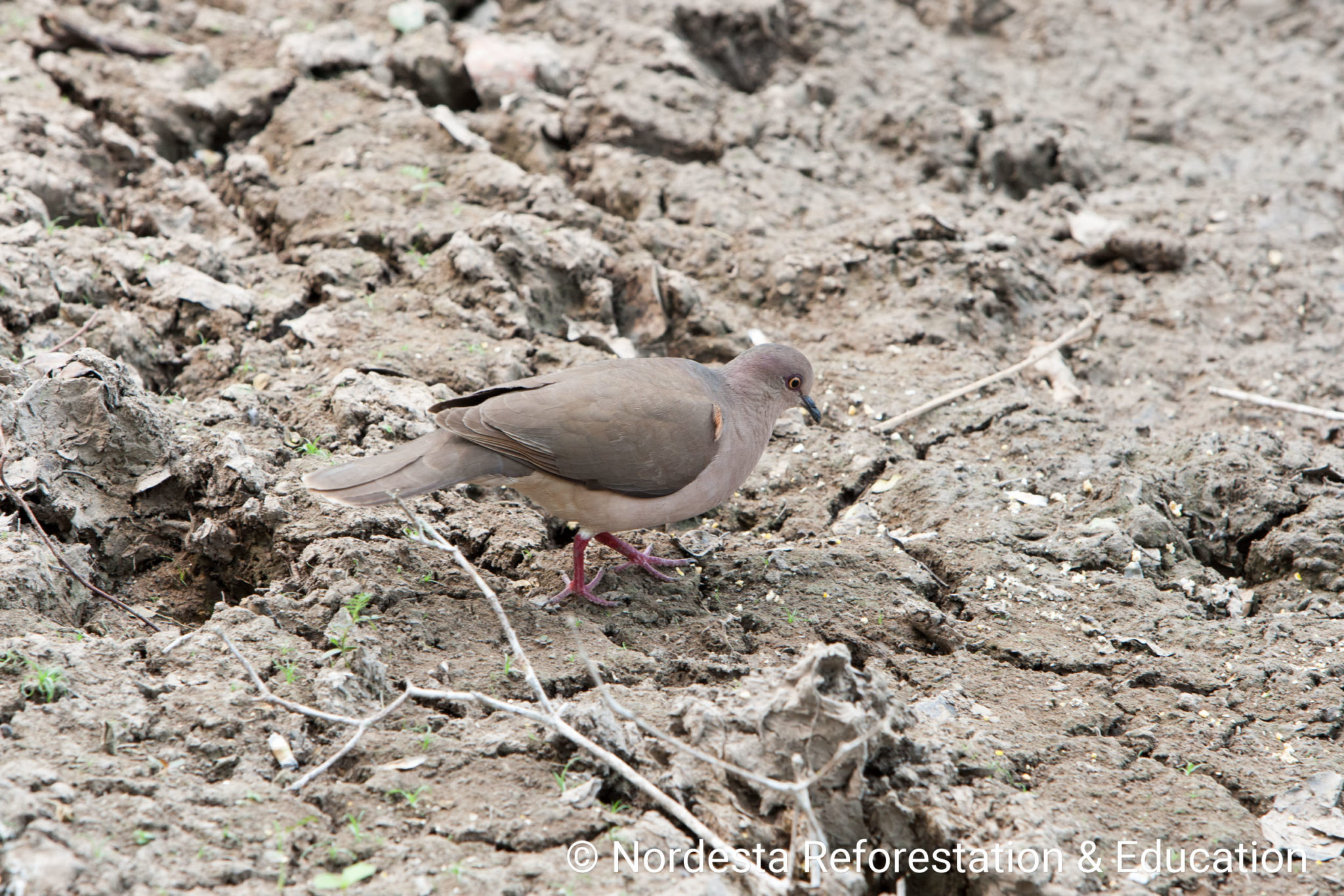
The White-tipped Dove, Leptotila verreauxi, is a medium-sized bird found across a wide range that stretches from Argentina to the southern United States. It is known for its adaptability and is one of the most widespread doves in the Americas.
General behavior
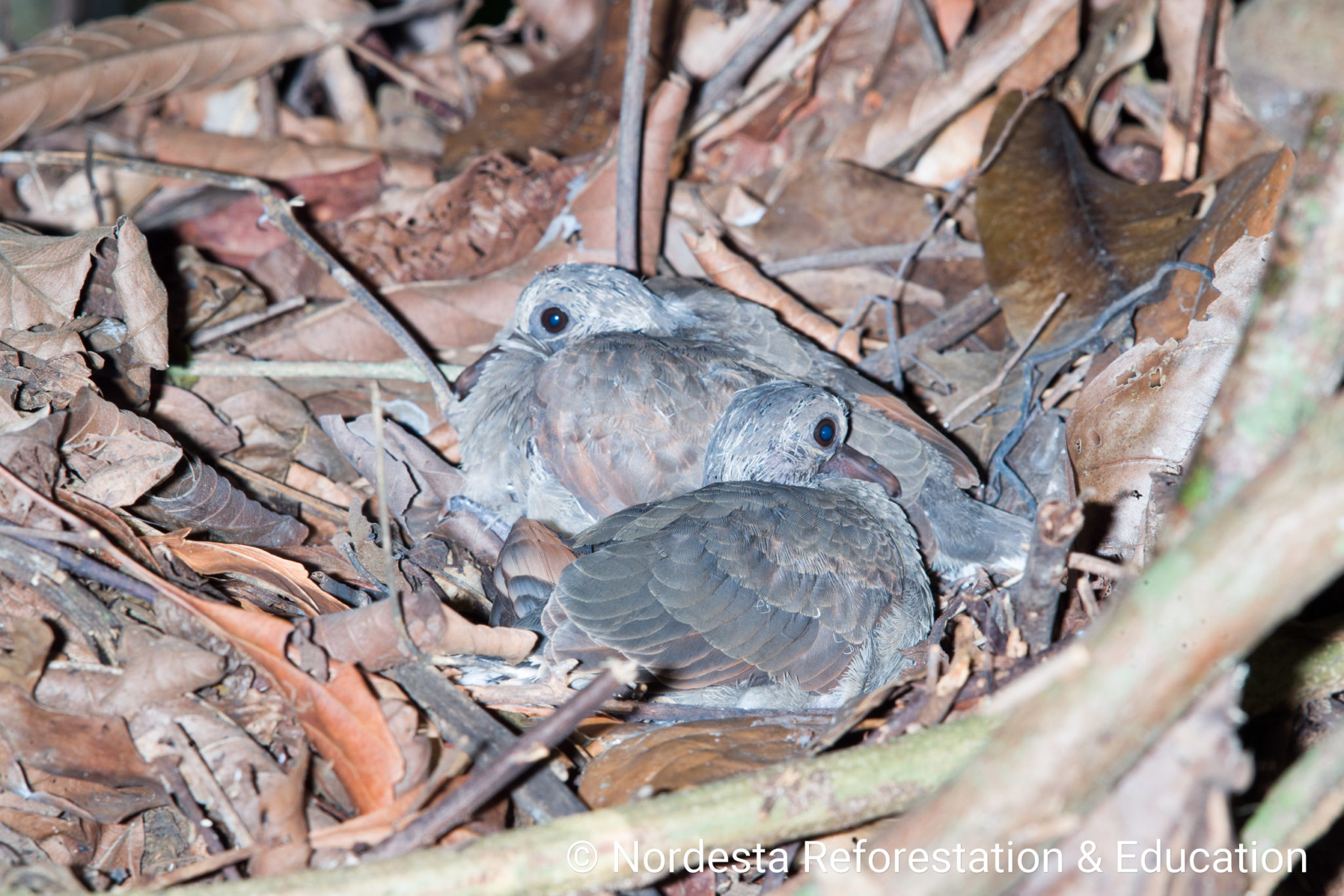
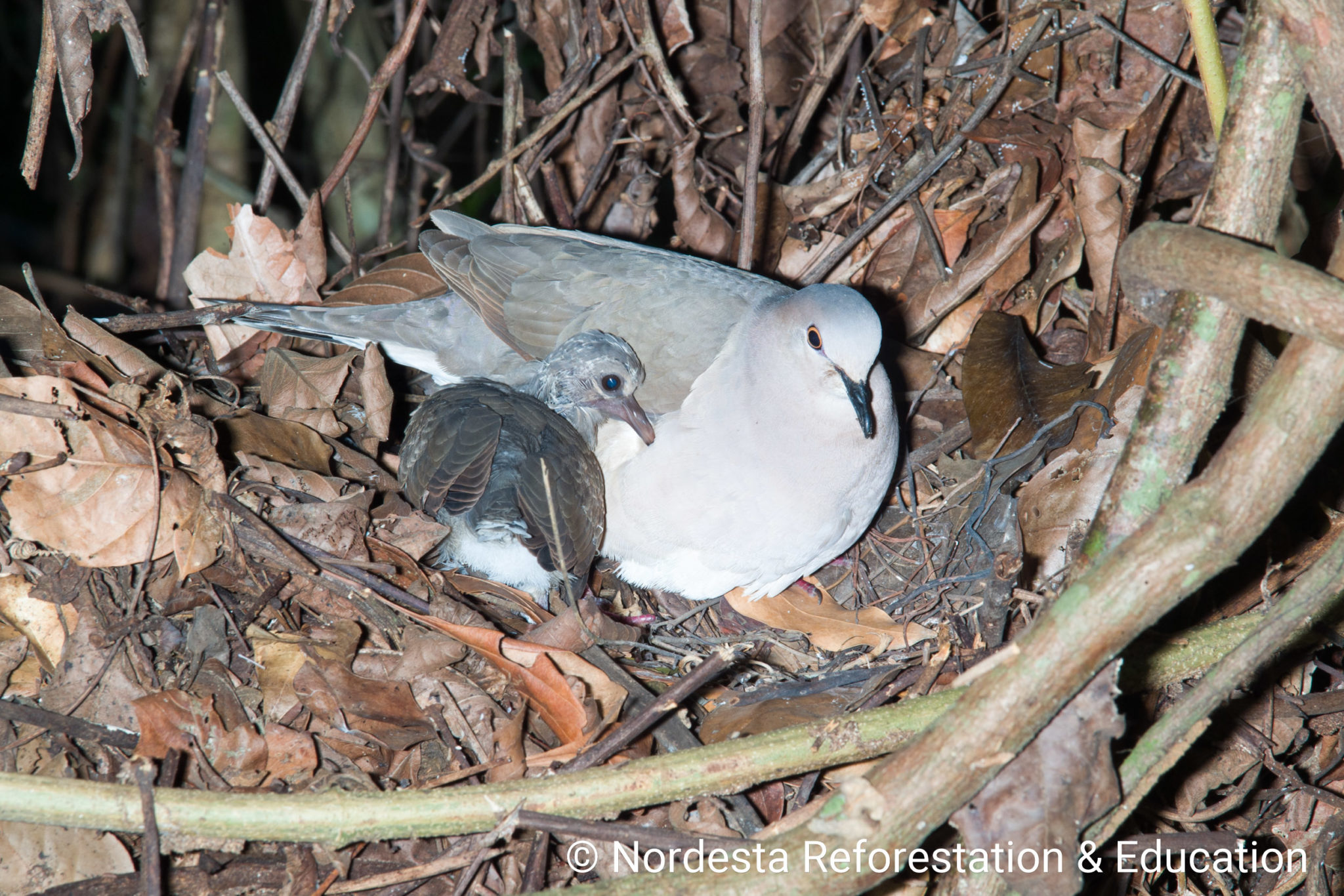
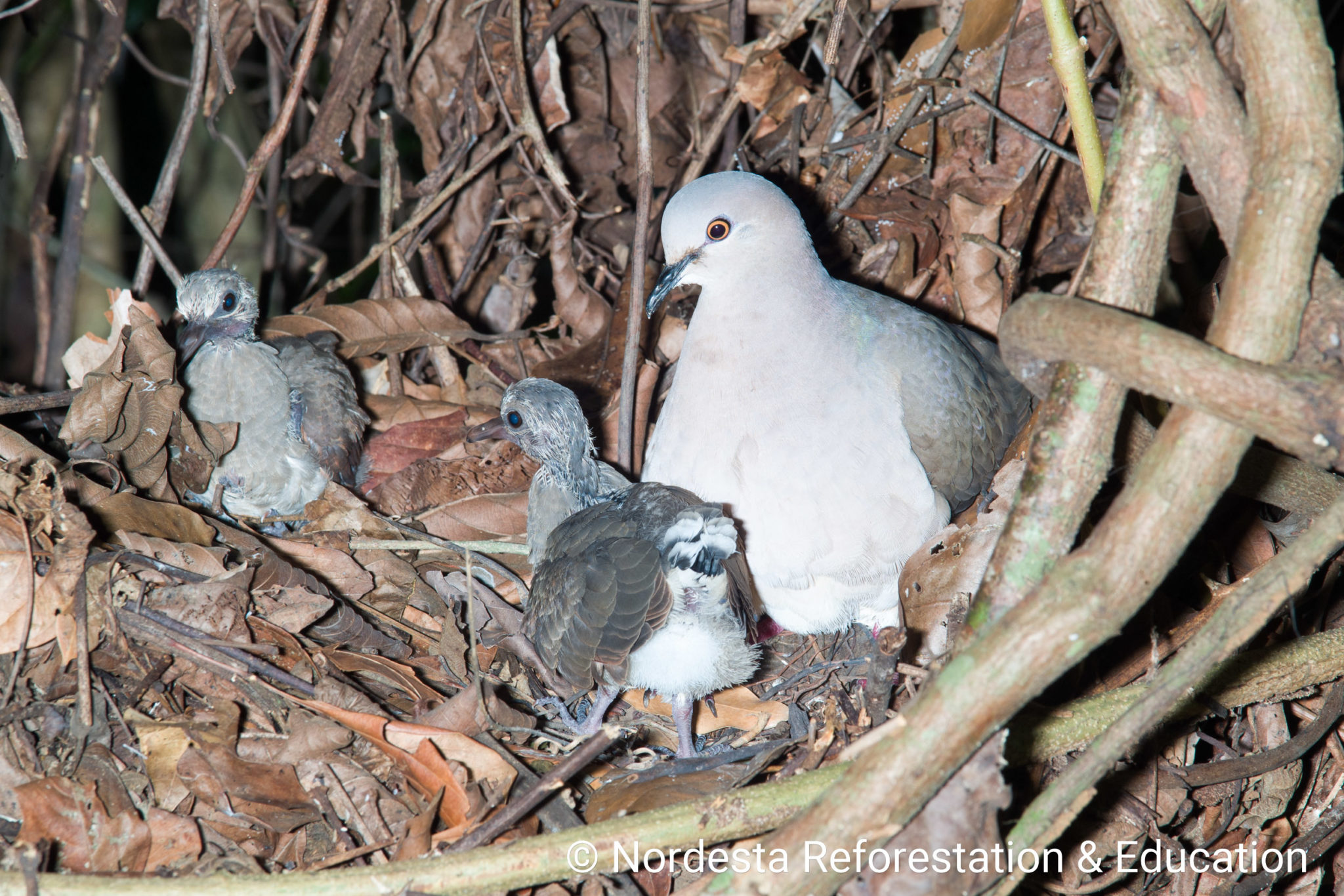
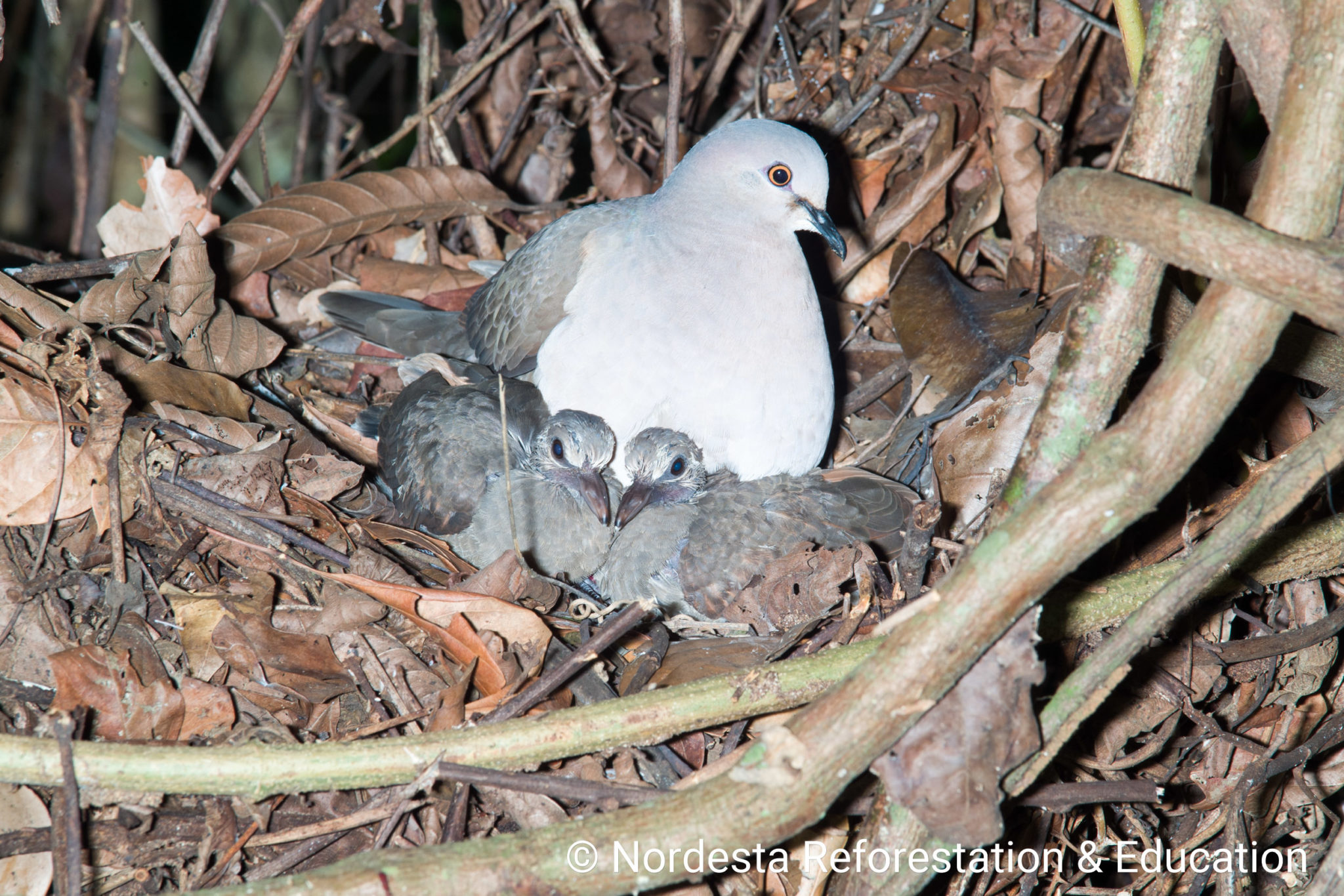
Both males and females build the nest, incubate the eggs, and feed the young. This species is known to perform distraction displays, such as pretending to be injured, to protect its young from threats. Feeding sessions between adults and nestlings are calm and prolonged, with the chick placing its bill inside the adult’s for food. However, predation, especially by snakes, is a significant risk to nestlings. Despite their efforts, the breeding success rate is relatively low, with many nests abandoned or lost to predators.
Habitat
Leptotila verreauxi lives in a variety of environments, including humid and dry forests, semi-open areas, forest edges, and even near urban settlements. Its flexibility in habitat selection contributes to its wide distribution and resilience.
Nest observation sites
We studied nests in three locations in Brazil: Quebrangulo, Alagoas (22 nests), Arcos, Minas Gerais (12 nests), and Camaçari, Bahia (5 nests).
Breeding season
Nesting activity was recorded throughout most of the year, with the majority of nests found between September and April.
The nest
White-tipped Doves build small, shallow cup-shaped nests usually 1–3 meters above the ground. They choose a range of spots, including shrubs, stumps, vines, cliff edges, and even leaf piles. Nests are made from twigs, petioles, dry leaves, grass, and occasionally feathers or roots. Twigs are mainly used on the outside, while finer materials like petioles are used inside. They may continue nesting even in the presence of human disturbance, although they sometimes abandon nests, especially in areas with hunting pressure.
For more information, refer to the publication: Studer, A., & Crozariol, M. A. 2023, pages 498—503, or contact the author at anita.birdaves@gmail.com
Reference:
Studer, A., & Crozariol, M. A. (2023). New breeding information on Brazilian birds. 2: Columbidae and Cuculidae. Bulletin of the British Ornithologists’ Club, 143(4), 485-553. https://doi.org/10.25226/bboc.v143i4.2023.a6.